Antofagasta.

.jpg)

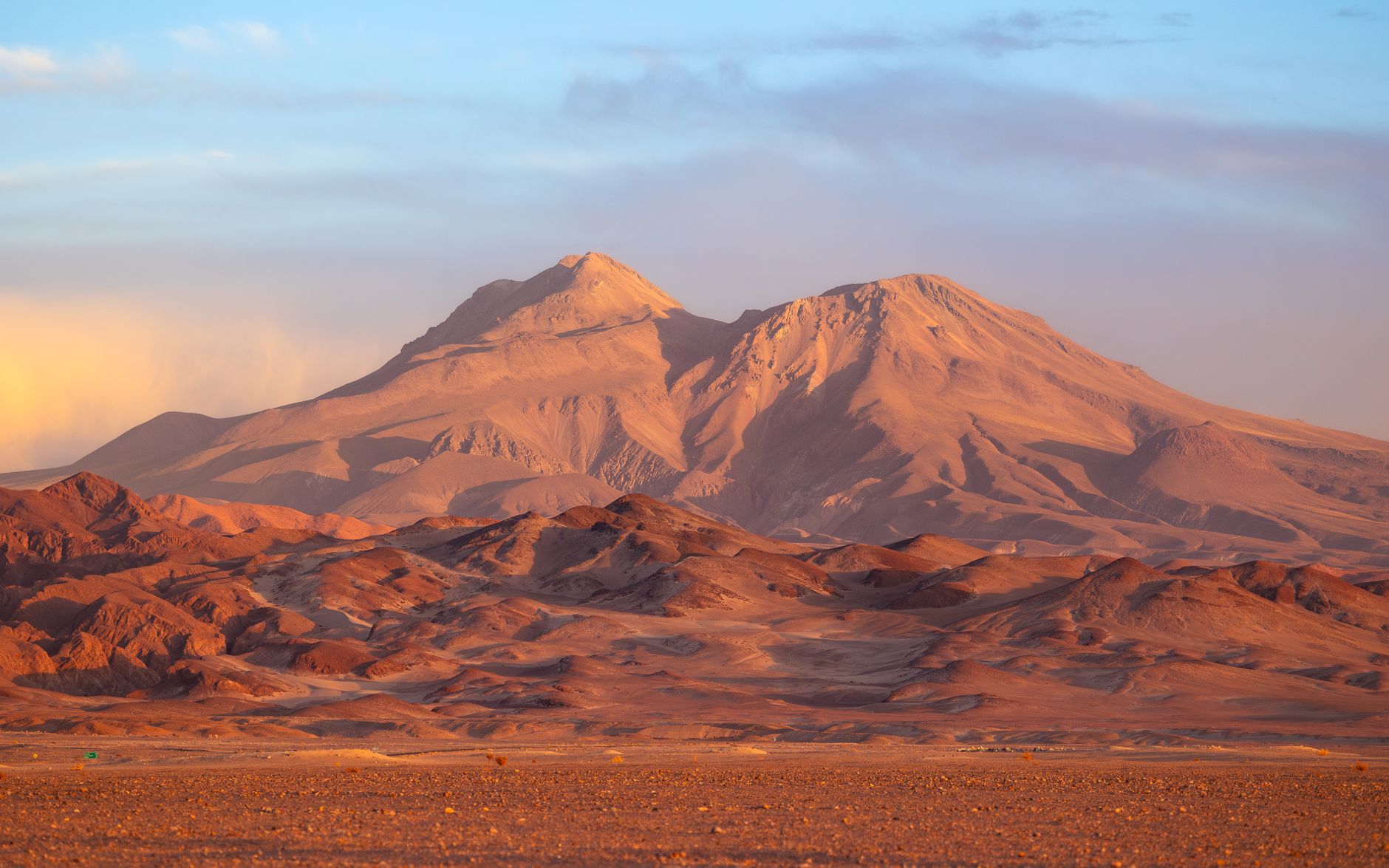


Fly from Santiago to Andrés Sabella Airport in two hours, or take a twelve-hour bus along Route 5 North. Antofagasta is an industrial Pacific port framed by towering coastal bluffs and copper trade heritage. Life revolves around the working fish docks and stark desert geology just outside town. Antofagasta is worth visiting if you want fresh sea urchins straight from the dock and quiet salt-crusted headlands. Look elsewhere if you want polished colonial plazas, lively late-night clubbing, or warm swimming waters.
Last updated 16 Oct 2026
Build a Antofagasta itinerary.
Choose up to 4 threads that pull you in. Your plan arrives organised around them.
The Bed
Where to stay in Antofagasta
Which part of town to book, and what each one costs you in walking, noise or quiet.
Places to stay
Central, well-rated and easy to find again. Distances are from the middle of town.
These links go to Booking.com and earn us a commission. They cost you nothing extra.
The Comparison
Antofagasta, or somewhere near it
The places you are realistically choosing between, and the honest case for each.
The Local Record
Where to read more about Antofagasta
The blogs, boards, guides and operators worth bookmarking.
What to do in Antofagasta Región de Antofagasta Chile
Antofagasta stretches between steep coastal mountains and the cold Pacific. Days follow a practical rhythm dictated by the sea: watching pelicans fight over scraps at Terminal Pesquero, walking the breezy Costanera, and heading into the desert fringe by afternoon. It suits independent travellers keen on working northern ports, honest seafood, and stark geological scenery rather than manicured resort comforts.
24 hours in Antofagasta Región de Antofagasta Chile
Start the morning at Terminal Pesquero over a bowl of fresh mariscal crudo. Walk the nineteenth-century timber buildings of the Barrio Histórico, then grab lunch at Mercado Central. Drive twenty minutes north to catch the late afternoon light hitting La Portada before finishing with fried congrio near Balneario Municipal. Select 1 Day above to see it.
2 days in Antofagasta Región de Antofagasta Chile
Day two takes you south along Route 5 into the open Atacama. Stand before the Mano del Desierto sculpture before visiting the massive stone smelting ruins of Huanchaca in the afternoon. Dine on pastel de jaiba at an unpretentious waterfront marisquería along Avenida Angamos. Choose 2 Days to expand the plan.
3 days in Antofagasta Región de Antofagasta Chile
A third day allows an unhurried drive north on Route 1 to the sheltered cove of Playa Hornitos, or a longer loop inland to the ghost town of Chacabuco. Finish by catching sunset from the bluffs above the Pacific, accompanied by an icy glass of local pisco sour.
Antofagasta Región de Antofagasta Chile itineraries by interest
Local Seafood in Antofagasta Región de Antofagasta Chile
Terminal Pesquero serves fresh erizos, congrio frito, and bowls of mariscal crudo alongside lemon wedges, straight from the morning wooden fishing boats.
Maritime History in Antofagasta Región de Antofagasta Chile
The Barrio Histórico showcases timber customs offices, the railway station, and iron freight piers built during the nineteenth-century nitrate boom.
Desert Landscapes in Antofagasta Región de Antofagasta Chile
Drive south to Mario Irarrázabal's Mano del Desierto, a massive concrete hand rising isolated out of the silent gravel plains of the Atacama Desert.
Coastal Walks in Antofagasta Región de Antofagasta Chile
The paved Costanera runs for miles along the rocky coastline, passing sea lion colonies basking on the rocks near Balneario Municipal.
Geological Formations in Antofagasta Región de Antofagasta Chile
La Portada stands offshore as a natural volcanic and sandstone arch, framed by cliffs where guanay cormorants and pelicans roost above cold breakers.
Markets & Produce in Antofagasta Región de Antofagasta Chile
Mercado Central offers hot plates of pastel de jaiba, regional locos with mayonnaise, and crates of sweet lemons harvested from inland desert oases.
Mining Heritage in Antofagasta Región de Antofagasta Chile
Ruinas de Huanchaca preserves the thick stone foundations of a silver refinery built in 1868, hosting a comprehensive desert museum on its grounds.
Stargazing in Antofagasta Región de Antofagasta Chile
The clear, dry skies east of the coastal ridge offer clean telescope views of the Southern Cross far from city lights near Cerro Paranal.
Street Food in Antofagasta Región de Antofagasta Chile
Plaza Colón stalls hand over warm empanadas de mariscos stuffed with shellfish, hot sopaipillas, and glasses of iced jugo de fruta made with desert fruit.
Day Trips in Antofagasta Región de Antofagasta Chile
Travel two hours inland along Route 25 to the abandoned nitrate town of Chacabuco, walking through quiet workers' dormitories and silent machinery.
Beaches in Antofagasta Región de Antofagasta Chile
Playa Hornitos, an hour north on Route 1, offers protected water and pale sand beneath high coastal cliffs, far quieter than the city beaches.
City Architecture in Antofagasta Región de Antofagasta Chile
Plaza Colón features a miniature replica of London's Big Ben clock tower, gifted by the British merchant community in 1910 during the centennial.