Black Mountain.


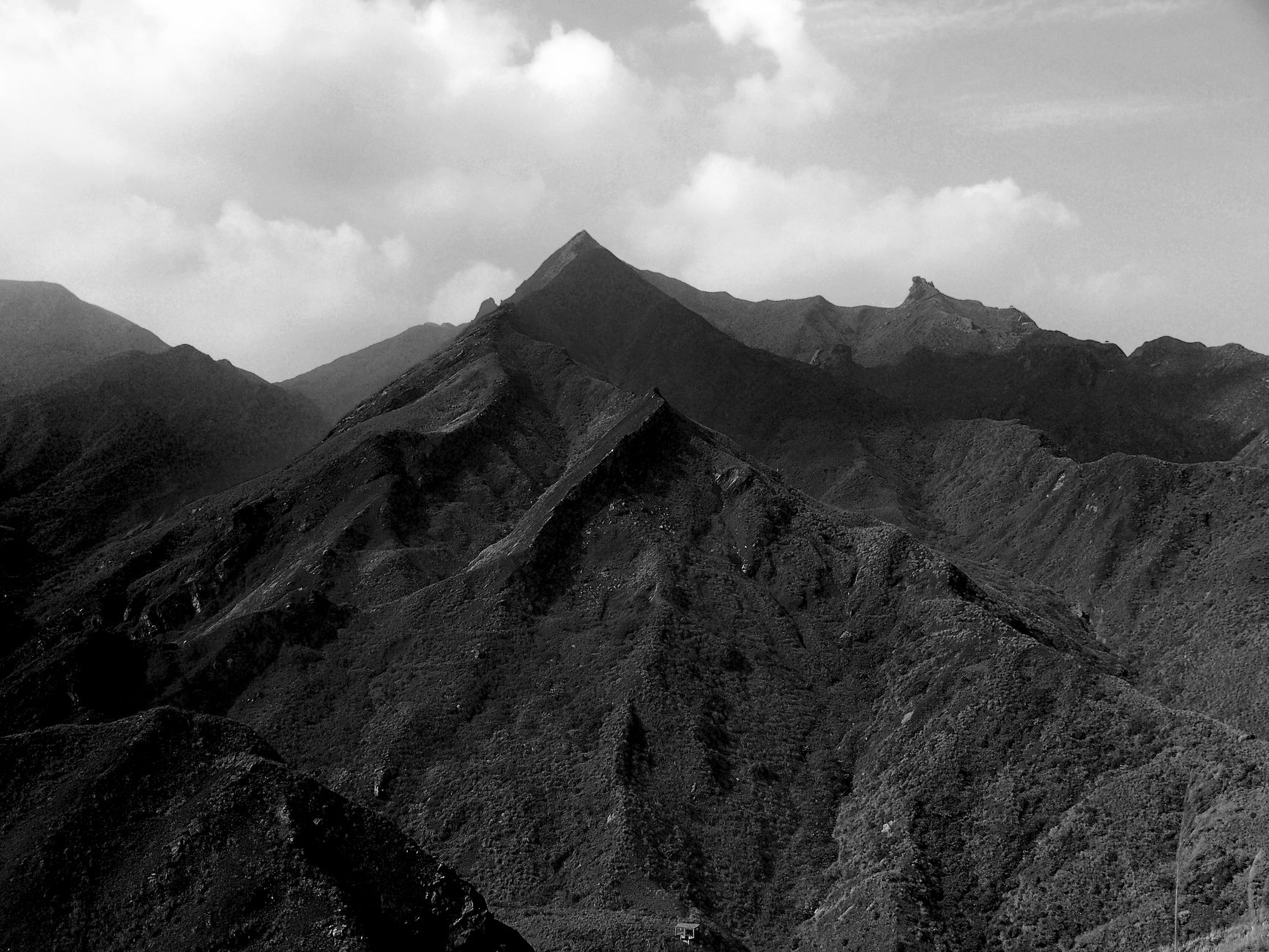
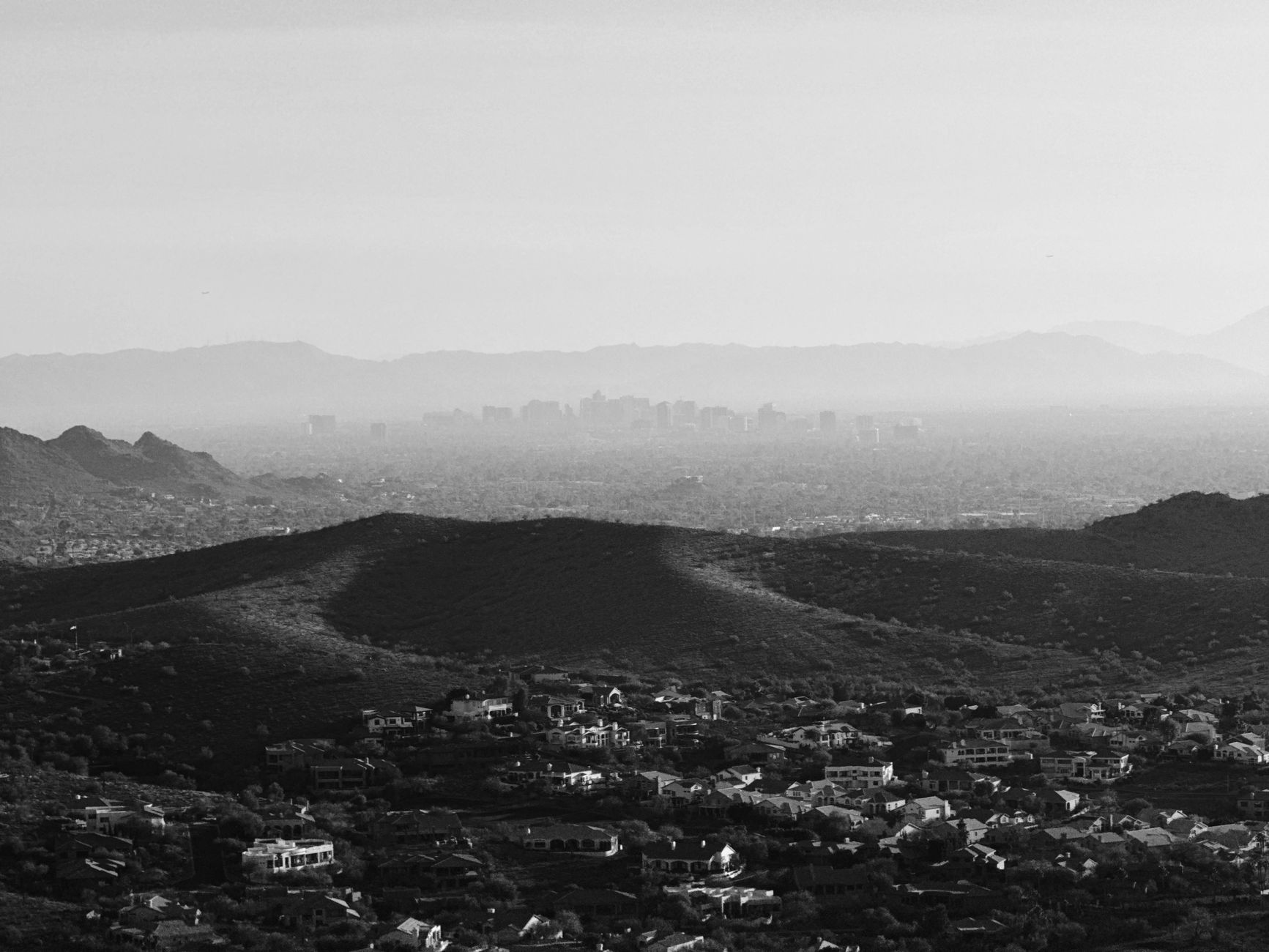
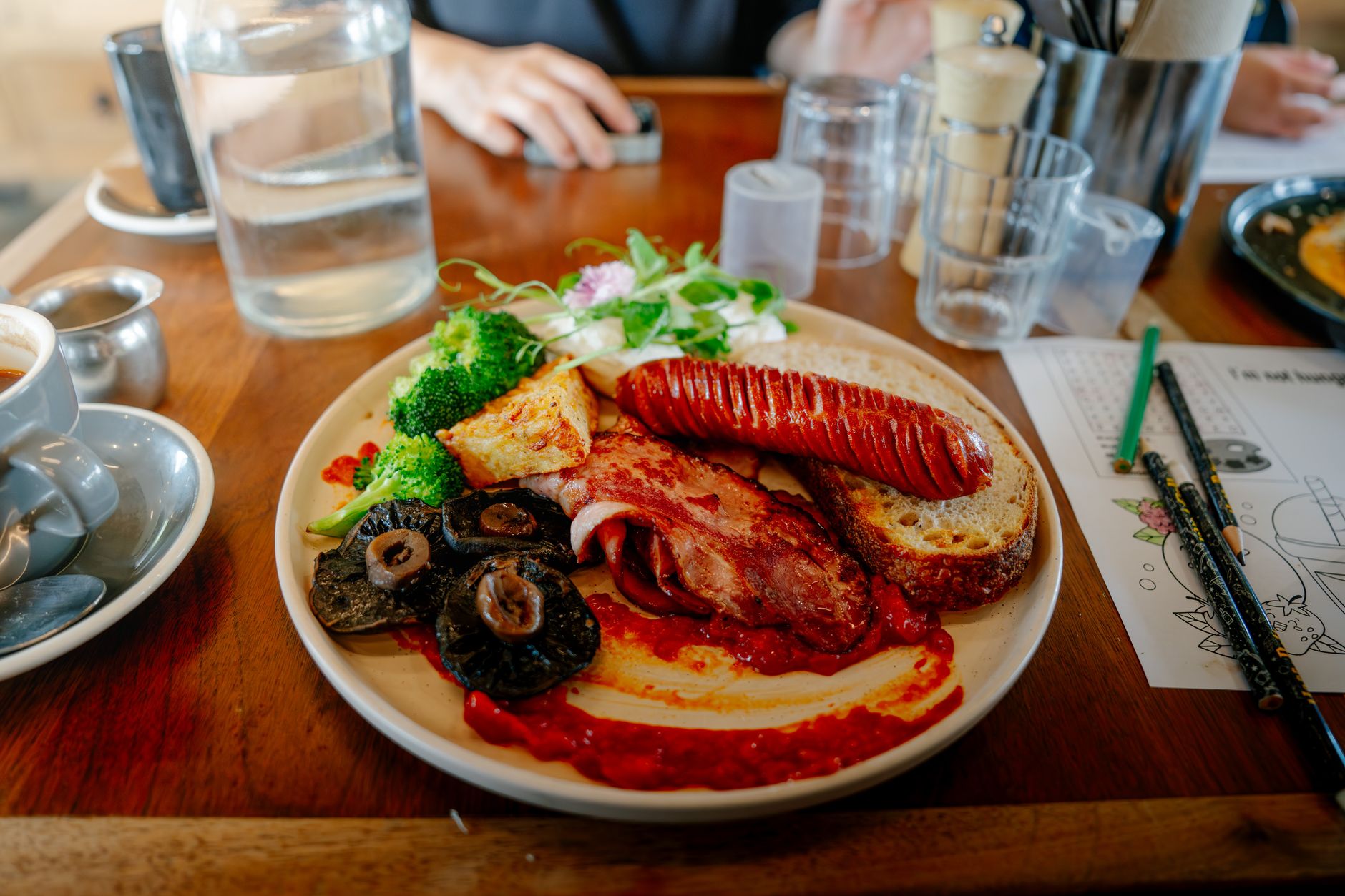
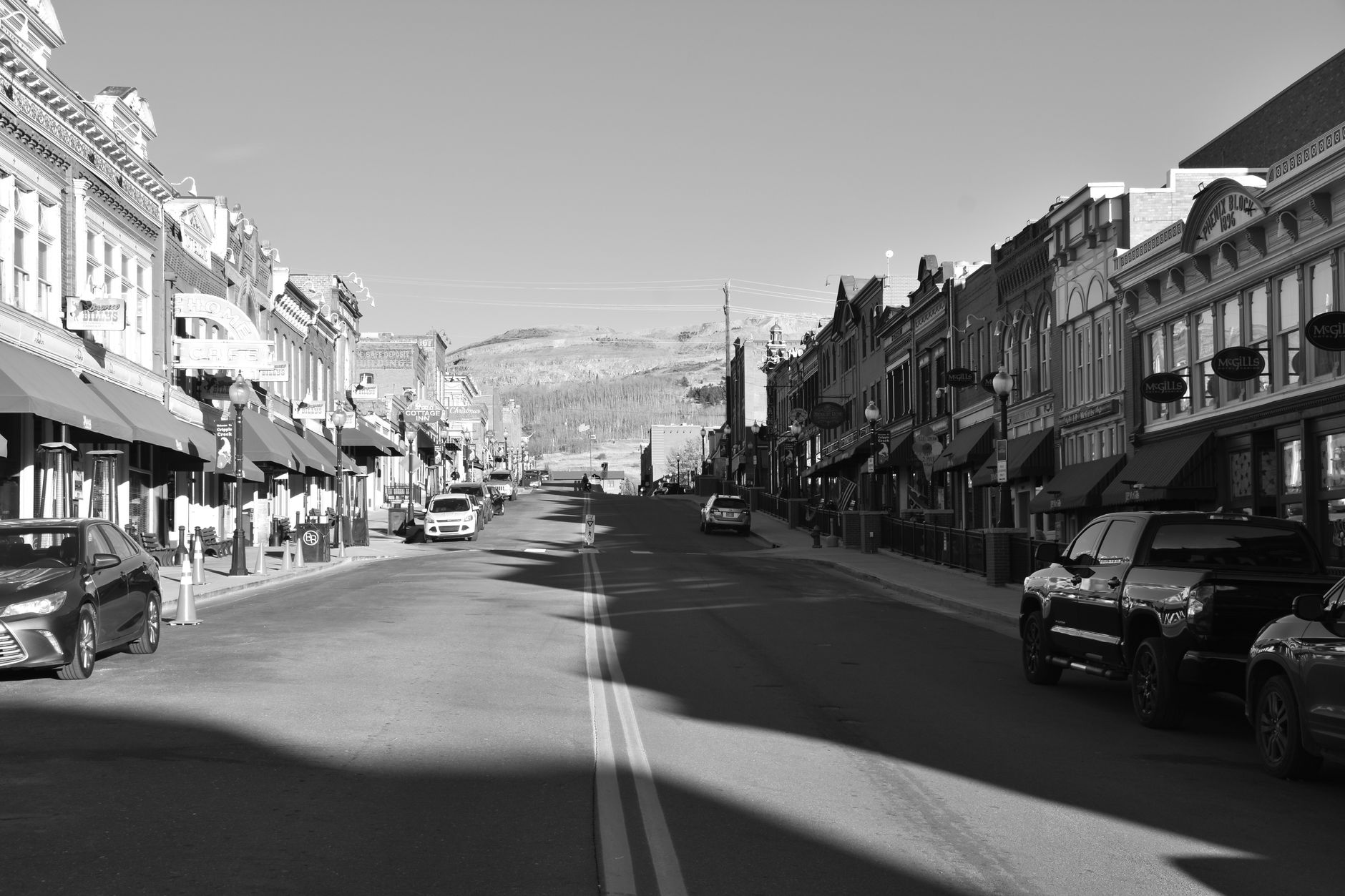
Black Mountain sits fifteen miles east of Asheville along Interstate 40, reachable in twenty minutes by car. The town is known for its compact turn-of-the-century downtown, deep roots in Appalachian craft traditions, and immediate access to the hiking trails of the Swannanoa Valley. Black Mountain is worth visiting if you want porch-sitting pace, honest Southern mountain cooking, and quiet woodland footpaths without city congestion. Look elsewhere if you want late-night clubbing, luxury shopping strips, or high-volume urban transit.
Last updated 4 Oct 2026
Build a Black Mountain itinerary.
Choose up to 4 threads that pull you in. Your plan arrives organised around them.
We'll craft a 1-lens plan for Black Mountain, one collapsible strand per lens.
Pottery & Arts
Watch wheel-throwers at the Black Mountain Center for the Arts and inspect wood-fired stoneware jugs at the Seven Sisters Craft Gallery.
Pottery & Arts
Watch wheel-throwers at the Black Mountain Center for the Arts and inspect wood-fired stoneware jugs at the Seven Sisters Craft Gallery.
Morning Roast in Local Stoneware
The Dripolator Coffeehouse
Grab a house pour-over and a buttermilk biscuit at the counter. Find a table beneath the local paintings for forty-five quiet minutes before town stirs.
Editor TipThis old railroad town runs on strong caffeine and wheel-thrown mugs, serving as the morning gathering spot for Swannanoa Valley wood-turners and potters. Sit out on the wooden deck if the mountain air is brisk; the steam off your mug is half the pleasure.
Appalachian Stoneware and Prints
Black Mountain Center for the Arts
Admission to the galleries is free, though donations keep the kilns firing. Spend ninety minutes browsing the Upper Gallery and checking the community clay studio downstairs.
Editor TipHoused in the town's 1921 Beaux-Arts city hall, this civic anchor preserves the Western North Carolina studio pottery lineage and mountain craft traditions. Ask at the front desk if the basement ceramics studio is active today; potters are usually happy to let you observe.
Appalachian Wood-Fired Stoneware
Old Depot Arts Center
Walk through the 1891 Southern Railway depot on Sutton Avenue. Browse juried local ceramicists and hand-turned wood for an hour without admission fees.
Editor TipWestern North Carolina clay traditions date back centuries, where regional potters adapted Catawba Valley alkaline glazes and local red clay into durable functional art. Inspect the raw unglazed base of each vessel to spot the distinct iron-rich Swannanoa riverbed clay.
Cast-Iron Mountain Trout Supper
The Trailhead Restaurant and Bar
Grab a wooden booth along State Street. Order the blackened local trout with sweet potato puree and a local cider. Budget forty dollars per head.
Editor TipThis former storefront acts as an informal salon for local ceramicists and trail runners, displaying regional paintings above plates of Blue Ridge river fish. Arrive before six thirty to bypass the evening rush and secure a seat near the rotating gallery wall.
Watching Wheels and Earthenware
Red House Studios & Gallery
Housed in a restored 1920s cottage, this cooperative lets you wander past active wheels without an appointment. Budget sixty minutes; pieces are priced fairly by the makers.
Editor TipThe Swannanoa Valley Art League keeps traditional Appalachian wheel throwing alive here, emphasizing unglazed stoneware rims and functional kitchen forms. Look for pieces bearing the individual maker's stamp on the foot ring; it tells you whose kiln it survived.
Appalachian Stoneware and Mountain Crafts
The Old Depot Gallery
Housed in the 1891 train station on Sutton Avenue, this juried gallery charges no admission. Allow an hour to study the local wood-fired stoneware and turned wood.
Editor TipWestern North Carolina clay traditions trace back centuries, shaped by rich riverbed mud and utilitarian Scots-Irish potting techniques that evolved into fine mountain studio craft. Walk around to the active rail line behind the depot; benches here catch the afternoon breeze and look toward the Craggy Range.
Trout and Local Painter Works
Milton's Black Mountain
Book ahead for a table inside the 1937 Monte Vista Hotel. Order the hickory-nut-crusted mountain trout or braised greens, surrounded by original paintings by regional artists.
Editor TipThe Monte Vista opened as a craft and mountain retreat during the town's mid-century creative boom, maintaining deep ties to Swannanoa Valley painters and regional ceramicists. Ask for a seat in the front dining room where natural light catches the oil landscapes along the north wall.
Appalachian Guild Woodcraft
Folk Art Center
Free admission. Park at Milepost 382.5 along the Parkway; spend ninety minutes walking the Allanstand Craft Shop and upstairs exhibition galleries before mid-day coach tours arrive.
Editor TipThe Southern Highland Craft Guild began in 1930 to preserve regional mountain basketry, weaving, and timber turning, establishing strict jury standards that shaped modern American studio craft. Catch the daily craft demonstration in the main lobby starting at 10:00 AM. The woodturners are happy to talk gouge angles.
Studio Ceramics and Ironwork
Penland School of Craft
Drive forty-five minutes north on Highway 226. Browse the Penland Gallery exhibitions and walk the public ridge trail past the open ceramic and glass resident studios. Budget two hours.
Editor TipFounded in 1929 by Lucy Morgan, Penland transformed this remote Mitchell County ridge into an international nexus for clay, glass, and metal artists who live and fire kilns in the surrounding hills. Pick up a paper studio map at the gallery desk so you can identify which resident artists are open to drop-in visitors.
Appraising Appalachian Studio Clay
Penland Gallery
Open Tuesday to Saturday from 11:00 to 17:00 with free admission. Allow two hours to inspect the rotating exhibition hall and sculpture paths before walking the ridge.
Editor TipFounded in 1929 by Lucy Morgan, Penland anchored the modern American studio craft movement in Mitchell County, attracting ceramicists drawn to native mica and iron-rich clays. Pack a light windbreaker. The hilltop breeze is crisp by late afternoon, and the gravel paths punish flimsy flats.
Wood-Fired Hearthside Supper
Homeplace Beer Company
Walk in for counter service; no bookings needed. Order a farm ale and the wood-fired sourdough pie topped with local ham and sharp mountain cheese for under thirty dollars.
Editor TipBurnsville serves as the social crossroads for Toe River artisans, where heritage Carolina grains and wood-fired hearths bring potters and timber crews to the same communal tables. Grab a bench on the patio near dusk. The pace is unhurried, and you will likely share space with a resident glass artist.
Note from the Editor
“Park once along West State Street before nine. The gallery walkers arrive by eleven, but early morning belongs to the potters grabbing their coffee.”
The Bed
Where to stay in Black Mountain
Which part of town to book, and what each one costs you in walking, noise or quiet.
The Comparison
Black Mountain, or somewhere near it
The places you are realistically choosing between, and the honest case for each.
The Local Record
Where to read more about Black Mountain
The blogs, boards, guides and operators worth bookmarking.
What to do in Black Mountain North Carolina United States
Life in Black Mountain centres on State Street and the quiet surrounding valley. The rhythm is unhurried: morning coffee on a sidewalk bench, an afternoon hike into the Montreat ridges, and a cold pale ale with smoked barbecue before dusk. It suits independent walkers, craft collectors, and anyone who prefers mountain air to resort polish without losing easy access to good food and well-kept trails.
24 hours in Black Mountain North Carolina United States
Start with drip coffee and a hot biscuit on West State Street, then browse Town Hardware before climbing Lookout Trail in nearby Montreat. Spend the afternoon checking pottery galleries on Cherry Street. Finish with wood-fired pizza and a mountain stout on Sutton Avenue by eight in the evening. Select 1 Day above to see it.
2 days in Black Mountain North Carolina United States
Dedicate your second morning to the longer Graybeard Mountain trail or an easy walk around Lake Tomahawk. Grab lunch at a local deli, then explore the historic college archives before finding an early evening stool at the Town Pump Tavern for live acoustic pickers and local beer. Choose 2 Days to expand the plan.
3 days in Black Mountain North Carolina United States
A third day allows an unhurried drive up to the Blue Ridge Parkway at Craggy Gardens for rhododendron ridges, followed by a visit to the historic rail town of Old Fort. Return to Black Mountain for cornmeal-fried trout and seasonal fruit pie at a quiet dinner counter.
Black Mountain North Carolina United States itineraries by interest
Mountain Trails in Black Mountain North Carolina United States
Hike the steep granite switchbacks of Lookout Trail in Montreat or tackle Graybeard Mountain for panoramic views across the Blue Ridge.
Regional Fare in Black Mountain North Carolina United States
Taste cornmeal-crusted mountain trout, cast-iron skillet cornbread, and smoked pork shoulder at local counters along State Street.
Craft Brewing in Black Mountain North Carolina United States
Sample oak-aged sours and unfiltered IPAs brewed with mountain spring water at Pisgah Brewing Company and Lookout Brewing.
Pottery & Arts in Black Mountain North Carolina United States
Watch wheel-throwers at the Black Mountain Center for the Arts and inspect wood-fired stoneware jugs at the Seven Sisters Craft Gallery.
Historic Architecture in Black Mountain North Carolina United States
Walk past the 1890s brick storefronts on Cherry Street and examine the rustic native stone cottages around the Montreat Conference Center.
Live Music in Black Mountain North Carolina United States
Catch old-time mountain fiddle, bluegrass pickers, and acoustic blues sets inside the wood-panelled room at the Town Pump Tavern.
Coffee & Bakeries in Black Mountain North Carolina United States
Grab flaky buttermilk biscuits, seasonal fruit hand pies, and dark drip coffee at Dripolator Coffeehouse on West State Street.
Day Trips in Black Mountain North Carolina United States
Drive twelve miles east down the mountain to Old Fort for trout hatcheries, or head north onto the Blue Ridge Parkway at Craggy Gardens.
General Stores in Black Mountain North Carolina United States
Browse cast-iron skillets, sourwood honey jars, and heritage garden seeds at the Town Hardware and General Supply, running since 1928.
Modern Art in Black Mountain North Carolina United States
Study the radical mid-century avant-garde heritage of Black Mountain College through regional gallery retrospectives and local archives.
Scenic Drives in Black Mountain North Carolina United States
Navigate NC Route 9 south toward Chimney Rock through the Rocky Broad River gorge, or trace the higher elevations on the Blue Ridge Parkway.
Casual Dining in Black Mountain North Carolina United States
Order fried green tomatoes, pimento cheese burgers, and local draft ales at unpretentious neighborhood tables along Sutton Avenue.