Bregenz.


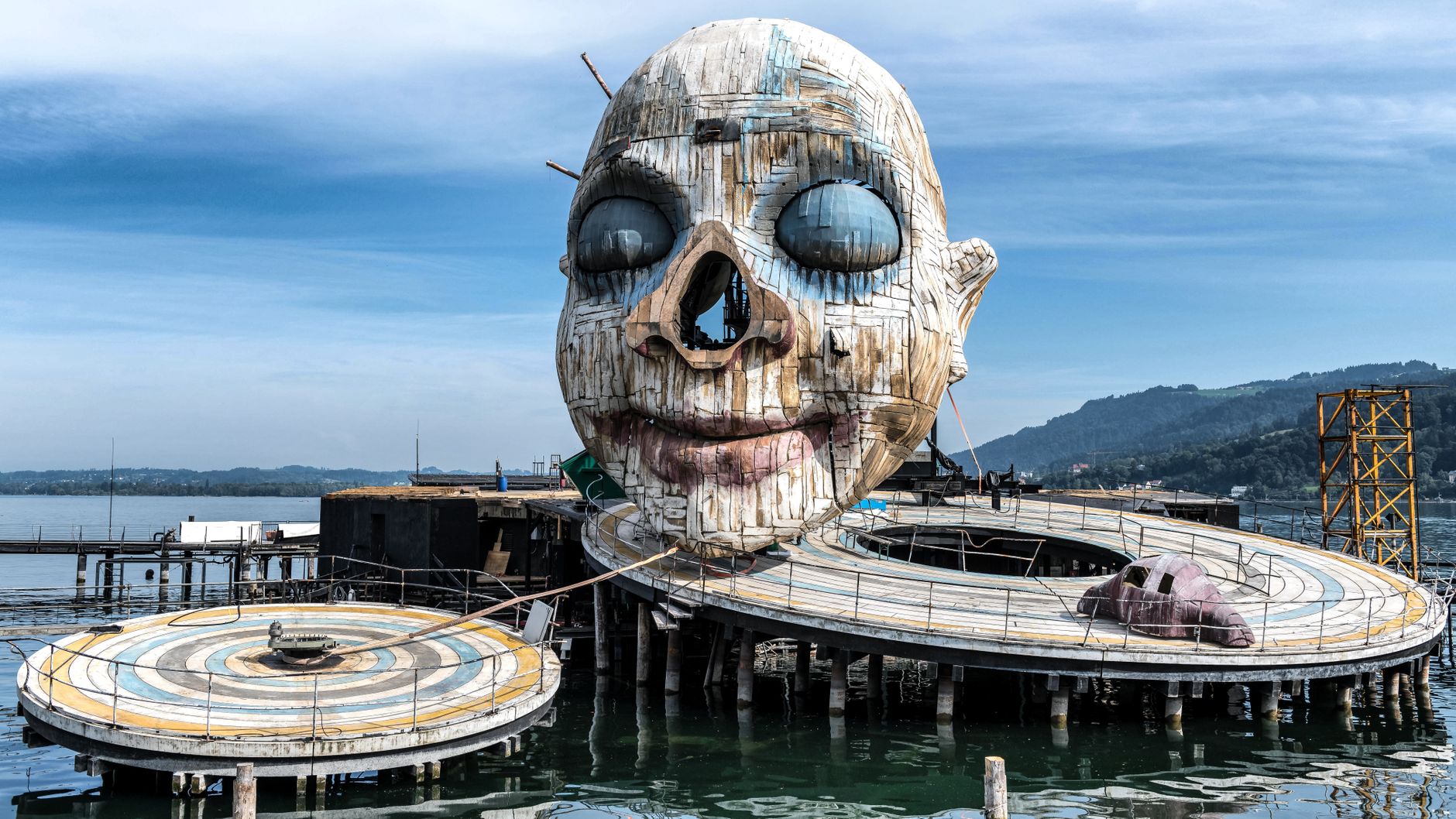


Bregenz sits on the eastern shore of Lake Constance, one hour east of Zurich by train, and is known for its summer floating opera stage and compact medieval Upper Town. The Pfänder cable car lifts you straight into alpine pasture from the city edge. Bregenz is worth visiting if you want lake-swimming, world-class contemporary art, and rich mountain cheese within a few walkable blocks. Look elsewhere if you want late-night clubbing, gritty street culture, or grand imperial palaces.
Last updated 15 Oct 2026
Build a Bregenz itinerary.
Choose up to 4 threads that pull you in. Your plan arrives organised around them.
The Bed
Where to stay in Bregenz
Which part of town to book, and what each one costs you in walking, noise or quiet.
The Comparison
Bregenz, or somewhere near it
The places you are realistically choosing between, and the honest case for each.
The Local Record
Where to read more about Bregenz
The blogs, boards, guides and operators worth bookmarking.
What to do in Bregenz Vorarlberg Austria
Bregenz is squeezed neatly between the forested Pfänder ridge and the shores of Lake Constance. The lower town clusters around the waterfront promenade and the cultural quarter on Kornmarktplatz, while the medieval Oberstadt sits quietly above. Days here revolve around morning swims, lake walks, gallery visits, and hearty tavern lunches. It suits travellers who appreciate crisp alpine air, sharp modern design, and a relaxed, unhurried pace.
24 hours in Bregenz Vorarlberg Austria
Ride the Pfänderbahn up for morning lake views, then walk down through the quiet Upper Town to St. Martin's Tower. For lunch, order Käsknöpfle at a tavern on Maurachgasse. Spend the afternoon exploring Kunsthaus Bregenz, then walk the lake promenade at sunset to see the floating Seebühne stage before dinner. Select 1 Day above to see it.
2 days in Bregenz Vorarlberg Austria
Rent a bicycle on day two to ride southwest to the Rhine Delta wetlands, stopping for a swim at the historic Mili bathhouse. In the evening, head to Mehrerau Abbey for a glass of local wine and freshly caught pan-fried Bodensee whitefish in their shaded courtyard restaurant. Choose 2 Days to expand the plan.
3 days in Bregenz Vorarlberg Austria
Head inland on day three into the Bregenzerwald. Explore the striking modern wood craftsmanship in Andelsbuch and Schwarzenberg, tour an alpine cheese cellar, and return for a late ferry crossing to the Bavarian island town of Lindau just across the German border.
Bregenz Vorarlberg Austria itineraries by interest
Modern Art in Bregenz Vorarlberg Austria
Peter Zumthor's glass Kunsthaus Bregenz showcases international modern exhibits beside the Vorarlberg Museum's Roman artifacts and regional history.
Local Cheese in Bregenz Vorarlberg Austria
Bergkäse and spicy Vorarlberger Alpkäse aged up to eighteen months, melted over handmade Spätzle with browned onions as traditional Käsknöpfle.
Lake Life in Bregenz Vorarlberg Austria
Wooden bathhouses at Mili Strandbad, sunset sails on Lake Constance, and passenger ferries crossing water borders into Lindau and Konstanz.
Mountain Hiking in Bregenz Vorarlberg Austria
Pfänder cable car climbs to 1,064 metres for ridgeline trails toward Hirschberg and panoramic views across 240 alpine peaks into Switzerland.
Performing Arts in Bregenz Vorarlberg Austria
The Bregenzer Festspiele stages colossal open-air operas on the world's largest floating lake stage at the Seebühne each July and August.
Historic Quarters in Bregenz Vorarlberg Austria
Cobbled lanes of the medieval Oberstadt lead past timber-framed houses to the onion-domed St. Martin's Tower, holding fourteenth-century frescoes.
Freshwater Fish in Bregenz Vorarlberg Austria
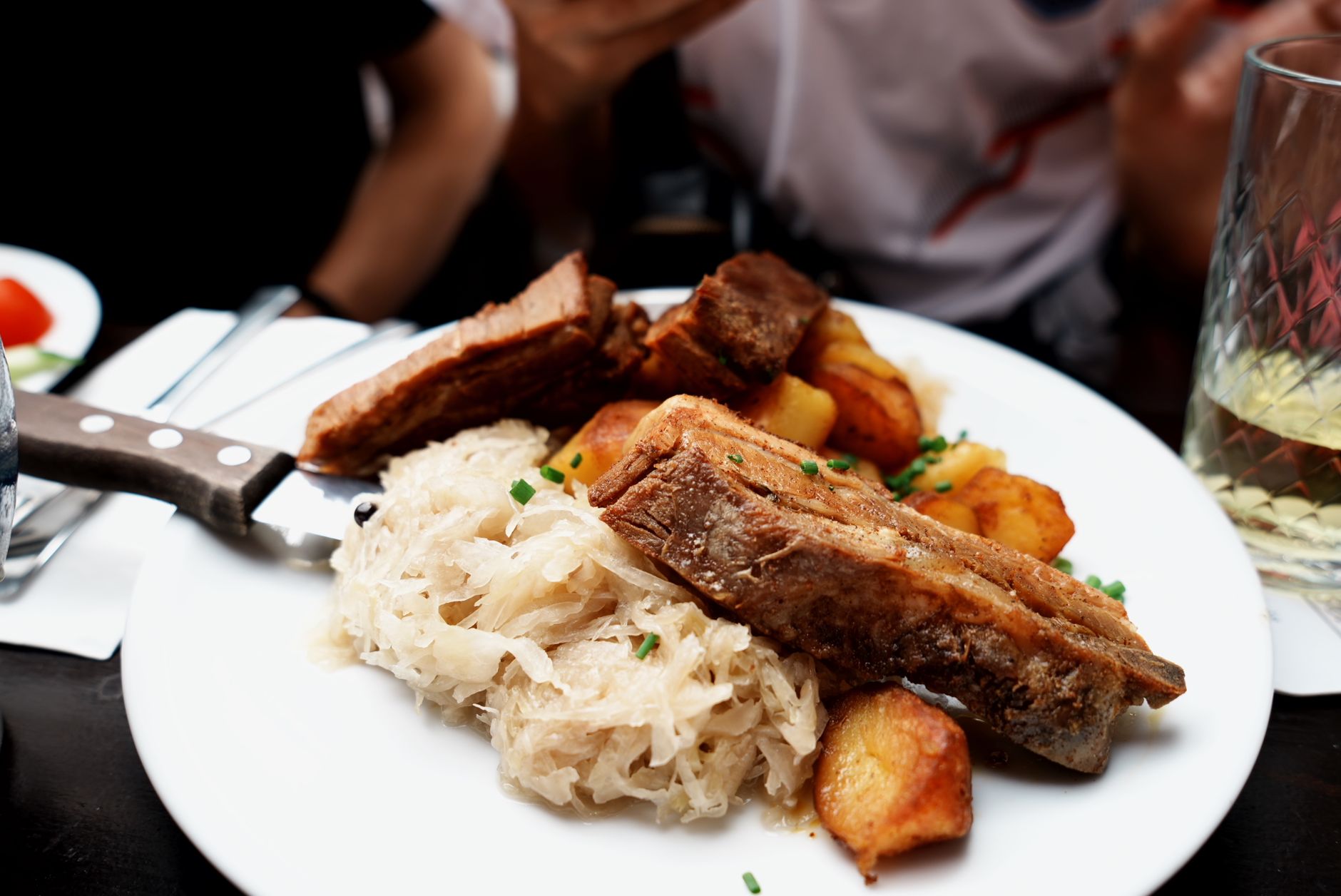
Lake trout, pike-perch, and Bodensee Felchen pan-fried in butter with parsley potatoes, served fresh at lakeside taverns along the promenade.
Cycling Routes in Bregenz Vorarlberg Austria
The paved Bodensee-Radweg loops around the lake, providing flat routes southwest into the Rhine delta nature reserve or north to Lindau.
Day Trips in Bregenz Vorarlberg Austria
The Bregenzerwald valley reveals striking timber architecture, alpine dairies in Schwarzenberg, and the Werkraum craft center in Andelsbuch.
Markets & Produce in Bregenz Vorarlberg Austria
Tuesday and Friday morning markets at Kornmarktplatz sell local Subirer schnapps, alpine blossom honey, cured speck, and seasonal berries.
Sacred Architecture in Bregenz Vorarlberg Austria
The Herz-Jesu church displays red-brick neo-Gothic spires, while Mehrerau Abbey operates an active Cistercian monastery with its own cellar.
Modern Architecture in Bregenz Vorarlberg Austria
Vorarlberg's timber-and-glass school of design is visible in the Festspielhaus, bus stops in Krumbach, and innovative urban public spaces.