Lubec.



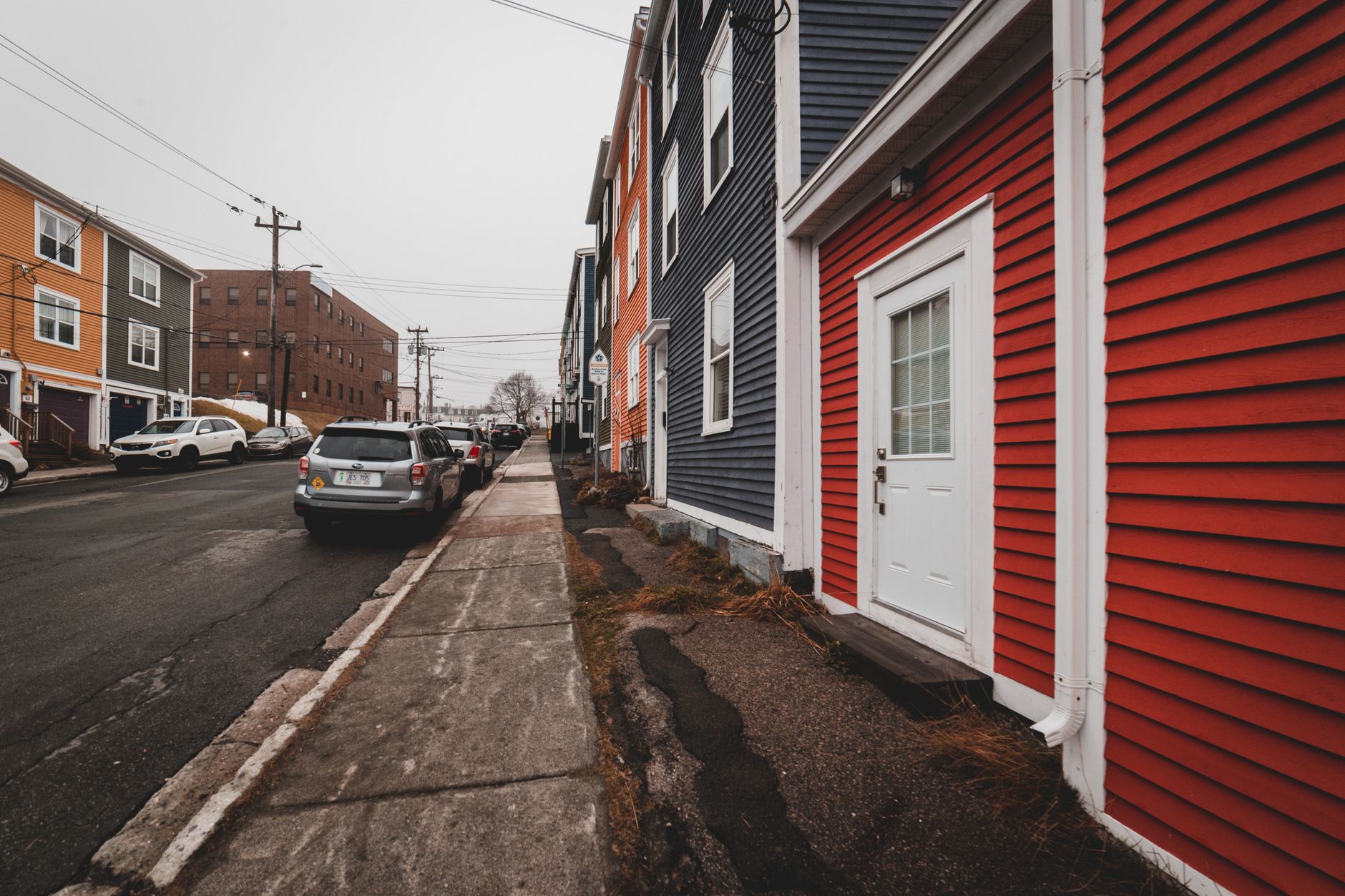
Lubec sits at the far eastern tip of Maine, roughly a two-hour drive east of Bangor along Route 1 and Route 189. It is known for West Quoddy Head Light and a deep heritage of herring smoking and cold-water lobstering. Lubec is worth visiting if you want fog-swept bog trails, fresh lobster off the boat, and the quiet rhythm of a working tidal border town. Look elsewhere if you want sandy swimming beaches, late-night dining, or polished resort amenities.
Last updated 20 Sept 2026
Build a Lubec itinerary.
Choose up to 4 threads that pull you in. Your plan arrives organised around them.
We'll craft a 4-lens plan for Lubec, one collapsible strand per lens.
Art & Galleries
Browse local oil paintings, relief prints, and woodcrafts inside small seasonal studios along Water Street and School Street.
Art & Galleries
Browse local oil paintings, relief prints, and woodcrafts inside small seasonal studios along Water Street and School Street.
Smoked Fish Heritage Walk
McCurdy's Smokehouse
Stroll down Water Street to America's last intact traditional herring smokehouse. Admission is free, volunteer-run, and takes forty-five minutes to browse the drying racks.
Editor TipLubec once processed a third of the nation's smoked herring, an unforgiving maritime trade of brine, woodsmoke, and cold sea air that shaped this harbour throughout the twentieth century. Wander next door into the local galleries on Water Street to view woodblock prints carved by Downeast artists.
Smoked Seafood and Ale
Cohill's Inn
Claim a table on Water Street for haddock chowder, smoked fish, and regional draft beer. Arrive by six to skip the evening rush.
Editor TipLubec once processed vast herring catches across dozens of smokehouses; the town's seaside pubs keep that salt-cured maritime heritage alive. Ask for a seat facing the channel to watch the ferocious tide rip past Campobello Island.
DownEast Woodcuts and Craft
Northern Tides Art and Gift Gallery
Step into this cooperative on Water Street to browse woodblock prints, woven blankets, and pottery. Allow forty minutes; open daily from 10:00 AM.
Editor TipMaintained by maritime artisans, the shop preserves regional craft traditions shaped by generations working along Passamaquoddy Bay. Ask about the spruce-block printmakers displayed on the back wall. The staff often know the artists personally.
Downeast Seafood by the Narrows
The Waco Diner
Walk right into Maine's oldest diner on Water Street. Order the fried whole-belly clams or grilled haddock, grab a harbor-facing booth, and settle in for under thirty dollars.
Editor TipEastport was once the sardine canning capital of North America; today, local fishermen tie up at the municipal breakwater just fifty paces from the griddle to offload the daily catch. Ask for the house blueberry pie before ordering dinner; when the wild Maine berry filling runs out, it is gone.
Coastal Walks
Trace the Coast Guard Trail and Coastal Plateau trail across mossy black spruce forest and sea cliffs inside West Quoddy Head State Park.
Coastal Walks
Trace the Coast Guard Trail and Coastal Plateau trail across mossy black spruce forest and sea cliffs inside West Quoddy Head State Park.
Hiking the Easternmost Cliffs
Quoddy Head State Park
Park by the candy-striped light and take the Coastal Trail. The rugged path takes about ninety minutes round-trip out to Gulliver's Hole, with no admission charge before nine.
Editor TipStanding on the easternmost edge of the United States, these jagged volcanic cliffs absorb the massive force of Bay of Fundy tides, which rise and fall twenty vertical feet every single day. Pack a windbreaker even in midsummer. That North Atlantic breeze cuts right through unearned optimism.
Cobble Beach Shoreline Walk
Mowry Beach Preserve
Walk the 1.2-mile path through cedar woods out to the gravel strand. Park at the end of Lubec Neck Road; the trail is free, flat, and open sunrise to sunset.
Editor TipThis 48-acre reserve protects a cobble beach and cattail marsh where weir fishermen dried cod nets against the massive Bay of Fundy tides. The Fundy fog rolls in fast. Pack a thick wool layer even in July; thin windbreakers surrender quickly here.
Clifftop Bog and Surf Trekking
Cutler Coast Public Reserved Land
Hike the three-mile Black Point loop from Route 191. Free parking sits at the trailhead; allow two hours for the root-strewn path, and lace up waterproof boots for the coastal peat bogs.
Editor TipCarved by post-glacial marine submersions, these jagged rhyolite cliffs anchor Maine's Bold Coast, where raised maritime peat bogs foster rare subarctic plants found nowhere else in the state. The cedar boardwalk across the bog turns slick under sea fog. Keep your hands out of your pockets.
Day Trips
Cross the Franklin Delano Roosevelt Bridge into Campobello Island to walk Roosevelt Campobello International Park and Head Harbour Light.
Day Trips
Cross the Franklin Delano Roosevelt Bridge into Campobello Island to walk Roosevelt Campobello International Park and Head Harbour Light.
Borderlands Print and Architecture Viewing
Tides Institute and Museum of Art
Drive north around the bay into Eastport. Admission is free; explore the former 1887 bank building to view contemporary print collections and regional graphic archives in about an hour.
Editor TipHoused in an 1887 Romanesque Revival granite bank, the institute documents cultural exchange along the Passamaquoddy borderland where Maine and New Brunswick meet across tidal narrows. Head up to the mezzanine gallery for good morning light and clear views across Friar Roads toward Campobello.
Note from the Editor
“Start before the morning fog lifts from the cliffs. You will have the headland paths completely to yourself, parking is effortless, and the bakery ovens downtown are still hot.”
The Bed
Where to stay in Lubec
Which part of town to book, and what each one costs you in walking, noise or quiet.
Places to stay
Central, well-rated and easy to find again. Distances are from the middle of town.
These links go to Booking.com and earn us a commission. They cost you nothing extra.
The Comparison
Lubec, or somewhere near it
The places you are realistically choosing between, and the honest case for each.
The Local Record
Where to read more about Lubec
The blogs, boards, guides and operators worth bookmarking.
What to do in Lubec Maine United States
Life in Lubec bends to the colossal tides of the Bay of Fundy. The compact downtown sits on a ridge above the Lubec Narrows, where lobster boats ride twenty-foot shifts in water level. Days start early at the lighthouse, move to quiet trail walks, and wind down over fresh seafood on Water Street. It suits independent travellers who prefer sea air, hiking boots, and quiet evenings.
24 hours in Lubec Maine United States
Catch dawn at West Quoddy Head Light, then walk the coastal bog trail. Head into town for a morning coffee on Water Street, cross the bridge to explore Roosevelt Campobello International Park by midday, and return for cold draft beer and a hot lobster roll overlooking the narrows. Select 1 Day above to see it.
2 days in Lubec Maine United States
Spend your second morning hiking the dramatic oceanfront cliffs of Cutler Coast, twenty minutes away on Route 191. Afterward, explore Lubec's nineteenth-century architectural lanes, pick up wild blueberry pie from a local baker, and eat fried haddock at a casual harbor tavern. Choose 2 Days to expand the plan.
3 days in Lubec Maine United States
A third day allows an unhurried ferry hop from Campobello over to Deer Island, or a boat charter to spot minke whales and puffins in Passamaquoddy Bay. In the afternoon, explore the quiet shoreline trails around Cobscook Bay State Park before a relaxed final dinner in town.
Lubec Maine United States itineraries by interest
Local Seafood in Lubec Maine United States
Eat whole steamed Maine lobster, soft-shell steamer clams with broth, and fried haddock served beside the working wharf along Water Street.
Coastal Walks in Lubec Maine United States
Trace the Coast Guard Trail and Coastal Plateau trail across mossy black spruce forest and sea cliffs inside West Quoddy Head State Park.
Maritime History in Lubec Maine United States
Tour the 1858 candy-striped lighthouse at West Quoddy Head and inspect preserved herring smokehouses along the Lubec Channel waterfront.
Day Trips in Lubec Maine United States
Cross the Franklin Delano Roosevelt Bridge into Campobello Island to walk Roosevelt Campobello International Park and Head Harbour Light.
Nature & Wildlife in Lubec Maine United States
Watch minke whales and bald eagles feeding in the Lubec Narrows, where twenty-foot Fundy tides sweep past the town breakwater daily.
Art & Galleries in Lubec Maine United States
Browse local oil paintings, relief prints, and woodcrafts inside small seasonal studios along Water Street and School Street.
Birdwatching in Lubec Maine United States
Spot nesting guillemots, common eiders, and migrating shorebirds along the pebble flats and coastal bogs of South Lubec Road.
Hiking in Lubec Maine United States
Hike the rugged, cliffside shoreline of Cutler Coast Public Reserved Land, located twenty minutes southwest along Route 191.
Local Produce in Lubec Maine United States
Pick up wild Maine blueberries in late summer, locally roasted coffee, and small-batch baked goods along downtown Water Street.
Island Hopping in Lubec Maine United States
Ride the seasonal car ferry from Campobello Island across Passamaquoddy Bay to Deer Island and mainland New Brunswick.
Photography in Lubec Maine United States
Frame red-and-white lighthouse stripes at sunrise, weathered cedar-shingle fish shacks, and dramatic low-tide mudflats at dusk.
Heritage Architecture in Lubec Maine United States
Walk past nineteenth-century sea captains' homes and Greek Revival church steeples framing the harbor slopes along Main Street.