Ambleside.


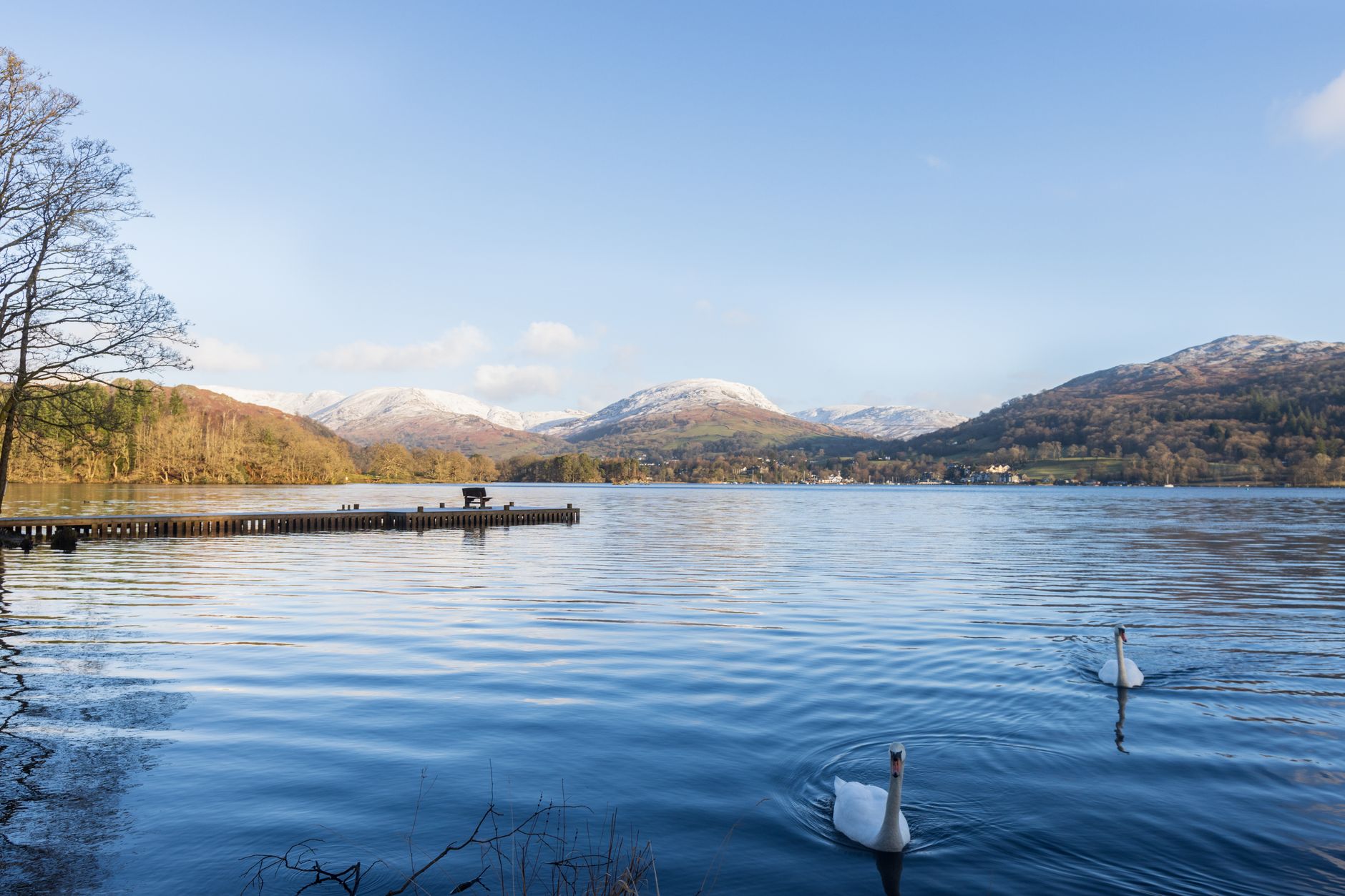


Ambleside sits five miles north of Windermere railway station, reached in twenty minutes on the 555 bus or two hours by road from Manchester. The town is built from dark Silurian slate and known for fell walking straight from the doorstep and a high concentration of independent dining. Ambleside is worth visiting if you want direct trail access to high ridges like Fairfield alongside honest pints of local bitter. Look elsewhere if you want late-night clubbing, reliably dry weather, or flat terrain that spares your knees.
Last updated 27 Oct 2026
Build a Ambleside itinerary.
Choose up to 4 threads that pull you in. Your plan arrives organised around them.
The Bed
Where to stay in Ambleside
Which part of town to book, and what each one costs you in walking, noise or quiet.
The Comparison
Ambleside, or somewhere near it
The places you are realistically choosing between, and the honest case for each.
The Local Record
Where to read more about Ambleside
The blogs, boards, guides and operators worth bookmarking.
What to do in Ambleside Cumbria United Kingdom
Ambleside is shaped around slate-fronted outdoor shops, stone-walled lanes, and the steady rush of Stock Ghyll. Days here start with boot-lacing over morning coffee and revolve around navigating ridge lines, browsing specialist map shops, or sheltering in oak-beamed rooms. It suits independent walkers, couples who appreciate good regional cooking, and anyone who prefers lace-up boots to resort lounging.
24 hours in Ambleside Cumbria United Kingdom
Start early with the two-hour loop up Loughrigg Fell for valley views, then head down into Market Place for potted shrimps or a Cumberland sausage roll. Spend the afternoon strolling twenty minutes south to Waterhead Pier before settling in at the Golden Rule pub for cask ale and a plate of local charcuterie. Select 1 Day above to see it.
2 days in Ambleside Cumbria United Kingdom
Day two adds the steep climb over Kirkstone Pass toward the quiet reaches of Patterdale, or a walk north along the River Rothay to Grasmere for gingerbread. Reward the day's muddy mileage with an evening reservation on Church Street for aged Herdwick lamb and regional butter sauces. Choose 2 Days to expand the plan.
3 days in Ambleside Cumbria United Kingdom
A third day lets you tackle the full eight-ridge Fairfield Horseshoe without checking your watch, or catch a wooden ferry south across Windermere toward Claife Heights and the quiet western shore. Finish with a late matinee at Zeffirellis and an unhurried pint of local porter.
Ambleside Cumbria United Kingdom itineraries by interest
Hiking in Ambleside Cumbria United Kingdom
Climb the Fairfield Horseshoe from Rydal Road or tackle Loughrigg Fell for slate quarries, damp bracken, and panoramic views over Rydal Water.
Pub Culture in Ambleside Cumbria United Kingdom
Drink pints of Coniston Bluebird bitter beside stone fireplaces at the Golden Rule or find cask ales at the Royal Oak after wet descent off the fells.
Regional Cooking in Ambleside Cumbria United Kingdom
Sample traditional Cumberland coil sausages, potted Morecambe Bay brown shrimps on hot toast, and sticky toffee pudding spiced with ginger.
Fine Dining in Ambleside Cumbria United Kingdom
Book well ahead for tasting menus at Old Stamp House or Lake Road Kitchen, focusing on aged Herdwick hogget, foraged pine, and Cumbrian cheeses.
Historic Architecture in Ambleside Cumbria United Kingdom
Examine the seventeenth-century Bridge House straddling Stock Ghyll, built on slate to avoid land tax, and the stone mills along the stream.
Lake Cruising in Ambleside Cumbria United Kingdom
Board heritage timber launches and steam vessels at Waterhead Pier, navigating south past woodland estates to Bowness and Lakeside.
Ancient History in Ambleside Cumbria United Kingdom
Walk south to Borrans Park to trace the stone foundations and granary ditches of Galava, a second-century Roman fort built under Hadrian.
Literary Heritage in Ambleside Cumbria United Kingdom
Walk one mile north to Rydal Mount, where William Wordsworth designed terraced gardens and spent thirty-seven years writing verse.
Waterfalls & Woodlands in Ambleside Cumbria United Kingdom
Follow the waymarked trail behind the town up Stock Ghyll Force, a seventy-foot cascade cutting through Victorian oak and larch woodlands.
Mountain Passes in Ambleside Cumbria United Kingdom
Drive or cycle the steep Kirkstone Pass along the A592, rising nearly fifteen hundred feet through scree slopes to the ancient summit inn.
Outdoor Gear in Ambleside Cumbria United Kingdom
Browse Compston Road and Market Place for waterproof layers, fell running shoes, OS maps, and boot re-soling from veteran gear shops.
Cinema & Arts in Ambleside Cumbria United Kingdom
Catch independent films and live music inside Zeffirellis and Fellinis, pairing screenings with dedicated vegetarian and Mediterranean menus.