Antofagasta.


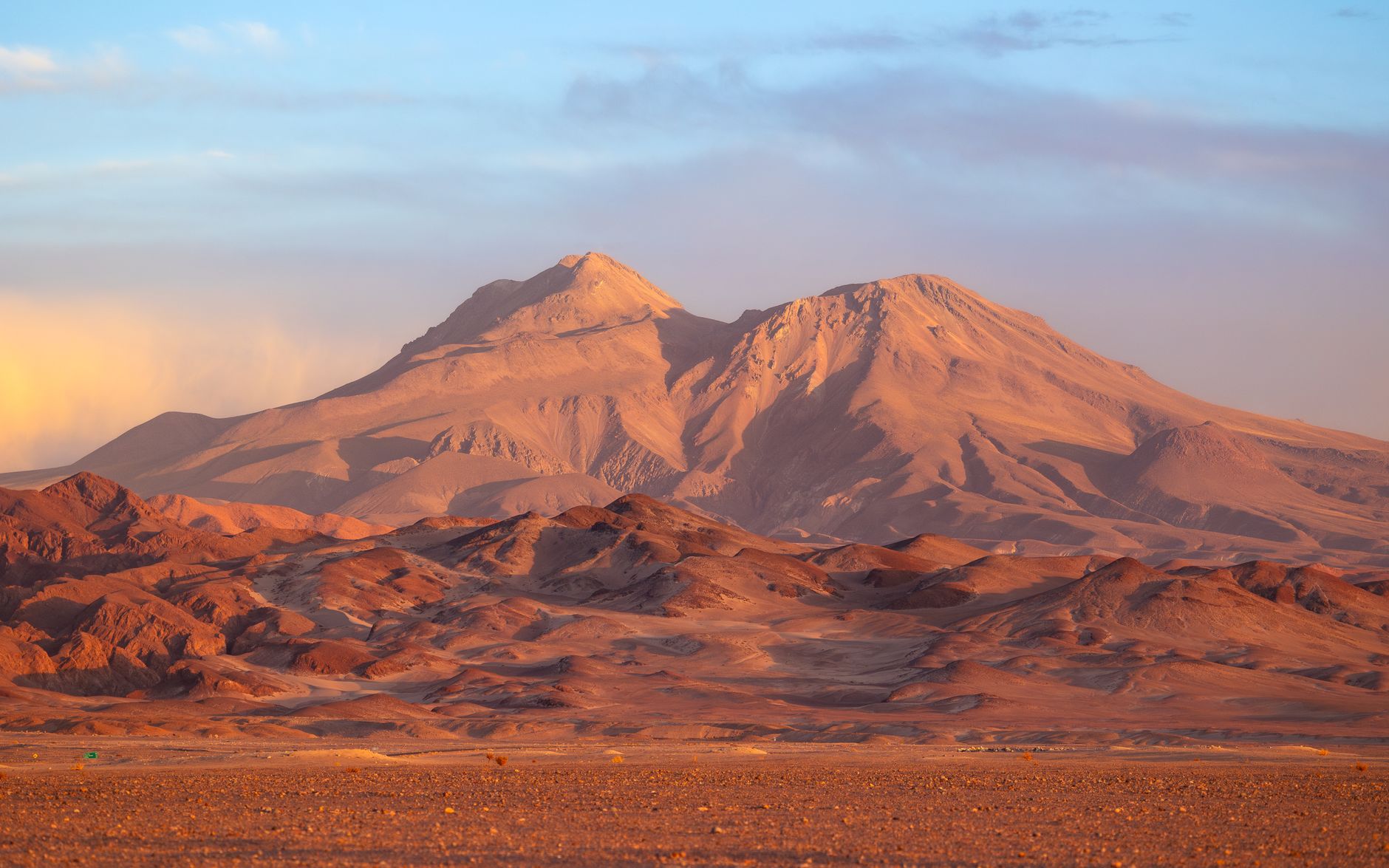


Antofagasta sits two hours by air north of Santiago on the edge of the Atacama, where copper rail lines meet the cold Pacific current. It is known for working fish docks and industrial mining heritage rather than manicured resort charm. Antofagasta is worth visiting if you want fresh erizos and reineta straight off morning fishing boats alongside sprawling desert rail history. Look elsewhere if you want walkable colonial plazas, verdant city parks, or warm swimming water.
Last updated 10 Oct 2026
Build a Antofagasta itinerary.
Choose up to 4 threads that pull you in. Your plan arrives organised around them.
The Bed
Where to stay in Antofagasta
Which part of town to book, and what each one costs you in walking, noise or quiet.
The Comparison
Antofagasta, or somewhere near it
The places you are realistically choosing between, and the honest case for each.
The Local Record
Where to read more about Antofagasta
The blogs, boards, guides and operators worth bookmarking.
What to do in Antofagasta Antofagasta Chile
Antofagasta stretches along a narrow strip between the sheer coastal scarp and the ocean. Life here revolves around the working port and maritime trade rather than tourist itineraries. Travellers who enjoy unpolished industrial cities will appreciate the raw energy of the fish docks, the stark desert surroundings, and the unpretentious cevicherías operating along the shoreline.
24 hours in Antofagasta Antofagasta Chile
Start early at Terminal Pesquero for sea urchin and steaming paila marina. Walk ten minutes to Plaza Colón and the old customs house, then spend your afternoon at the Huanchaca smelter ruins before watching the sunset over La Portada arch eighteen kilometres north. Select 1 Day above to see it.
2 days in Antofagasta Antofagasta Chile
Spend your second morning driving seventy-five kilometres south through the silent Atacama to the Mano del Desierto sculpture. Head back to the southern waterfront for a lunch of grilled corvina at Balneario Municipal, followed by an evening walk along the breezy Costanera. Choose 2 Days to expand the plan.
3 days in Antofagasta Antofagasta Chile
A third day allows an easy sixty-kilometre excursion north along Route 1 to Mejillones. Track pelicans and sea lions along the bay, inspect the old railway workshop, and stop for fried congrio at a beachside shack in Hornitos on your return journey.
Antofagasta Antofagasta Chile itineraries by interest
Local Seafood in Antofagasta Antofagasta Chile
Order fresh sea urchin erizos, fried reineta, and pailas marinas at the bustling Terminal Pesquero, eaten elbow-to-elbow with dockworkers by noon.
Maritime History in Antofagasta Antofagasta Chile
Inspect nineteenth-century steam relics at the historic railway station and the preserved ex-Aduana customs house overlooking the old port docks.
Desert Landscapes in Antofagasta Antofagasta Chile
Drive south on Route 5 to stand before the eleven-metre Mano del Desierto sculpture rising out of barren Atacama gravel under open skies.
Coastal Geology in Antofagasta Antofagasta Chile
Walk the clifftop paths eighteen kilometres north of town to photograph La Portada, a towering natural arch carved from coastal sandstone.
Industrial Heritage in Antofagasta Antofagasta Chile
Roam the stone ruins and modern museum at the Huanchaca silver smelter, a sprawling 1888 industrial complex set above the southern suburbs.
Markets & Produce in Antofagasta Antofagasta Chile
Navigate the morning market stalls at Mercado Central for northern olives, local pica lemons, and warm empanadas de mariscos made to order.
Coastal Walks in Antofagasta Antofagasta Chile
Stroll the seaside Costanera pathway past Balneario Municipal and the yacht club as pelicans dive along the rocky Pacific surf at sundown.
Public Squares in Antofagasta Antofagasta Chile
Sit beside the replica Big Ben clock tower in Plaza Colón, where shaded benches offer a quiet break from the bright northern desert light.
City Viewpoints in Antofagasta Antofagasta Chile
Ascend the winding road up Cerro El Ancla for an expansive panoramic view over the shipping harbour, rail yards, and desert mountain backdrop.
Regional Archaeology in Antofagasta Antofagasta Chile
Examine pre-Columbian textiles, Chinchorro fishing gear, and maritime artefacts inside the Museo Regional housed in the former customs building.
Day Trips in Antofagasta Antofagasta Chile
Take Route 1 north toward the quiet fishing coves of Mejillones and the protected wildlife reserve at Hornitos for undisturbed coastal bluffs.
Street Food in Antofagasta Antofagasta Chile
Grab hot sopaipillas smeared with spicy pebre or fresh fish sandwiches from the food carts parked near Puerto Seco during the midday rush.