Arad.


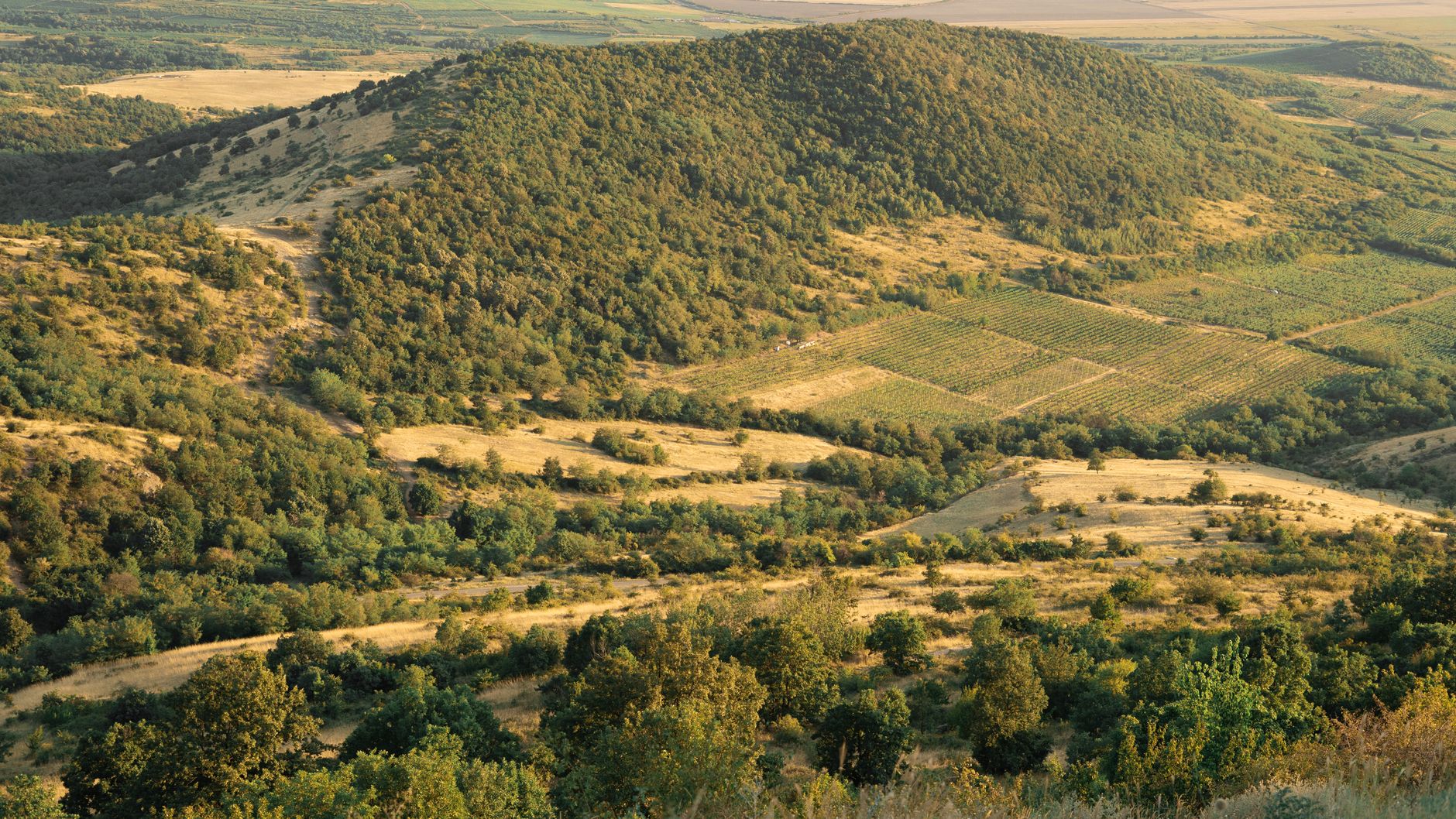


Arad sits on a desert ridge forty-five minutes east of Be'er Sheva along Route 31, known for dry plateau air, quiet residential grids, and archaeological ruins. Arad is worth visiting if you want early access to the western ramp of Masada and Bronze Age ruins without the Dead Sea resort bus crowds. Look elsewhere if you want lively nightlife, historic stone quarters, or a walkable seaside promenade.
Last updated 3 Nov 2026
Build a Arad itinerary.
Choose up to 4 threads that pull you in. Your plan arrives organised around them.
The Bed
Where to stay in Arad
Which part of town to book, and what each one costs you in walking, noise or quiet.
The Comparison
Arad, or somewhere near it
The places you are realistically choosing between, and the honest case for each.
The Local Record
Where to read more about Arad
The blogs, boards, guides and operators worth bookmarking.
What to do in Arad Southern District Israel
Arad is a quiet, planned desert town perched on a breezy ridge 600 metres above sea level. Life here moves at an unhurried residential pace, centred on modest commercial plazas, an arts quarter in reclaimed workshops, and cool evening air. It functions best as an unpretentious, restful base for walkers and history enthusiasts exploring the Judean wilderness.
24 hours in Arad Southern District Israel
Start at sunrise by taking Route 3199 twenty minutes west to scale Masada via the gentle Roman ramp. Return to town for fresh hummus and pickles along Yehuda Street, then spend two afternoon hours exploring the Bronze Age citadel and temple at Tel Arad before watching the desert glow from the Moav observation terrace. Select 1 Day above to see it.
2 days in Arad Southern District Israel
Spend day two in the Eshet Lot artists quarter visiting working studios and sipping cold local wine. Later, descend the twisting switchbacks of Route 31 for an afternoon float in the salt water at Ein Bokek, returning up the mountain before dark for roasted lamb and warm flatbread under the cool Arad breeze. Choose 2 Days to expand the plan.
3 days in Arad Southern District Israel
A third day allows an early morning hike down Nahal Tze'elim canyon, scrambling past dry waterfalls and limestone bluffs. Follow it with a slow afternoon touring Bedouin cultural sites around Zarzir or sampling date spreads and olive oil at outlying farm stands along the northern fringe of the Negev.
Arad Southern District Israel itineraries by interest
Desert Hiking in Arad Southern District Israel
Follow trail blazes across Nahal Tze'elim or the Moav viewpoint ridge down into chalky wadis where morning shade holds until ten.
Ancient Ruins in Arad Southern District Israel
Explore Tel Arad to see the lower Early Bronze Age city walls and the upper Iron Age fortress containing an intact Judean temple.
Fortress History in Arad Southern District Israel
Drive route 3199 to Masada's western gate to climb the Roman assault ramp at sunrise well ahead of the tour buses from the Dead Sea.
Local Wine in Arad Southern District Israel
Taste Chenin Blanc and Syrah grown in arid loess soil at boutique desert tasting rooms along the fringes of the industrial zone.
Craft Workshops in Arad Southern District Israel
Wander the Eshet Lot artists quarter, where converted industrial hangars house kiln glassmakers, ceramicists, and metal sculptors.
Bedouin Culture in Arad Southern District Israel
Drink cardamom coffee and eat fresh saj bread at traditional tent encampments scattered along the rolling ridges toward Tel Arad.
Bakery Stops in Arad Southern District Israel
Pick up warm za'atar flatbread, yeasted rugelach, and braided challah on Friday mornings from small neighbourhood bakeries in town.
Scenic Drives in Arad Southern District Israel
Navigate Route 3199 winding through empty desert hills toward the western cliffs or drop down the switchbacks of Route 31 to the sea.
Modern Art in Arad Southern District Israel
Visit the Arad Contemporary Art Center and Gideon Friedmann Glass Museum for installations crafted from salvaged desert materials.
Market Stalls in Arad Southern District Israel
Stock up on Medjool dates, raw tahini, cured olives, and seasonal citrus at the small weekly open-air market near the central bus hub.
Geological Sights in Arad Southern District Israel
Walk the dry limestone riverbed of Nahal Tavya to spot flint nodules, desert crust formations, and seasonal flash flood channels.
Stargazing in Arad Southern District Israel
Head ten minutes past the town perimeter onto the quiet desert plateau for clear night skies free of urban light pollution.