


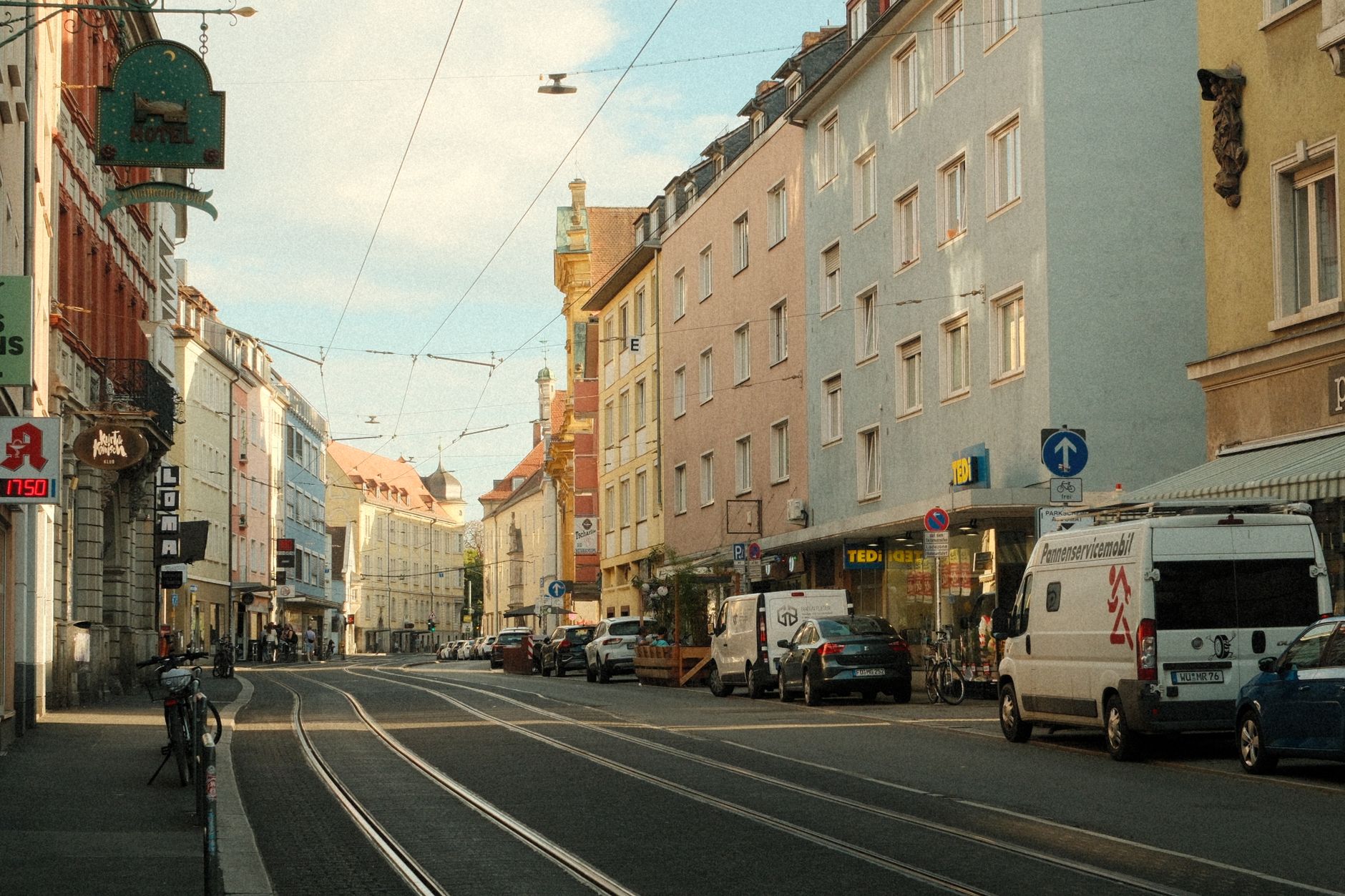
Augsburg sits thirty minutes west of Munich by direct ICE train, founded by the Romans and enriched by Renaissance merchant dynasties. The town is defined by grand patrician palaces, centuries of canal engineering, and the historic Fuggerei estate. Augsburg is worth visiting if you want Renaissance architecture, quiet canal walks, and layered merchant history without Munich crowds. Look elsewhere if you want raucous nightlife or alpine hiking trails right outside your hotel door.
Last updated 17 Sept 2026
Build a Augsburg itinerary.
Choose up to 4 threads that pull you in. Your plan arrives organised around them.
We'll craft a 1-lens plan for Augsburg, one collapsible strand per lens.
Social History
Walk the 1521 Fuggerei, the world's oldest social housing complex, where rent remains one Rhenish guilder a year plus three daily prayers.
Social History
Walk the 1521 Fuggerei, the world's oldest social housing complex, where rent remains one Rhenish guilder a year plus three daily prayers.
Touring Renaissance Social Housing
Fuggerei
Enter through the gate on Jakoberstraße. Tickets cost under ten euros at the turnstile; give yourself ninety minutes to explore the museum flat and WWII bunker.
Editor TipFounded in 1521 by merchant Jakob Fugger, this walled enclave still houses needy Catholic citizens for the nominal rent of eighty-eight cents and three daily prayers. Look at the cast-iron doorbells; each has a unique shape designed so residents could identify their doors in pitch darkness.
Examining Guild Power at Rathaus
Augsburger Rathaus
Buy the combined ticket for the Golden Hall at the reception desk. Climb to the upper tier and spend forty-five minutes inspecting the carved pine ceiling.
Editor TipCompleted in 1620 by Elias Holl, this civic headquarters proclaimed the supremacy of an imperial free city governed by its wealthy burghers rather than bishops. Walk across Rathausplatz first to gauge the sheer scale of the facade against the pedestrian street life below.
Market Hall Leberkäse Breakfast
Stadtmarkt Augsburg
Head into the Fleischhalle for a warm Leberkässemmel with sweet mustard, then grab coffee in the courtyard. Budget five euros and forty minutes.
Editor TipTrading here since 1930, this covered market remains the culinary living room for shopkeepers, shift workers, and pensioners debating bread crusts. Cash is king at the butcher counters; do not attempt card payment for a two-euro roll.
Tracing Historic Artisan Canals
Lechviertel
Wander the narrow lanes along the Vorderer Lech canal to see preserved waterwheels and weaver cottages. Free to explore; allow ninety minutes.
Editor TipThese swift medieval channels once powered tanners, smiths, and weavers, creating an engineered social fabric that earned UNESCO status in 2019. Start at the Holbein House and walk south along the water to dodge delivery vans.
Textile Mill History Tour
Staatliches Textilmuseum Augsburg
Open Tuesday to Sunday until 18:00. Entry is five euros. Allow ninety minutes to inspect the restored machinery and working-class domestic exhibits.
Editor TipTextile manufacturing defined modern Augsburg, turning quiet canal workshops into Bavaria's industrial powerhouse through nineteenth-century mill labor. Catch the loom demonstrations on the hour to hear how deafening factory floors were.
Wood-Fired Hearth Loaf
Klosterbäckerei Oberschönenfeld
Walk in for a steaming wedge of sourdough baked in century-old wood ovens. Pay three euros in cash at the counter and take your crust to the timber bench outside.
Editor TipFor centuries, communal ovens sustained rural Swabian farming settlements, anchoring daily village sustenance through strict guild recipes and slow-fermented rye. Arrive by nine before the morning batch of caraway rye sells out to local villagers.
Rural Domestic Life Exhibits
Museum Oberschönenfeld
Buy a four-euro ticket at the converted abbey stables. Spend two hours walking through preserved nineteenth-century peasant rooms, textile looms, and washhouses.
Editor TipUnlike grand municipal galleries, this site preserves the material history of Swabian day labourers, maidservants, and weavers who fed the region during early industrialisation. Pick up the English gallery sheet at reception; the wall texts are strictly in German.
Communal Tavern Dining
Klosterstüble Oberschönenfeld
Walk across the courtyard into the vaulted hall. Order the braised Sauerbraten with egg Spätzle and a dunkel beer. Expect mains around eighteen euros.
Editor TipBavarian abbey taverns operated as communal anchors where field hands, parish priests, and visiting weavers shared identical pine tables and stoneware mugs. Arrive right at six to claim a quiet perimeter table before the local card clubs fill the centre.
Wildcards
Worth your time whatever brought you here.
Wildcards
Worth your time whatever brought you here.
Traditional Swabian Tavern Dining
Gasthaus Bauerntanz
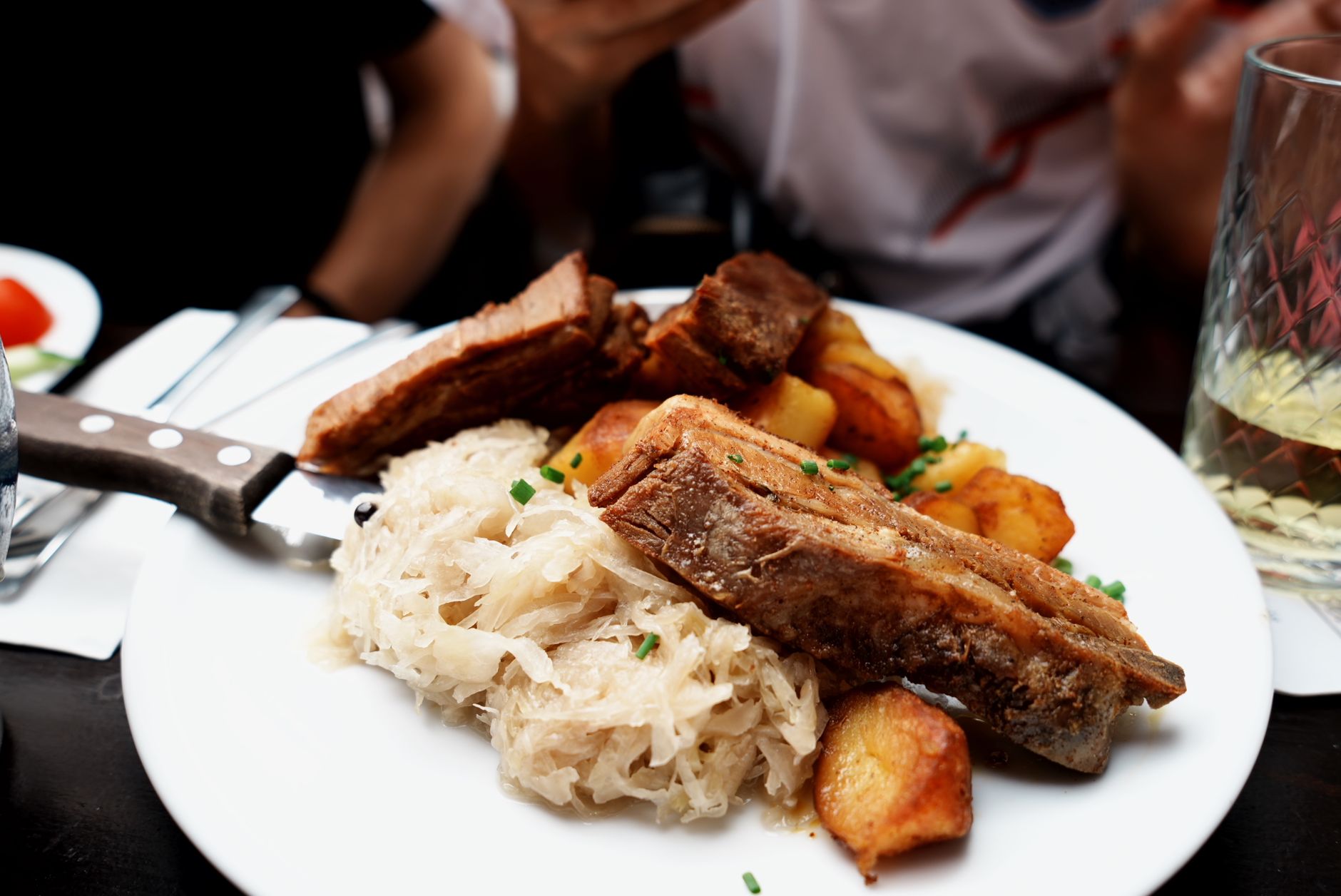
Book a wood-panelled booth a day ahead. Order the hand-scraped Allgäu Käsespätzle with browned onions and a half-litre of cold local Kellerbier.
Editor TipFeeding craftsmen since 1572 in the old artisan district, this tavern preserves the sturdy carb-heavy cooking that sustained Augsburg's textile workers through long Alpine winters. Ask for extra braised onions on the Spätzle; the kitchen obliges without fuss.
Historic Guild Tavern Supper
Bauerntanz
Arrive before seven for an open table. Order handmade Kässpatzen and a draft dunkel, then settle in for an unhurried two hours.
Editor TipOperating in the Lechviertel since 1572, this wood-paneled room sustained neighborhood weavers and artisans with affordable communal meals. Grab a bench by the tiled stove at the back away from the drafty entrance.
Note from the Editor
“Get to the Fuggerei gates right at opening to hear the bells without tour groups. Buy your Rathaus ticket on-site without queueing; mornings in the old centre reward early walkers before midday crowds build.”
The Bed
Where to stay in Augsburg
Which part of town to book, and what each one costs you in walking, noise or quiet.
Places to stay
Central, well-rated and easy to find again. Distances are from the middle of town.
These links go to Booking.com and earn us a commission. They cost you nothing extra.
The Comparison
Augsburg, or somewhere near it
The places you are realistically choosing between, and the honest case for each.
The Local Record
Where to read more about Augsburg
The blogs, boards, guides and operators worth bookmarking.
What to do in Augsburg Bavaria Germany
Augsburg stretches out along the Lech and Wertach rivers, centred on the broad spine of Maximilianstrasse. Days here move comfortably between Renaissance civic halls, quiet watercourses in the old craftsmen quarters, and bustling market stalls. It suits travellers who appreciate layered history, solid Swabian cooking, and peaceful walks without the tour buses.
24 hours in Augsburg Bavaria Germany
Start morning in the Golden Hall of the Rathaus, then walk five minutes to the serene Fuggerei. Lunch on a Leberkäse semmel at the Stadtmarkt before following the Lech canals through the Ulrichsviertel. Finish with Käsespätzle and a Riegele beer at a Rathausplatz tavern. Select 1 Day above to see it.
2 days in Augsburg Bavaria Germany
A second day lets you tour the Schaezlerpalais and the Cathedral's eleventh-century stained glass. Spend the afternoon in the Textile Museum's restored mill, then cross into the quiet Lechviertel for roast duck and plum cake at a neighbourhood Gasthaus. Choose 2 Days to expand the plan.
3 days in Augsburg Bavaria Germany
With three days, take a short morning bus out to the baroque pilgrimage church of Maria Stern or stroll the Siebentischwald forest. Rent a bicycle to trace the outer river dams, followed by an unhurried marionette performance at the Puppenkiste.
Augsburg Bavaria Germany itineraries by interest
Social History in Augsburg Bavaria Germany
Walk the 1521 Fuggerei, the world's oldest social housing complex, where rent remains one Rhenish guilder a year plus three daily prayers.
Urban Waterways in Augsburg Bavaria Germany
Follow the Lech canals through the Ulrichsviertel, exploring medieval water towers and historic mills that earned UNESCO recognition.
Renaissance Art in Augsburg Bavaria Germany
Visit the Schaezlerpalais ballroom with its gilded mirrors, and view altarpieces by Holbein the Elder inside the Diocesan Museum.
Traditional Baking in Augsburg Bavaria Germany
Order warm Zwetschgendatschi plum tart at a bakery on Maximilianstrasse, spiced with cinnamon and baked on yeast or shortcrust dough.
Tavern Dining in Augsburg Bavaria Germany
Eat tender Allgäuer Käsespätzle and roasted pork knuckle alongside local Riegele draft beer in wood-panelled dining rooms.
Sacred Architecture in Augsburg Bavaria Germany
Admire Romanesque stained glass at the High Cathedral and the twin onion domes of the Basilica of Saints Ulrich and Afra.
Public Markets in Augsburg Bavaria Germany
Browse the Stadtmarkt on Fuggerstrasse for Bavarian mountain cheeses, smoked sausages, hot Leberkäse rolls, and fresh orchard produce.
Puppetry Traditions in Augsburg Bavaria Germany
Tour the Augsburger Puppenkiste marionette theatre in the historic Heilig-Geist-Spital, operating handcrafted puppets since 1948.
Grand Palaces in Augsburg Bavaria Germany
Step into the Town Hall's Golden Hall, rebuilt with carved timber ceilings, gold leaf, and murals celebrating Imperial Free City power.
Brewery Heritage in Augsburg Bavaria Germany
Tour Brauhaus Riegele near the main station or sit in a chestnut-shaded beer garden drinking Kellerbier served in ceramic steins.
Textile Heritage in Augsburg Bavaria Germany
Explore the State Museum of Textile and Industry in a nineteenth-century spinning mill along the Senkelbach canal.
Green Spaces in Augsburg Bavaria Germany
Stroll the quiet paths of the Botanical Garden or head south into the Siebentischwald forest along clear water channels.