

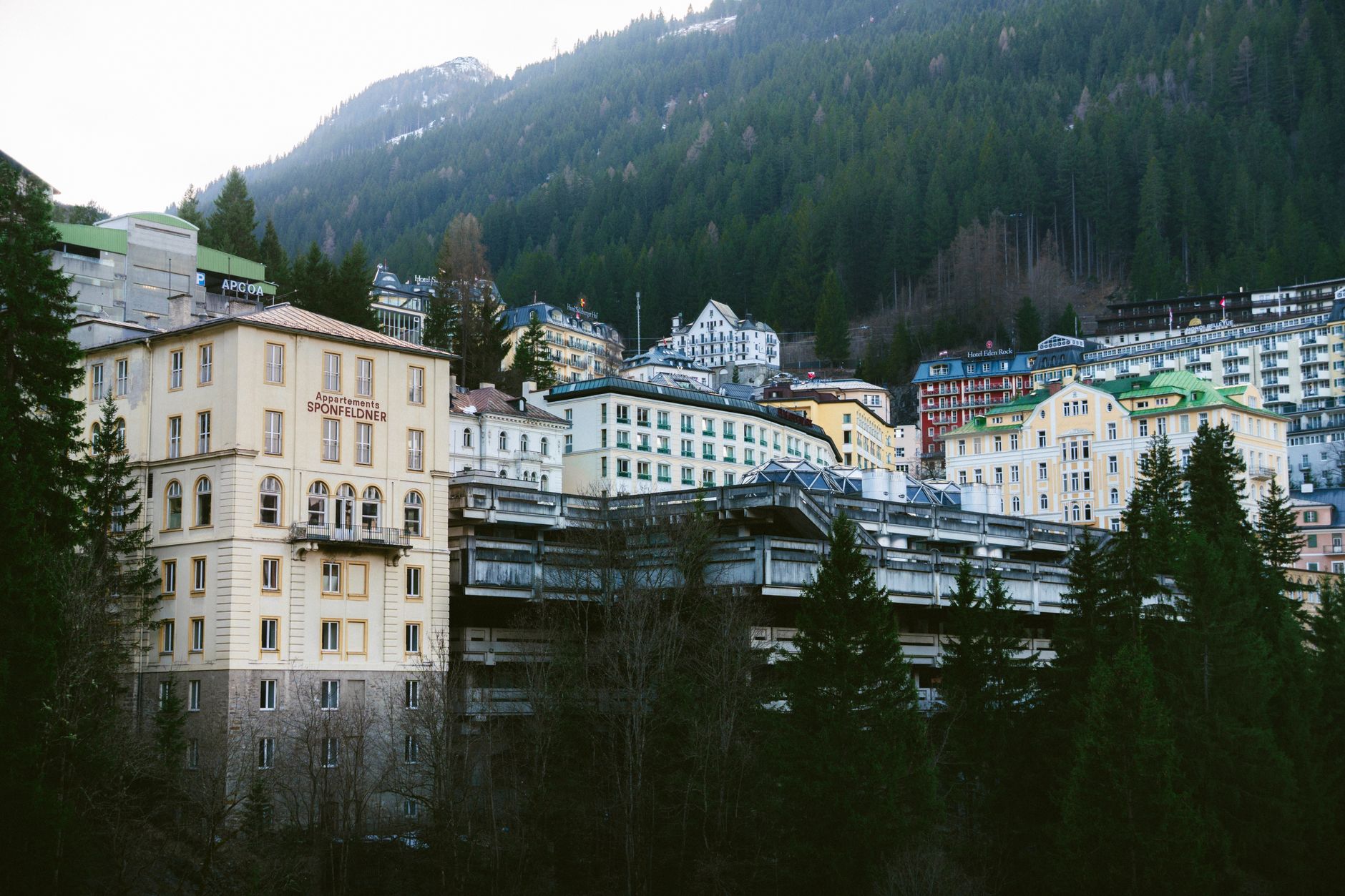
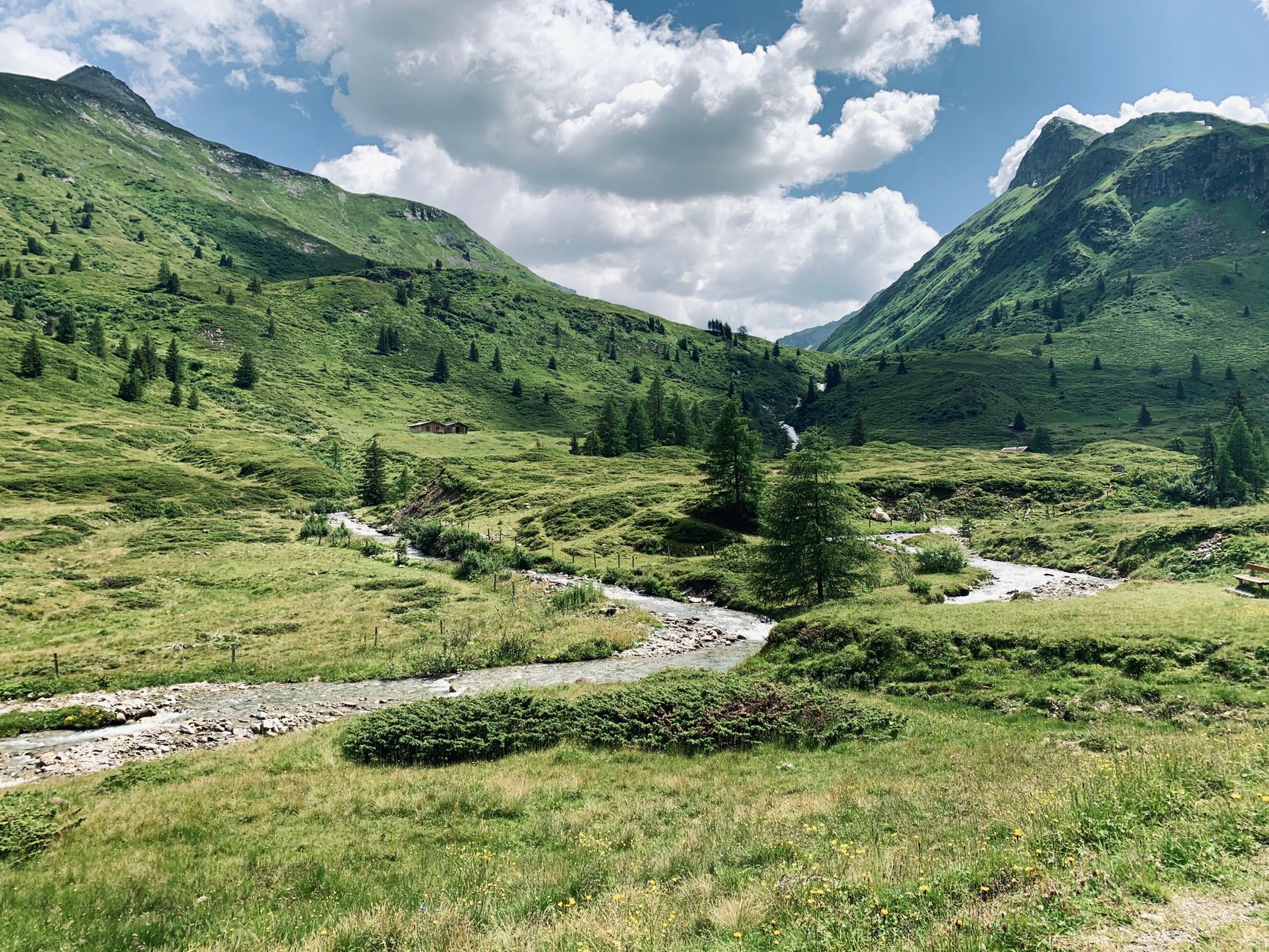
Bad Gastein sits ninety minutes south of Salzburg by direct train in the High Tauern range. It is known for its Belle Époque grand hotels stacked sheer against granite cliffs and a glacial waterfall crashing straight through the town centre. Bad Gastein is worth visiting if you want historic thermal baths, vertical Alpine architecture, and high mountain trails. Look elsewhere if you need flat strolls, warm swimming lakes, or cheap resort dining.
Last updated 21 Nov 2026
Build a Bad Gastein itinerary.
Choose up to 4 threads that pull you in. Your plan arrives organised around them.
The Bed
Where to stay in Bad Gastein
Which part of town to book, and what each one costs you in walking, noise or quiet.
The Comparison
Bad Gastein, or somewhere near it
The places you are realistically choosing between, and the honest case for each.
The Local Record
Where to read more about Bad Gastein
The blogs, boards, guides and operators worth bookmarking.
What to do in Bad Gastein Salzburg Austria
The town is built vertically on both sides of the Gasteiner Ache gorge, making strong calves mandatory. Days revolve around crisp high-altitude hikes, thermal pool soaks, and afternoon coffee in former grand ballrooms. It suits travellers who appreciate dramatic topography, faded nineteenth-century resort glamour, and vigorous mountain air without the cookie-cutter polish of standard ski towns.
24 hours in Bad Gastein Salzburg Austria
Walk down the steep Wasserfallweg to watch the falls churn past old bathhouses, then hike the shaded Kaiser-Wilhelm-Promenade. Refuel with Kasnocken at a valley Wirtshaus. Spend the late afternoon soaking at Felsentherme before an evening schnitzel on Kaiser Franz Josef Strasse. Select 1 Day above to see it.
2 days in Bad Gastein Salzburg Austria
Ride the Stubnerkogel cable car for high ridgeline views, then take the local bus into the peaceful Kötschachtal. Have lunch at the historic Gasthof Prossau on alpine trout and venison sausage, finishing with a walk through ancient stone pines on the Graukogel. Choose 2 Days to expand the plan.
3 days in Bad Gastein Salzburg Austria
Take the high toll road up to Sportgastein for walks across the Nassfeld basin beneath glaciated peaks, stopping at a summer Alm for fresh mountain cheese. In the afternoon, explore the gold mining history and radon galleries at the Heilstollen in Böckstein.
Bad Gastein Salzburg Austria itineraries by interest
Thermal Baths in Bad Gastein Salzburg Austria
Felsentherme draws radon-rich spring water straight through granite rock, while the historic thermal springs feed vapor baths in the canyon.
Alpine Hiking in Bad Gastein Salzburg Austria
The Graukogel trail leads through ancient Swiss stone pine forests, while paths from Stubnerkogel cross a steel suspension bridge at altitude.
Historic Architecture in Bad Gastein Salzburg Austria
Multistorey nineteenth-century Belle Époque sanitariums and the Grand Hotel de l'Europe hug the cliffs along the steep Kaiser Franz Josef Strasse.
Waterfalls & Gorges in Bad Gastein Salzburg Austria
The Gasteiner Wasserfall drops over two hundred metres directly through town, with viewing bridges crossing the spray along the Wasserfallweg.
Tavern Dining in Bad Gastein Salzburg Austria
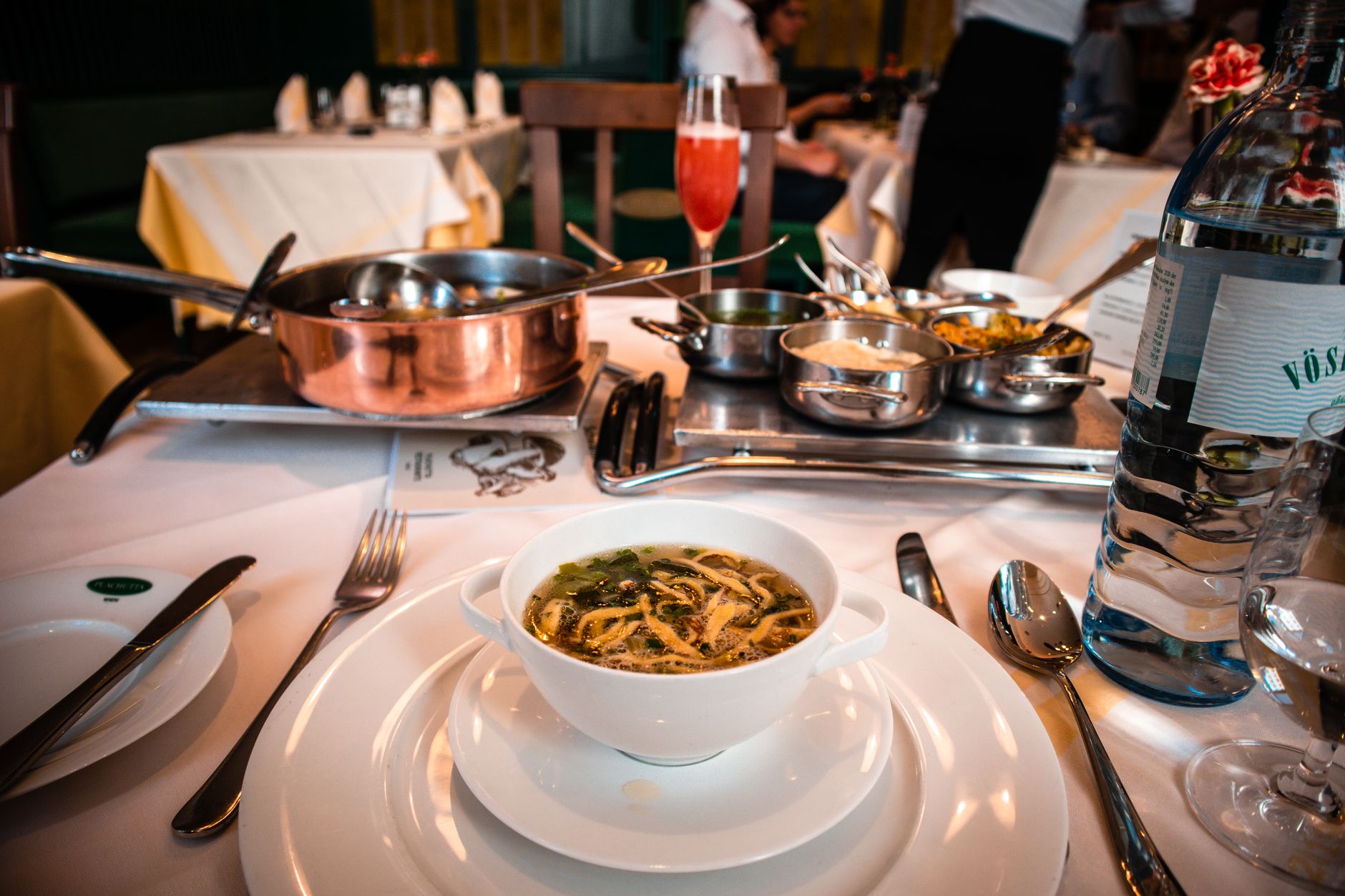
Order Kasnocken with mountain cheese and roasted onions or venison ragout at rustic Gasthöfe tucked along the high valley trails.
Winter Sports in Bad Gastein Salzburg Austria
The Schlossalm-Angertal-Stubnerkogel ski circuit links twenty-four lifts across varied terrain, with off-piste routes down Sportgastein.
Valley Walks in Bad Gastein Salzburg Austria
The Kaiser-Wilhelm-Promenade follows a gentle, level contour path toward the Kötschachtal, shaded by pine trees with views across the valley.
Day Trips in Bad Gastein Salzburg Austria
Sportgastein at the end of the toll road offers high-altitude plateau walking, glacial views, and rustic alpine dairy huts serving sour milk.
Local Baking in Bad Gastein Salzburg Austria
Coffee houses serve warm Topfenstrudel with quark cheese and slices of spiced Linzer Torte alongside strong espresso or Austrian Melange.
Mining Heritage in Bad Gastein Salzburg Austria
The Gasteiner Heilstollen underground healing gallery operates inside old gold mine tunnels reached by a narrow-gauge electric train.
Contemporary Art in Bad Gastein Salzburg Austria
The annual Sommerfrische art festival installs sculptures, photography, and modern installations across repurposed historic hotel halls.
Scenic Rail in Bad Gastein Salzburg Austria
The Tauern Railway connects the station to Carinthia through the Tauern Tunnel, offering dramatic valley views on the southern mountain approach.