Baltimore.


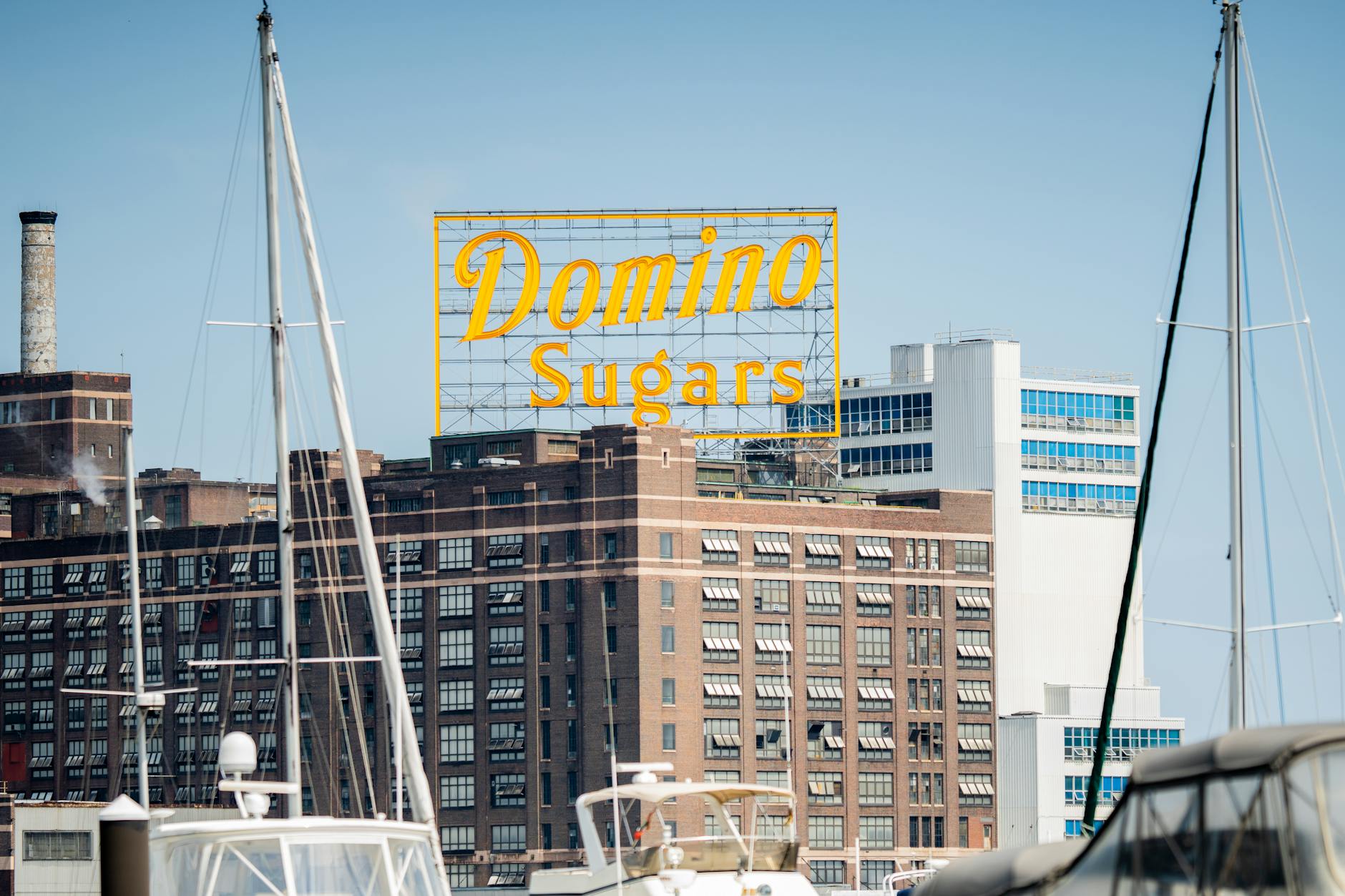
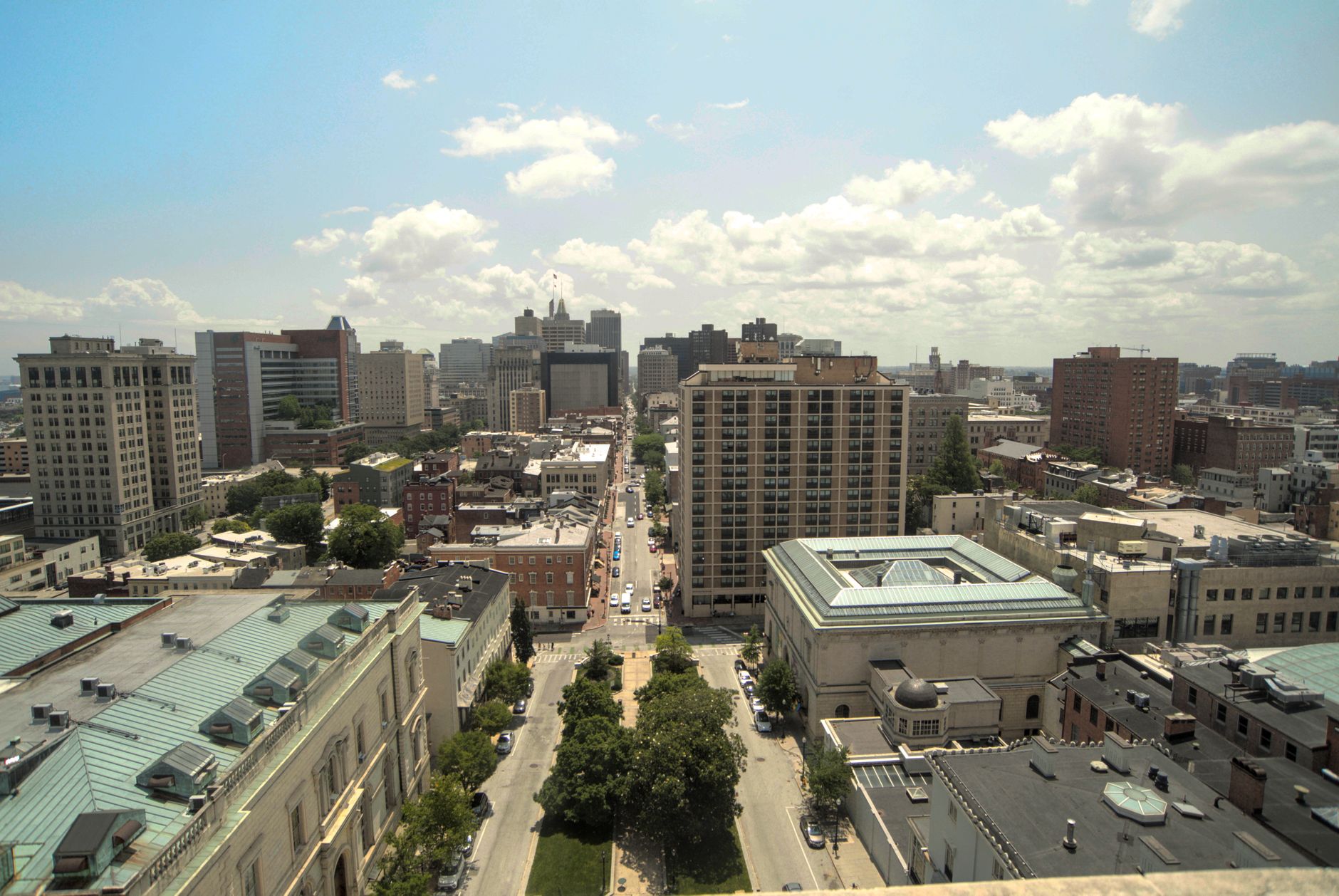


Baltimore sits forty minutes north of Washington, D.C. on the Amtrak corridor, defined by its working harbour and eighteenth-century shipyard roots. The city is known for steamed Chesapeake blue crabs, brick rowhouses, and walkable dockside neighbourhoods. Baltimore is worth visiting if you want unvarnished maritime history, massive lump crab cakes, and historic public markets. Look elsewhere if you want polished resort beaches, extensive subway networks, or sanitised tourist strips.
Last updated 7 Nov 2026
Build a Baltimore itinerary.
Choose up to 4 threads that pull you in. Your plan arrives organised around them.
The Bed
Where to stay in Baltimore
Which part of town to book, and what each one costs you in walking, noise or quiet.
The Comparison
Baltimore, or somewhere near it
The places you are realistically choosing between, and the honest case for each.
The Local Record
Where to read more about Baltimore
The blogs, boards, guides and operators worth bookmarking.
What to do in Baltimore Maryland United States
Baltimore wraps around the tidal Northwest Harbor, where water taxis connect old port districts with nineteenth-century brick hills. Days here centre on walking between historic rowhouse enclaves, ordering seafood straight from market stalls, and taking in harbour views from park overlooks. It suits travellers who appreciate unpretentious eating, architectural grit, and deep industrial character over sanitised waterfront developments.
24 hours in Baltimore Maryland United States
Start your morning with a crab cake at Lexington Market on Paca Street before catching the water taxi across to Fells Point. Spend the afternoon wandering the cobblestones of Thames Street, then climb Federal Hill for sunset views over the basin. Finish with steamed blue crabs on brown paper along the water, a thirty-minute stroll from downtown. Select 1 Day above to see it.
2 days in Baltimore Maryland United States
A second day leads north to Mount Vernon for the Washington Monument and the George Peabody Library stacks. Head further north to Hampden along 36th Street, known locally as The Avenue, for independent shops and a late lunch of charcoal-grilled pit beef. In the evening, explore the vibrant art exhibits at the American Visionary Art Museum. Choose 2 Days to expand the plan.
3 days in Baltimore Maryland United States
A third day allows an unhurried visit to Fort McHenry on Locust Point, birthplace of the national anthem. Spend the afternoon taking the MARC train forty minutes south to Annapolis for colonial brick lanes, or take a scenic drive along the Chesapeake Bay shore for raw bar oysters at roadside crab shanties and peaceful tidal marshes.
Baltimore Maryland United States itineraries by interest
Local Seafood in Baltimore Maryland United States
Pick steamed blue crabs coated in J.O. seasoning on brown paper, or order broiled jumbo lump crab cakes without filler at Faidley Seafood in Lexington Market.
Maritime History in Baltimore Maryland United States
Tour the 1854 sloop-of-war USS Constellation at Inner Harbor and walk the historic wooden shipyards along the waterfront paths of Fells Point.
Historic Neighborhoods in Baltimore Maryland United States
Walk the 18th-century cobblestones of Thames Street in Fells Point and admire the marble stoops fronting rowhouses across Federal Hill and Mount Vernon.
Markets & Produce in Baltimore Maryland United States
Browse the stalls of 1782 Lexington Market for fried chicken, Berger cookies, and raw oysters, or visit Broadway Market for dockside lunch counters.
Modern Art in Baltimore Maryland United States
Visit the American Visionary Art Museum on Covington Street for self-taught outsider works, kinetic sculptures, and unconventional craft exhibits.
Literary Heritage in Baltimore Maryland United States
Pay respects at Edgar Allan Poe’s tomb in Westminster Burying Ground, then have a quiet drink at The Horse You Came In On, operating since 1775.
Regional Cooking in Baltimore Maryland United States
Order pit beef sliced paper-thin from charcoal roasters on Pulaski Highway, served on a kaiser roll with raw white onion and potent horseradish sauce.
City Views in Baltimore Maryland United States
Climb the grassy slopes of Federal Hill Park for a clear panorama of the downtown skyline and watch tugboats manoeuvring across the Inner Harbor.
Craft Beer in Baltimore Maryland United States
Sample crisp Chesapeake pilsners and heavy stouts in converted brewery taprooms throughout the brick alleys of Brewers Hill and Hampden.
Sacred Architecture in Baltimore Maryland United States
Step inside the 1821 Baltimore Basilica, designed by Benjamin Henry Latrobe as America's first Roman Catholic cathedral, to see its neoclassical dome.
Museums & Collections in Baltimore Maryland United States
See the largest public collection of Henri Matisse works at the Baltimore Museum of Art on Art Museum Drive, which offers free general admission.
Industrial Heritage in Baltimore Maryland United States
Tour the Baltimore Museum of Industry in an 1860s cannery on Key Highway to understand early oyster packing, garment work, and metal fabrication.