Bandarban.

.jpg)

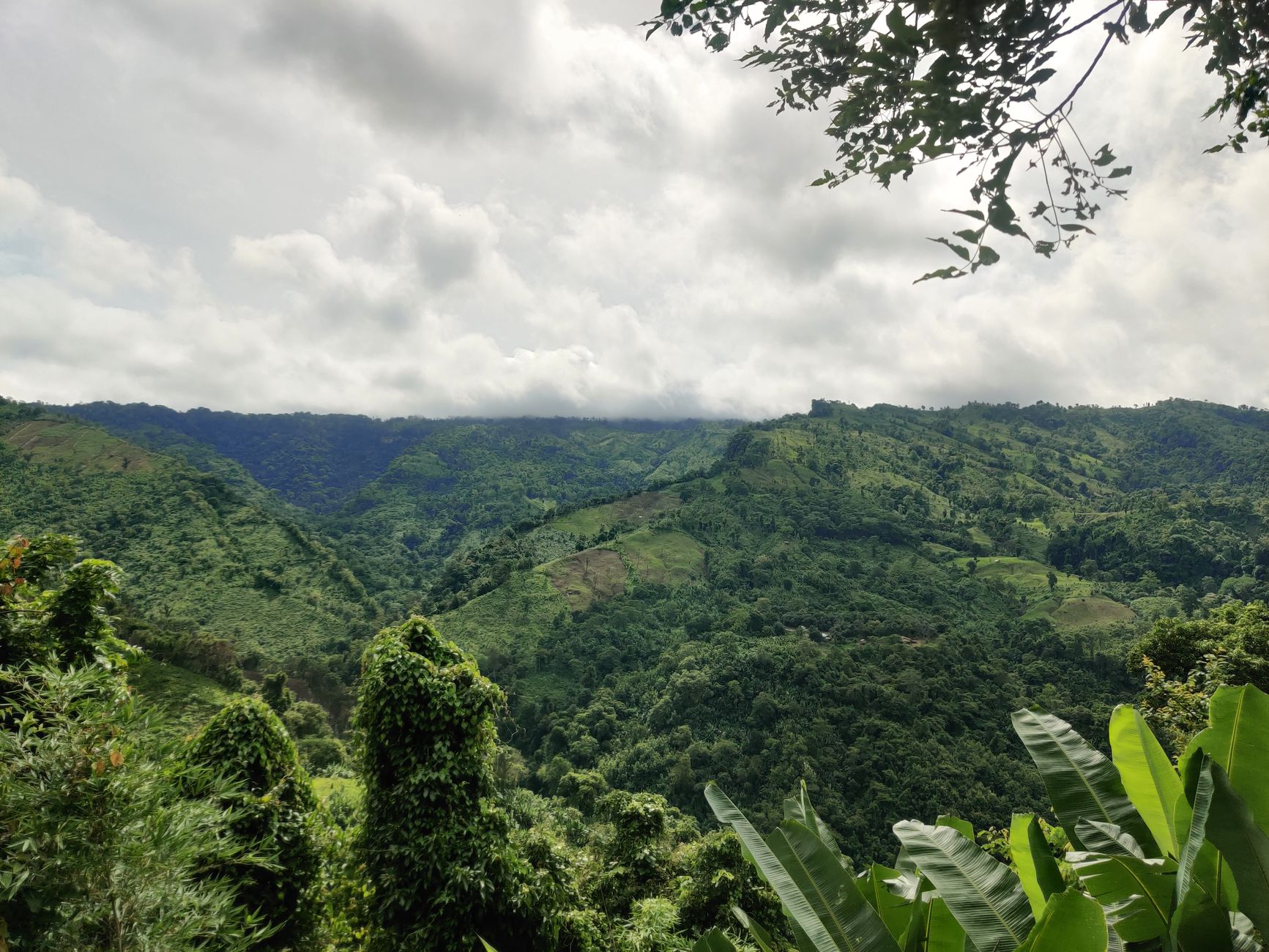
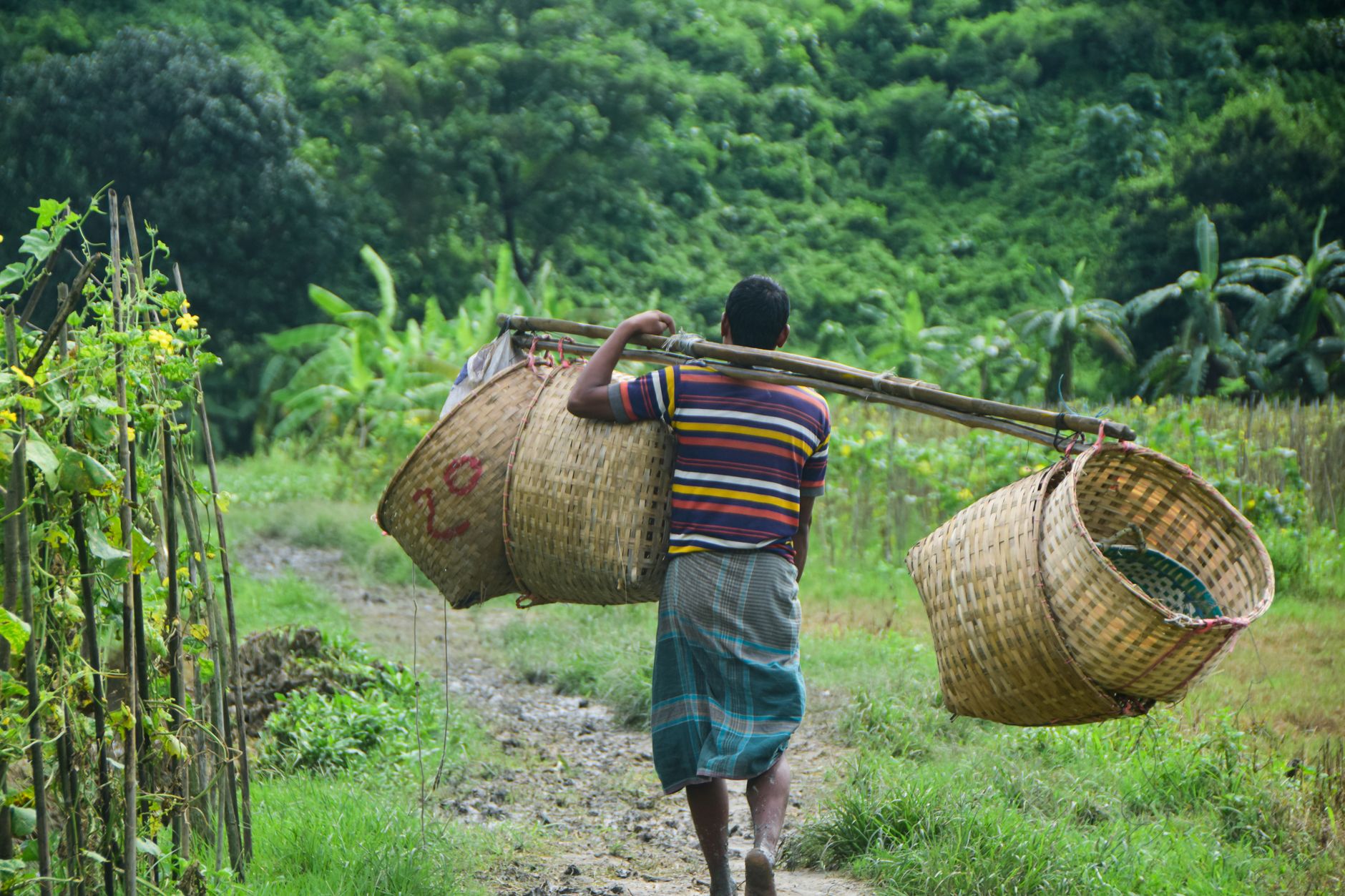
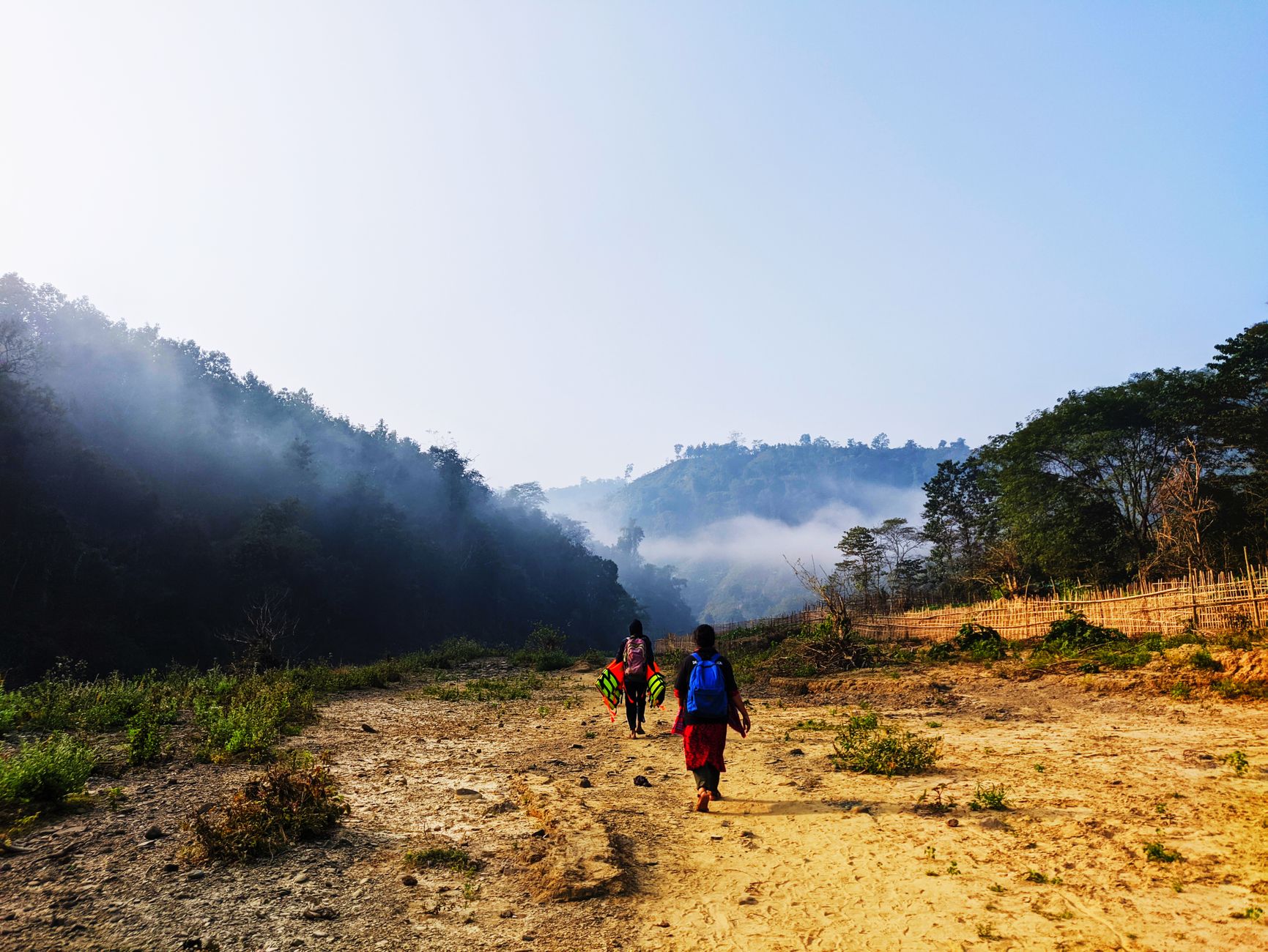
Bandarban sits seventy-five kilometres southeast of Chittagong, reached in roughly three hours by bus along climbing, switchback roads. It is Bangladesh's principal upland district, known for its indigenous Marma and Bawm communities, forested ridges, and highland rivers. Bandarban is worth visiting if you want to hike rugged hill tracks, eat bamboo-steamed chicken, and see Buddhist monastic life away from the delta plains. Look elsewhere if you need polished resort amenities, flat strolls, or reliable late-night dining.
Last updated 15 Oct 2026
Build a Bandarban itinerary.
Choose up to 4 threads that pull you in. Your plan arrives organised around them.
The Bed
Where to stay in Bandarban
Which part of town to book, and what each one costs you in walking, noise or quiet.
The Comparison
Bandarban, or somewhere near it
The places you are realistically choosing between, and the honest case for each.
The Local Record
Where to read more about Bandarban
The blogs, boards, guides and operators worth bookmarking.
What to do in Bandarban Chittagong Division Bangladesh
Bandarban centres on the Sangu River, where flat delta Bangladesh abruptly turns into steep, forested topography. Your day revolves around shared four-wheel-drive jeeps, market walks, and early-morning departures to beat the mountain fog. It suits active travellers comfortable with basic guesthouses, permit paperwork, and spicy home cooking over slow wooden fires.
24 hours in Bandarban Chittagong Division Bangladesh
Spend the morning climbing to the stupa at Buddha Dhatu Jadi before the midday heat. Lunch on bamboo-steamed chicken at a Marma eatery off Main Road, then take a late-afternoon auto-rickshaw up to Nilachal for sunset over the valley. Wrap up with hot tea in the bazaar. Select 1 Day above to see it.
2 days in Bandarban Chittagong Division Bangladesh
A second day lets you rent a chander gari jeep out to Chimbuk Hill and the military-run outpost at Nilgiri, forty-five kilometres south. Stop along the ridge for wild banana curry and dry-fried hill pork in a roadside Bawm settlement before returning to the riverfront. Choose 2 Days to expand the plan.
3 days in Bandarban Chittagong Division Bangladesh
With three days, arrange permits for Ruma Bazaar and hike up to volcanic Boga Lake. Spend the night in a wooden homestay run by Bawm villagers, eating hand-pounded jhum rice and setting out at dawn toward the cascades at Nafakhum.
Bandarban Chittagong Division Bangladesh itineraries by interest
Indigenous Cooking in Bandarban Chittagong Division Bangladesh
Marma bamboo-tube chicken, spicy mashed fermented fish ngapi, and hill-grown jhum sticky rice served at simple wooden stalls near the Sangu River.
Sacred Architecture in Bandarban Chittagong Division Bangladesh
The gilded tiers of Buddha Dhatu Jadi, known as the Golden Temple, and the quieter Marma monastery at Raj Vihara right in the town centre.
River Journeys in Bandarban Chittagong Division Bangladesh
Hiring an engine boat at Remakri or paddling the calm Sangu River where limestone cliffs and bamboo forests drop straight into the clear water.
Hill Hiking in Bandarban Chittagong Division Bangladesh
Treks across ridges toward Keokradong and Saka Haphong, walking past Bawm villages, banana plantations, and steep clay trails.
Local Markets in Bandarban Chittagong Division Bangladesh
The Sunday and Wednesday haats in town, piled with wild mountain herbs, dried fish, fresh turmeric, betel leaves, and handloom lungis.
Textile Traditions in Bandarban Chittagong Division Bangladesh
Backstrap weaving by Tripura and Bawm women, producing thick cotton blankets, patterned waistcloths, and shoulder bags in village cooperatives.
Scenic Viewpoints in Bandarban Chittagong Division Bangladesh
Nilgiri and Chimbuk peak lookouts, where early mornings bring sea-like cloud layers drifting across the undulating hills below the army camps.
Waterfalls in Bandarban Chittagong Division Bangladesh
Boga Lake access trails leading past Jadipai and Nafakhum falls, tumbling through deep gorges accessible during and just after the monsoon.
Street Food in Bandarban Chittagong Division Bangladesh
Piping-hot fried singaras, spiced lentil fritters, and sweet condensed-milk cha served from roadside tin shacks on Main Road until dusk.
Day Trips in Bandarban Chittagong Division Bangladesh
The four-wheel-drive ride out to Nilachal peak for evening breezes, followed by a stop at the tribal cultural institute museum.
Village Life in Bandarban Chittagong Division Bangladesh
Walking the quiet wooden houses on stilts in Ruma Upazila, learning Bawm communal farming practices and sharing home-brewed tea.
Highland Farming in Bandarban Chittagong Division Bangladesh
Jhum slope cultivation on steep hillsides, where mixed crops of ginger, cotton, upland rice, and chillies grow together without plowing.