Barrancas.


Barrancas sits in the Ranchería river valley, a ninety-minute drive south of Riohacha and an hour north of Valledupar along Route 88. The town is known for its proximity to the vast Cerrejón open-pit mine, rural Wayuu rancherías, and deep roots in traditional accordion vallenato. Barrancas is worth visiting if you want an unvarnished look at Guajiro culture, slow-cooked chivo, and the everyday rhythm of a northern mining town. Look elsewhere if you want breezy Caribbean beaches, slick colonial plazas, or lively nightlife.
Last updated 21 Oct 2026
Build a Barrancas itinerary.
Choose up to 4 threads that pull you in. Your plan arrives organised around them.
The Bed
Where to stay in Barrancas
Which part of town to book, and what each one costs you in walking, noise or quiet.
The Comparison
Barrancas, or somewhere near it
The places you are realistically choosing between, and the honest case for each.
The Local Record
Where to read more about Barrancas
The blogs, boards, guides and operators worth bookmarking.
What to do in Barrancas La Guajira Department Colombia
Life in Barrancas moves around Plaza Romero and the daily shifts of the mining basin. The morning belongs to trade along Calle 9, while afternoons slow down under the fierce Guajira sun until the breeze picks up at dusk. It suits curious overland travellers who appreciate working regional towns, unpretentious dining rooms serving roast meats, and authentic vallenato melodies drifted from open living room doors.
24 hours in Barrancas La Guajira Department Colombia
Start early with fresh cheese and arepas on Calle 9 before taking an organized morning visit toward the Cerrejón overlook. Eat a lunch of chivo guisado near the central market, then spend the cooler late afternoon sitting under the trees at Plaza Romero listening for rehearsal accordions. Select 1 Day above to see it.
2 days in Barrancas La Guajira Department Colombia
Spend your second morning dipping in the clear pools of Río Ranchería at Pozo Hondo. Later, visit a nearby Wayuu artisan settlement such as Provincial to buy handwoven mochilas, finishing with a dinner of sizzling friche and cold Aguila at an informal neighbourhood grill. Choose 2 Days to expand the plan.
3 days in Barrancas La Guajira Department Colombia
A third day allows an unhurried excursion into the Perijá foothills for morning birdwatching, followed by an afternoon drive south along Route 88 to explore Fonseca and the accordion heartland around San Juan del Cesar, where rural life runs entirely on music and coffee.
Barrancas La Guajira Department Colombia itineraries by interest
Local Cuisine in Barrancas La Guajira Department Colombia
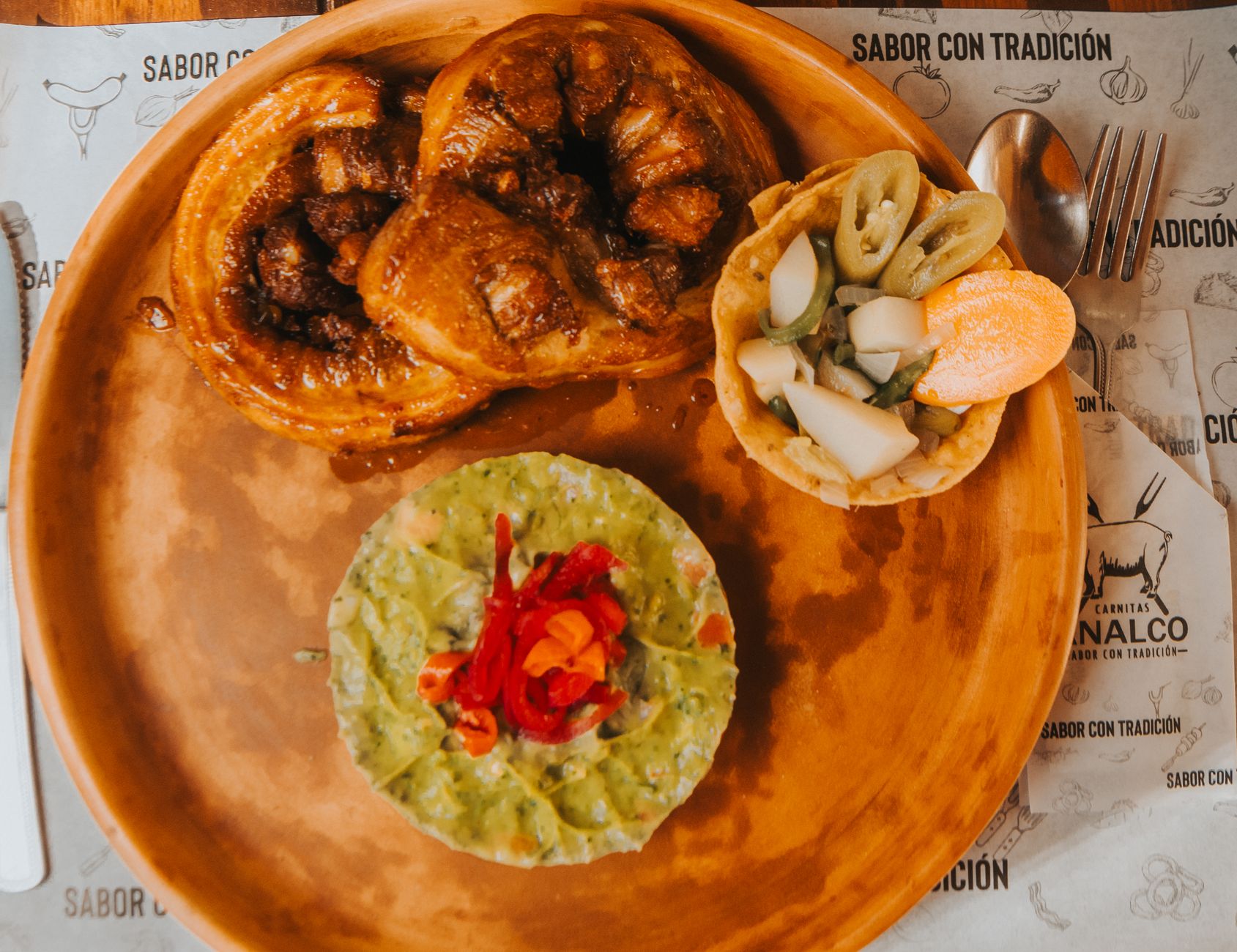
Order friche made from fried kid goat organ meat and ribs, or slow-stewed chivo guisado served with steamed yucca and dense arepa de maíz at market stalls.
Traditional Music in Barrancas La Guajira Department Colombia
Hear four-beat vallenato sung on front porches around Plaza Romero, where accordionists play the paseo and merengue rhythms made famous by local composers.
Folk Festivals in Barrancas La Guajira Department Colombia
Visit in October for the Festival Nacional del Carbón, celebrating mining heritage with accordion duels, folklore parades, and street-corner brass bands.
Textile Crafts in Barrancas La Guajira Department Colombia
Buy mochilas woven with geometric kanaas patterns by Wayuu artisans from nearby communities such as Provincial and Tamaquito, sold directly by their makers.
Industrial Heritage in Barrancas La Guajira Department Colombia
Learn about Cerrejón and the region’s mining history through public information; do not assume visitor access to an active mine.
River Life in Barrancas La Guajira Department Colombia
Ask locally about publicly accessible viewpoints along the Ranchería; confirm current conditions and do not assume swimming is safe.
Indigenous Culture in Barrancas La Guajira Department Colombia
Learn about traditional governance, ancestral storytelling, and medicinal plant use during community-led visits to the Wayuu resguardos near town.
Birdwatching in Barrancas La Guajira Department Colombia
Ask a local guide about documented birds and accessible habitat; sightings and access vary with conditions.
Market Stalls in Barrancas La Guajira Department Colombia
Browse the morning stalls around Calle 9 for fresh coastal cheeses, sweet plantains, tamarind juice, and hot chirrinchi infused with local mountain herbs.
Nature Trails in Barrancas La Guajira Department Colombia
Walk the dirt tracks ascending the lower ridges of the Serranía del Perijá for sweeping views across the Ranchería basin and quiet dry-forest scenery.
Civic Architecture in Barrancas La Guajira Department Colombia
Visit the simple whitewashed Church of San José facing the central park, where shaded concrete benches provide a gathering spot after the midday heat.
Day Trips in Barrancas La Guajira Department Colombia
Drive south to Fonseca for roasted meats and folk music shrines, or head west into the lush coffee foothills around San Juan del Cesar within an hour.
Planning a visit to Barrancas
Is Barrancas a base for Cabo de la Vela?
Do not treat Barrancas as interchangeable with Riohacha or the remote northern peninsula. It is a municipality in southern La Guajira, with a different setting from the coastal destinations that draw many visitors to the department. For Alta Guajira excursions, regional tourism guidance recommends local operators and suitable four-wheel-drive transport rather than an improvised town-to-beach outing.
Discover La GuajiraHow should you approach community visits?
Arrange a visit through local contacts rather than assuming a community, household or working site is open to tourists. Ask what is included, who hosts the visit and whether photographs are welcome. Keep remote excursions separate from a short town stop, and confirm transport and current conditions before committing to a route through the wider department.
Discover La Guajira