Baton Rouge.


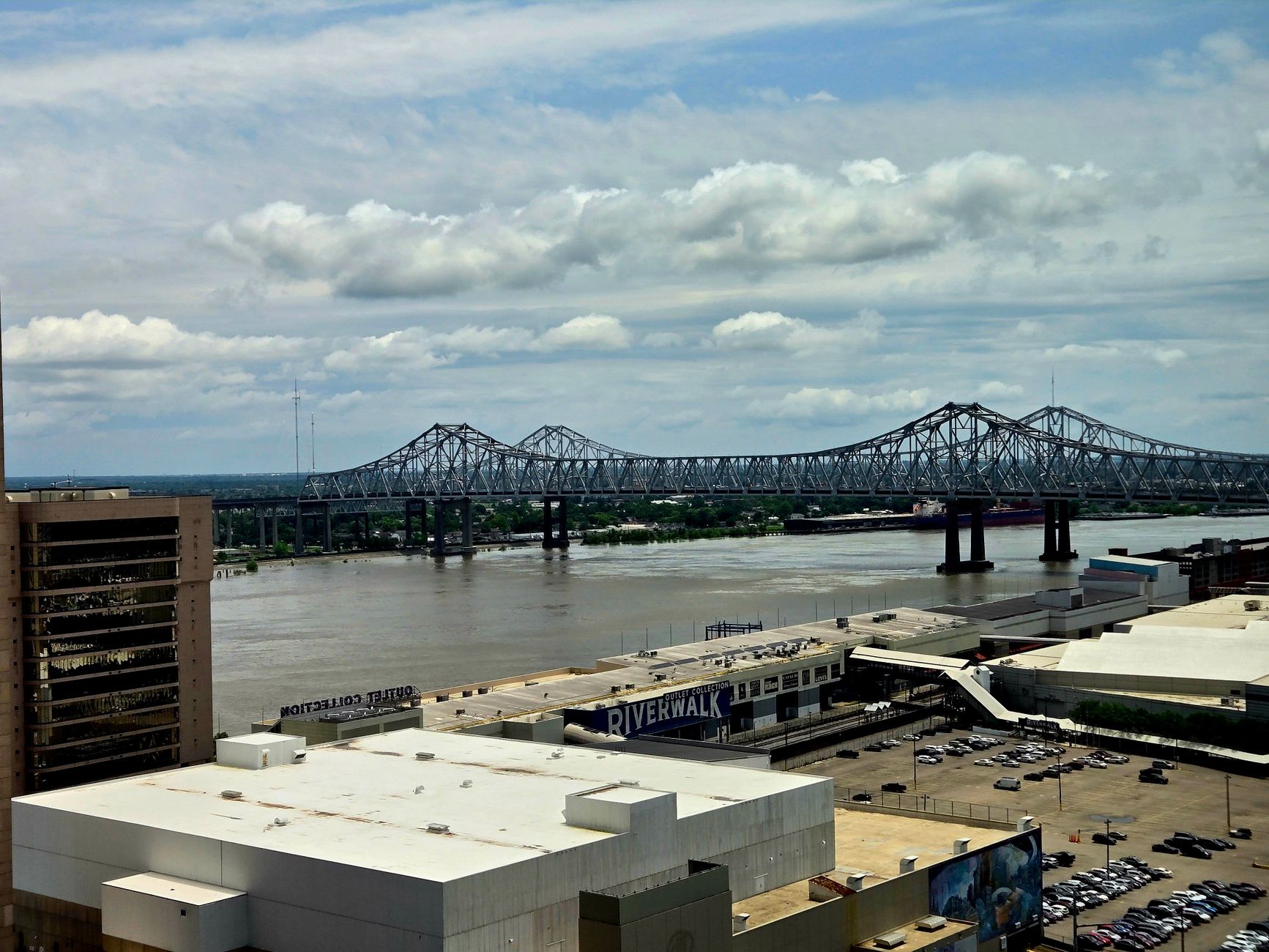

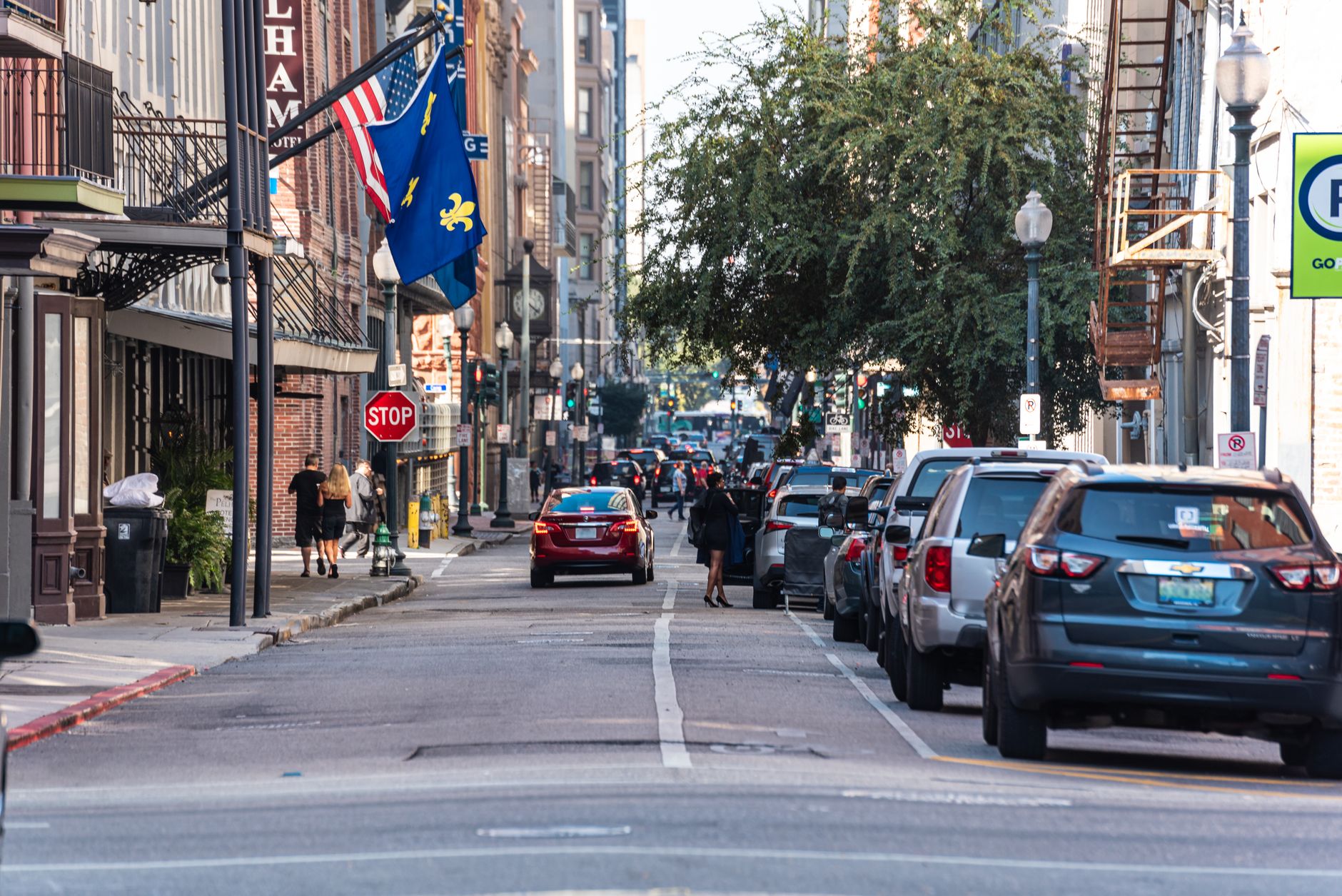
Baton Rouge sits eighty miles northwest of New Orleans along Interstate 10, an eighty-minute drive from its international airport. As Louisiana's capital, the city is defined by state politics, Mississippi River bluffs, and unpretentious South Louisiana cooking. The pace is steady, shaped by legislative sessions, football weekends, and crawfish season. Baton Rouge is worth visiting if you want deep-south political history paired with dark-roux gumbo and roadside boudin. Look elsewhere if you want a walkable downtown, reliable public transit, or a late-night music and arts scene that extends beyond college bars.
Last updated 9 Sept 2026
Build a Baton Rouge itinerary.
Choose up to 4 threads that pull you in. Your plan arrives organised around them.
The Bed
Where to stay in Baton Rouge
Which part of town to book, and what each one costs you in walking, noise or quiet.
The Comparison
Baton Rouge, or somewhere near it
The places you are realistically choosing between, and the honest case for each.
The Local Record
Where to read more about Baton Rouge
The blogs, boards, guides and operators worth bookmarking.
What to do in Baton Rouge Louisiana United States
Downtown Baton Rouge hugs the eastern levee of the Mississippi, while life spreads outward through historic Spanish Town, tree-lined Mid City, and the sprawling LSU campus. The town runs on university schedules, legislative calendars, and lunch specials. It suits travellers who appreciate unvarnished river-town commerce, legendary state politics, and neighborhood pots of gumbo without tourist crowds.
24 hours in Baton Rouge Louisiana United States
Start early at the 34-story State Capitol tower for views across the Mississippi. Head to Spanish Town for a stroll past pastel cottages, grab hot boudin and fried catfish for lunch on Florida Boulevard, and spend the evening watching tugboats from the downtown levee before drinks on Third Street. Select 1 Day above to see it.
2 days in Baton Rouge Louisiana United States
Dedicate your second day to the LSU campus and Mid City. Walk around University Lake under live oaks, explore the vast open-air vernacular buildings at the Rural Life Museum, and settle into an old-school roadhouse or neighbourhood tavern for crawfish étouffée and live swamp blues. Choose 2 Days to expand the plan.
3 days in Baton Rouge Louisiana United States
A third day gives you room to branch out along the basin. Drive forty minutes west across the Atchafalaya swamp toward Breaux Bridge for crawfish, or take River Road south to explore historic plantation homes and working sugarcane communities at an unhurried pace.
Baton Rouge Louisiana United States itineraries by interest
Local Seafood in Baton Rouge Louisiana United States
Crack boiled crawfish by the pound at Tony's, then order fried catfish fillets with hushpuppies along Highland Road.
State Politics in Baton Rouge Louisiana United States
Tour Huey Long's Art Deco state capitol, inspect the 1935 bullet holes in the marble, and walk through the memorial gardens.
Historic Architecture in Baton Rouge Louisiana United States
Inspect the crenellated Gothic revival Old State Capitol above the river, then wander the 1840s houses of Spanish Town.
Meat & Charcuterie in Baton Rouge Louisiana United States
Pick up steaming hot boudin links, smoked andouille sausage, and cracklins at family butcher counters along Florida Boulevard.
Riverfront Walks in Baton Rouge Louisiana United States
Walk the downtown levee trail at sunset to watch cargo barges navigate the brown Mississippi below the USS Kidd.
Live Music in Baton Rouge Louisiana United States
Catch swamp blues legends playing harmonica sets at Phil Brady's or grab a booth at the Texas Club for roadhouse country.
Markets & Produce in Baton Rouge Louisiana United States
Browse Saturday stalls at the Red Stick Farmers Market for fresh mirlitons, satsuma oranges, mayhaw jelly, and local honey.
Day Trips in Baton Rouge Louisiana United States
Drive thirty minutes west to Cajun country around Henderson, or follow River Road south past sugar cane fields and antebellum ruins.
University Life in Baton Rouge Louisiana United States
Stroll beneath century-old live oaks on the LSU campus, visit Mike the Tiger's habitat, and see Indian Mounds built 5,000 years ago.
Southern Cooking in Baton Rouge Louisiana United States
Tuck into dark roux chicken and sausage gumbo, étouffée, and hot skillet cornbread in Mid City diners and family dining rooms.
Museums & Art in Baton Rouge Louisiana United States
Examine contemporary Southern art at the Shaw Center rooftop galleries before exploring the LSU Rural Life Museum out on Burden.
Outdoor Escapes in Baton Rouge Louisiana United States
Paddle canoes across the LSU lakes or walk boardwalk trails through cypress tupelo swamps at Bluebonnet Swamp Nature Center.