Belgrade.


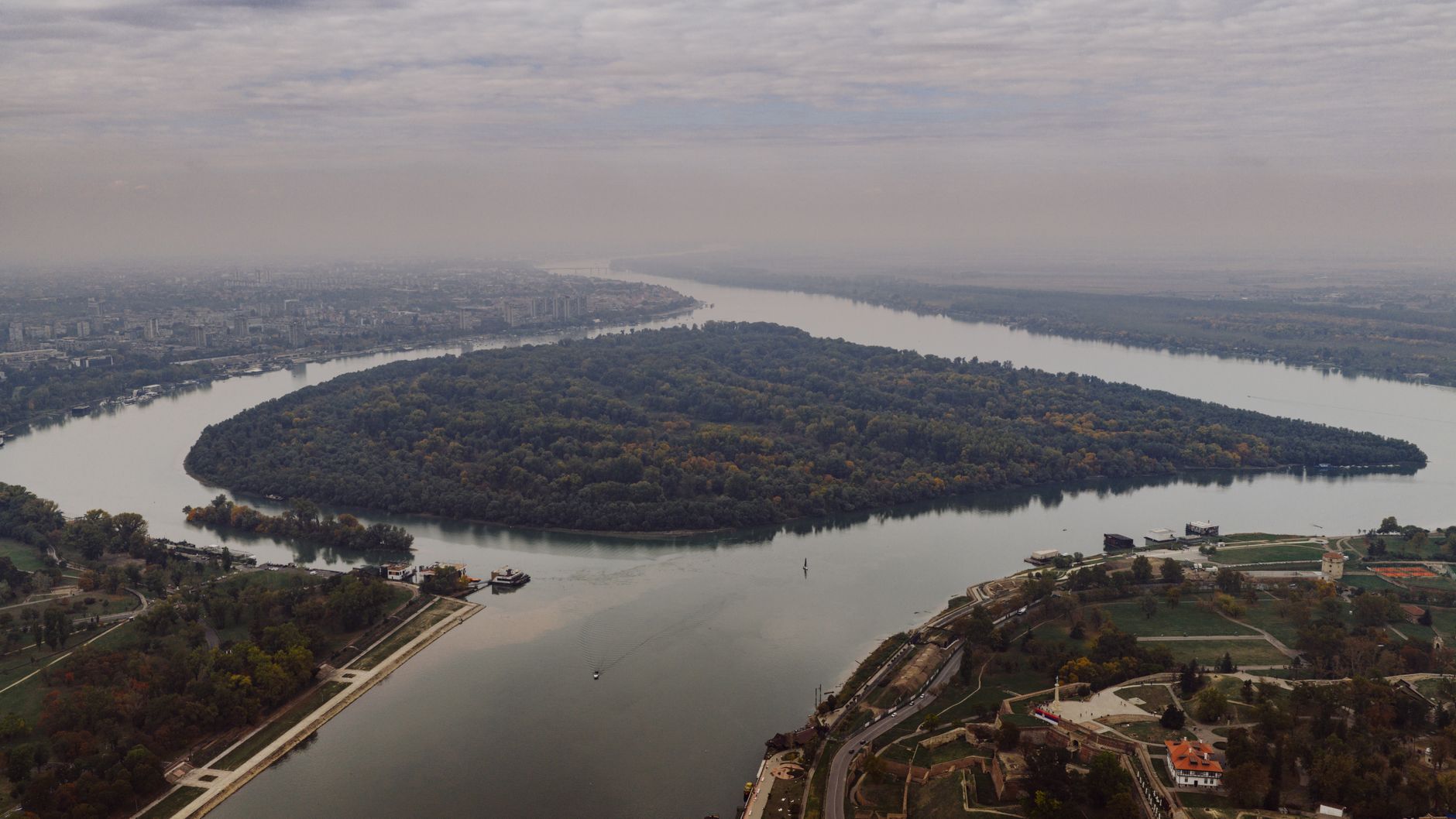
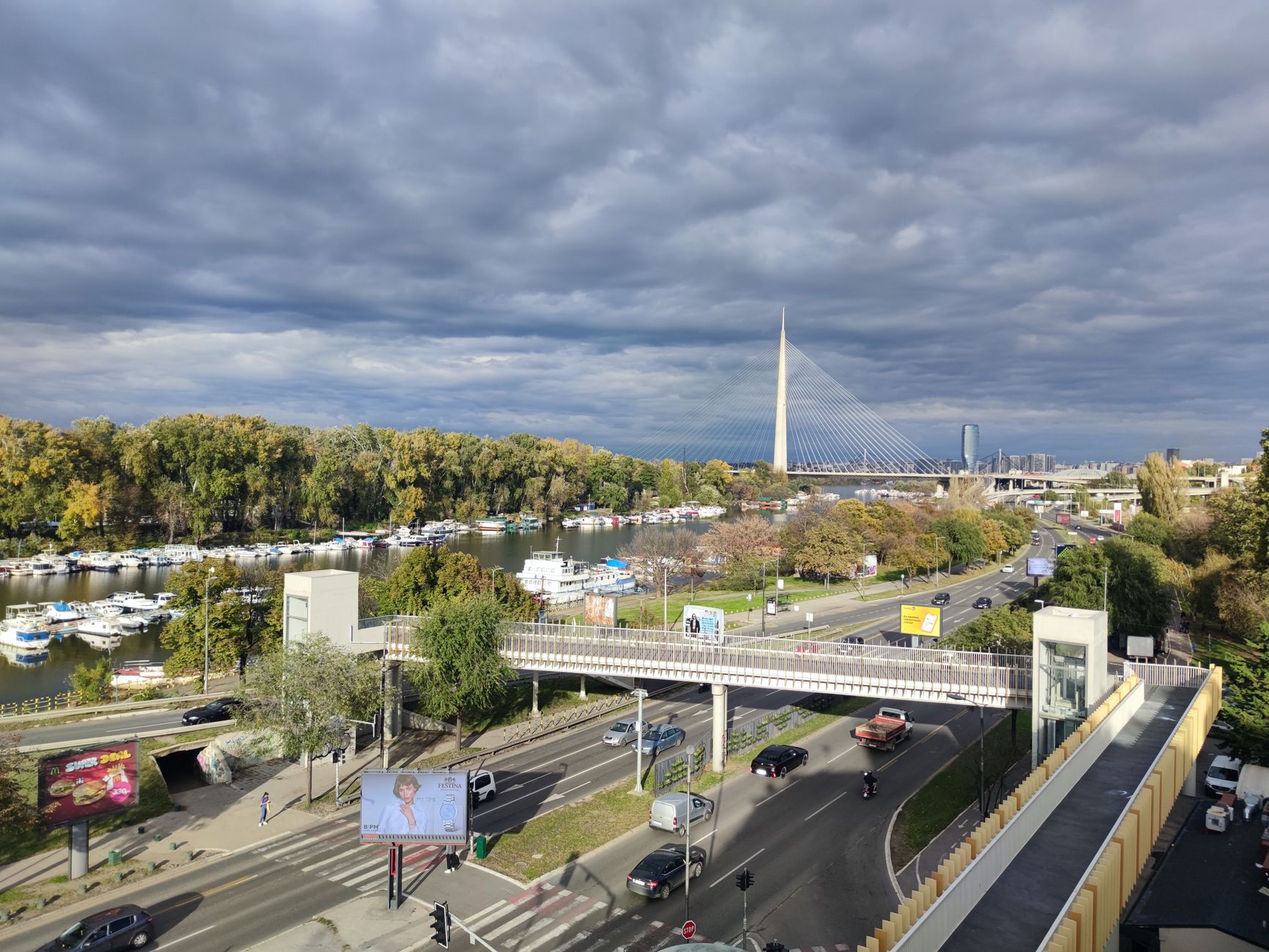


Two massive rivers collide beneath the brick ramparts of Kalemegdan fortress, where pensioners play chess over painted wooden boards regardless of the wind. Down in Dorćol, streetcars rattle past nineteenth-century courtyards and bakeries turning out warm burek layered with beef and lard. The city wears its complex twentieth-century scars openly alongside a fierce, late-night café culture. Belgrade is worth visiting if you want hearty charcoal-grilled meats, dense brutalist and neoclassical architecture, and unhurried riverfront walking. Look elsewhere if you want polished fairytale old towns, smoke-free indoor dining, or an underground metro system.
Last updated 3 Sept 2026
Build a Belgrade itinerary.
Choose up to 4 threads that pull you in. Your plan arrives organised around them.
The Bed
Where to stay in Belgrade
Which part of town to book, and what each one costs you in walking, noise or quiet.
The Comparison
Belgrade, or somewhere near it
The places you are realistically choosing between, and the honest case for each.
The Local Record
Where to read more about Belgrade
The blogs, boards, guides and operators worth bookmarking.
What to do in Belgrade Central Serbia Serbia
Days in Belgrade move between leafy Habsburg boulevards, busy farmers markets, and long afternoons at pavement tables drinking domaća kafa. The city spans both sides of the Sava River, balancing central historic quarters like Stari Grad with the expansive concrete grids of Novi Beograd. It rewards independent walkers who appreciate hearty food, architectural contrasts, and a social life that continues long past midnight.
24 hours in Belgrade Central Serbia Serbia
Start with meat burek at a neighborhood pekara, then walk down pedestrian Knez Mihailova into Kalemegdan Fortress. In the afternoon, explore Dorćol's quieter side streets before heading to Skadarlija for charcoal-grilled pljeskavica and rakija. The central core is entirely walkable within fifteen minutes. Select 1 Day above to see it.
2 days in Belgrade Central Serbia Serbia
Cross the river to explore the Austro-Hungarian lanes of Zemun, climbing Gardoš Tower for views over the Danube tile roofs. Eat a lunch of pan-fried river perch along the quay, then spend the afternoon taking in the vast socialist-era blocks of Novi Beograd on tram line 7 or 9. Choose 2 Days to expand the plan.
3 days in Belgrade Central Serbia Serbia
Ride the high-speed train thirty minutes north to Novi Sad to wander Petrovaradin Fortress and taste the aromatic Bermet dessert wine in Sremski Karlovci. Back in Belgrade, finish with a slow morning sampling fresh kajmak at Kalenić Pijaca before visiting the Church of Saint Sava.
Belgrade Central Serbia Serbia itineraries by interest
Traditional Taverns in Belgrade Central Serbia Serbia
Pull up a wooden chair at a kafana on Skadarska for slow-cooked teleća čorba, sour cabbage sarma, and live acoustic starogradska music.
Fortress History in Belgrade Central Serbia Serbia
Walk Kalemegdan’s layered Roman, Ottoman, and Austrian ramparts overlooking the Danube and Sava confluence at sunset.
Modern Architecture in Belgrade Central Serbia Serbia
Cross the Sava into Novi Beograd to study concrete socialist modernism, from the Western City Gate (Genex Tower) to Block 23.
Street Food in Belgrade Central Serbia Serbia
Queue at dawn bakeries for flaky filo burek filled with minced beef or curd cheese, traditionally paired with plain liquid yogurt.
Sacred Architecture in Belgrade Central Serbia Serbia
Step inside the vast Church of Saint Sava to inspect over ten thousand square meters of shimmering gold-glass mosaic.
Market Stalls in Belgrade Central Serbia Serbia
Browse Kalenić Pijaca for wooden casks of salty kajmak, cured pršuta, pickled peppers, and honey sold directly by local farmers.
Riverside Life in Belgrade Central Serbia Serbia
Walk the river path along the Danube to grab fresh river catfish or carp at a floating splav raft restaurant in Zemun.
Grilled Meats in Belgrade Central Serbia Serbia
Taste spiced minced meat ćevapi served with raw chopped onion, thick somun flatbread, and a scoop of creamy urnebes salad.
Historic Quarters in Belgrade Central Serbia Serbia
Wander the cobblestones of Dorćol and upper Knez Mihailova for quiet inner courtyards, bookshops, and Austrian-influenced facades.
Local Spirits in Belgrade Central Serbia Serbia
Sample small-batch rakija distilled from plums (šljivovica), quince (dunjevača), or apricot, served neat in slender glass carafes.
Day Trips in Belgrade Central Serbia Serbia
Catch the thirty-minute train north to Novi Sad to explore Petrovaradin Fortress and taste Bermet wine in nearby Sremski Karlovci.
City Walks in Belgrade Central Serbia Serbia
Stroll pedestrianised Knez Mihailova from Republic Square down through Kalemegdan Park, resting on shaded chestnut-lined benches.