Bowness-on-Windermere.
.jpg)
_looking_for_food_in_waves,_Windermere,_England.jpg)
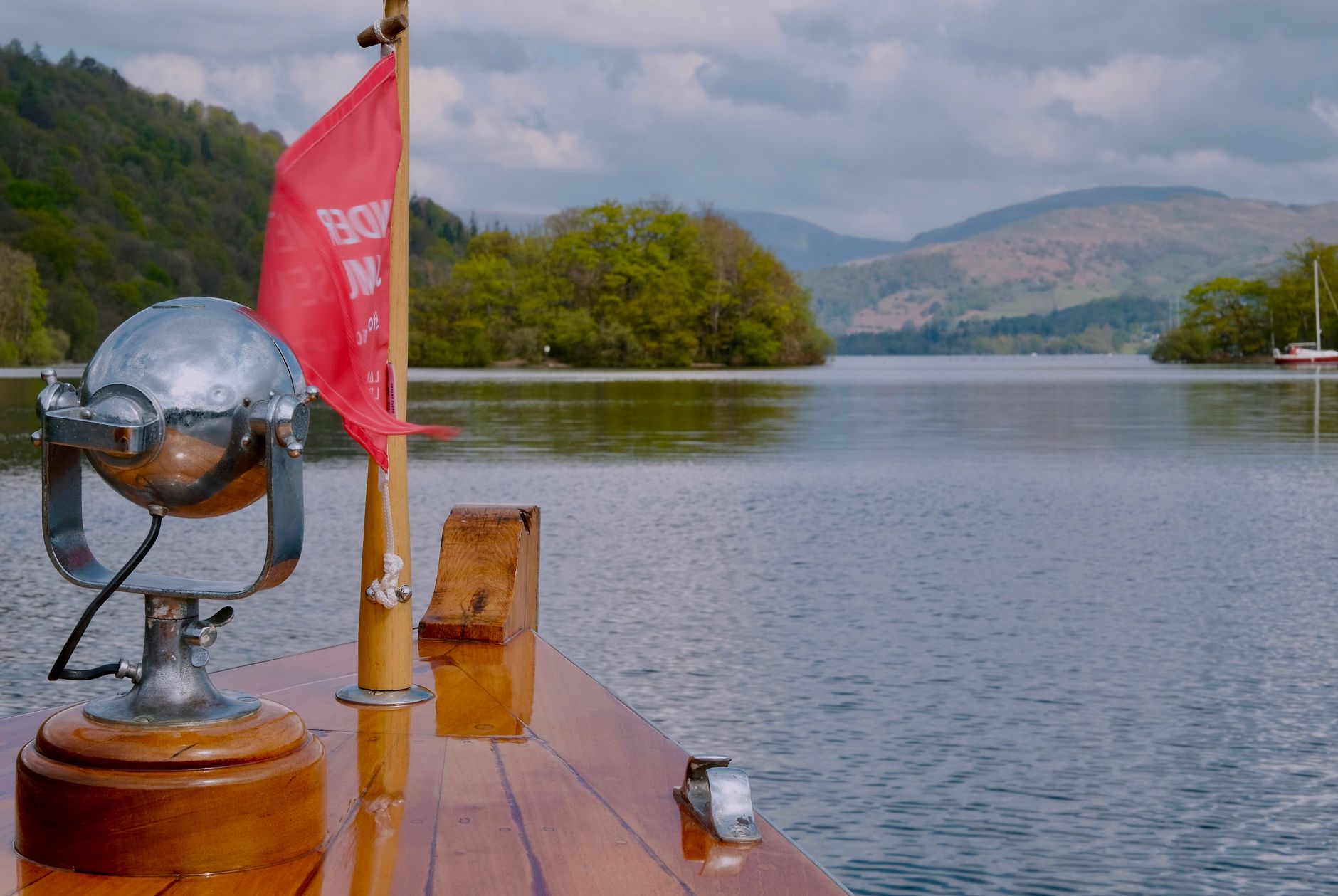
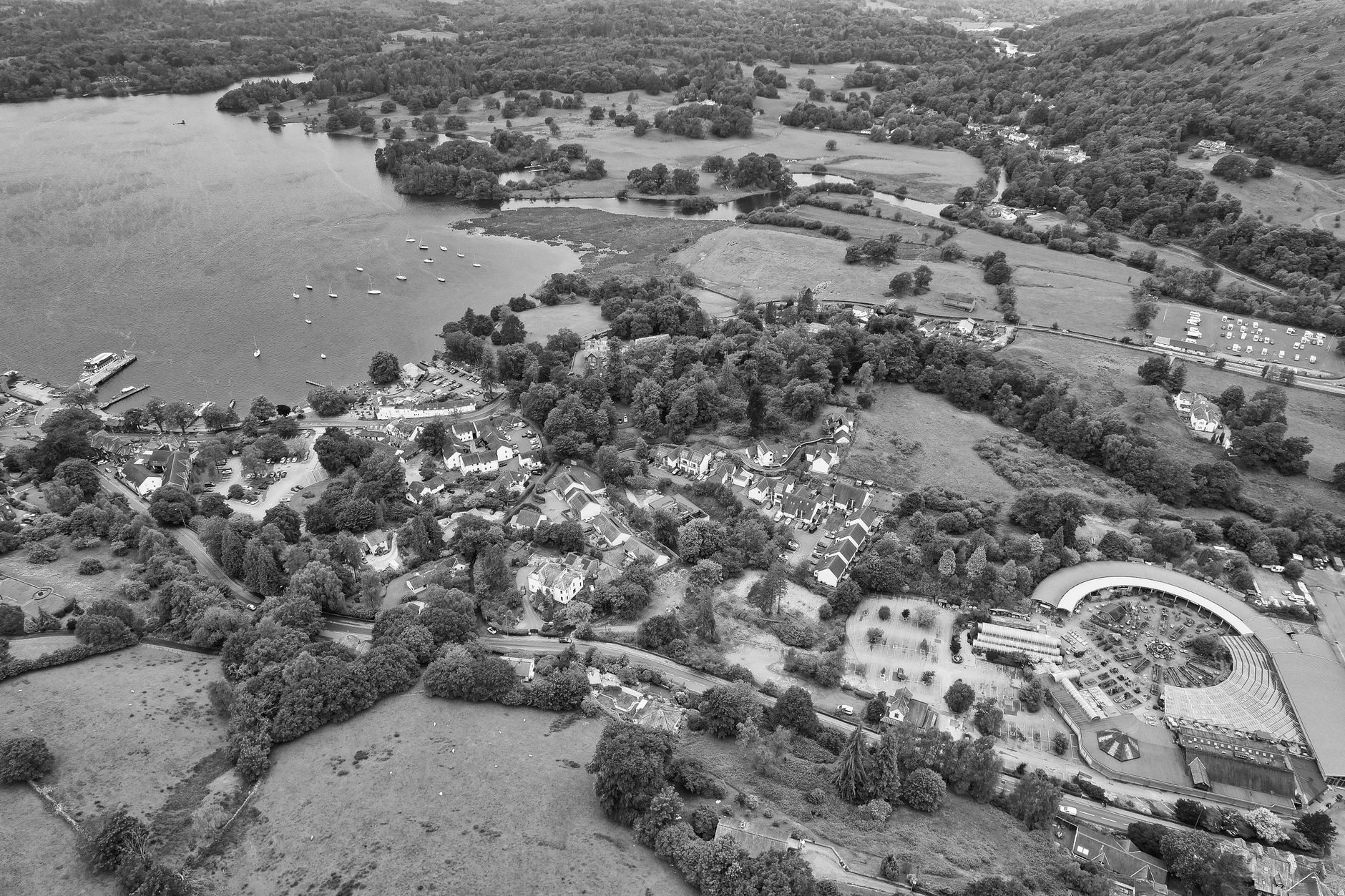

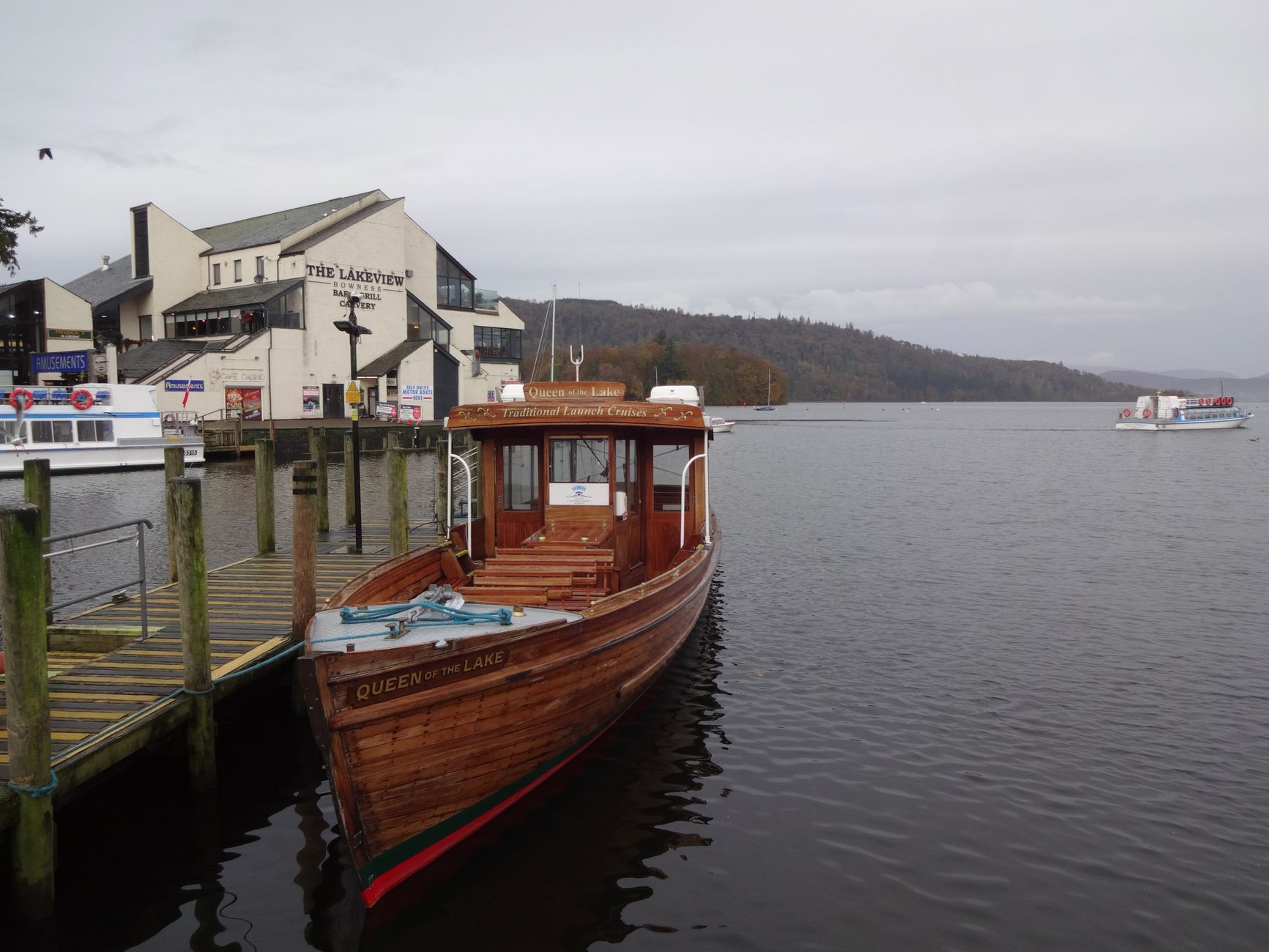
Bowness-on-Windermere sits on the eastern shore of England's longest lake, twenty minutes from the mainline rail link at Oxenholme via Windermere station. It is known for its Victorian steamer piers and direct water access. Bowness-on-Windermere is worth visiting if you want to board historic lake launches and walk straight from a tavern onto sheep-grazed fell tracks. Look elsewhere if you want deserted mountain solitude, easy parking, or late-night clubs.
Last updated 6 Oct 2026
Build a Bowness-on-Windermere itinerary.
Choose up to 4 threads that pull you in. Your plan arrives organised around them.
The Bed
Where to stay in Bowness-on-Windermere
Which part of town to book, and what each one costs you in walking, noise or quiet.
The Comparison
Bowness-on-Windermere, or somewhere near it
The places you are realistically choosing between, and the honest case for each.
The Local Record
Where to read more about Bowness-on-Windermere
The blogs, boards, guides and operators worth bookmarking.
What to do in Bowness-on-Windermere Cumbria United Kingdom
Bowness curls around a natural bay where Victorian steam launches share the water with swan fleets. The lower town is packed with tearooms, fish-and-chip counters, and nautical chandlers along Promenade and St Martin's Place, while quieter residential lanes climb steeply into the fellside. It suits walkers who want easy access to the water without needing a car, provided you do not mind sharing the piers with day-trippers.
24 hours in Bowness-on-Windermere Cumbria United Kingdom
Catch an early morning wooden cruiser from Bowness Pier before the tour coaches arrive. Have lunch on Ash Street with Cumberland sausage and ale at the Hole in t' Wall. In the afternoon, hike forty minutes up Brant Fell for uninterrupted lake panoramas, finishing with buttered tea cakes by the water as the dusk ferry departs. Select 1 Day above to see it.
2 days in Bowness-on-Windermere Cumbria United Kingdom
On your second morning, take the car ferry across to the western shore and walk the quiet bridleways around Claife Station and Near Sawrey. Stop for potted shrimps and cider at the Tower Bank Arms, then return to Bowness along Rayrigg Road for dinner featuring slow-braised Herdwick lamb and sticky toffee pudding. Choose 2 Days to expand the plan.
3 days in Bowness-on-Windermere Cumbria United Kingdom
Day three gives you time to hire a rowing boat for the sheltered bays behind Belle Isle before walking up to Blackwell to study Arts and Crafts wood carvings. Finish with a late afternoon bus trip up the valley to Ambleside and Grasmere, returning for a nightcap of damson gin beside the quiet piers.
Bowness-on-Windermere Cumbria United Kingdom itineraries by interest
Lake Navigation in Bowness-on-Windermere Cumbria United Kingdom
Board the 1930s motor vessel MV Tern from Bowness Pier 1, or hire an electric wooden launch to putter around Belle Isle and the western bays.
Fell Walking in Bowness-on-Windermere Cumbria United Kingdom
Follow the steep tarmac of Kendal Road up to the rocky crest of Brant Fell and Post Knott for sweeping views across the water toward the Langdale Pikes.
Local Pubs in Bowness-on-Windermere Cumbria United Kingdom
Pull up a stool at the 17th-century Hole in t' Wall for pints of Coniston Bluebird bitter and warm potted Morecambe Bay shrimps on toasted brown bread.
Literary Heritage in Bowness-on-Windermere Cumbria United Kingdom
Visit the World of Beatrix Potter on Crag Brow, then take the passenger ferry across to Claife Heights and her 17th-century farmstead at Hill Top.
Traditional Baking in Bowness-on-Windermere Cumbria United Kingdom
Queue on Ash Street for spicy Grasmere gingerbread squares, warm Cumberland sausage rolls, and buttery shortbread straight from small local ovens.
Craft Ales in Bowness-on-Windermere Cumbria United Kingdom
Sample cask ales from Hawkshead Brewery and Keswick Brewing at the Lake View Garden Bar, watching the late afternoon ferries dock against the slipway.
Fine Dining in Bowness-on-Windermere Cumbria United Kingdom
Book ahead for Cumbrian salt-aged beef, Herdwick lamb loin, and locally foraged wood sorrel along the dining rooms of Lake Road and Rayrigg Road.
Garden Design in Bowness-on-Windermere Cumbria United Kingdom
Walk twenty minutes north along the shoreline to the Arts and Crafts gardens at Blackwell, designed with terraced lawns and sweeping fell vistas.
Water Sports in Bowness-on-Windermere Cumbria United Kingdom
Rent sit-on-top kayaks or paddleboards from the Low Wood Bay watersports centre to explore peaceful reed beds and sheltered western inlets.
Historic Architecture in Bowness-on-Windermere Cumbria United Kingdom
Inspect the 15th-century stained glass and leaded box pews inside St Martin's Church, tucked just behind the busy boat jetties on Church Street.
Scenic Lookouts in Bowness-on-Windermere Cumbria United Kingdom
Climb the modest gravel path to Biskey Howe viewpoint at dusk to watch evening light settle over the central fells and the marina moorings below.
Day Trips in Bowness-on-Windermere Cumbria United Kingdom
Take the passenger ferry from Bowness Bay to Ferry House, walking through woodland to the quiet stone village and cider pubs of Near Sawrey.