Brussels.

_-_Brussels_Harbour_-_NG6530_-_National_Gallery.jpg)
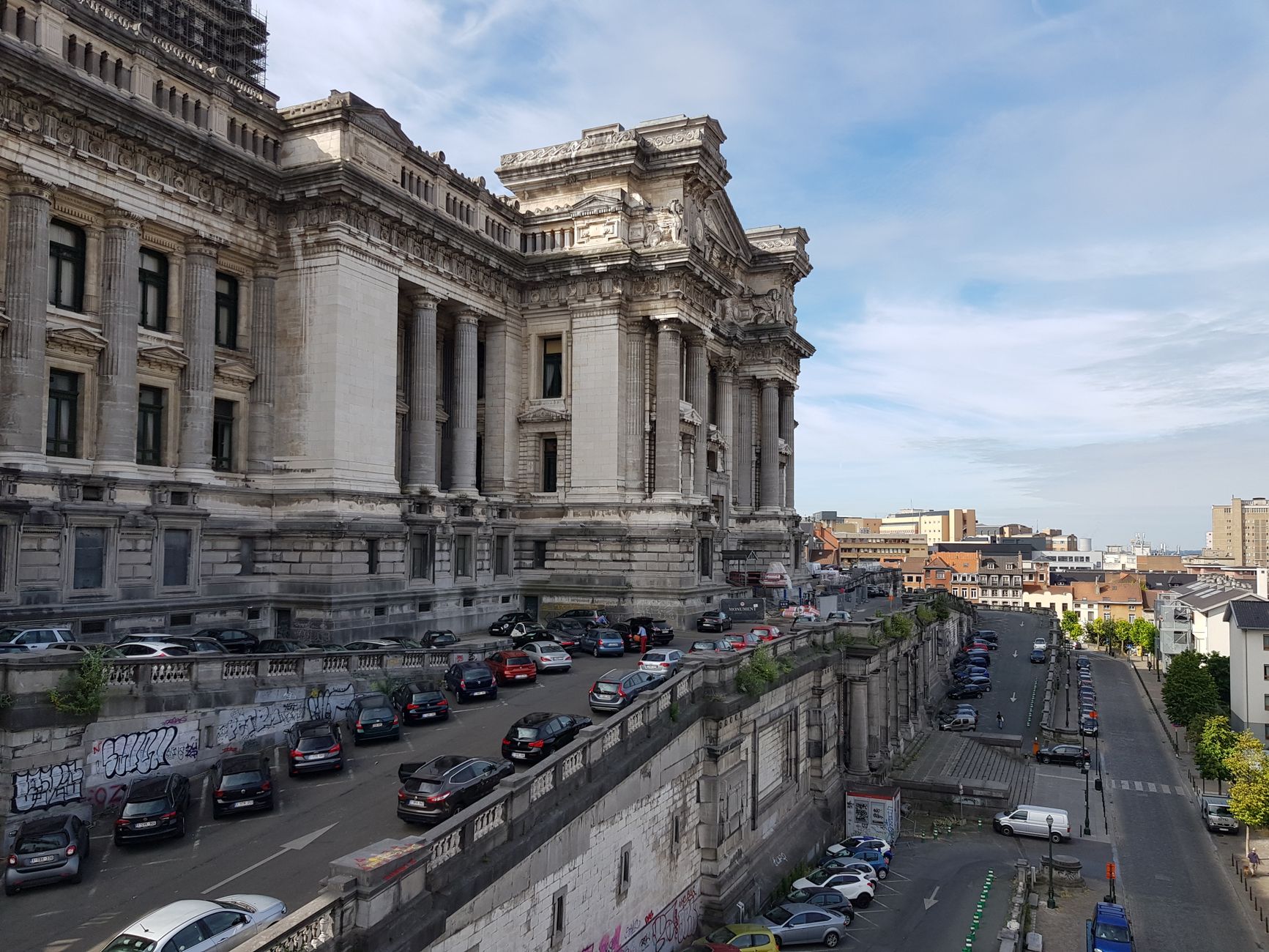
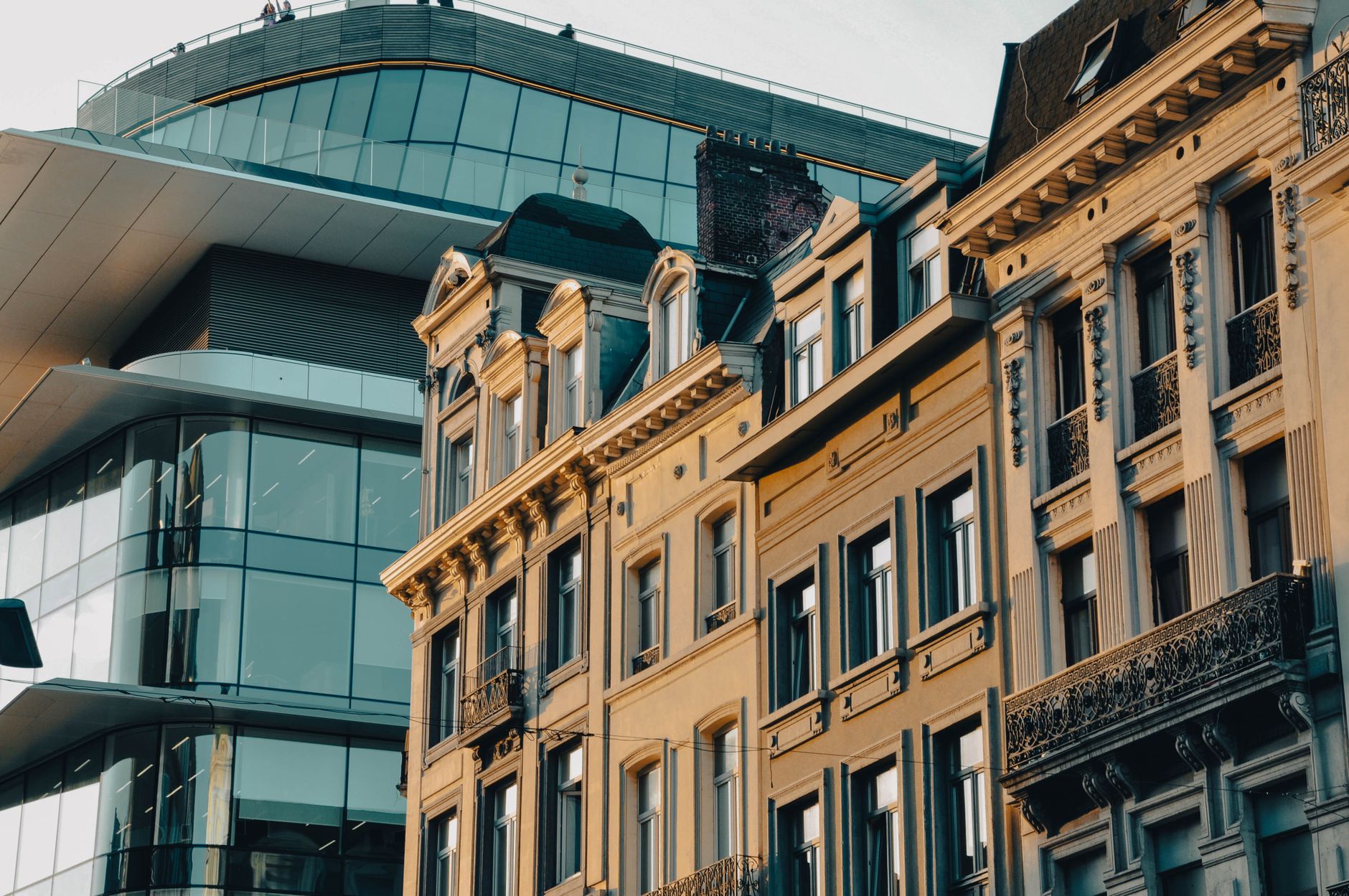
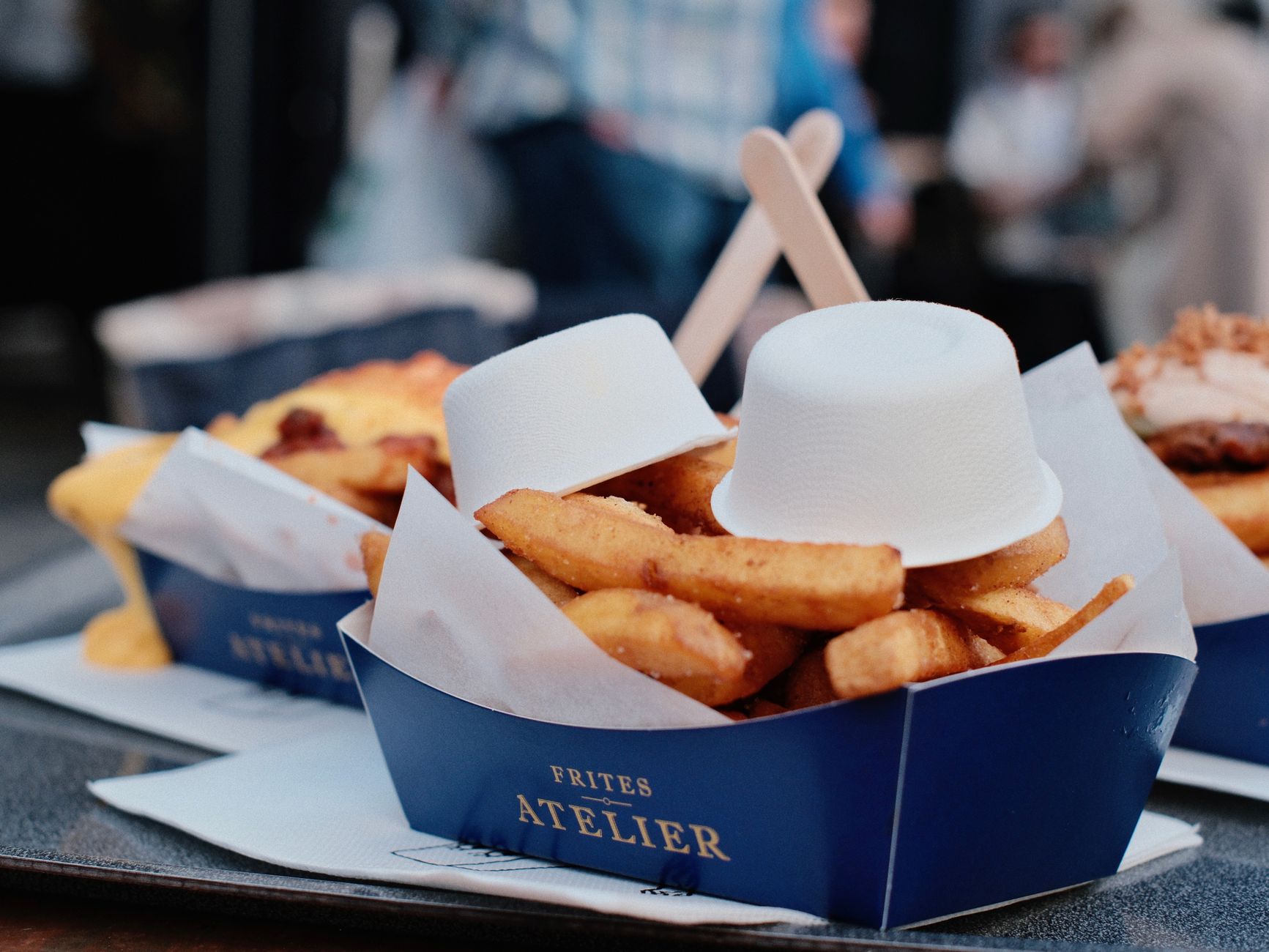
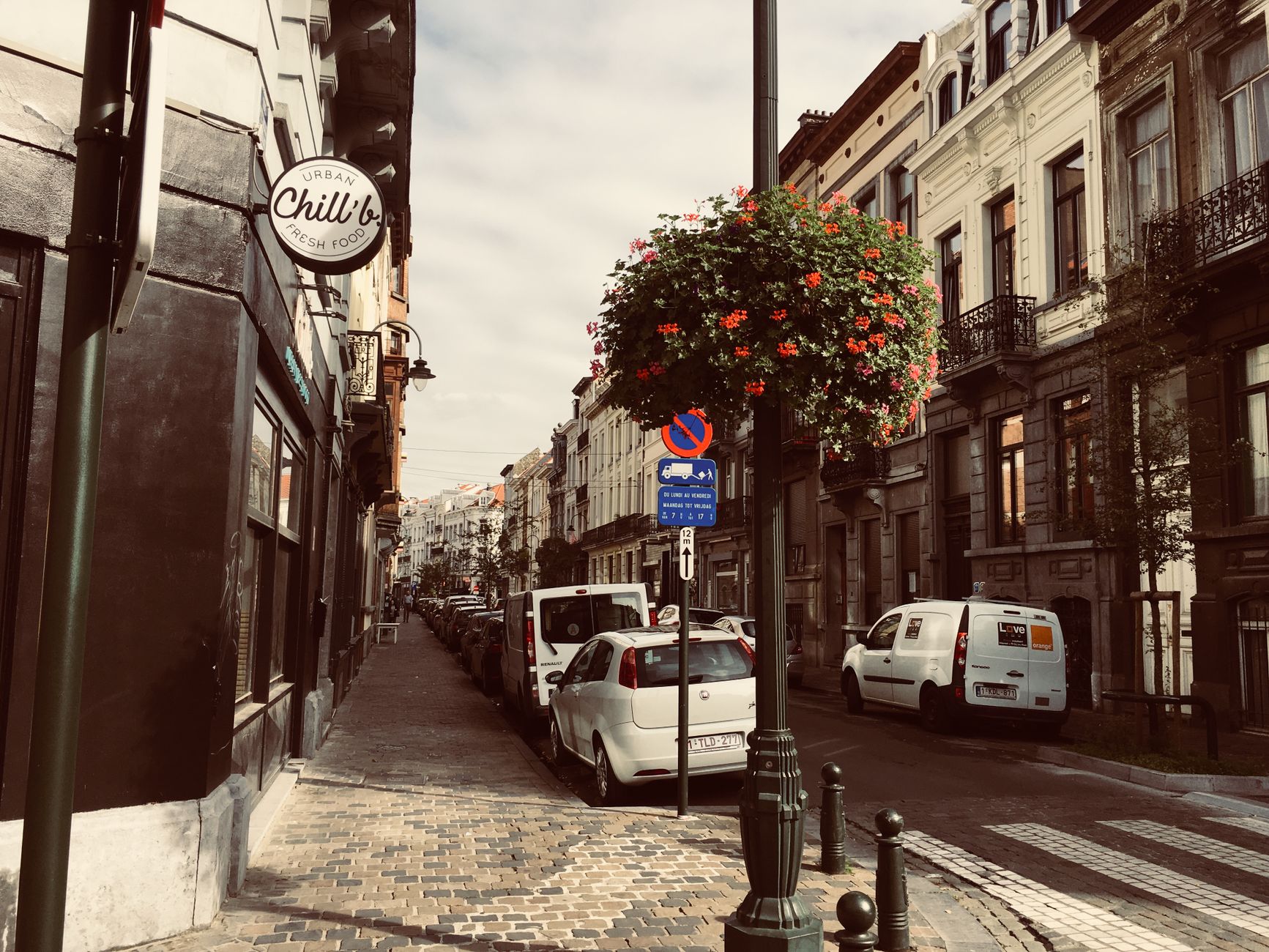
Rain slicks the cobbles of the lower town while the bells of Sainte-Catherine echo off damp brick. Brussels divides itself neatly between high bureaucracy and earthy tavern life. Walk up from the Grand-Place toward the Marolles and the polished diplomacy yields to flemish stew simmering in brown cafes, sour gueuze poured from tilted baskets, and iron Art Nouveau balconies curving over quiet residential streets.
Last updated 28 Aug 2026
Build a Brussels itinerary.
Choose up to 4 threads that pull you in. Your plan arrives organised around them.
The Bed
Where to stay in Brussels
Which part of town to book, and what each one costs you in walking, noise or quiet.
The Comparison
Brussels, or somewhere near it
The places you are realistically choosing between, and the honest case for each.
The Local Record
Where to read more about Brussels
The blogs, boards, guides and operators worth bookmarking.
What to do in Brussels Brussels-Capital Belgium
Brussels is best taken at walking pace, unpicking the shift between the monumental Upper Town and the stubborn, working-class alleys below. Days revolve around cavernous food halls, neighbourhood flea markets, and unhurried afternoons in wood-panelled cafes where beer is treated as an art form rather than a drink. It rewards curious walkers who prefer substantial comfort food, architectural oddities, and conversational taverns over hyper-polished city breaks.
24 hours in Brussels Brussels-Capital Belgium
Start early on the cobblestones of the Grand-Place before the crowds thicken, then walk ten minutes west to Sainte-Catherine for fried fish and shrimp croquettes at the counter. Spend the afternoon admiring Art Nouveau facades in Saint-Gilles, ending with a pot of mussels and a sour gueuze at a vintage tavern in the Marolles. Select 1 Day above to see it.
2 days in Brussels Brussels-Capital Belgium
A second day belongs to the Sablon and Ixelles. Browse the antique stalls on Place du Grand Sablon, stop for single-origin chocolates, and explore the Magritte Museum on Mont des Arts. In the evening, ride tram 81 south to Flagey for paper cones of twice-fried frites and a quiet table overlooking the Ixelles ponds. Choose 2 Days to expand the plan.
3 days in Brussels Brussels-Capital Belgium
With three days, take a thirty-minute morning train from Gare du Midi to medieval Ghent or the university quays of Leuven. Return to Brussels by late afternoon for a tour of the Cantillon brewery, watching wild yeasts settle in open copper vats before lingering over rich beef carbonnade at a neighbourhood brasserie.
Brussels Brussels-Capital Belgium itineraries by interest
Brewing Traditions in Brussels Brussels-Capital Belgium
Drink spontaneous-fermentation lambics and tart gueuze poured from wicker baskets at Cantillon, or order a draft Trappist ale at Moeder Lambic.
Classic Taverns in Brussels Brussels-Capital Belgium
Sit over carbonnade flamande and stoemp at century-old brown cafes like In 't Spinnekopke or La Fleur en Papier Dore with paper-topped wooden tables.
Art Nouveau in Brussels Brussels-Capital Belgium
Trace Victor Horta's sinuous ironwork and skylights at the Horta Museum in Saint-Gilles and along the residential avenues of Ixelles.
Flea Markets in Brussels Brussels-Capital Belgium
Browse zinc tubs, vintage glassware, and antique prints daily from early morning on the cobblestones of Place du Jeu de Balle in the Marolles.
Local Seafood in Brussels Brussels-Capital Belgium
Stand at the counter for grey shrimp croquettes, raw oysters, and steaming bowls of spicy fish broth at Noordzee on Place Sainte-Catherine.
Civic Architecture in Brussels Brussels-Capital Belgium
Study the late seventeenth-century gilded baroque guildhalls and the Gothic town hall dominating the stone expanse of the Grand-Place.
Street Snacks in Brussels Brussels-Capital Belgium
Order twice-fried frites in a paper cone with mayonnaise from Maison Antoine, or eat dense sugar-crusted Liege waffles hot off the iron.
Chocolate Making in Brussels Brussels-Capital Belgium
Compare dark single-origin pralines and ganaches from heritage chocolatiers like Pierre Marcolini and Laurent Gerbaud around Place du Grand Sablon.
Graphic Arts in Brussels Brussels-Capital Belgium
Spot large-scale comic murals along Rue du Chene and visit the Belgian Comic Strip Center inside Victor Horta's former textile warehouse.
Sacred Architecture in Brussels Brussels-Capital Belgium
Climb the twin towers of the thirteenth-century Cathedral of St. Michael and St. Gudula to see medieval stained glass and Gothic stone ribbing.
Surrealist Art in Brussels Brussels-Capital Belgium
Examine hundreds of paintings, gouaches, and dry visual puns at the dedicated Magritte Museum on the Mont des Arts before visiting his home.
Day Trips in Brussels Brussels-Capital Belgium
Take a thirty-minute train ride to Ghent for medieval canal views or to Leuven to tour the gothic town hall and historic Stella Artois brewhouse.