

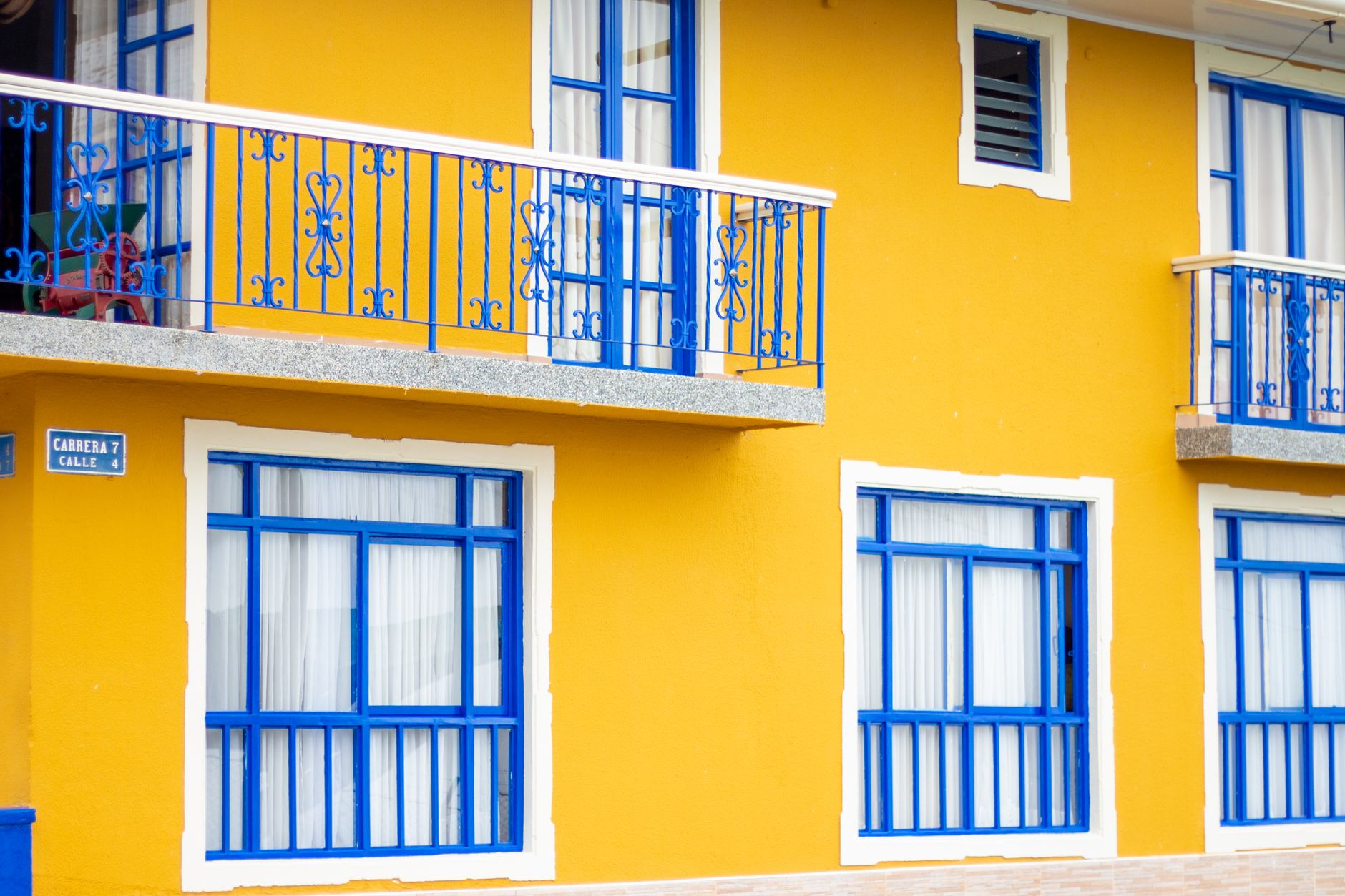
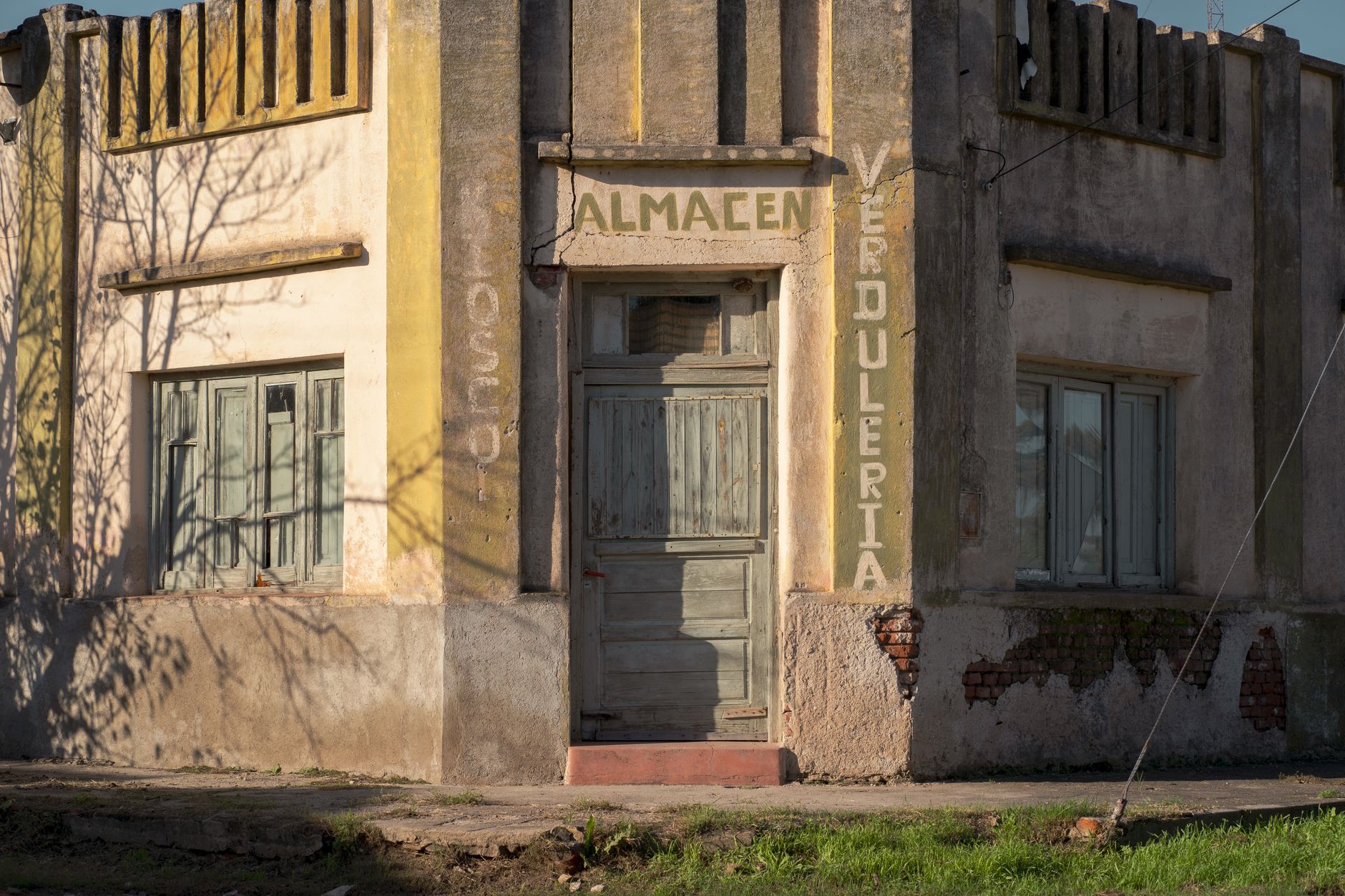

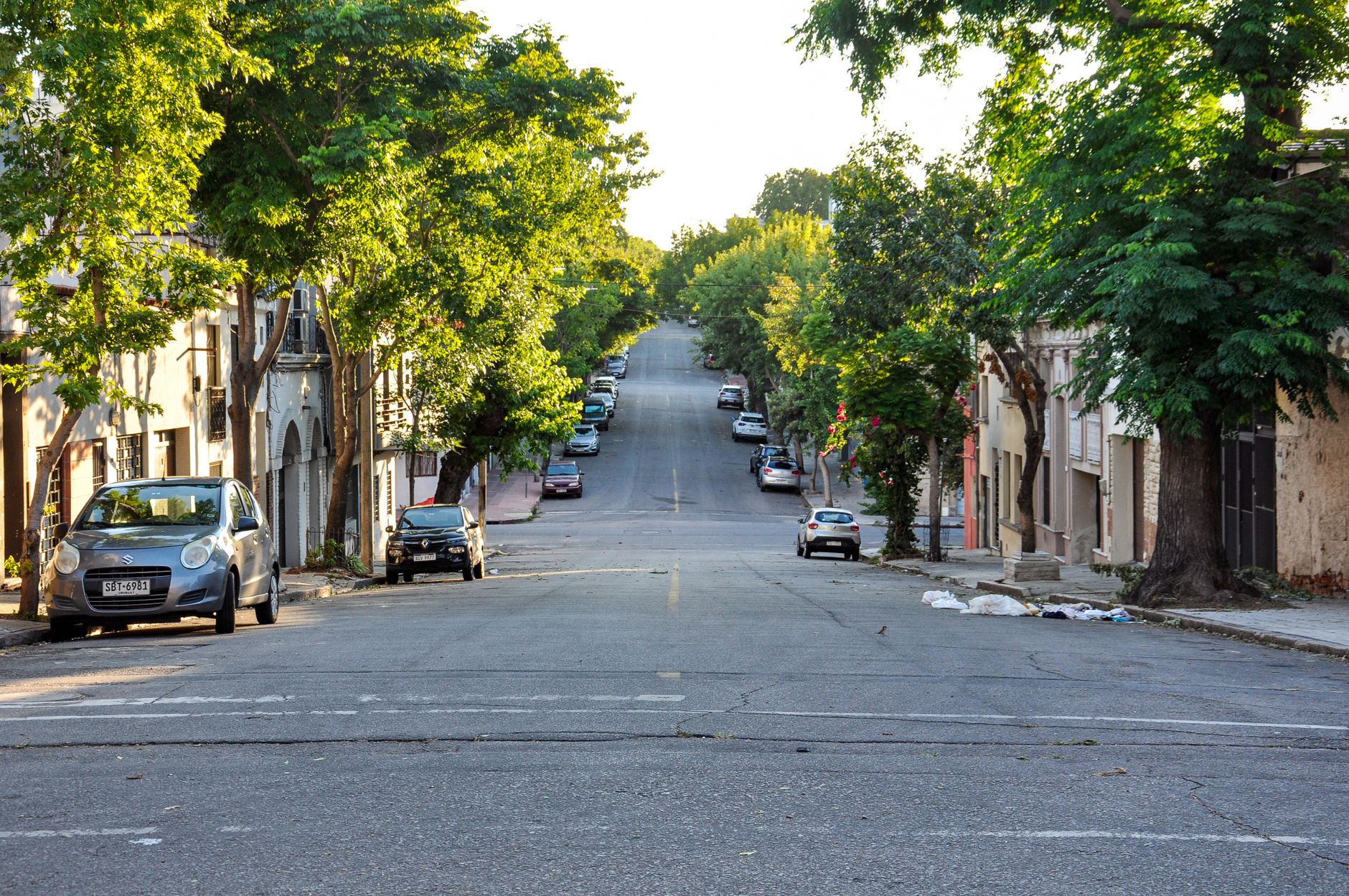
Buenavista perches on a ridge one hour south of Armenia by local bus, known for estate coffee grown on steep Andean slopes and sweeping valley lookouts. Life moves quietly around Plaza Bolívar, where growers meet over small cups of tinto. Buenavista is worth visiting if you want single-origin coffee tastings at terrace fincas and ridge walks without tour groups. Look elsewhere if you need late-night bars, paved flat walks, or a wide roster of museums.
Last updated 15 Oct 2026
Build a Buenavista itinerary.
Choose up to 4 threads that pull you in. Your plan arrives organised around them.
The Bed
Where to stay in Buenavista
Which part of town to book, and what each one costs you in walking, noise or quiet.
The Comparison
Buenavista, or somewhere near it
The places you are realistically choosing between, and the honest case for each.
The Local Record
Where to read more about Buenavista
The blogs, boards, guides and operators worth bookmarking.
What to do in Buenavista Quindío Colombia
Built along a high spine in southern Quindío, Buenavista is small enough to walk in fifteen minutes. Days here orbit around quiet coffee drinking on Plaza Bolívar, afternoon weather shifts rolling over the Cauca Valley, and steep hillside climbs. It suits travellers who appreciate agricultural rhythms, world-class single-origin beans, and a mountain town that has kept its working character intact.
24 hours in Buenavista Quindío Colombia
Start early with tinto on Plaza Bolívar, then walk twenty minutes up to Café San Alberto for a guided coffee tasting overlooking the valley. Spend the afternoon hiking to Alto de La Cruz, then order fried trout and patacones at a family fonda near Calle Real by dusk. Select 1 Day above to see it.
2 days in Buenavista Quindío Colombia
A second day lets you launch from Cerro Las Tres Cruces for a morning paraglide over the ridges. Afterward, visit an independent smallholder finca down Camino a La Mina, followed by a hearty bowl of sancocho cooked over firewood at a roadside comedor. Choose 2 Days to expand the plan.
3 days in Buenavista Quindío Colombia
With three days, take a morning Jeep or bus into nearby Pijao to explore its preserved bahareque facades and tranquil plazas without rushing. Return for an unhurried sunset watching low clouds gather below the ridgeline over a local craft beer.
Buenavista Quindío Colombia itineraries by interest
Specialty Coffee in Buenavista Quindío Colombia
Drink estate Castillo and Geisha beans at Café San Alberto or visit small family fincas along the ridge for guided cuppings and hand-picked cherries.
Paragliding in Buenavista Quindío Colombia
Launch into the valley updrafts from Cerro Las Tres Cruces or El Picacho for tandem flights over terraced coffee groves and banana trees.
Local Dining in Buenavista Quindío Colombia
Sit down to bandeja paisa with fried pork belly, sancocho de gallina, and arepas de chócolo served in no-nonsense fondas around the central plaza.
Birdwatching in Buenavista Quindío Colombia
Spot Cauca guans, motmots, and hummingbirds in the cloud forest patches and native bamboo guadua stands flanking the upper mountain trails.
Hillside Walks in Buenavista Quindío Colombia
Climb the steep concrete stairways up to Alto de La Cruz for sunset views stretching across the Valle del Cauca and Quindío coffee country.
Town Squares in Buenavista Quindío Colombia
Plaza Bolívar offers shaded benches, street carts pouring dark tinto from metal flasks, and quiet evening games of billiards with local farmers.
Plantation Tours in Buenavista Quindío Colombia
Walk the working slopes of traditional haciendas to watch wet milling, sun drying on open-air patios, and hand-sorting of ripe coffee beans.
Day Trips in Buenavista Quindío Colombia
Ride local chiva buses along winding mountain roads to neighboring Pijao for preserved bahareque architecture and slow-paced village life.
Pastries & Sweets in Buenavista Quindío Colombia
Try warm buñuelos, fresh pan de bono, and cuajada con melao served alongside hot chocolate at small bakeries just off Calle Real.
Mountain Biking in Buenavista Quindío Colombia
Tackle rutted dirt roads and punishing climbs descending through cloud forest and citrus orchards down toward the valley floor at La Paila.
Craft Traditions in Buenavista Quindío Colombia
Search out local woodworkers and woven guadua bamboo crafts made by regional artisans in simple workshops tucked behind the main square.
Scenic Viewpoints in Buenavista Quindío Colombia
Stop at hillside miradores along the road from Armenia where cloud inversions roll across the green ridges of the Central Cordillera.