Bwejuu.


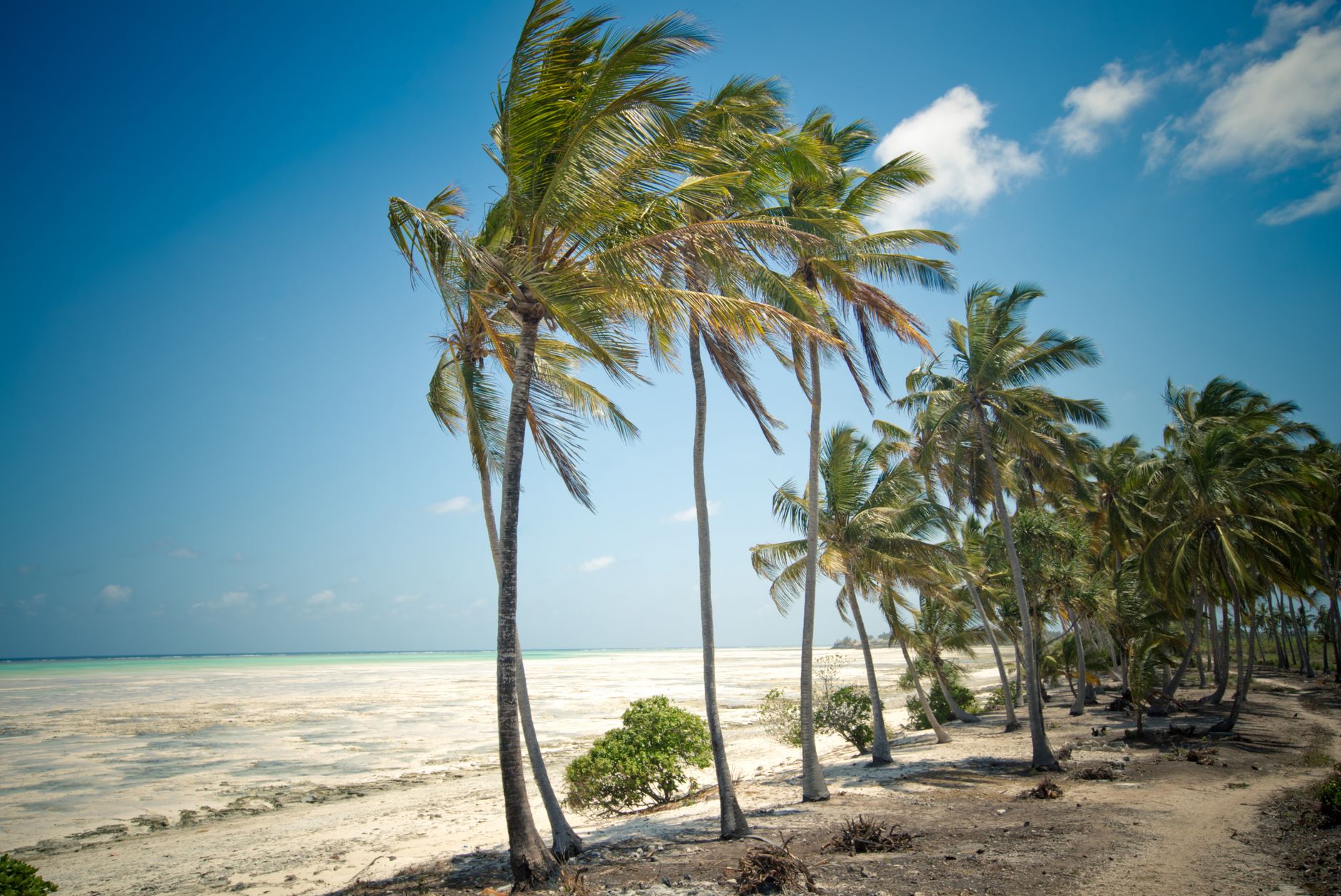
Bwejuu sits on Zanzibar's southeast coast, an hour's taxi ride from Stone Town and the airport. The village is known for calm white sands, traditional seaweed farming, and Indian Ocean tides that pull the sea back half a kilometre. Bwejuu is worth visiting if you want unhurried reef walks, quiet Swahili village rhythm, and fresh octopus curry right off the boat. Look elsewhere if you want late-night beach bars, luxury shopping, or swimming during low tide.
Last updated 30 Oct 2026
Build a Bwejuu itinerary.
Choose up to 4 threads that pull you in. Your plan arrives organised around them.
The Bed
Where to stay in Bwejuu
Which part of town to book, and what each one costs you in walking, noise or quiet.
The Comparison
Bwejuu, or somewhere near it
The places you are realistically choosing between, and the honest case for each.
The Local Record
Where to read more about Bwejuu
The blogs, boards, guides and operators worth bookmarking.
What to do in Bwejuu Zanzibar South Tanzania
Life in Bwejuu runs according to the lunar tide table rather than a clock. This quiet stretch of Zanzibar South offers an unhurried coastal rhythm where mornings are for reef walking and afternoons belong to hammock reading. The village itself sits just behind the beach, populated by fishermen and seaweed harvesters. It suits travellers who prefer quiet sand, genuine Swahili hospitality, and slow dinners over manicured resort itineraries.
24 hours in Bwejuu Zanzibar South Tanzania
Begin at dawn with a low-tide stroll along the flats as seaweed farmers start their harvest. By midday, grab a wooden chair at a village eatery for coconut octopus curry and cold spiced tea. Spend the late afternoon swimming as the tide floods in, then walk to the sand for freshly grilled snapper cooked over open coals under the palms. Select 1 Day above to see it.
2 days in Bwejuu Zanzibar South Tanzania
Use your second morning to take a short dala-dala ride south to Paje and Jambiani to watch kite surfers and explore the Kuza Cave swimming hole. Return to Bwejuu for an evening meal of chapati, spiced lentils, and grilled squid at a family-run banda while listening to the surf hit the outer reef. Choose 2 Days to expand the plan.
3 days in Bwejuu Zanzibar South Tanzania
A third day allows an unhurried morning trip into Jozani Chwaka Bay National Park to spot rare red colobus monkeys in the mahogany canopy. Head back to Bwejuu in the afternoon to charter an outrigger canoe for offshore drift snorkelling, finishing with fried cassava and spiced coffee at the roadside stalls.
Bwejuu Zanzibar South Tanzania itineraries by interest
Local Seafood in Bwejuu Zanzibar South Tanzania
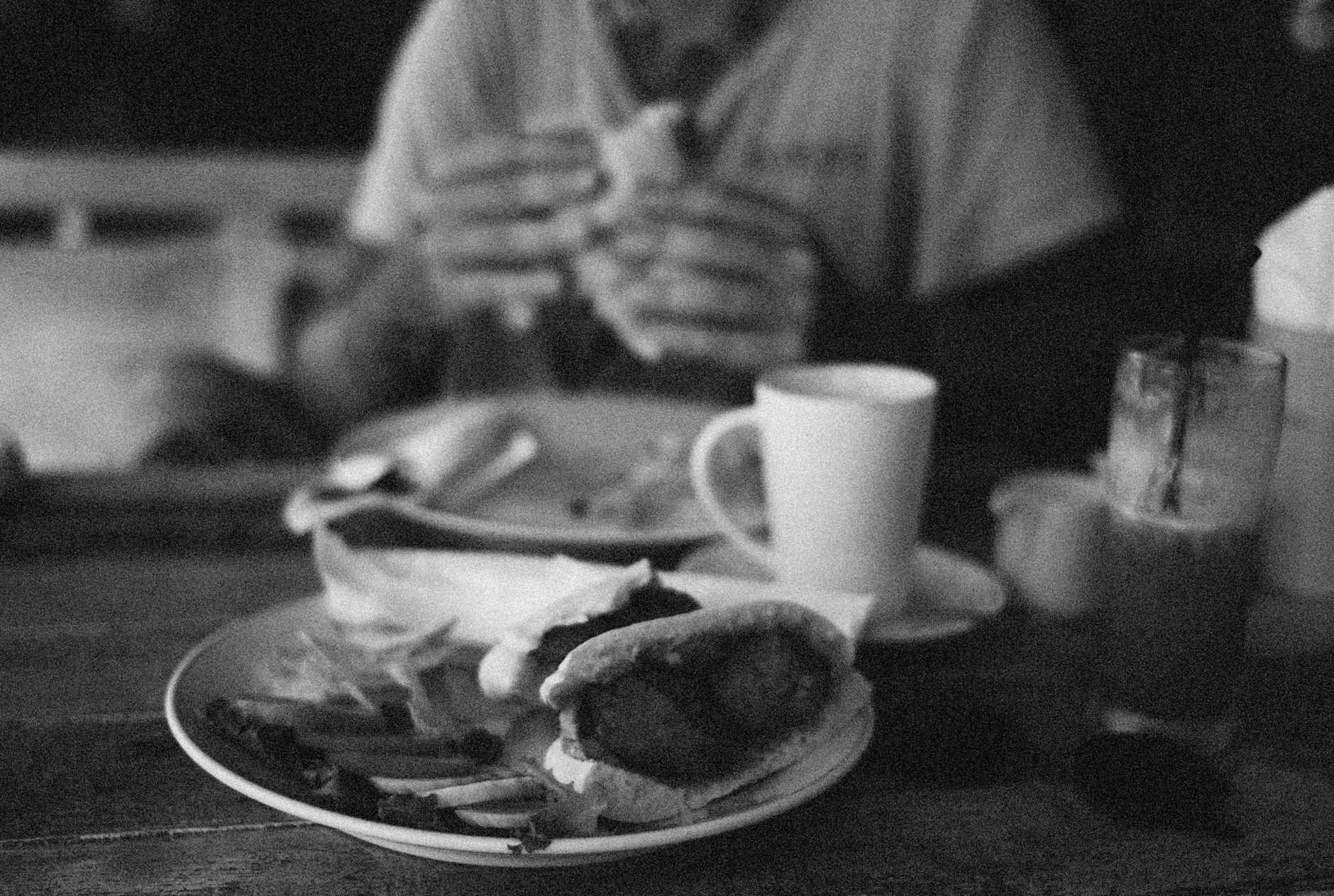
Order mchuzi wa pweza, a rich coconut octopus curry simmered with turmeric and garlic, served with spiced rice at modest roadside banda kitchens.
Coastal Walks in Bwejuu Zanzibar South Tanzania
Strap on reef shoes at low tide to walk the coral flats toward the outer reef, spotting sea urchins, starfish, and local fishermen wading the shallows.
Village Life in Bwejuu Zanzibar South Tanzania
Wander the coral-rag lanes behind the beach where children play football, women dry cassava on reed mats, and neighbours greet you with warm jambo calls.
Traditional Agriculture in Bwejuu Zanzibar South Tanzania
Watch the women of Bwejuu tend coastal seaweed farms at low tide, tying red algae to timber pegs driven into the sand for cosmetic and culinary export.
Boat Excursions in Bwejuu Zanzibar South Tanzania
Hire a wooden ngalawa outrigger canoe from a local captain to sail past the breaking reef for morning line fishing and open-water snorkelling.
Day Trips in Bwejuu Zanzibar South Tanzania
Take a fifteen-minute shared dala-dala south to Paje for kite surfing rentals, or head north to Michamvi for sunset dhow cruises across Chwaka Bay.
Street Food in Bwejuu Zanzibar South Tanzania
Snack on hot urojo soup bowls, fried cassava chunks dusted with chili salt, and sweet vitumbua rice pancakes sold from small wooden carts at dusk.
Nature & Wildlife in Bwejuu Zanzibar South Tanzania
Search for red colobus monkeys and mangrove crabs twenty minutes west along the road in the mahogany canopy of Jozani Chwaka Bay National Park.
Local Markets in Bwejuu Zanzibar South Tanzania
Browse morning fish stalls where fishermen unload red snapper, kingfish, and squid directly from dhows onto the sand beside the main village road.
Cycling Routes in Bwejuu Zanzibar South Tanzania
Rent a sturdy single-speed bicycle to ride the hard-packed sand at low tide south toward Jambiani or north along quiet palm-shaded dirt tracks.
Ocean Swimming in Bwejuu Zanzibar South Tanzania
Time your swimming around the high tide cycle when turquoise water fills the lagoon right up to the coconut palms, ideal for calm, unhurried floating.
Cultural Heritage in Bwejuu Zanzibar South Tanzania
Learn Swahili cooking techniques in a family courtyard, crushing fresh cardamom, grating fresh coconut with a mbuzi, and frying chapati over charcoal.