


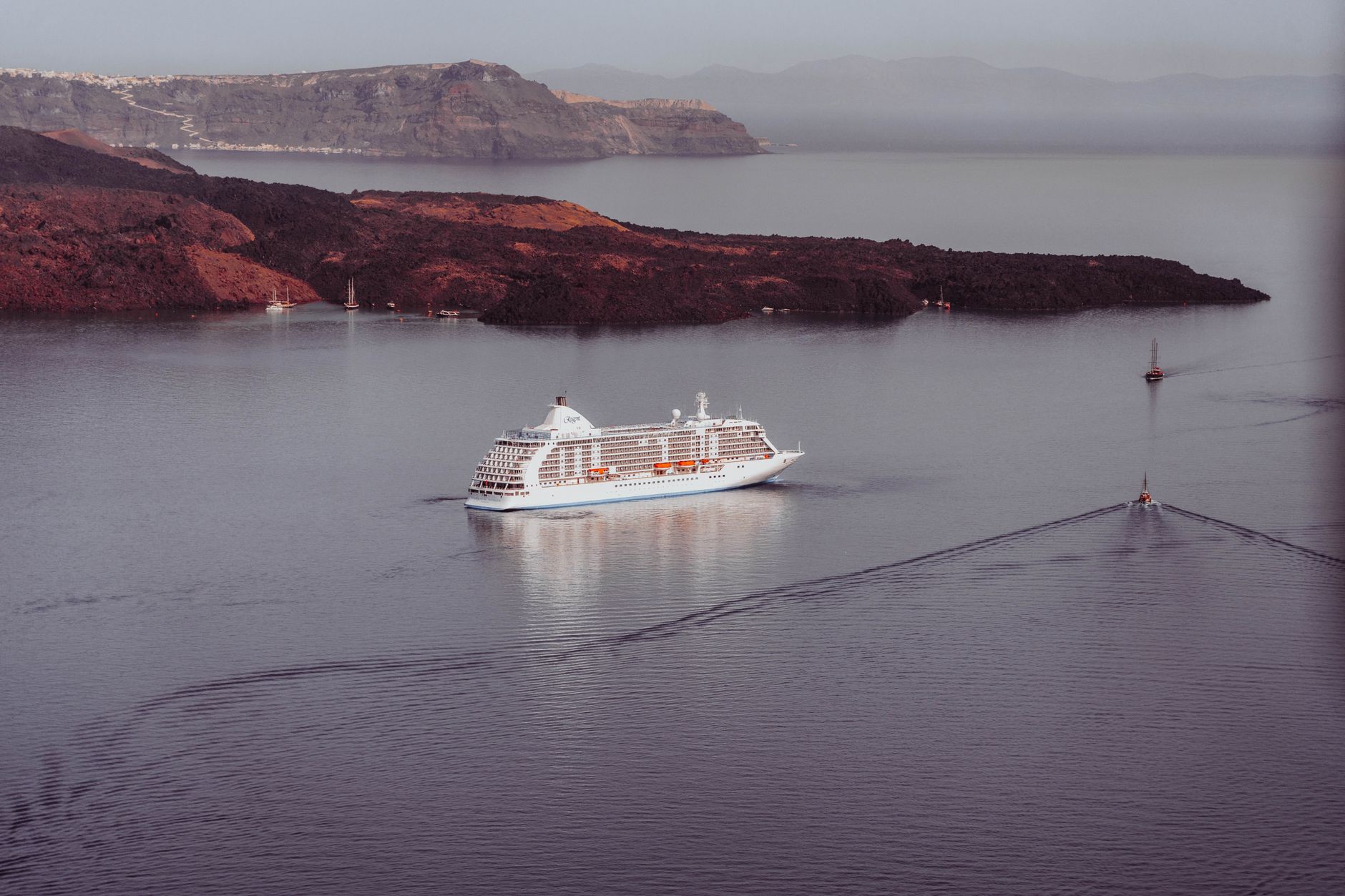

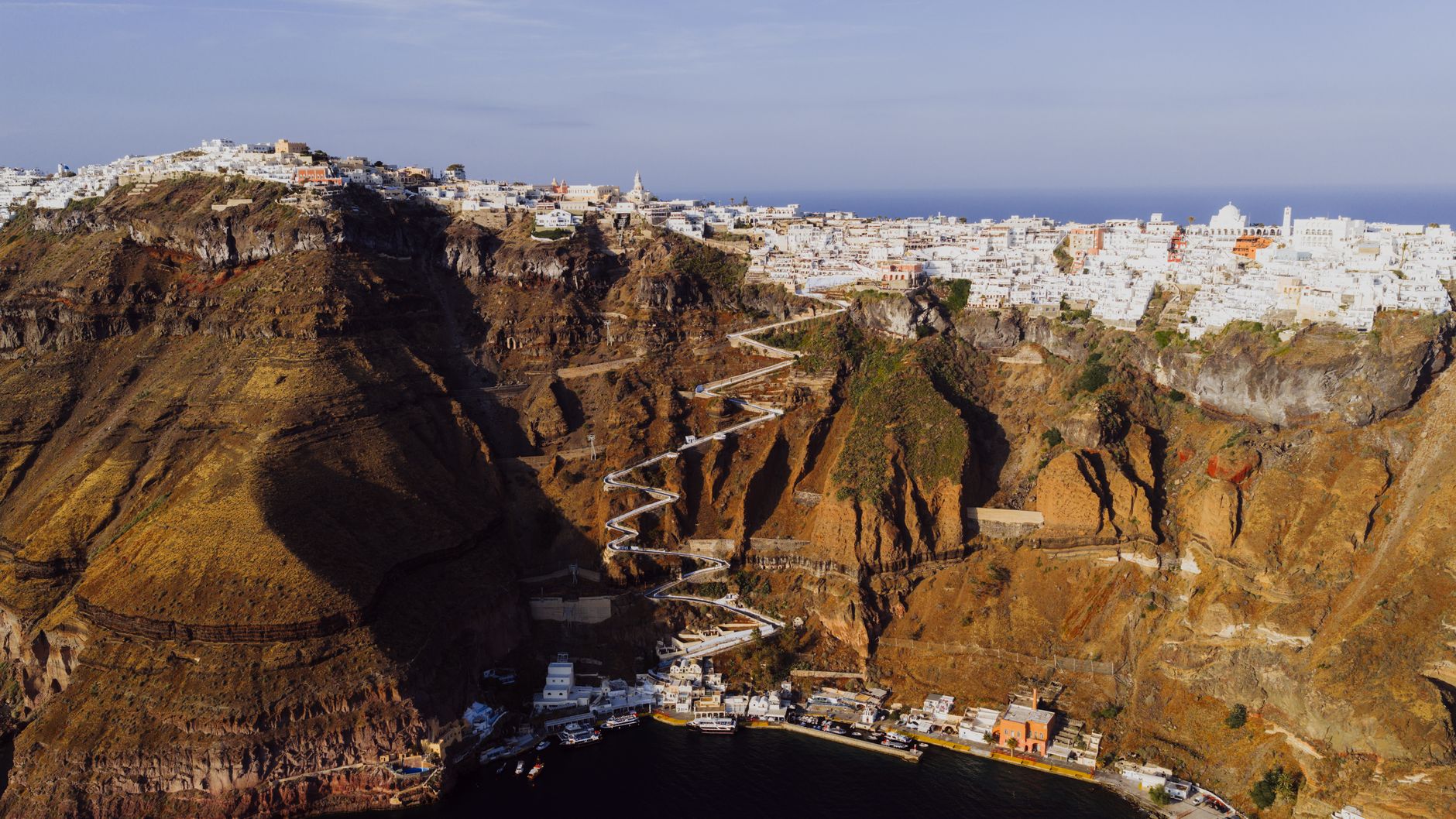
Caldera sits on the Atacama coast, twenty minutes northwest of Desierto de Atacama Airport along Route 5. It is known for its working fishing wharf, exceptional scallops, and Chile's oldest railway station dating from 1851. Caldera is worth visiting if you want to eat fresh scallops and razor clams by the dock and explore unvarnished northern coastal history. Look elsewhere if you want polished nightlife, lush green parks, or extensive museum collections.
Last updated 16 Nov 2026
Build a Caldera itinerary.
Choose up to 4 threads that pull you in. Your plan arrives organised around them.
The Bed
Where to stay in Caldera
Which part of town to book, and what each one costs you in walking, noise or quiet.
The Comparison
Caldera, or somewhere near it
The places you are realistically choosing between, and the honest case for each.
The Local Record
Where to read more about Caldera
The blogs, boards, guides and operators worth bookmarking.
What to do in Caldera Atacama Chile
Life here revolves around the wooden pier and Plaza Condell. Mornings begin with the sound of diesel engines and sea lions barking along the waterfront, followed by long lunches over plates of scallops. It is a salt-dusted, working port suited to travellers who prefer honest coastal routine, straightforward fish cookery, and dry desert air over curated resort comforts.
24 hours in Caldera Atacama Chile
Start at the morning fish terminal on the waterfront, inspecting the catch beside the pelicans. Tour the 1851 railway station on Calle Cousiño, then take a ten-minute collective taxi south to Bahía Inglesa for lunch of ostiones vivos at El Coral. Finish back in Caldera with an evening walk along Playa Mansa. Select 1 Day above to see it.
2 days in Caldera Atacama Chile
Spend day two exploring the geology at Santuario de la Naturaleza Granito Orbicular, just eleven kilometres north. Head onward to the quiet coves of Bahía Loreto, and end the afternoon with rich paila marina fish soup and warm marraqueta bread at a family picada along Avenida Diego de Almeyda. Choose 2 Days to expand the plan.
3 days in Caldera Atacama Chile
A third day allows an unhurried drive north to Parque Nacional Pan de Azúcar. Take the trail through coastal fog up to the cliff viewpoint overlooking Isla Pan de Azúcar, then stop in the fishing hamlet of Caleta Pan de Azúcar for fried congrio before driving back through the desert dusk.
Caldera Atacama Chile itineraries by interest
Local Seafood in Caldera Atacama Chile
Slurp live ostiones with lemon on the pier, or order fried reineta and bubbling machas a la parmesana from family stalls at the Muelle Pesquero.
Railway History in Caldera Atacama Chile
Inspect the 1851 wooden train terminal on Calle Cousiño, built by William Wheelwright for the Copiapó railway that carried silver to the docks.
Palaeontology in Caldera Atacama Chile
Walk the interpretive loop at Bahía Inglesa's Cerro Ballena, where fossilised baleen whales and giant sharks lie preserved in the desert shale.
Harbour Life in Caldera Atacama Chile
Watch pelicans and sea lions fight for offal as artisanal wooden boats unload fresh congrio and piure every morning beside the fishers' cooperative.
Beaches in Caldera Atacama Chile
Ride six kilometres south to Bahía Inglesa for white sand and calm shallows at Playa La Piscina, sheltered from the heavier Pacific swell.
Desert Coastline in Caldera Atacama Chile
Track the salt-crusted tracks through Morro Negro and Puerto Viejo, where wind-carved granite bluffs drop straight into cold northern currents.
Sacred Architecture in Caldera Atacama Chile
Step into the 1862 Iglesia San Vicente de Paul on Plaza Condell, constructed with Oregon pine, clay floors, and prefabricated French iron arches.
Day Trips in Caldera Atacama Chile
Drive seventy kilometres north to Parque Nacional Pan de Azúcar for Humboldt penguin colonies and coastal fog trails above cactus-covered cliffs.
Casual Dining in Caldera Atacama Chile
Settle into rustic picadas along Avenida Diego de Almeyda for hot paila marina fish stew, pastel de jaiba crab pie, and cold local beer.
Local Markets in Caldera Atacama Chile
Browse the morning produce stalls behind the plaza for dried kelp, coastal goat cheese, pickled cochayuyo, and sweet Copiapó valley olives.
Coastal Geology in Caldera Atacama Chile
Examine the granite outcrops at Santuario de la Naturaleza Granito Orbicular, showcasing rare mineral spherules formed millions of years ago.
Boat Excursions in Caldera Atacama Chile
Hire an artisanal wooden panga from the pier for a thirty-minute tour around the bay to see sea lion colonies lounging on offshore islets.