Cape Charles.



Cape Charles sits on Virginia's Eastern Shore, forty-five miles north of Norfolk across the Chesapeake Bay Bridge-Tunnel. Built in the 1880s as a rail and ferry port, it is known for its quiet Chesapeake shallows and restored Victorian cottages. Cape Charles is worth visiting if you want fresh oysters at the dock, warm shallow water, and a slow town easily explored by bicycle. Look elsewhere if you want loud nightlife, large ocean resorts, or heavy commercial strips.
Last updated 8 Nov 2026
Build a Cape Charles itinerary.
Choose up to 4 threads that pull you in. Your plan arrives organised around them.
The Bed
Where to stay in Cape Charles
Which part of town to book, and what each one costs you in walking, noise or quiet.
The Comparison
Cape Charles, or somewhere near it
The places you are realistically choosing between, and the honest case for each.
The Local Record
Where to read more about Cape Charles
The blogs, boards, guides and operators worth bookmarking.
What to do in Cape Charles Virginia United States
Life in Cape Charles revolves around Mason Avenue, the deep-water harbour, and the quiet beach along Bay Avenue. It is a flat, easily walked town where mornings start with coffee near Central Park and afternoons drift toward the sandbars. The pace suits travellers who appreciate unhurried seafood lunches, historic residential architecture, and sunsets over the Chesapeake Bay without the commercial clutter of traditional oceanfront resort towns.
24 hours in Cape Charles Virginia United States
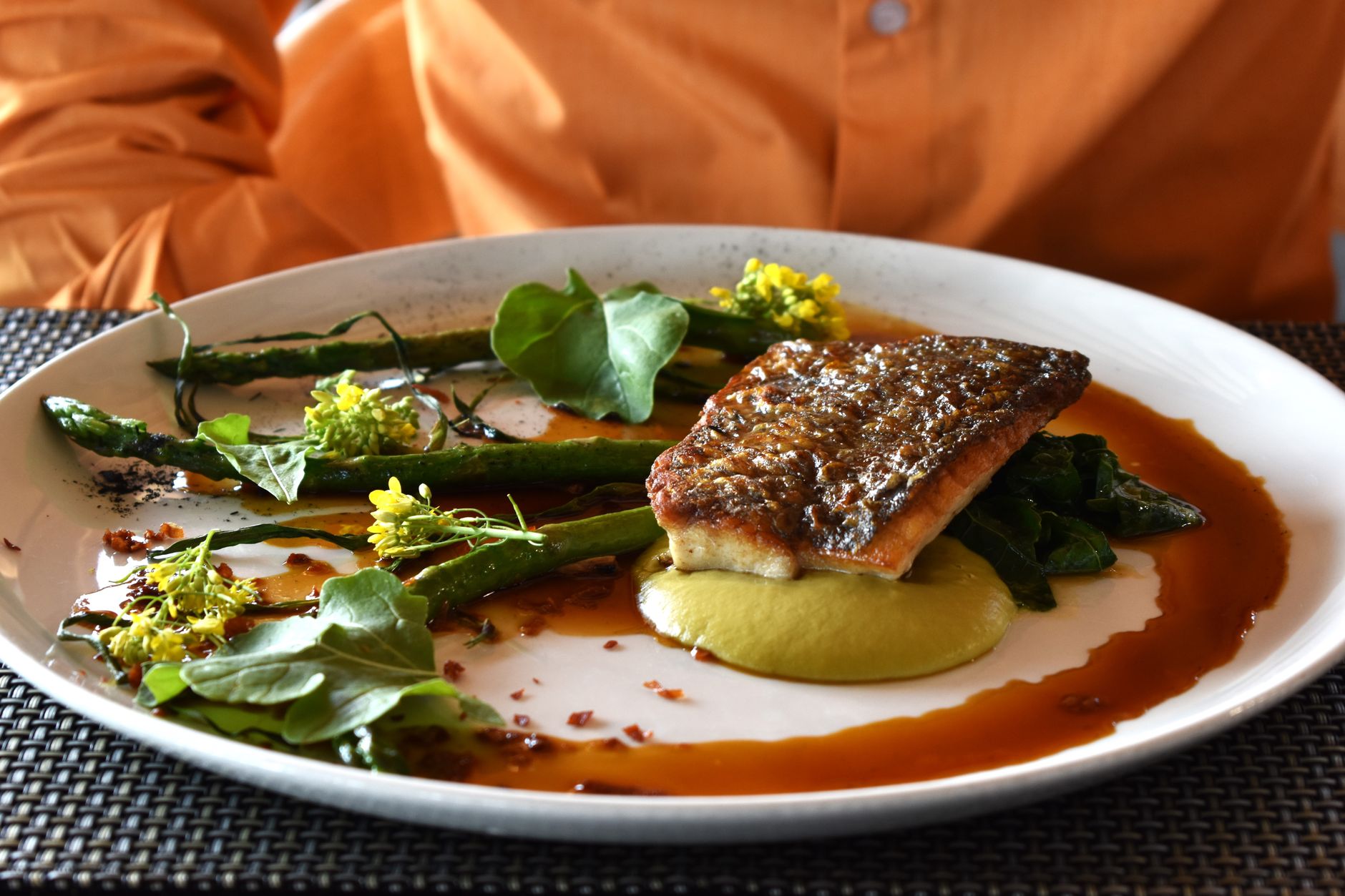
Begin with breakfast on Mason Avenue, then wander the Victorian residential grid toward the Bay Avenue beach for a morning walk. For lunch, order fried oysters at the harbour. Spend the afternoon paddling the bay shallows or browsing local storefronts, finishing with fresh rockfish and a sunset view from the municipal fishing pier. Select 1 Day above to see it.
2 days in Cape Charles Virginia United States
Day two takes you five miles south to Kiptopeke State Park to walk the coastal trails and view the historic concrete ships serving as a breakwater. Head back into town for blue crab cakes, then spend a quiet afternoon browsing the railroad exhibits at the Cape Charles Museum on Plum Street. Choose 2 Days to expand the plan.
3 days in Cape Charles Virginia United States
With a third day, explore the wilder salt marshes of the Eastern Shore of Virginia National Wildlife Refuge at the tip of the peninsula. Afterwards, drive north along Route 13 to sample seaside oysters and visit the tiny working waterman wharves scattered around Willis Wharf and Oyster.
Cape Charles Virginia United States itineraries by interest
Local Seafood in Cape Charles Virginia United States
Slurp local seaside and bayside oysters on the half shell, or order fried soft-shell crab sandwiches straight from harbour shacks along Mason Avenue.
Maritime History in Cape Charles Virginia United States
Examine locomotive artifacts and ferry logs at the Cape Charles Museum, tracing the town's origins as an 1884 Pennsylvania Railroad terminus.
Beaches in Cape Charles Virginia United States
Walk the wide, tide-dependent sandbars along Bay Avenue where the shallow Chesapeake Bay waters remain calm and safe for paddleboards and swimming.
Coastal Walks in Cape Charles Virginia United States
Cross the boardwalk trail at Cape Charles Natural Area Preserve to view coastal maritime forest, dune ecosystems, and migrating songbirds.
Craft Brewing in Cape Charles Virginia United States
Taste oyster stouts and hoppy ales poured inside a converted car dealership on Stone Road at Cape Charles Brewing Company.
Local Architecture in Cape Charles Virginia United States
Admire Queen Anne, Folk Victorian, and Sears catalog kit homes lining the shaded grid between Harbor Avenue and Pine Street.
Birdwatching in Cape Charles Virginia United States
Spot migrating raptors and waterbirds from the hawk watch platform at nearby Kiptopeke State Park each autumn.
Kayaking & Canoeing in Cape Charles Virginia United States
Paddle sit-on-top kayaks through the sheltered saltwater creeks of the Mockhorn Island Wildlife Management Area.
Day Trips in Cape Charles Virginia United States
Drive fifteen minutes north on Route 13 to explore historic wharf buildings and barrier island exhibits in the fishing port of Wachapreague.
Casual Dining in Cape Charles Virginia United States
Pick up hand-churned scoops at the local creamery on Mason Avenue or grab fried clam strips wrapped in paper at a dockside picnic table.
Harbour Life in Cape Charles Virginia United States
Watch working watermen unload catches of blue crabs and clams along the docks of the town harbour as the evening charter boats return.
Bicycle Touring in Cape Charles Virginia United States
Rent a beach cruiser to easily navigate the flat municipal grid from Central Park out to the beachfront fishing pier at Sunset Boulevard.