Castro.


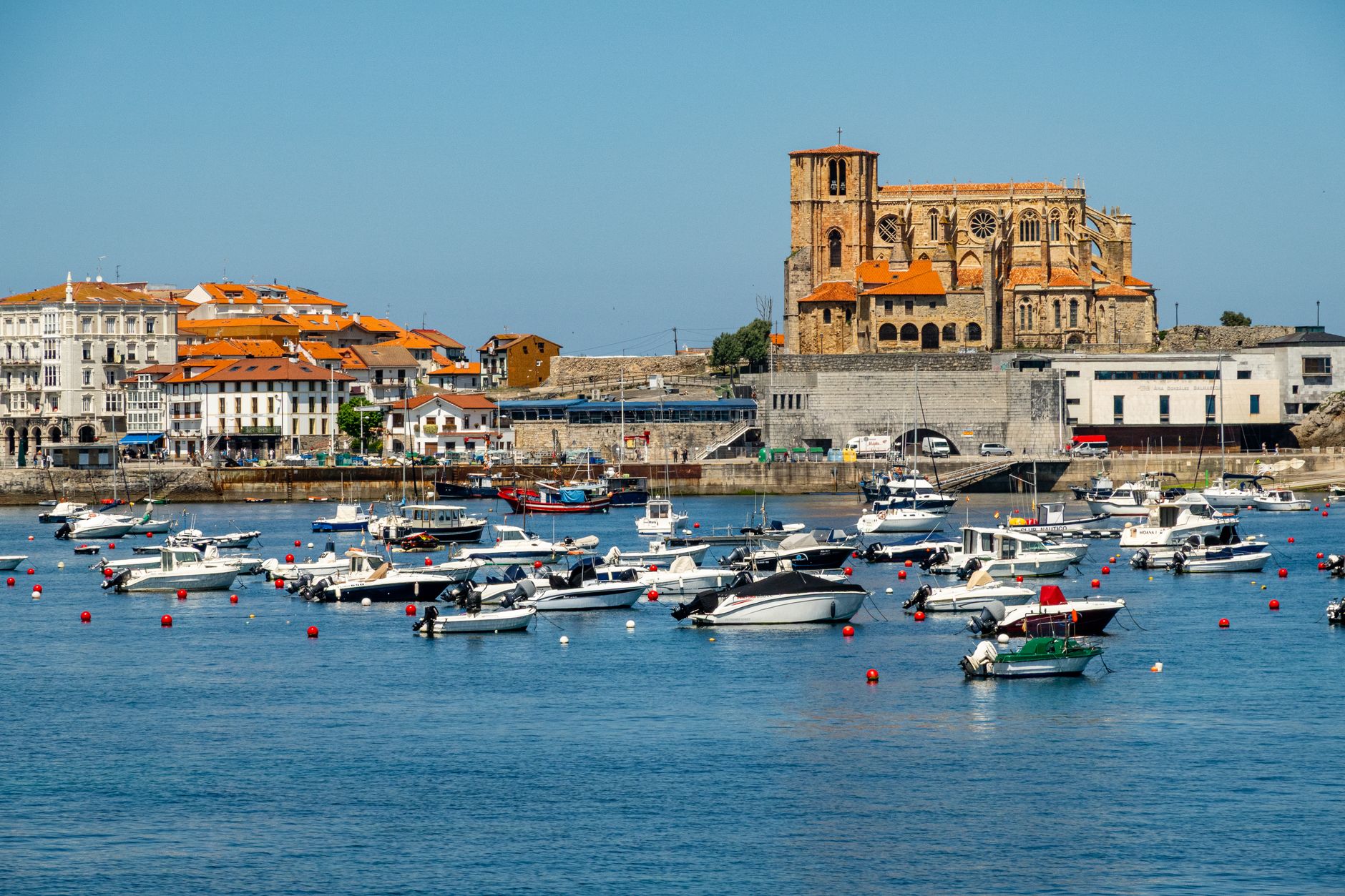
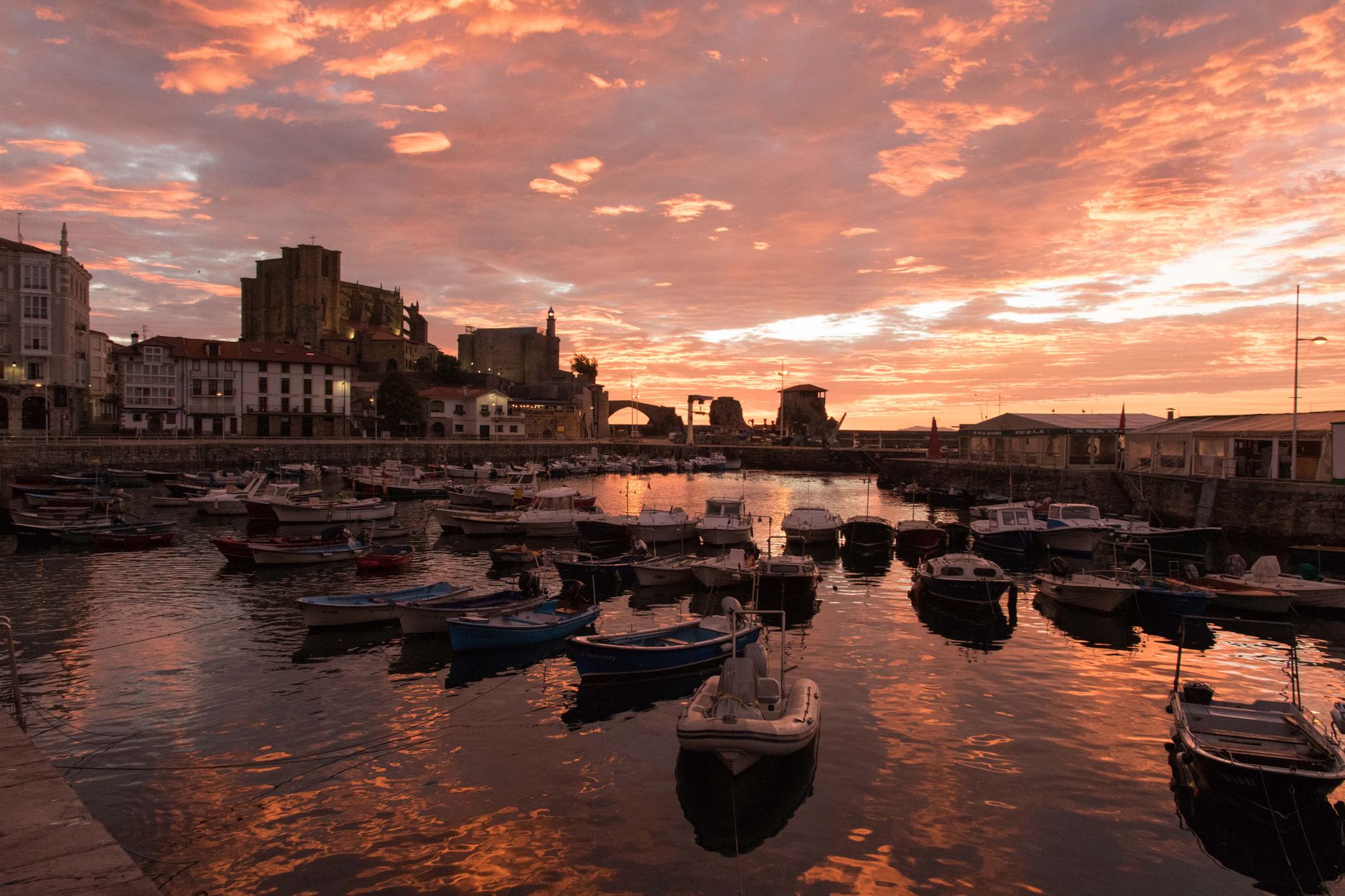

Castro sits on Isla Grande de Chiloé, three hours south of Puerto Montt by bus and ferry across the Chacao Channel. The provincial capital is known for its painted timber palafitos over the tidal estuary and historic wooden churches built without iron nails. Castro is worth visiting if you want to eat steaming curanto, inspect handcrafted alerce architecture, and watch wooden fishing boats work the tides. Look elsewhere if you expect late-night clubs, sandy swimming beaches, or predictable dry weather.
Last updated 19 Oct 2026
Build a Castro itinerary.
Choose up to 4 threads that pull you in. Your plan arrives organised around them.
The Bed
Where to stay in Castro
Which part of town to book, and what each one costs you in walking, noise or quiet.
The Comparison
Castro, or somewhere near it
The places you are realistically choosing between, and the honest case for each.
The Local Record
Where to read more about Castro
The blogs, boards, guides and operators worth bookmarking.
What to do in Castro Región de Los Lagos Chile
Days in Castro revolve around the estuary tides and the weather off the Gulf of Ancud. The town climbs a steep hill from the waterfront palafitos up to Plaza de Armas. Mornings belong to the market stalls at Feria Yumbel; afternoons are for walking the stilt neighbourhoods of Pedro Montt or Gamboa and lingering over warm bowls of cazuela. It suits independent travellers who value regional cooking and carpentry over polished resort comforts.
24 hours in Castro Región de Los Lagos Chile
Start at Iglesia San Francisco before the morning crowds arrive, then walk fifteen minutes down to Feria Yumbel for fresh empanadas de mariscos. Spend the afternoon photographing the Gamboa palafitos from the road bridge, and book a waterfront table on Calle Pedro Montt for evening curanto as the tide rises under the stilts. Select 1 Day above to see it.
2 days in Castro Región de Los Lagos Chile
Day two takes you twenty kilometres north to the boat slipways of Dalcahue and the island of Quinchao. Walk the shingle streets of Curaco de Vélez, visit the 1740 timber church in Achao, and return to Castro for smoked pork ribs and native potato bread at a traditional cocinería. Choose 2 Days to expand the plan.
3 days in Castro Región de Los Lagos Chile
A third day allows the forty-minute trip across the island spine to Cucao and Parque Nacional Chiloé. Walk through moss-draped arrayán forests to the Pacific cliffs at Muelle de las Almas, then finish with a quiet plate of fried robalo at a roadside shack before the evening chill.
Castro Región de Los Lagos Chile itineraries by interest
Local Seafood in Castro Región de Los Lagos Chile
Try paila marina seafood soup, giant barnacles called picorocos, and razor clams at Feria Yumbel, served fresh from the Golfo de Ancud.
Sacred Architecture in Castro Región de Los Lagos Chile
Visit the yellow-and-violet Iglesia San Francisco on the main plaza, built with native alerce and ciprés timber using traditional joinery.
Traditional Cooking in Castro Región de Los Lagos Chile
Order curanto al hoyo, layered with pork, chicken, mussels, and potato milcaos over fire-heated stones wrapped in giant nalca leaves.
Vernacular Architecture in Castro Región de Los Lagos Chile
Walk along the Gamboa and Pedro Montt waterfronts to study stilt palafito houses built from local luma shingles to withstand high tides.
Markets & Produce in Castro Región de Los Lagos Chile
Feria Yumbel fills with smoked mussels on strings, purple Chiloé native potatoes, and sheep-wool sweaters sold by rural farming families.
Island Ferries in Castro Región de Los Lagos Chile
Board the local roll-on ferry across the channel to Achao and Curaco de Vélez to see 18th-century chapels and tidal oyster farms.
Craft Traditions in Castro Región de Los Lagos Chile
Browse the stalls on Calle San Martín for woven Chilote blankets, raw wool slippers, and handmade baskets woven from quila bamboo cane.
Coastal Walks in Castro Región de Los Lagos Chile
Follow the tidal boardwalks of Gamboa at low tide, watching black-necked swans and cormorants feed along the exposed mudflats.
Maritime Heritage in Castro Región de Los Lagos Chile
Inspect traditional wooden skiffs and repair yards along Calle Pedro Montt, where shipwrights caulk timber hulls with ancient methods.
Regional Pastries in Castro Región de Los Lagos Chile
Sit in a corner café near Plaza de Armas for braised apple tart, rosca de chivería, and fried churros served with rich manjar caramel.
National Parks in Castro Región de Los Lagos Chile
Take a morning bus west to Parque Nacional Chiloé at Cucao for boardwalk trails through temperate Valdivian rainforest to the Pacific.
Day Trips in Castro Región de Los Lagos Chile
Drive north to Dalcahue for the Sunday craft market and a bowl of cazuela de cordero with luche seaweed cooked in small timber kitchens.