Chake Chake.


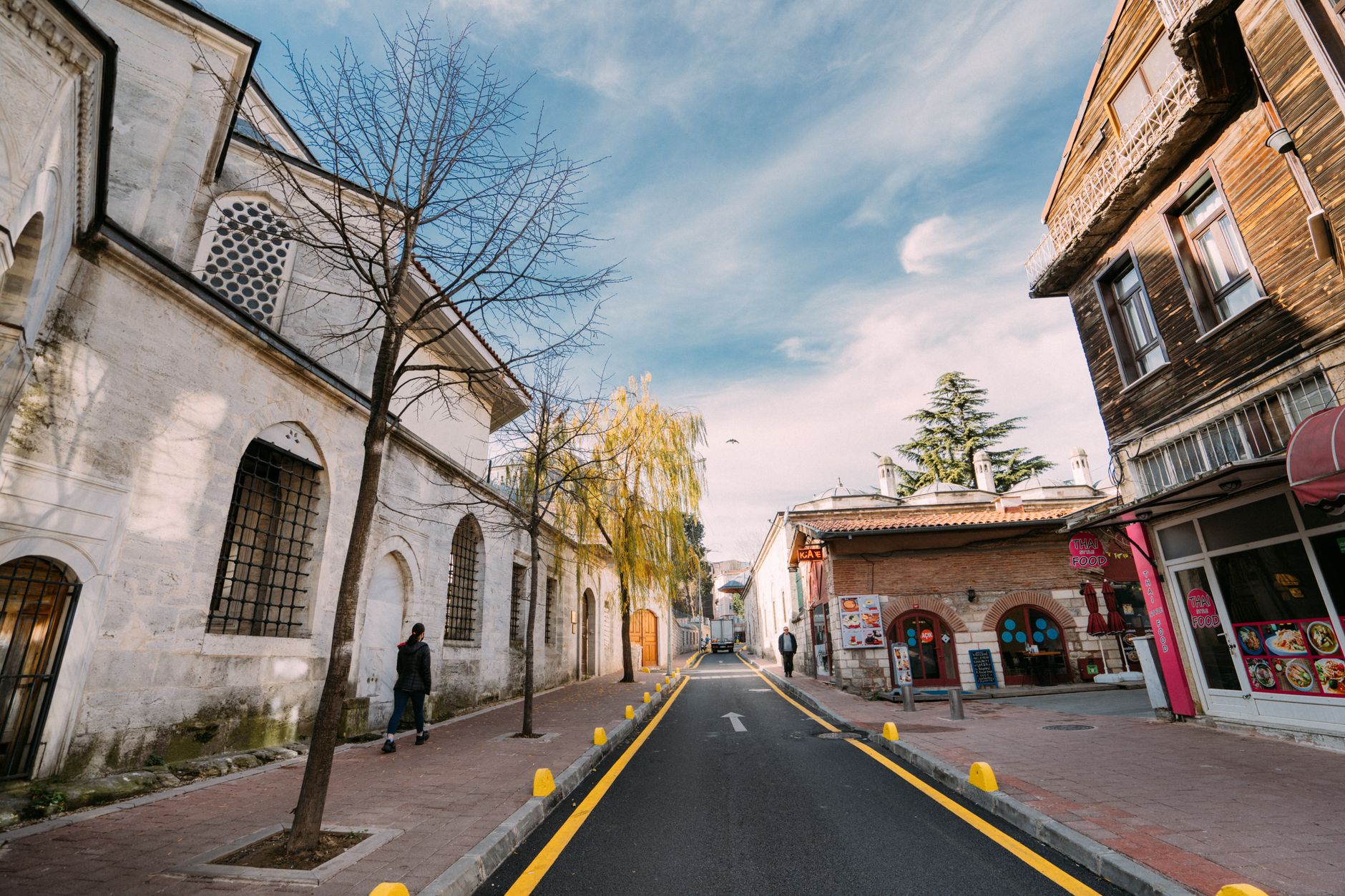
Set on a ridge overlooking Chake Chake Bay, Pemba Island's central hub sits ten minutes north of Karume Airport and forty-five minutes from the Mkoani ferry port. It is known primarily for its sprawling clove warehouses, lively central market, and 18th-century Omani fort museum. Chake Chake is worth visiting if you want working Swahili market life, fragrant spice depots, and historical ruins without resort crowds. Look elsewhere if you require beachside luxury resorts, manicured walking zones, or late-night bars.
Last updated 10 Nov 2026
Build a Chake Chake itinerary.
Choose up to 4 threads that pull you in. Your plan arrives organised around them.
The Bed
Where to stay in Chake Chake
Which part of town to book, and what each one costs you in walking, noise or quiet.
The Comparison
Chake Chake, or somewhere near it
The places you are realistically choosing between, and the honest case for each.
The Local Record
Where to read more about Chake Chake
The blogs, boards, guides and operators worth bookmarking.
What to do in Chake Chake Kusini Pemba Tanzania
Chake Chake is a functional, hilly town that serves as Pemba Island's commercial spine. The daily rhythm is shaped by the morning market trade, the ebb of huge bay tides, and evening street vendors fanning charcoal braziers along Main Road. It suits independent travellers who value unvarnished Swahili culture, agricultural bustle, and quiet island history over curated resort comforts.
24 hours in Chake Chake Kusini Pemba Tanzania
Start early at the covered market for fresh tropical fruit and vitumbua, then spend an hour inside the 18th-century Pemba Museum. After lunch of fried kingfish near the bay, take a ten-minute taxi south to explore the mysterious ramparts of Pujini ruins before returning for evening mishkaki skewers. Select 1 Day above to see it.
2 days in Chake Chake Kusini Pemba Tanzania
A second day lets you hire a boat from the bay out to the pristine coral reefs and white sandbanks of Misali Island. Return by late afternoon to wander the clove-scented ridges around Wambaa, stopping at a roadside stall for a bowl of tart, chili-spiked urojo soup. Choose 2 Days to expand the plan.
3 days in Chake Chake Kusini Pemba Tanzania
With three days, venture north past Wete to the ancient Ngezi Forest Reserve, tracking endemic flying foxes in the dense canopy. Afterwards, wind down to the remote sands of Vumawimbi Beach, finishing with fresh coconut water and grilled octopus prepared on the shore.
Chake Chake Kusini Pemba Tanzania itineraries by interest
Local Seafood in Chake Chake Kusini Pemba Tanzania
Eat charcoal-grilled octopus (pweza) glazed in lime and chili, fried kingfish, and fresh crab caught straight from Chake Chake Bay.
Street Food in Chake Chake Kusini Pemba Tanzania
Find hot bowls of urojo soup topped with kachori, crispy cassava chips, and evening mishkaki skewers grilling beside the central market.
Spice Heritage in Chake Chake Kusini Pemba Tanzania
Walk past tarpaulins piled high with drying cloves, then visit the Zanzibar State Clove Growers warehouse to see raw sacks graded and packed.
Historic Forts in Chake Chake Kusini Pemba Tanzania
Climb through the 18th-century Old Omani Fort, now housing the Pemba Museum with displays on Portuguese skirmishes and island archaeology.
Archaeological Ruins in Chake Chake Kusini Pemba Tanzania
Hire a boda-boda out to the 15th-century fortified settlement of Mkama Ndume at Pujini, complete with ramparts and underground chambers.
Markets & Produce in Chake Chake Kusini Pemba Tanzania
Navigate the covered municipal market for fragrant cardamom pods, mounds of sweet small bananas, fresh ginger, and dried salted fish.
Maritime Traditions in Chake Chake Kusini Pemba Tanzania
Watch shipwrights hand-saw timber and patch wooden dhow hulls along the mangrove mudflats when the massive Chake Chake tide recedes.
Day Trips in Chake Chake Kusini Pemba Tanzania
Take a taxi northwest to the Ngezi Forest Reserve to spot endemic Pemba flying foxes, or take a boat to the sandbars of Misali Island.
Sacred Architecture in Chake Chake Kusini Pemba Tanzania
Listen to the layered afternoon calls to prayer echoing across whitewashed neighbourhood mosques tucked into the hilly residential lanes.
Island Farming in Chake Chake Kusini Pemba Tanzania
Wander the fertile red-soil ridges south of town to see pepper vines, vanilla orchids, and tall coconut groves tended by local smallholders.
Coastal Walks in Chake Chake Kusini Pemba Tanzania
Trek the dirt tracks toward Ras Mkumbuu peninsula at low tide to explore the crumbling 13th-century stone mosque and pillar tombs.
Traditional Breakfasts in Chake Chake Kusini Pemba Tanzania
Order warm vitumbua rice cakes paired with spiced spiced-ginger black tea from street-corner vendors before the midday heat settles in.