Chake Chake.


Chake Chake sits five miles north of Pemba Airport on a high ridge overlooking a tidal bay. The administrative heart of Pemba, it is known for the spice-drying trade and the 18th-century Omani fort housing the island museum. Chake Chake is worth visiting if you want to eat spiced octopus at twilight stalls, learn clove logistics, and use a functional Swahili market town as a base for exploring southern ruins. Look elsewhere if you expect beach-facing resorts, walkable sand shores, or any structured evening nightlife.
Last updated 3 Oct 2026
Build a Chake Chake itinerary.
Choose up to 4 threads that pull you in. Your plan arrives organised around them.
The Bed
Where to stay in Chake Chake
Which part of town to book, and what each one costs you in walking, noise or quiet.
The Comparison
Chake Chake, or somewhere near it
The places you are realistically choosing between, and the honest case for each.
The Local Record
Where to read more about Chake Chake
The blogs, boards, guides and operators worth bookmarking.
What to do in Chake Chake Pemba South Tanzania
Chake Chake perches above a broad tidal mangrove inlet, its daily rhythm dictated by the call to prayer, the morning produce market, and afternoon spice trading. You spend your hours climbing the ridged main road between the Pemba Museum and the tea stalls, escaping midday heat under veranda eaves. It suits independent travellers who value genuine Swahili working-town life and clove-scented air over manicured tourist comforts.
24 hours in Chake Chake Pemba South Tanzania
Spend your morning exploring the Pemba Museum inside the old Omani fort, then grab a midday plate of octopus curry and coconut rice at a market canteen. In the late afternoon, walk ten minutes down to the creek to watch returning dhows before dining on urojo soup and mishkaki skewers at the dusk street stalls along Main Street. Select 1 Day above to see it.
2 days in Chake Chake Pemba South Tanzania
A second day lets you hire a taxi seven miles south to the mossy 13th-century Pujini ruins, hidden among lush oil palms. Return via the port town of Mkoani for grilled kingfish and chapati at the waterfront, finishing back in Chake Chake with spiced ginger tea and sweet peanut kashata from a roadside vendor. Choose 2 Days to expand the plan.
3 days in Chake Chake Pemba South Tanzania
With three days, arrange a wooden motorboat out to the 11th-century Shirazi ruins at Ras Mkumbuu across the bay, timing the crossing with the tide. Alternatively, take the northern road for an hour to Ngezi Forest reserve to walk under ancient ironwood trees and look for roosting Pemba flying foxes.
Chake Chake Pemba South Tanzania itineraries by interest
Street Food in Chake Chake Pemba South Tanzania
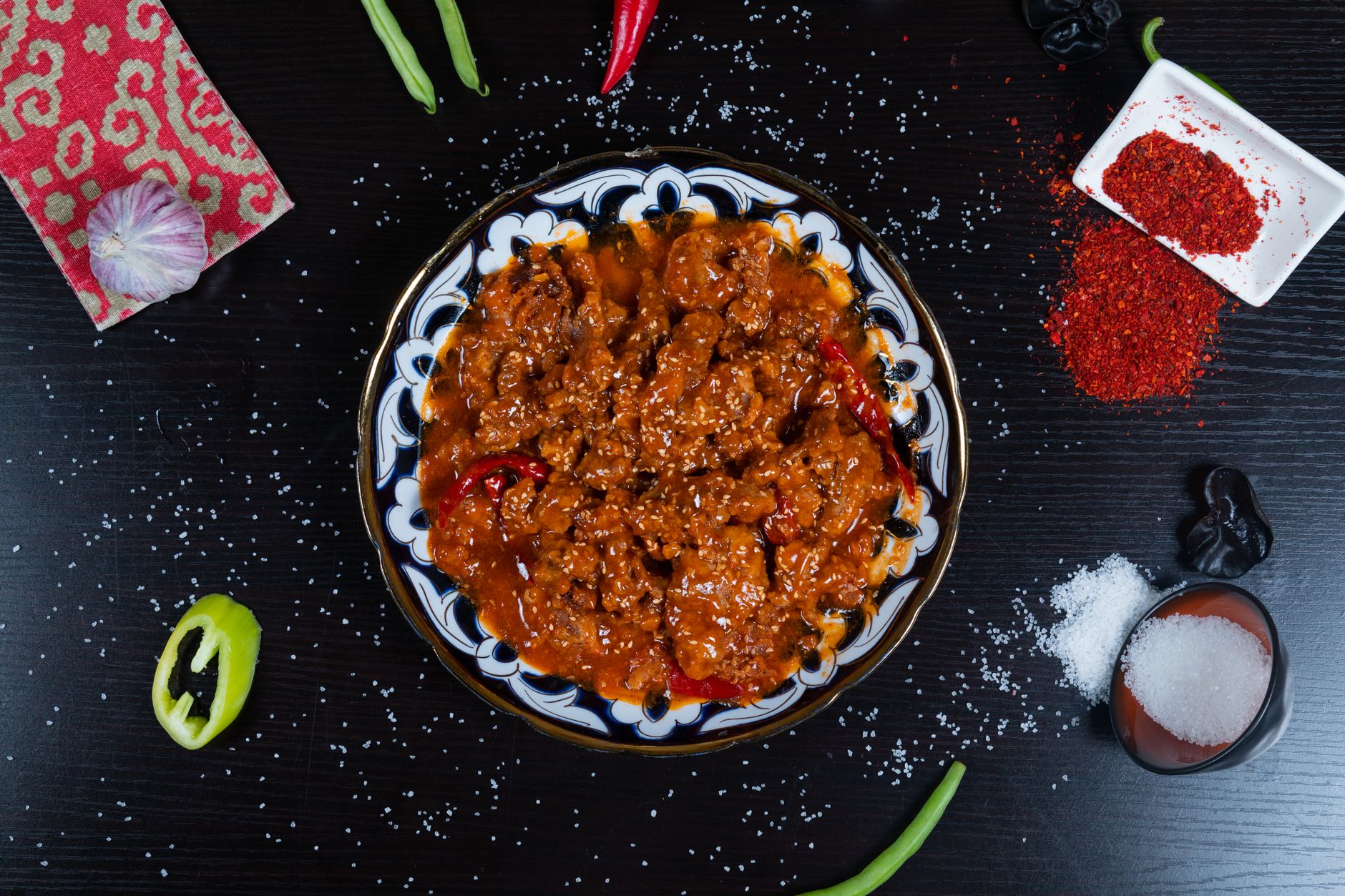
Spoon up urojo potato soup packed with fried bhajias, tamarind chili, and charred beef mishkaki at the dusk street stalls near the central market.
Local Seafood in Chake Chake Pemba South Tanzania
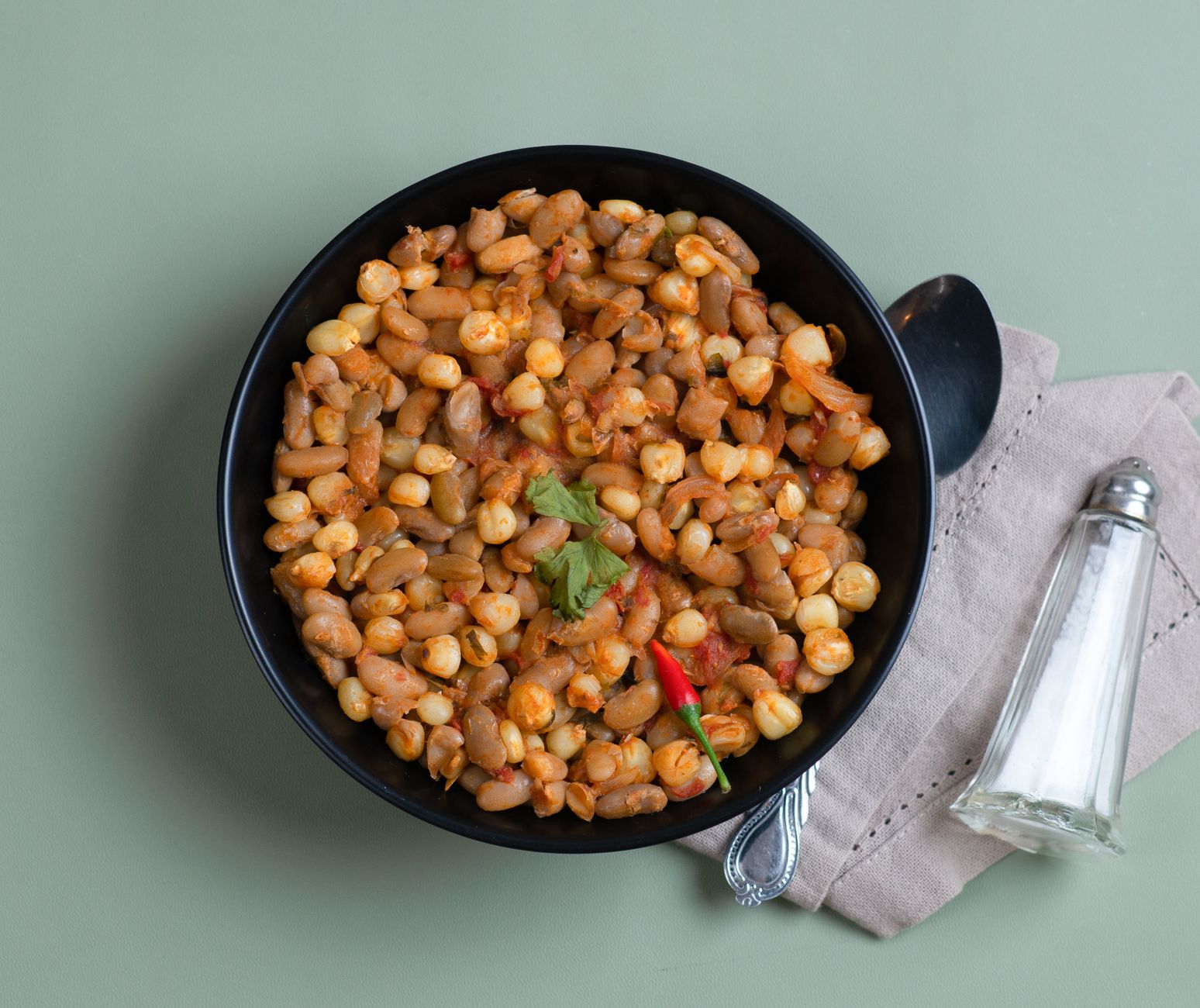
Simmered octopus curry in fresh coconut milk, known as pweza wa nazi, served daily alongside mound-heaped spiced rice in small town canteens.
Spice Agriculture in Chake Chake Pemba South Tanzania
Walk past roadside tarpaulins drying pungent cloves in the midday sun, followed by a visit to the central government clove sorting depot.
Archaeological Ruins in Chake Chake Pemba South Tanzania
Hire a taxi south to the 13th-century Pujini citadel ruins and explore the overgrown ramparts of the tyrannical ruler Mkama Ndume.
Forts & Military History in Chake Chake Pemba South Tanzania
Tour the 18th-century Omani fort in town, now the Pemba Museum, showcasing traditional dhow-building tools and Swahili coastal relics.
Markets & Produce in Chake Chake Pemba South Tanzania
Navigate the covered market stalls for green cardamom pods, fresh cassava roots, mountain bananas, and fragrant wild honey from Ngezi Forest.
Maritime Heritage in Chake Chake Pemba South Tanzania
Watch wooden cargo dhows negotiate the wide tidal flats and mangrove channels at the base of the Chake Chake hill during high water.
Day Trips in Chake Chake Pemba South Tanzania
Take a morning boat west to the Ras Mkumbuu peninsula to inspect 11th-century Shirazi pillar tombs and the ruined Friday Mosque.
Traditional Architecture in Chake Chake Pemba South Tanzania
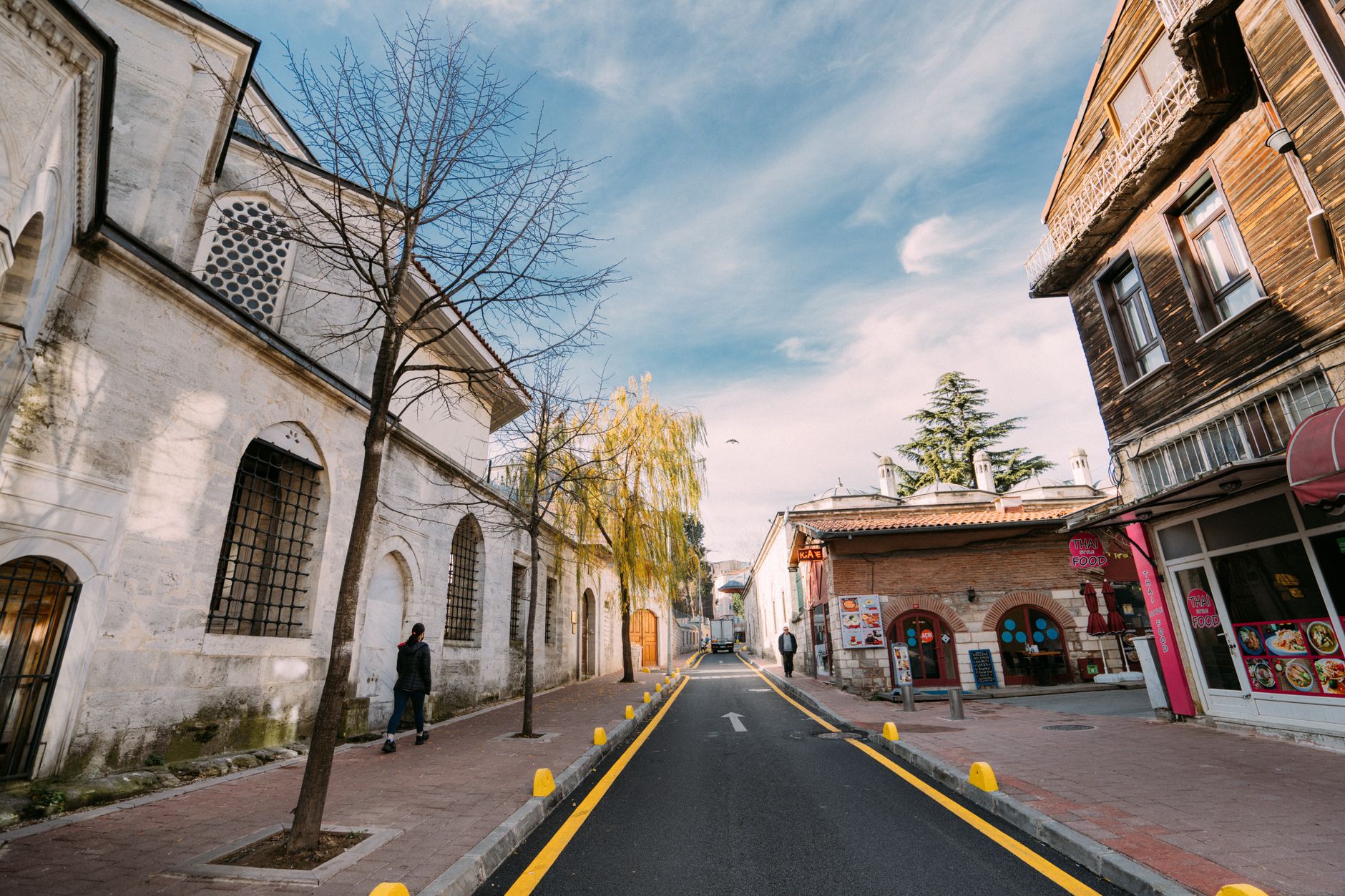
Observe colonial administrative brick buildings, corrugated tin-roof verandas, and carved wooden doors along the central ridge road.
Tea & Coffee Culture in Chake Chake Pemba South Tanzania
Sit at modest street-side benches for sweet black tea brewed with crushed ginger and cinnamon, paired with hot fried mandazi pastries.
Coastal Walks in Chake Chake Pemba South Tanzania
Follow dirt paths down through lush coconut groves to the mangrove fringes of Chake Chake Bay when the afternoon tide begins to retreat.
Island Flora in Chake Chake Pemba South Tanzania
Travel north towards the protected Ngezi Forest reserve to spot endemic Pemba flying foxes roosting in high canopy tree branches.