


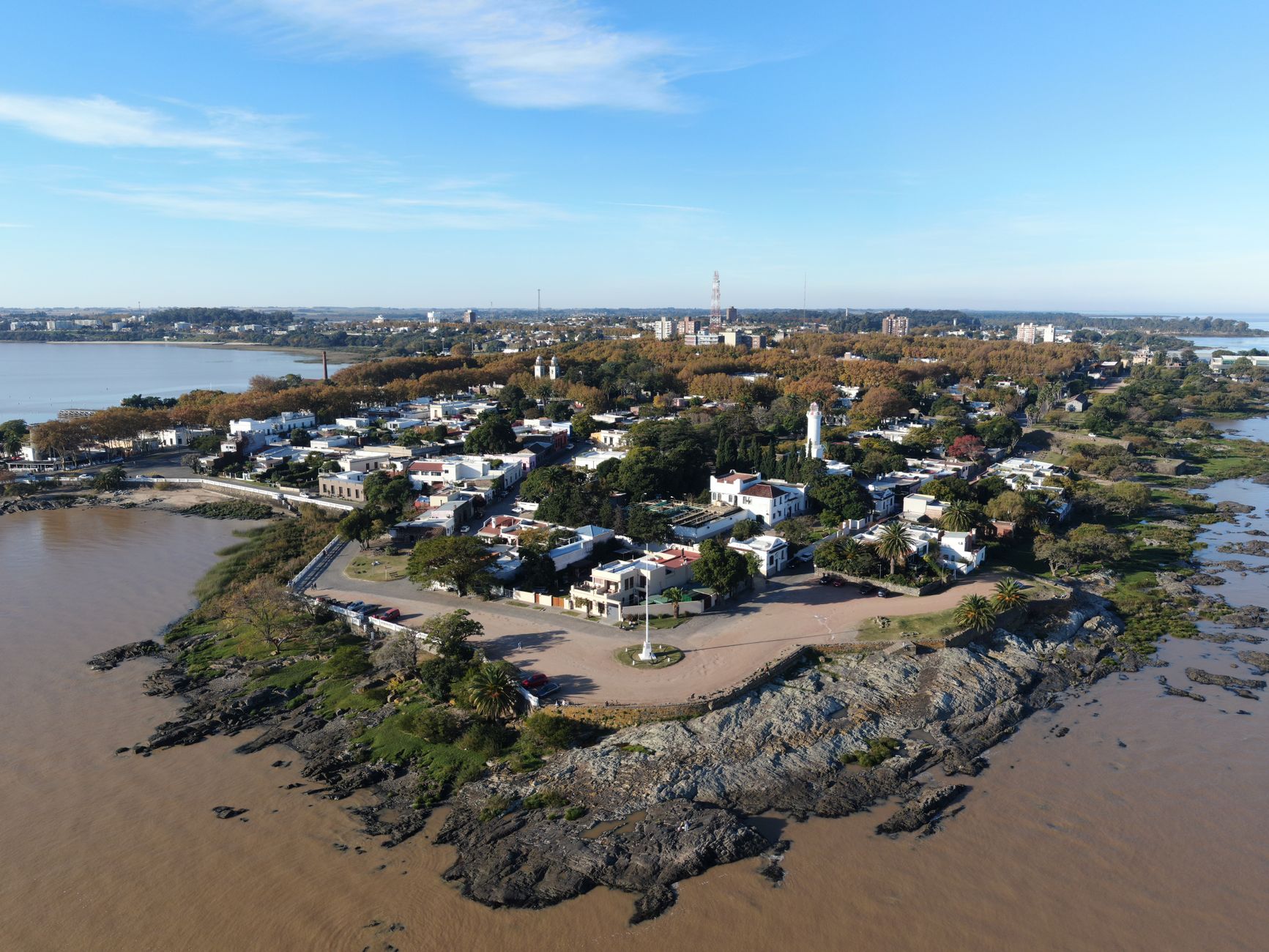


Chañaral sits 165 kilometres north of Copiapó along Ruta 5, roughly a two-hour bus ride through the Atacama coast. It is known for its working fishing caleta and as the base for exploring Parque Nacional Pan de Azúcar. Chañaral is worth visiting if you want wild desert headlands, coastal wildlife colonies, and fresh seafood without resort trappings. Look elsewhere if you require manicured beaches, upscale dining, or late-night entertainment.
Last updated 24 Nov 2026
Build a Chañaral itinerary.
Choose up to 4 threads that pull you in. Your plan arrives organised around them.
The Bed
Where to stay in Chañaral
Which part of town to book, and what each one costs you in walking, noise or quiet.
The Comparison
Chañaral, or somewhere near it
The places you are realistically choosing between, and the honest case for each.
The Local Record
Where to read more about Chañaral
The blogs, boards, guides and operators worth bookmarking.
What to do in Chañaral Atacama Chile
Chañaral is a hard-working northern port caught between the sheer wall of the Atacama and the cold Pacific surf. The day moves with the tides: morning boats unloading rockfish at the caleta, a brisk walk up to the lighthouse, and early afternoons spent driving north into the desert national park. It suits self-reliant travellers who appreciate gritty coastal reality over tourist polish.
24 hours in Chañaral Atacama Chile
Start with black coffee and fresh marraqueta bread before visiting the 1860s wooden church on the plaza. By noon, drive thirty kilometres north to Caleta Pan de Azúcar for a lunch of fried reineta, then take a late afternoon cliff walk to watch pelicans dive against the coastal fog. Select 1 Day above to see it.
2 days in Chañaral Atacama Chile
A second day lets you hire a boatman from the park cove to circle Isla Pan de Azúcar for penguin spotting. Return through the cactus valleys of Quebrada Castillo, ending back in Chañaral for a steaming bowl of paila marina at a harbour eatery. Choose 2 Days to expand the plan.
3 days in Chañaral Atacama Chile
With three days, venture thirty kilometres inland along the dry riverbed toward El Salado, exploring historic mining rail routes and dramatic desert canyons, before an unhurried sunset watching cargo ships from Mirador del Faro.
Chañaral Atacama Chile itineraries by interest
Local Seafood in Chañaral Atacama Chile
Order paila marina or fried congrio at the open-air stalls along the harbour caleta, where boats land rockfish daily.
Coastal Wildlife in Chañaral Atacama Chile
Spot Humboldt penguins, sea otters, and perching boobies along the wave-carved bluffs of nearby Isla Pan de Azúcar.
Desert Landscapes in Chañaral Atacama Chile
Traverse the arid coastal bluffs where marine fog feeds dense fields of endemic Copiapoa cacti and lichens.
Scenic Lookouts in Chañaral Atacama Chile
Climb up to the Mirador del Faro for panoramic views across the Pacific swell and the industrial geometry of the port.
Boat Excursions in Chañaral Atacama Chile
Hire local fishermen at Caleta Pan de Azúcar for morning skiff runs circling the protected offshore penguin colonies.
Hiking in Chañaral Atacama Chile
Walk the Mirador trail in Pan de Azúcar along steep coastal escarpments where the camanchaca fog blankets the desert hills.
Mining Heritage in Chañaral Atacama Chile
Trace nineteenth-century copper smelting history through the weathered rail infrastructure and slag-tinted bay shoreline.
Historic Architecture in Chañaral Atacama Chile
Inspect the 1860s wooden Iglesia Nuestra Señora del Carmen, built with timber shipped around Cape Horn.
Coastal Drives in Chañaral Atacama Chile
Follow the coastal route north along Caleta Zenteno toward secluded rocky coves framed by sheer Atacama bluffs.
Local Markets in Chañaral Atacama Chile
Pick up fresh mariscos, local bread, and seasonal fruit at the downtown Mercado Municipal along Calle Comercio.
Birdwatching in Chañaral Atacama Chile
Scan the rocky shoreline for Guanay cormorants, Peruvian pelicans, and grey gulls feeding along the morning tide.
Day Trips in Chañaral Atacama Chile
Head inland toward El Salado to see old rail depots and stark canyon washes carved through dry pre-Andean hills.