Charleston.
_-_H.C._Foster,_photographer,_Charleston,_S.C_LCCN2016652269.jpg)


Charleston sits on a coastal peninsula two hours south of Columbia along Interstate 26, served by its own international airport twelve miles northwest. The city is defined by its antebellum single houses, tidal salt marshes, and deep Gullah Geechee culinary traditions rooted in Carolina Gold rice and field peas. Charleston is worth visiting if you want to trace original Lowcountry cooking at the source and walk four centuries of brick and harbour frontage on foot. Look elsewhere if you want beaches within walking distance of the historic center, high-energy late-night clubbing, or budget-friendly downtown lodging.
Last updated 7 Sept 2026
Build a Charleston itinerary.
Choose up to 4 threads that pull you in. Your plan arrives organised around them.
The Bed
Where to stay in Charleston
Which part of town to book, and what each one costs you in walking, noise or quiet.
The Comparison
Charleston, or somewhere near it
The places you are realistically choosing between, and the honest case for each.
The Local Record
Where to read more about Charleston
The blogs, boards, guides and operators worth bookmarking.
What to do in Charleston The South United States
Charleston fans out from the Battery point north into walkable grid neighborhoods. Mornings suit quiet strolls past gas lanterns and wrought iron; afternoons belong to shaded piazzas or boat docks; evenings revolve around lengthy seafood suppers. It suits travellers who prize architectural preservation, walking flat historic blocks, and taking their meals seriously without unnecessary hurry.
24 hours in Charleston The South United States
Start early at the Battery before the sun catches the Cooper River, then trace Church Street up to King Street. Grab an oyster po-boy on East Bay by noon, tour the Aiken-Rhett House at two, and finish with whole flounder and grits near Queen Street by eight. Select 1 Day above to see it.
2 days in Charleston The South United States
Cross the harbor on day two to Mount Pleasant and Sullivan's Island. Order garlic butter shrimp at a Shem Creek fish camp while watching the trawlers unload, then walk the beaches beside Fort Moultrie before heading into the French Quarter for benne wafers. Choose 2 Days to expand the plan.
3 days in Charleston The South United States
A third day allows an unhurried morning at McLeod Plantation on James Island, engaging directly with Sea Island history. Head out to Wadmalaw Island in the afternoon for sweet tea vodka, then return for braised pork belly and field peas in Cannonborough.
Charleston The South United States itineraries by interest
Regional Cooking in Charleston The South United States
Taste red rice, okra soup, and devilled crab cooked by Gullah Geechee hands at Bertha's Kitchen and along Meeting Street.
Historic Architecture in Charleston The South United States
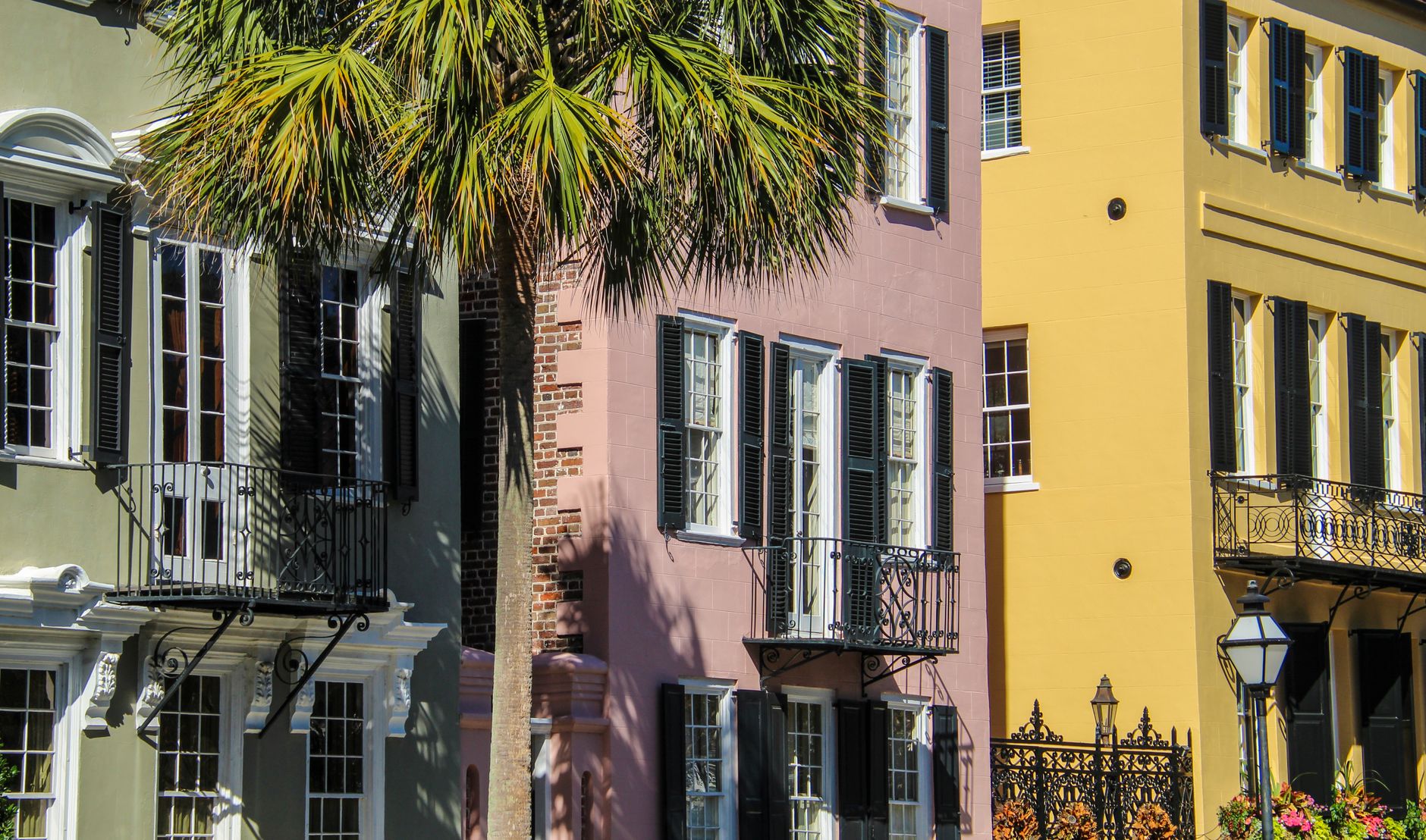
Inspect south-facing piazzas, ironwork gates by Philip Simmons, and pastel facades along Rainbow Row south of Broad Street.
Coastal Seafood in Charleston The South United States
Slurp local Bulls Bay oysters, peel boiled white shrimp, and order she-crab soup laced with dry sherry at classic docks.
Maritime History in Charleston The South United States
Board the ferry from Liberty Square to Fort Sumter and walk the Battery seawall where Charleston Harbor meets the Atlantic.
Local Markets in Charleston The South United States
Watch sweetgrass basket weavers work along the four open-air sheds of the historic City Market on Market Street since 1807.
Sacred Architecture in Charleston The South United States
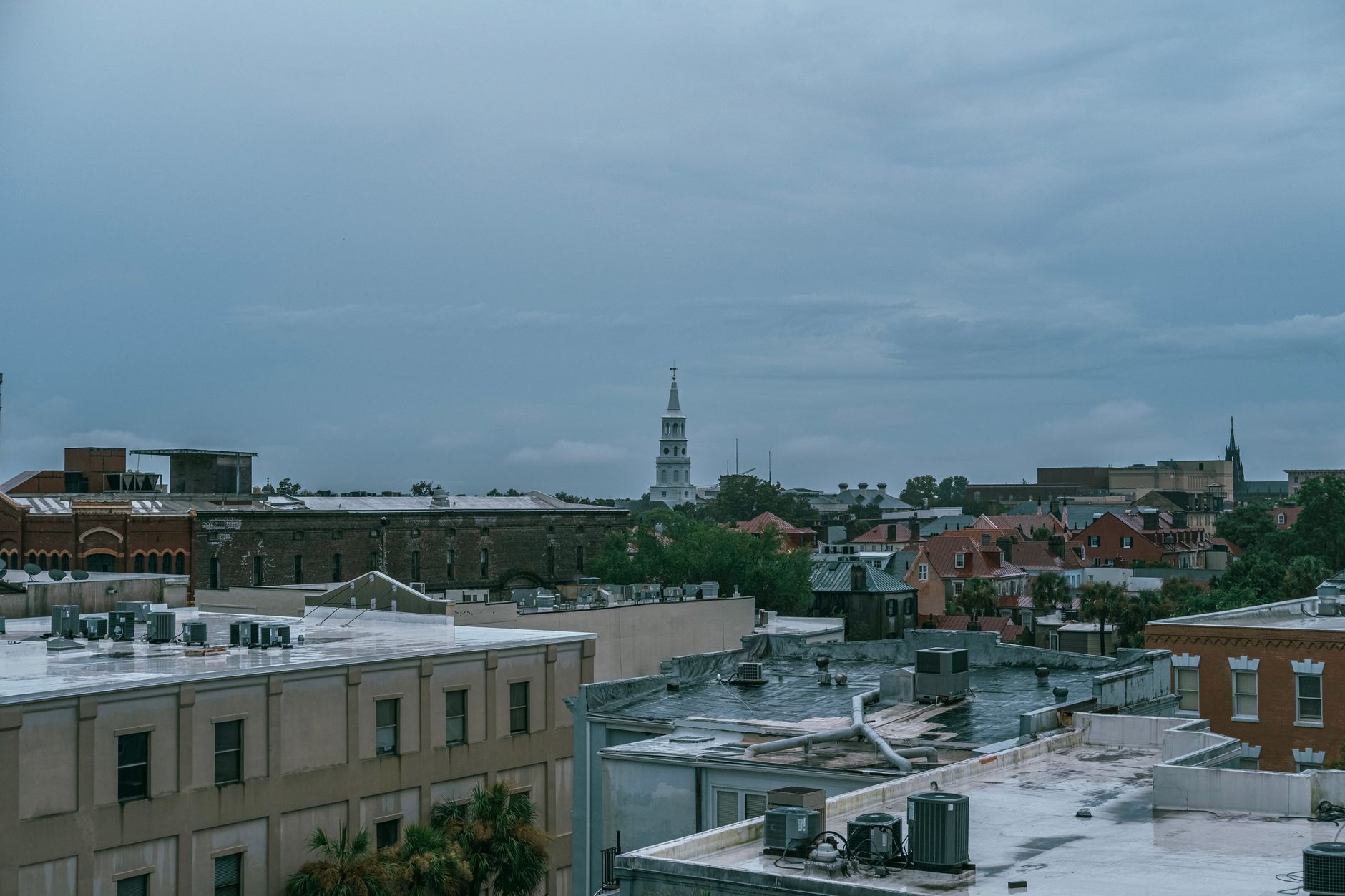
Tour St. Michael's steeple, Kahal Kadosh Beth Elohim from 1840, and the historic Huguenot Church along Church Street.
Coastal Walking in Charleston The South United States
Walk the breezy two-mile span of the Arthur Ravenel Jr. Bridge path over the Cooper River toward Mount Pleasant.
Plantation Heritage in Charleston The South United States
Examine preserved slave dwellings at McLeod Plantation and walk the 1681 live oak avenue at Boone Hall on Mount Pleasant.
Island Beaches in Charleston The South United States
Catch the Atlantic surf at Folly Beach Pier or rent a cruiser bike along the wide hardpack sand of Sullivan's Island.
Craft Distilling in Charleston The South United States
Sip small-batch bourbon and Carolina Gold grain spirits distilled in the industrial corridor along upper King Street.
Waterway Kayaking in Charleston The South United States
Paddle tidal creeks through maritime cordgrass to spot brown pelicans and bottlenose dolphins at Shem Creek.
Contemporary Dining in Charleston The South United States
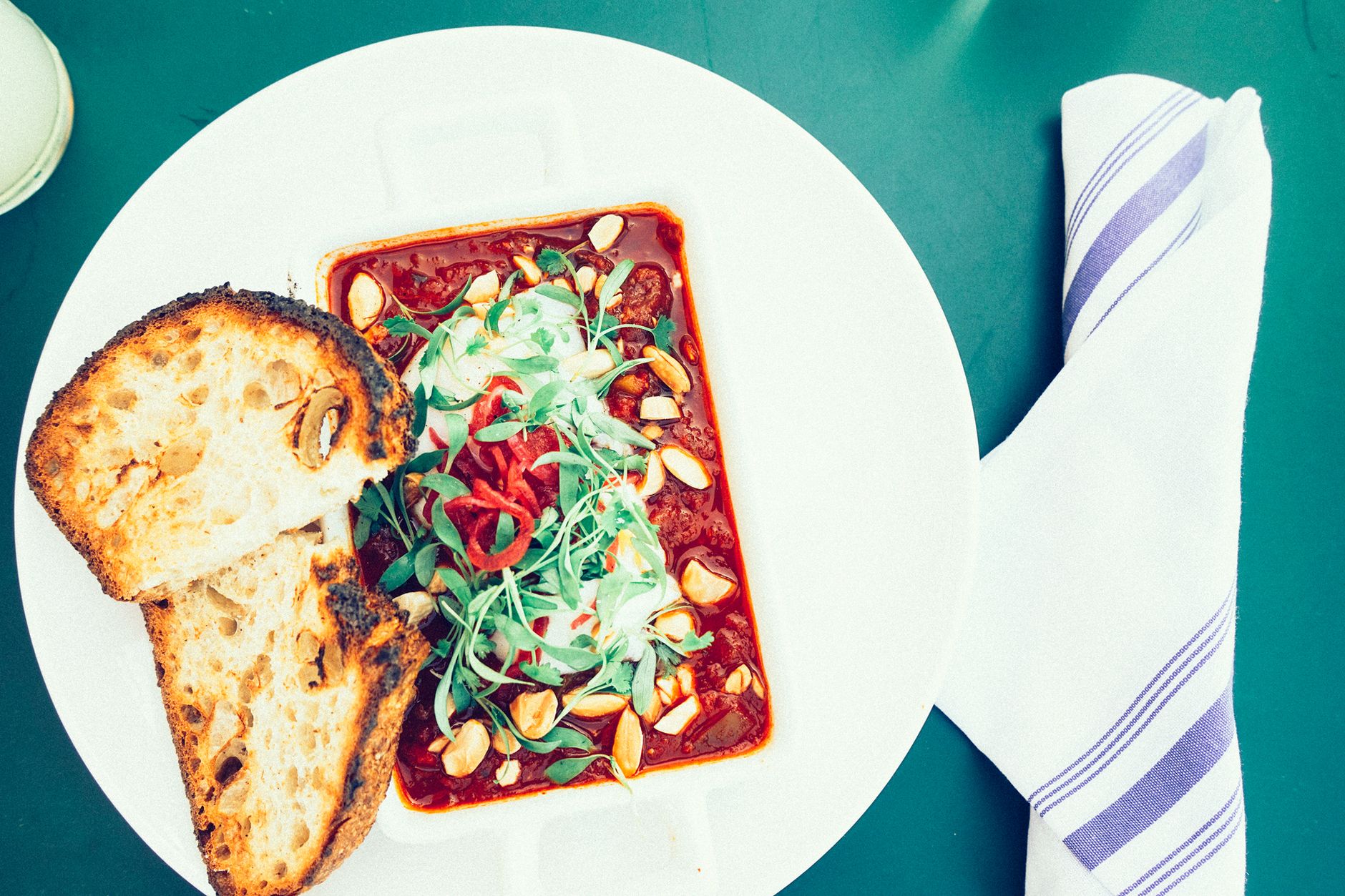
Reserve months ahead on Queen Street for wood-fired heritage pork and butterbeans elevated by modern Southern kitchens.