Charlestown.


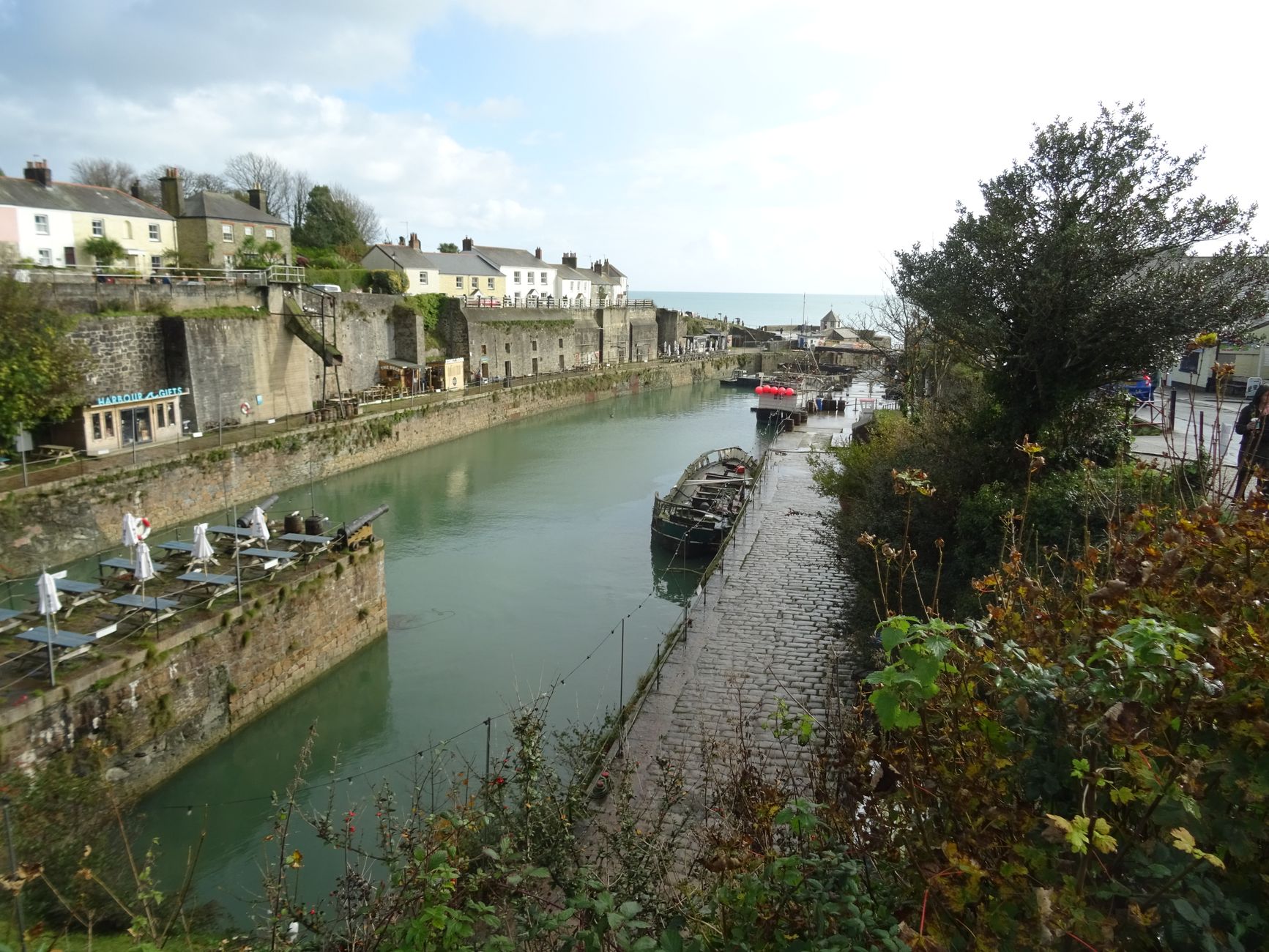
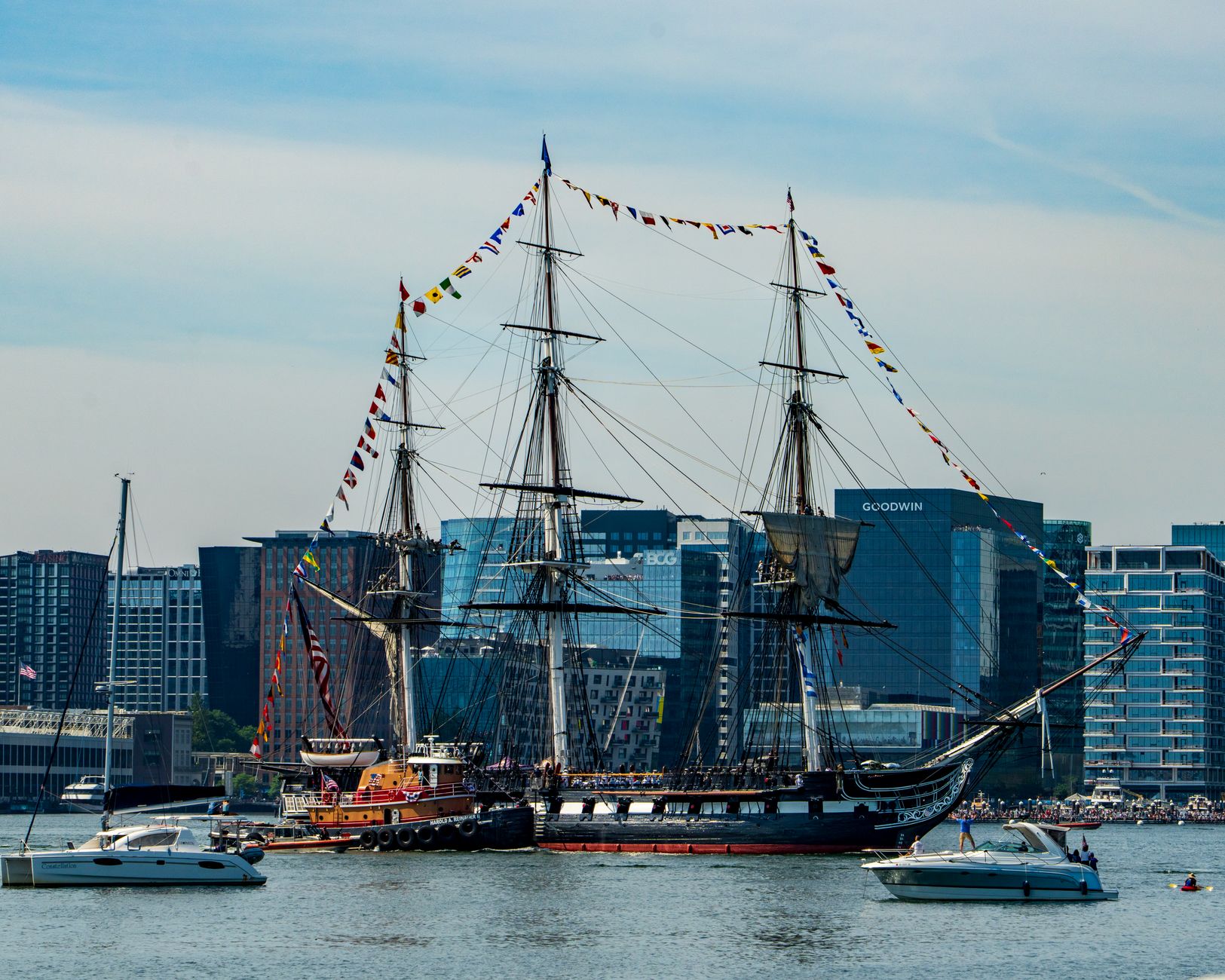


Charlestown sits two miles south of St Austell railway station on the south Cornish coast, reached in ten minutes by local bus. Engineered in the 1790s by Charles Rashleigh to export china clay, it remains a rare, intact Georgian port where classic tall ships dock. Charlestown is worth visiting if you want to inspect historic wooden rigging and eat fresh crab directly on granite quayside benches. Look elsewhere if you need broad sandy bathing beaches, active nightlife, or extensive indoor attractions.
Last updated 3 Oct 2026
Build a Charlestown itinerary.
Choose up to 4 threads that pull you in. Your plan arrives organised around them.
The Bed
Where to stay in Charlestown
Which part of town to book, and what each one costs you in walking, noise or quiet.
The Comparison
Charlestown, or somewhere near it
The places you are realistically choosing between, and the honest case for each.
The Local Record
Where to read more about Charlestown
The blogs, boards, guides and operators worth bookmarking.
What to do in Charlestown Cornwall United Kingdom
Charlestown is built tightly around a single granite basin carved into St Austell Bay. Life moves between the harbour walls, the shingle beach below the cliffs, and a handful of stone pubs along Quay Road. It suits travellers who appreciate unvarnished maritime craftsmanship, brisk sea air, and straightforward dining over frantic sightseeing. You can wander the entire footprint on foot in under twenty minutes, but lingering on the quay is the real point.
24 hours in Charlestown Cornwall United Kingdom
Start early at the harbour mouth watching water lap against the lock gates. Walk the Shipwreck Treasure Museum before noon, then take a bench with a warm beef pasty. In the afternoon, walk forty minutes west on the cliff path to Porthpean. Return to Quay Road for pan-roasted cod and a pint of local bitter as the boats settle into twilight. Select 1 Day above to see it.
2 days in Charlestown Cornwall United Kingdom
A second day lets you follow the South West Coast Path east past Carlyon Bay to the headland at Spit Point. In the afternoon, take a ten-minute drive to the working fishing port of Mevagissey for a crab roll by the pier, returning to Charlestown for whole grilled mackerel at a harbourside smokehouse. Choose 2 Days to expand the plan.
3 days in Charlestown Cornwall United Kingdom
With three days, venture inland to the Eden Project or the temperate jungle at the Lost Gardens of Heligan, both within twenty minutes by car. Dedicate your final evening to a slow meal of Fal River oysters and roasted shellfish on Charlestown's waterfront, watching the tide fill the outer basin without looking at your watch.
Charlestown Cornwall United Kingdom itineraries by interest
Maritime History in Charlestown Cornwall United Kingdom
Examine the Shipwreck Treasure Museum on Quay Road, historic granite lock gates, and the working square-riggers berthed inside the eighteenth-century basin.
Local Seafood in Charlestown Cornwall United Kingdom
Eat brown crab sandwiches, pan-fried lemon sole, and Fal River native oysters at harbourside tables, dressed with lemon and sea salt.
Coastal Walks in Charlestown Cornwall United Kingdom
Follow the South West Coast Path east toward Carlyon Bay or west past Duporth to Porthpean along high slate cliffs with clear Channel views.
Craft Beer & Pubs in Charlestown Cornwall United Kingdom
Order pints of Tribute and Proper Job pale ale alongside local cider in stone-walled taverns like The Rashleigh Arms facing the inner harbour.
Day Trips in Charlestown Cornwall United Kingdom
Take the fifteen-minute bus to the biomes of the Eden Project or head twenty minutes south to the steep fishing harbour of Mevagissey.
Historic Architecture in Charlestown Cornwall United Kingdom
Inspect late-Georgian granite cottages, old lime kilns, and the Rashleigh estate weighbridge intact along the original dock walls.
Bakery & Treats in Charlestown Cornwall United Kingdom
Pick up hand-crimped shortcrust steak pasties and warm saffron buns, baked fresh daily and best eaten outdoors on harbour benches.
Beaches & Coves in Charlestown Cornwall United Kingdom
Walk down the slipway to the coarse shingle cove flanking the harbour mouth, sheltered by high cliffs and suited for low-tide scrambling.
Industrial Heritage in Charlestown Cornwall United Kingdom
Trace the old clay wagon routes and stone chutes where white kaolin from St Austell moorland was gravity-loaded into ship holds.
Photography in Charlestown Cornwall United Kingdom
Catch early morning light falling on tarred timber hulls, granite piers, and open sea mists before the day-trippers arrive at mid-morning.
Gardens & Greenery in Charlestown Cornwall United Kingdom
Drive fifteen minutes inland to the Lost Gardens of Heligan to see restored Victorian productive gardens and giant rhododendron ravines.
Casual Dining in Charlestown Cornwall United Kingdom
Queue for salt-and-pepper squid, battered haddock, and triple-cooked chips served in cardboard boxes right beside the outer harbour wall.