Charlottesville.


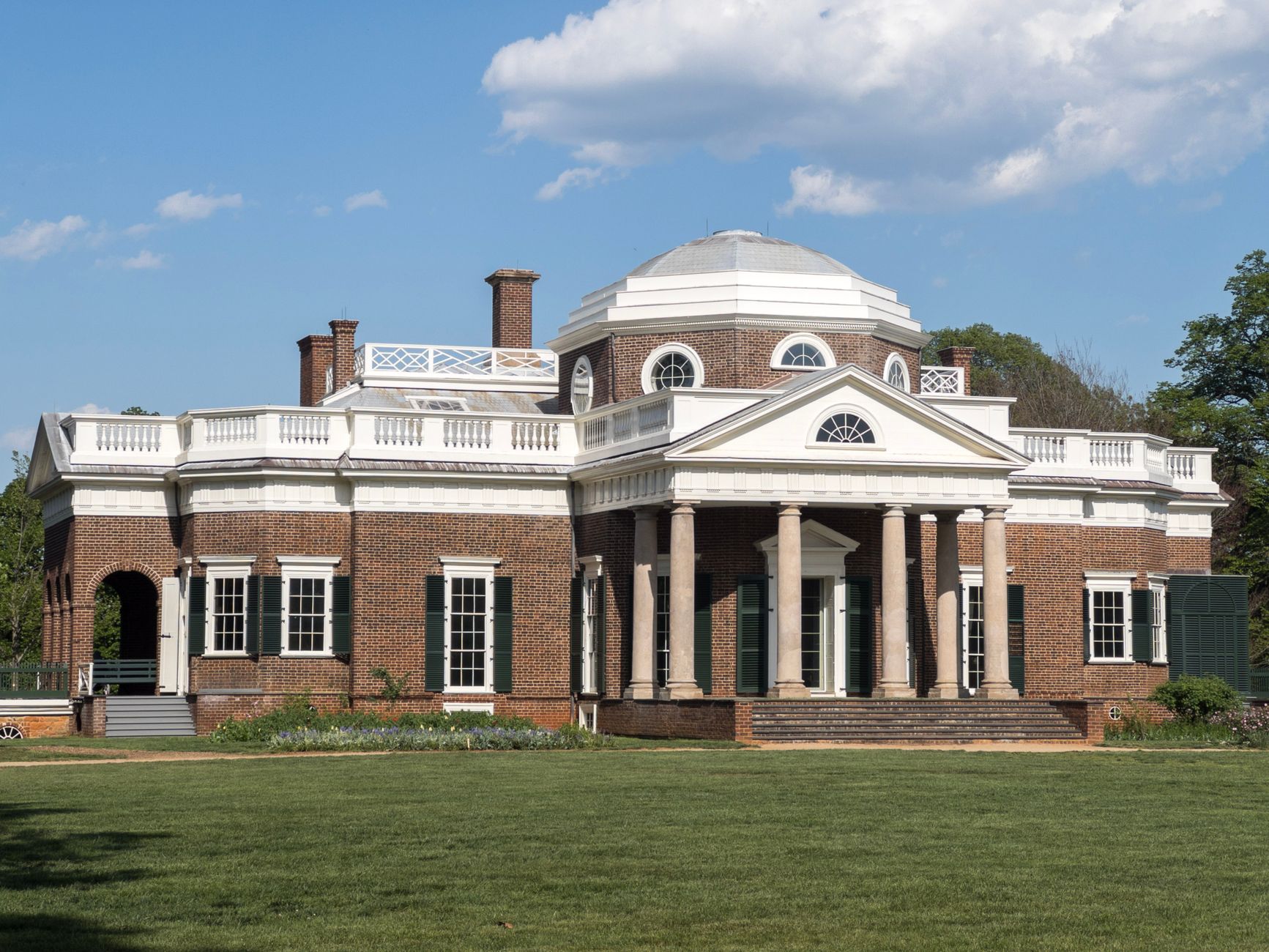

Two hours southwest of Washington, D.C., Charlottesville is defined by Thomas Jefferson's neoclassical architecture and the apple orchards and vineyards of the Piedmont foothills. The town balances deep academic history with Virginia farmland. Charlottesville is worth visiting if you want to drink regional Viognier, walk historic brick arcades, and dissect early American history in the Blue Ridge foothills. Look elsewhere if you want late-night urban transit, fast-paced club culture, or a trip without a car.
Last updated 3 Oct 2026
Build a Charlottesville itinerary.
Choose up to 4 threads that pull you in. Your plan arrives organised around them.
The Bed
Where to stay in Charlottesville
Which part of town to book, and what each one costs you in walking, noise or quiet.
The Comparison
Charlottesville, or somewhere near it
The places you are realistically choosing between, and the honest case for each.
The Local Record
Where to read more about Charlottesville
The blogs, boards, guides and operators worth bookmarking.
What to do in Charlottesville Virginia United States
Charlottesville centres on two main hubs: the red-brick Pedestrian Downtown Mall and the leafy grounds of the University of Virginia along University Avenue. Days here follow a steady rhythm of morning architectural walks, midday estate visits across Albemarle County, and evening tables in the Belmont restaurant strip. It rewards travellers who appreciate presidential history, cool-climate wines, and mountain vistas.
24 hours in Charlottesville Virginia United States
Begin early at Monticello to walk the grounds before tour groups fill the mountaintop. Head to the Downtown Mall for a lunch of Virginia trout, then spend your afternoon walking the Lawn and Rotunda at UVA. Finish with wood-fired pizza and a local Cabernet Franc in Belmont, all within a ten-minute drive. Select 1 Day above to see it.
2 days in Charlottesville Virginia United States
A second day lets you drive out to Crozet and Greenwood for orchard cider and tastings along the Blue Ridge slope. Spend the afternoon exploring James Monroe's Highland estate, followed by pan-roasted quail and stone-ground grits at a low-lit tavern off Court Square. Choose 2 Days to expand the plan.
3 days in Charlottesville Virginia United States
Three days unlocks a morning hike up Humpback Rocks off the Blue Ridge Parkway, thirty minutes west. Spend the afternoon antiquing in Staunton or paddling the shaded bends of the Rivanna River, finishing with an unhurried tasting menu in North Downtown.
Charlottesville Virginia United States itineraries by interest
Wine & Vineyards in Charlottesville Virginia United States
Sample crisp Viognier and Petit Verdot along the Monticello Wine Trail, from King Family in Crozet to Early Mountain Vineyards north on Route 29.
Historic Architecture in Charlottesville Virginia United States
Walk the serpentine walls of Jefferson's Rotunda at UVA, then examine the octagonal dome and plantation dependency wings at Monticello.
Mountain Hiking in Charlottesville Virginia United States
Climb the rocky switchbacks of Humpback Rocks or pick up quiet stretches of the Appalachian Trail along Shenandoah's southern Skyline Drive.
Local Taverns in Charlottesville Virginia United States
Order a local cider and a plate of fried Virginia ham biscuits at historic taverns around Court Square and downtown Belmont.
Cider & Orchards in Charlottesville Virginia United States
Taste Albemarle Pippin hard ciders and fresh hot cider donuts at Carter Mountain Orchard, overlooking the Rivanna valley.
African American History in Charlottesville Virginia United States
Visit the Memorial to Enslaved Laborers at UVA and explore the historic African American community preserved at Jefferson School City Center.
Casual Dining in Charlottesville Virginia United States
Line up on Main Street for a Gus Burger at the White Spot, or grab slow-smoked pulled pork with vinegar slaw from roadside pits.
Bookstores & Cafes in Charlottesville Virginia United States
Browse used paperbacks at Daedalus Bookshop on 2nd Street, followed by an espresso and almond croissant under the oaks on the pedestrian mall.
Day Trips in Charlottesville Virginia United States
Drive west over Afton Mountain into the Shenandoah Valley to browse antique barns in Fishersville and historic brick streets in Staunton.
River & Waterways in Charlottesville Virginia United States
Rent a kayak or tube along the Rivanna River, putting in at Darden Towe Park for a slow paddle through hardwood riverbanks.
Farmers Markets in Charlottesville Virginia United States
Pick up local goat cheese, pawpaws, and fresh sourdough at the Saturday morning City Market on Water Street before the university crowds arrive.
Performing Arts in Charlottesville Virginia United States
Catch touring folk acts and chamber music inside the restored 1930s Paramount Theater or outdoors at the Ting Pavilion.