Chatham.


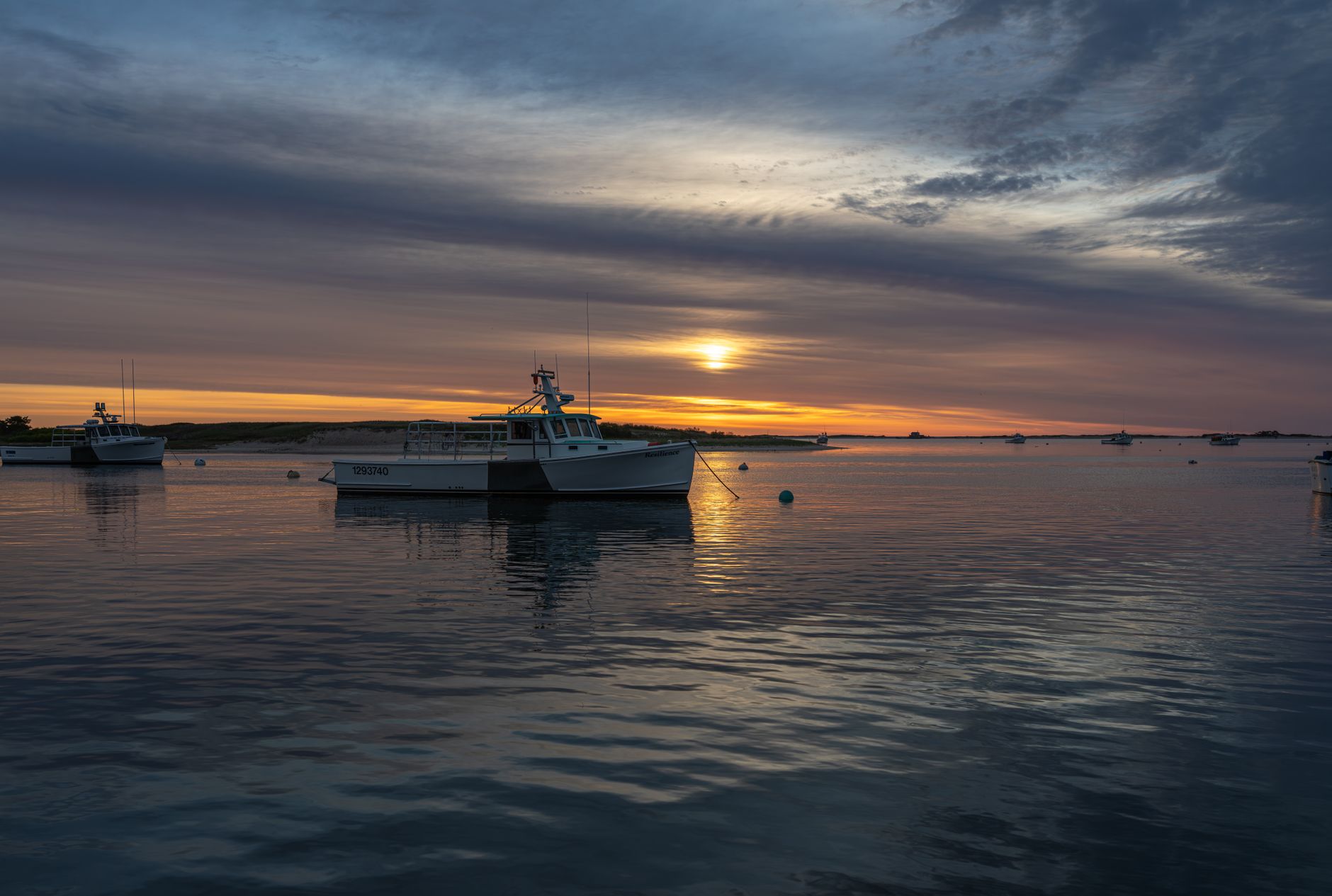


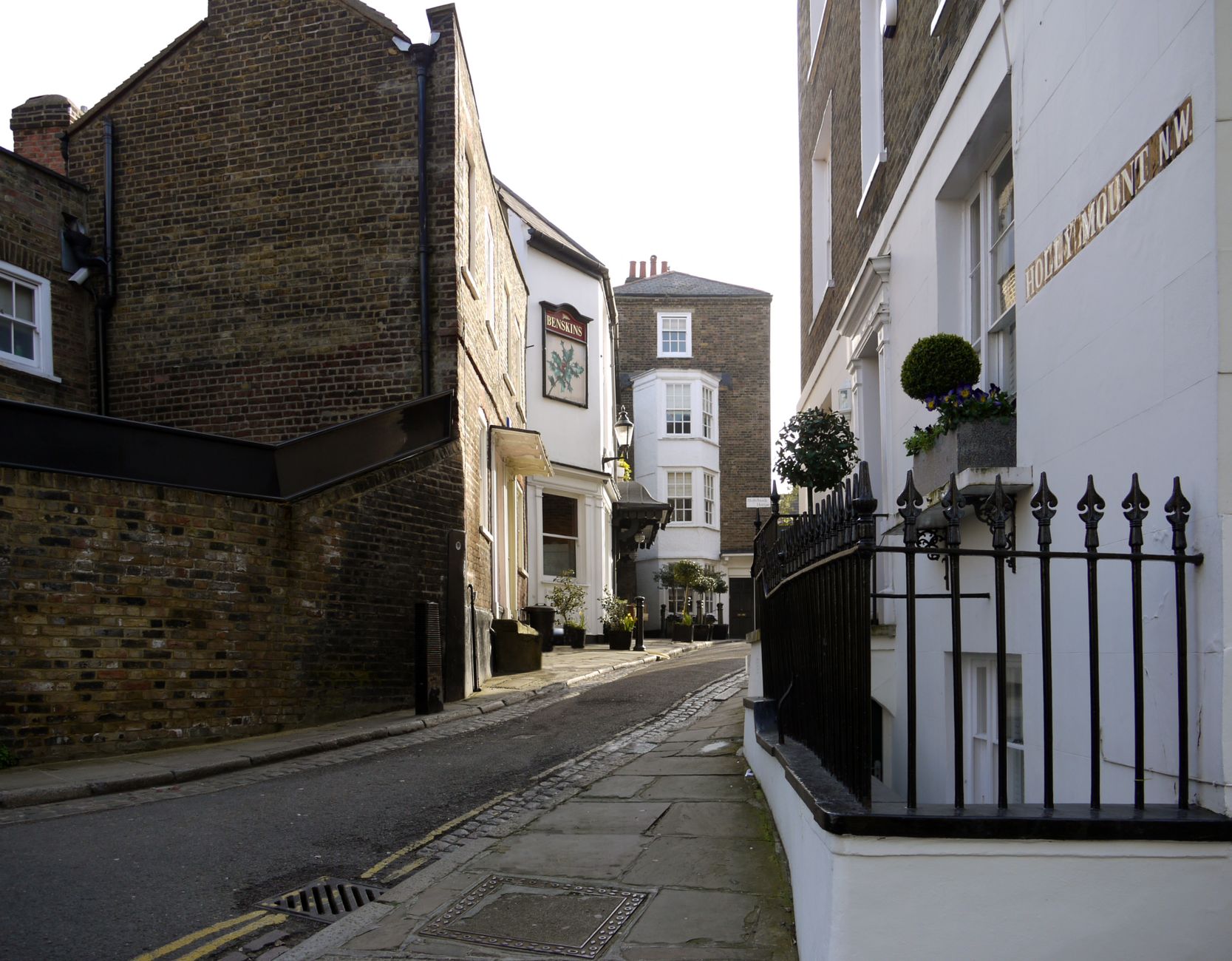
Chatham sits at the elbow of Cape Cod, roughly ninety miles and a two-hour drive southeast of Boston. The town is defined by its working fish pier, shifting barrier beaches, and intact nineteenth-century commercial architecture along Main Street. Daily life here still revolves around the commercial fleet unloading haddock, cod, and sea scallops each afternoon. Chatham is worth visiting if you want to watch a working fishing harbor and eat freshly landed seafood right off the Atlantic shelf. Look elsewhere if you want late-night bars, budget-friendly lodging, or large indoor attractions on rainy days.
Last updated 12 Sept 2026
Build a Chatham itinerary.
Choose up to 4 threads that pull you in. Your plan arrives organised around them.
The Bed
Where to stay in Chatham
Which part of town to book, and what each one costs you in walking, noise or quiet.
The Comparison
Chatham, or somewhere near it
The places you are realistically choosing between, and the honest case for each.
The Local Record
Where to read more about Chatham
The blogs, boards, guides and operators worth bookmarking.
What to do in Chatham Massachusetts United States
Chatham sits at the Atlantic elbow of Cape Cod, wrapped by salt water on three sides. Days naturally track the rhythm of the tides: morning walks along Lighthouse Beach, an afternoon watching boats unload groundfish at the municipal pier, and an unhurried evening stroll along the cedar-shingled shopfronts of Main Street. It suits travellers who prefer salt air, quiet maritime history, and fresh seafood over loud nightlife.
24 hours in Chatham Massachusetts United States
Start early at Chatham Light to watch the sun climb over the Atlantic. Head to Chatham Fish Pier by noon to see dories land haddock, grabbing a warm lobster roll right above the docks. Spend the afternoon browsing Main Street and walking the flats at Cockle Cove before dinner on Shore Road. Select 1 Day above to see it.
2 days in Chatham Massachusetts United States
Dedicate your second morning to Monomoy National Wildlife Refuge, walking the Morris Island trail through pine woods and tidal mudflats. Later, hire a skiff or seal cruise out of Stage Harbor, then finish with fried native clams and a cold ale at a tavern near Oyster Pond. Choose 2 Days to expand the plan.
3 days in Chatham Massachusetts United States
A third day allows an unhurried pedal along the Old Colony Rail Trail into Harwich, or a quick drive up Route 28 to the wild dunes and tidal marshes of Orleans. Cap the afternoon visiting the Atwood Museum to study early Cape Cod homesteads and maritime navigational gear.
Chatham Massachusetts United States itineraries by interest
Local Seafood in Chatham Massachusetts United States
Watch day-boats unload haddock and skate at Chatham Fish Pier, then eat fried clams, clam chowder, and warm buttered lobster rolls on the upper deck.
Maritime History in Chatham Massachusetts United States
Visit the 1879 Chatham Light, inspect Marconi's early wireless receiver site, and explore the Chatham Marconi Maritime Center along Ryder's Cove.
Coastal Walks in Chatham Massachusetts United States
Trek the sand dunes of South Beach, walk the salt marshes of Monomoy, and track shorebirds along the shifting channels of Pleasant Bay.
Wildlife & Nature in Chatham Massachusetts United States
Take a skiff across to Monomoy National Wildlife Refuge to spot grey seals hauled out on sandbars and migrating piping plovers.
Beaches in Chatham Massachusetts United States
Lighthouse Beach offers Atlantic surf and seal views, while Oyster Pond provides calm, warmer saltwater swimming right near downtown.
Architecture & Heritage in Chatham Massachusetts United States
Stroll Main Street and Shore Road to see weathered cedar-shingle homes, federal-style sea captains' houses, and the 1887 Atwood Museum.
Cycling & Rail Trails in Chatham Massachusetts United States
Pedal the Old Colony Rail Trail from Main Street out toward Harwich, connecting cleanly to the paved twenty-five-mile Cape Cod Rail Trail.
Harbor & Boat Trips in Chatham Massachusetts United States
Board a seal-watching charter from Stage Harbor or take the passenger ferry through Chatham Harbor to North Beach Island's open dunes.
Local Markets in Chatham Massachusetts United States
Pick up Chatham butter beans, native sweet corn, and beach plum jelly at local farm stands or browse regional produce at the summer farmers market.
Visual Arts in Chatham Massachusetts United States
Browse independent galleries on Main Street showing local seascapes, scrimshaw, and oil paintings of working dories and salt marshes.
Traditional Crafts in Chatham Massachusetts United States
Inspect hand-carved decoy ducks, blown glass, and woven Nantucket-style lightship baskets in small workshops along Cross Street.
Day Trips in Chatham Massachusetts United States
Drive twenty minutes north to explore the salt ponds of Orleans or catch the historic dune shacks around the tip of Provincetown.