Chattogram.


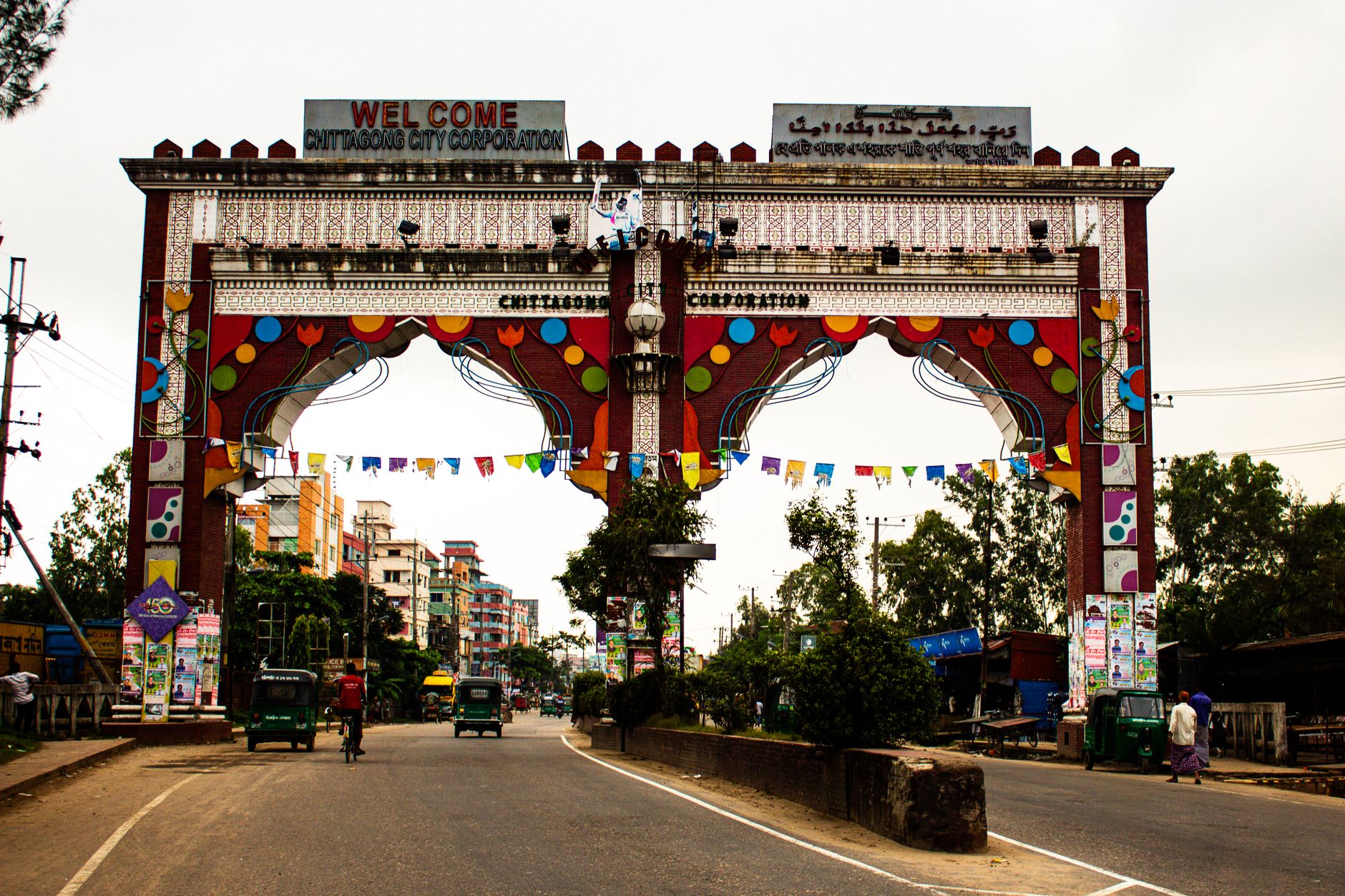


Chattogram sits 250 kilometres southeast of Dhaka, reached in five hours by the Subarna Express train or a 45-minute flight. It is Bangladesh's primary seaport, defined by the Karnaphuli River and its distinct, slow-simmered mezbani beef tradition. Chattogram is worth visiting if you want to trace working maritime docks, explore nineteenth-century hill architecture, and eat regional beef curries at bustling mess canteens. Look elsewhere if you want quiet pedestrianised streets, upscale cocktail bars, or easily swimmable urban beaches.
Last updated 25 Sept 2026
Build a Chattogram itinerary.
Choose up to 4 threads that pull you in. Your plan arrives organised around them.
The Bed
Where to stay in Chattogram
Which part of town to book, and what each one costs you in walking, noise or quiet.
Places to stay
Central, well-rated and easy to find again. Distances are from the middle of town.
These links go to Booking.com and earn us a commission. They cost you nothing extra.
The Comparison
Chattogram, or somewhere near it
The places you are realistically choosing between, and the honest case for each.
The Local Record
Where to read more about Chattogram
The blogs, boards, guides and operators worth bookmarking.
What to do in Chattogram Chittagong Bangladesh
Life in Chattogram moves to the rhythm of diesel tugboats, screeching rail yards, and sizzling cauldrons of mustard-oil curries. The city sprawls between the Karnaphuli River and rolling coastal ridges, split into bustling trade zones like Khatunganj and quiet colonial enclaves around the Central Railway Building. It suits curious travellers who enjoy raw port vitality, regional spice pastes, and discovering history in everyday working neighbourhoods.
24 hours in Chattogram Chittagong Bangladesh
Start early under the giant rain trees of the Central Railway Building before heading to Chawkbazar for a mid-day feast of mezbani beef and yellow dal. Spend the late afternoon taking in the sea breeze at Patenga Beach, watching oil tankers ride the tide. Allow ample time to navigate heavy late-afternoon traffic by auto-rickshaw. Select 1 Day above to see it.
2 days in Chattogram Chittagong Bangladesh
Day two takes you into the maze of Khatunganj spice market, where turmeric sacks stack three storeys high, followed by a quiet walk around the centuries-old Shrine of Bayazid Bostami. In the evening, head to Nasirabad for grilled pomfret and mustard shutki vorta, tasting how coastal spices differ from the inland plains. Choose 2 Days to expand the plan.
3 days in Chattogram Chittagong Bangladesh
A third day allows an unhurried excursion north to the Sitakunda ridge, climbing the ancient stone staircase to Chandranath Temple among mountain fog. Return via the mangrove-fringed flats of Guliakhali Beach, stopping at a roadside dhaba for hot parathas and spiced black tea before returning to the city.
Chattogram Chittagong Bangladesh itineraries by interest
Regional Meat Cookery in Chattogram Chittagong Bangladesh
Taste mezbani gosht, beef slow-braised with mustard oil, white mustard paste, and dried red chillies, best sampled around Chawkbazar.
Maritime History in Chattogram Chittagong Bangladesh
Watch cargo lighters crowd the Karnaphuli River and visit Sadarghat port wharves active since fourteenth-century Arab merchant voyages.
Hill Walking in Chattogram Chittagong Bangladesh
Climb the red-clay steps of Batali Hill at dawn for views spanning the port cranes, shipyards, and forested ridges toward the Bay of Bengal.
Sacred Architecture in Chattogram Chittagong Bangladesh
Visit the fourteenth-century Shrine of Bayazid Bostami with its sacred black softshell turtles, and the white-domed Chandanpura Mosque.
Markets & Produce in Chattogram Chittagong Bangladesh
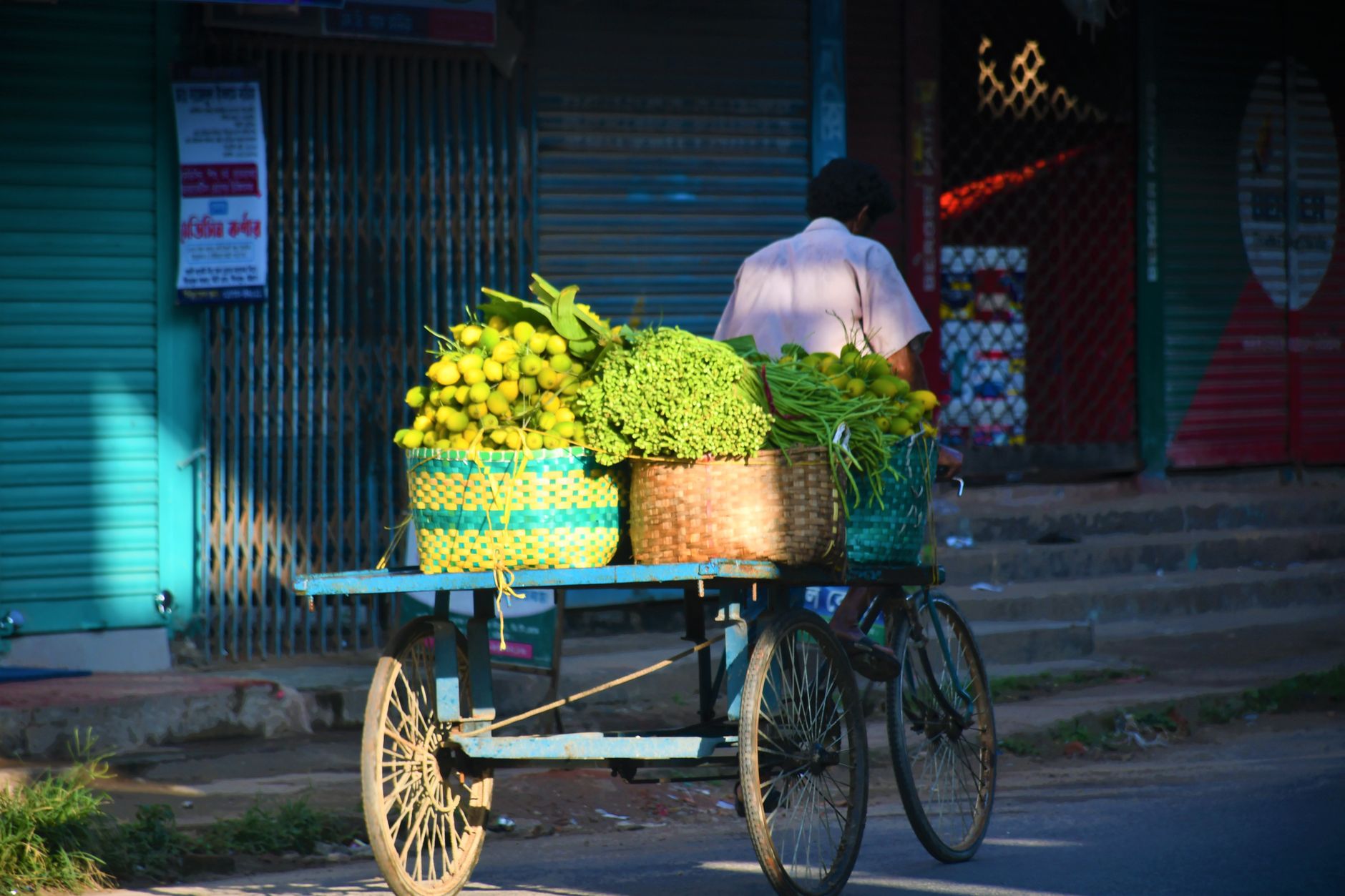
Wander Reazuddin Bazar early in the morning for dried shutki fish, green betel leaves, fresh river hilsa, and sweet swamp taro roots.
Rail History in Chattogram Chittagong Bangladesh
Inspect the 1928 Assam Bengal Railway headquarters and the colonial Central Railway Building precinct shaded by century-old banyan trees.
Coastal Views in Chattogram Chittagong Bangladesh
Walk the concrete promenade at Patenga Beach as container ships anchor offshore, and grab fried crab seasoned with toasted cumin.
Day Trips in Chattogram Chittagong Bangladesh
Catch a morning CNG auto-rickshaw north to Sitakunda for holy Chandranath Temple hikes and the secluded shores of Guliakhali Beach.
Street Food in Chattogram Chittagong Bangladesh
Eat hot shingara pastries, spiced chana chaat, and sweet malai tea poured from steaming kettles along the busy lanes of Station Road.
Local Seafood in Chattogram Chittagong Bangladesh
Sample spicy rupchanda pomfret fry and dried fish vorta mashed with mustard oil, garlic, and green chillies at simple port-side canteens.
Colonial Architecture in Chattogram Chittagong Bangladesh
Tour the red-brick District Court Building on Fairy Hill, built in 1898, offering open river views and classic British Raj masonry.
Lakes & Green Spaces in Chattogram Chittagong Bangladesh
Stroll the wooded rim of Foy's Lake, an artificial reservoir constructed in 1924, surrounded by steep green hills and peaceful birdlife.