

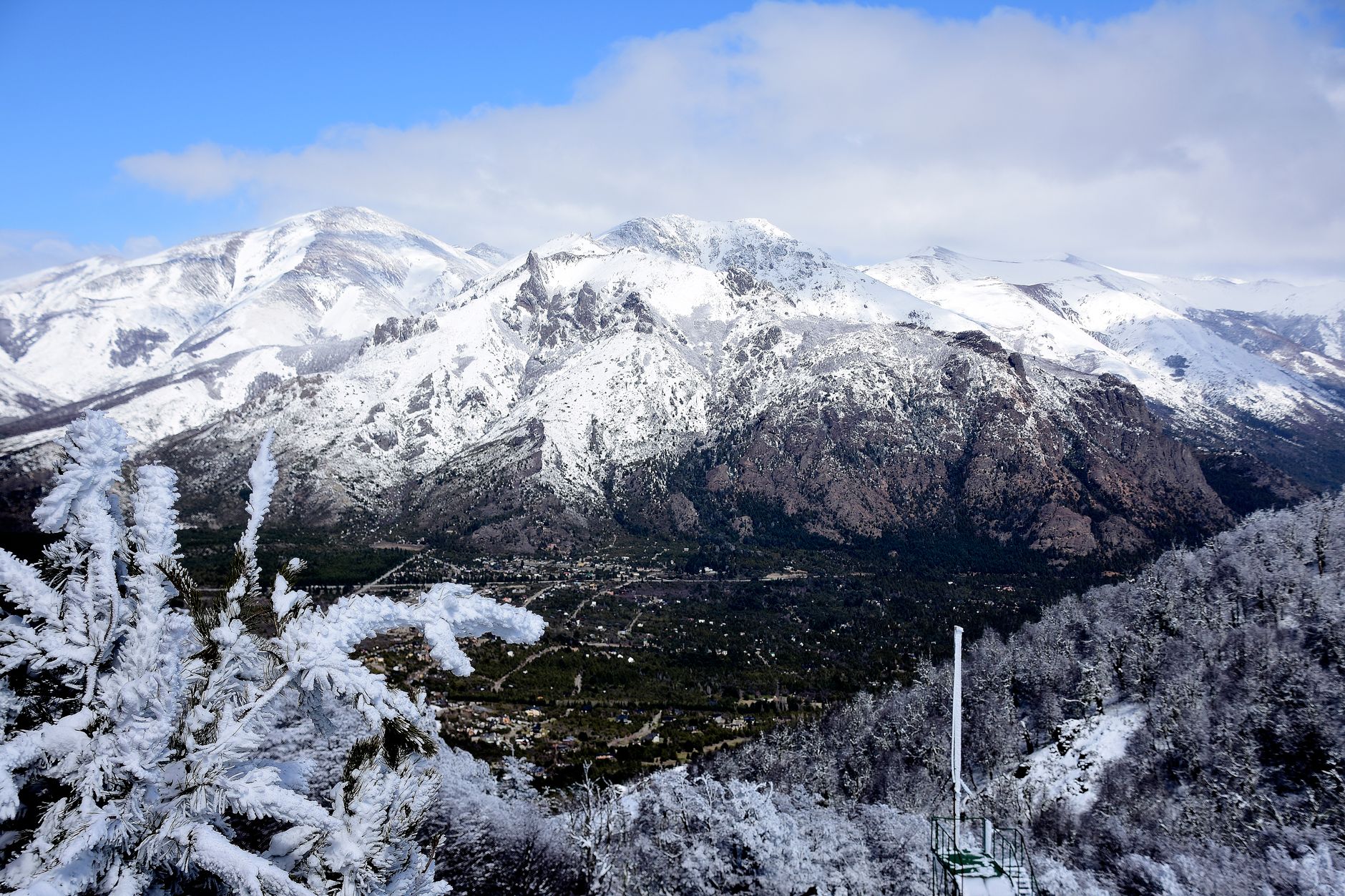
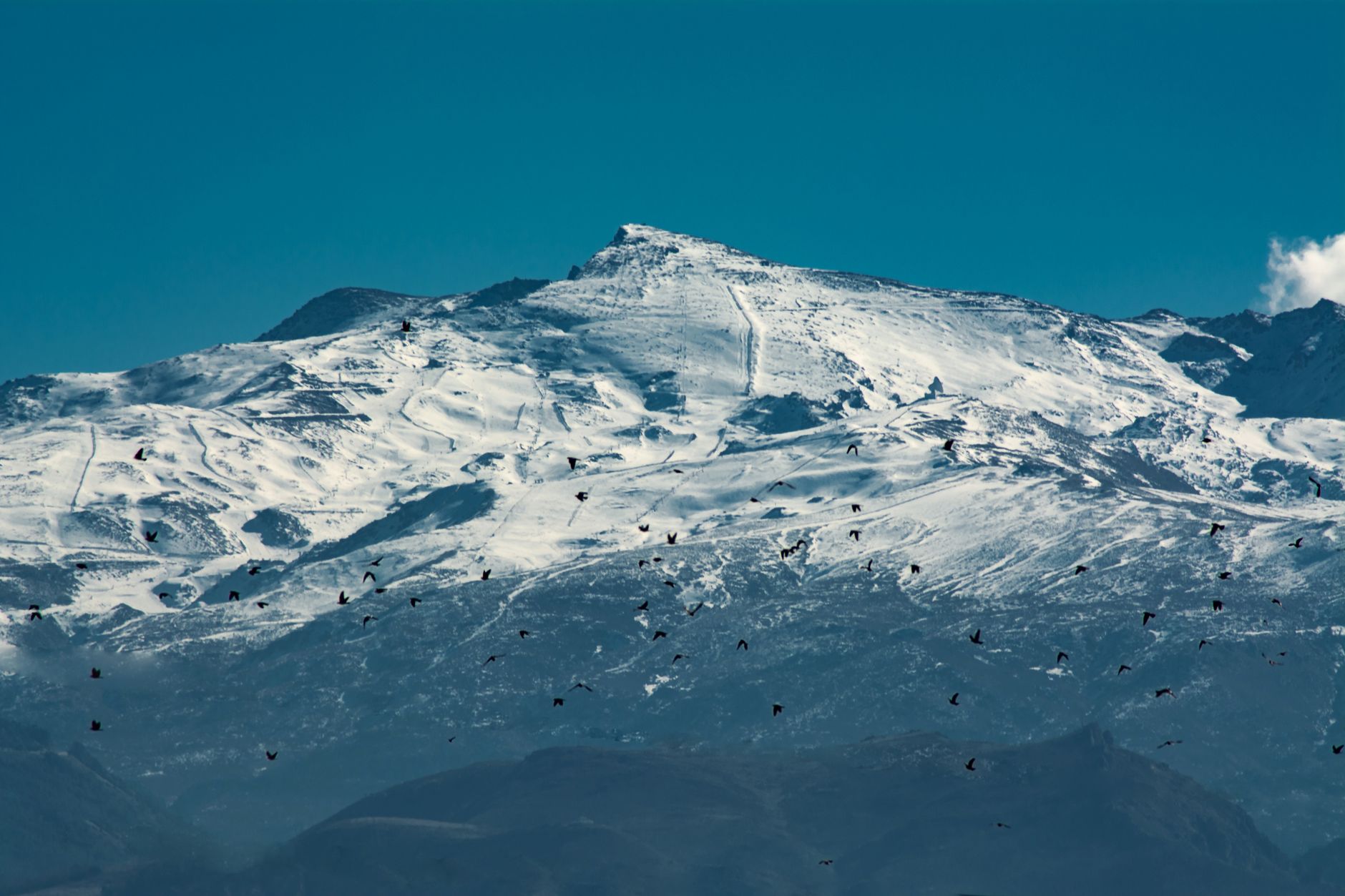


Chillan sits 400 kilometres south of Santiago along the central rail line, reached in four hours by train. The city is famous for its spiced pork longaniza and the bold modernist architecture raised after the 1939 earthquake, notably the Mexican murals at Escuela Mexico. Chillan is worth visiting if you want to eat market-stall sausages at the counter and taste old-vine wines in the nearby valleys. Look elsewhere if you want intact colonial streets, coastal beaches, or an energetic late-night club scene.
Last updated 25 Sept 2026
Build a Chillan itinerary.
Choose up to 4 threads that pull you in. Your plan arrives organised around them.
The Bed
Where to stay in Chillan
Which part of town to book, and what each one costs you in walking, noise or quiet.
The Comparison
Chillan, or somewhere near it
The places you are realistically choosing between, and the honest case for each.
The Local Record
Where to read more about Chillan
The blogs, boards, guides and operators worth bookmarking.
What to do in Chillan Ñuble Chile
Life here centres on the sprawling grid between Plaza de Armas and Mercado Central. You spend the morning browsing smoked meats, hand-woven ponchos, and black clay pottery, then retreat inside concrete churches built after the 1939 quake. It is a slow, practical agricultural hub suited to independent travellers who value genuine food culture and rural pace over polished tourism.
24 hours in Chillan Ñuble Chile
Begin with espresso near Plaza de Armas, then head to Escuela México to see the Siqueiros murals before midday. For lunch, grab a stool at Mercado Central for grilled longaniza with warm humitas. Spend the afternoon exploring Catedral de Chillán and browsing smoked cecinas along Calle Maipón. Select 1 Day above to see it.
2 days in Chillan Ñuble Chile
A second day lets you drive or bus west into the Itata Valley. Spend the afternoon visiting small family vignerons working heritage País vines near Portezuelo and Guarilihue. Head back into town for evening cazuela and local Cinsault at an unpretentious neighbourhood tavern. Choose 2 Days to expand the plan.
3 days in Chillan Ñuble Chile
Day three unlocks the Andes. Take the mountain road east toward Pinto and Termas de Chillán for a soak in natural volcanic hot springs beneath the peaks. Alternatively, detour to the riverside workshops of Quinchamalí to watch potters fire black earthenware in open pit kilns.
Chillan Ñuble Chile itineraries by interest
Markets & Produce in Chillan Ñuble Chile
Weave past garlic braids and merkén mounds at Mercado Central to eat cazuela de ave and fresh longaniza at Cocinería Doña Pascuala.
Local Charcuterie in Chillan Ñuble Chile
Sample wood-smoked longaniza seasoned with cumin and oregano from traditional cecinas along Calle Maipón and inside Mercado Techado.
Wine & Vineyards in Chillan Ñuble Chile
Taste 200-year-old bush-vine País and Cinsault fermented in clay amphorae across the nearby rolling granite hills of the Itata Valley.
Modernist Murals in Chillan Ñuble Chile
Stand before David Alfaro Siqueiros and Xavier Guerrero's thunderous 1942 social realist frescoes inside the library at Escuela México.
Modern Architecture in Chillan Ñuble Chile
Walk beneath the stark parabolic concrete arch of Catedral de Chillán and the reinforced concrete facades rebuilt after the 1939 quake.
Craft Traditions in Chillan Ñuble Chile
Examine the unglazed black clay greda pottery crafted with white quartz burnishing in the nearby riverside hamlet of Quinchamalí.
Thermal Springs in Chillan Ñuble Chile
Soak in sulphur pools fed by active Andean vents at Termas de Chillán, eighty kilometres east along the volcanic slopes of Nevados.
Regional Sweets in Chillan Ñuble Chile
Pick up tortas curicanas, dulce de leche alfajores, and homemade chancaca pastries from bakeries clustered around Plaza de Armas.
Mountain Trails in Chillan Ñuble Chile
Hike through native lenga and coigüe forests toward Garganta del Diablo and the volcanic crater rim in the high Nevados range.
Folk History in Chillan Ñuble Chile
Inspect acoustic guitars and rural textiles celebrating legendary folklorist Violeta Parra in her birth museum in neighbouring San Carlos.
Day Trips in Chillan Ñuble Chile
Ride rural minibuses to San Fabián de Alico for fly fishing and rafting on the clear turquoise currents of the upper Río Ñuble.
Rural Dining in Chillan Ñuble Chile
Pull into roadside quinchos for slow-roasted cordero al palo seasoned with coarse salt and served with pebre and crusty marraqueta bread.