Chipping Campden.


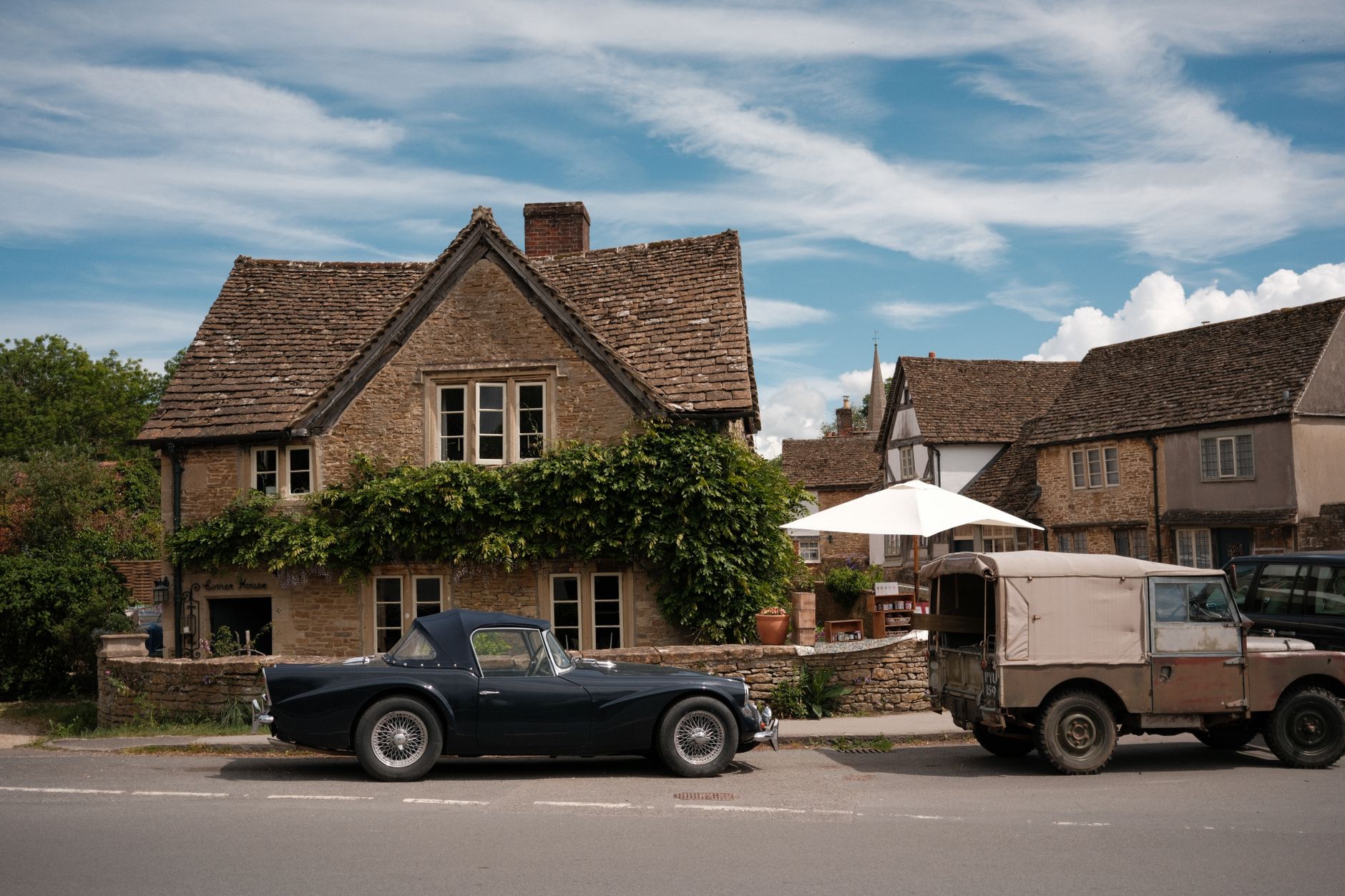
Chipping Campden sits two hours west of London by road, or fifteen minutes by bus from Moreton-in-Marsh rail station. It is known for its intact limestone High Street and a preserved Arts and Crafts metalworking heritage begun by C.R. Ashbee. Chipping Campden is worth visiting if you want to explore English wool churches, walk the northern terminus of the Cotswold Way, and eat game pies in timbered coaching inns. Look elsewhere if you want late-night transit, cheap hostels, or big indoor attractions for rainy afternoons.
Last updated 5 Oct 2026
Build a Chipping Campden itinerary.
Choose up to 4 threads that pull you in. Your plan arrives organised around them.
The Bed
Where to stay in Chipping Campden
Which part of town to book, and what each one costs you in walking, noise or quiet.
The Comparison
Chipping Campden, or somewhere near it
The places you are realistically choosing between, and the honest case for each.
The Local Record
Where to read more about Chipping Campden
The blogs, boards, guides and operators worth bookmarking.
What to do in Chipping Campden Gloucestershire United Kingdom
The broad curve of the High Street defines the town, built from oolitic honey limestone quarried from nearby hills. Days here run at an unhurried walking pace: a morning studying silversmithing history, an afternoon climb onto the ridgeline, and an evening spent nursing a pint of local bitter by an inglenook hearth. It suits walkers, garden enthusiasts, and anyone who prefers architectural integrity over commercial flash.
24 hours in Chipping Campden Gloucestershire United Kingdom
Start at the 1627 Market Hall before inspecting the fourteenth-century stone facade of Grevel House. Walk the two-mile loop up Dover's Hill for broad valley views, then head down to the High Street. Finish with a pint of ale and a roast pork dinner beside the fire at The Eight Bells Inn. Select 1 Day above to see it.
2 days in Chipping Campden Gloucestershire United Kingdom
Spend your second morning exploring St James' Church and the silversmith workshops at Court Barn. Drive four miles north to Hidcote Manor Garden for its intricate hedge-walled outdoor rooms, then head into nearby Ebrington for rare-breed steaks and local craft cider at a village pub. Choose 2 Days to expand the plan.
3 days in Chipping Campden Gloucestershire United Kingdom
A third day allows you to trace the start of the Cotswold Way south toward Broadway Tower and Stanway, or spend a quiet morning hunting for antique silver and ceramics along Sheep Street before a classic afternoon tea with warm scones and thick clotted cream.
Chipping Campden Gloucestershire United Kingdom itineraries by interest
Craft Traditions in Chipping Campden Gloucestershire United Kingdom
Visit Court Barn Museum to trace the 1902 Guild of Handicraft and see working silversmiths hammering metal at Hart Gold & Silversmiths on the High Street.
Hiking in Chipping Campden Gloucestershire United Kingdom
Climb the northern trailhead of the Cotswold Way up to Dover's Hill for expansive views across the Vale of Evesham and ancient beech woodlands.
Sacred Architecture in Chipping Campden Gloucestershire United Kingdom
Explore St James' Church, a grand fifteenth-century wool church housing the monumental brasses of wealthy wool merchant William Grevel and rare tapestries.
Historic Architecture in Chipping Campden Gloucestershire United Kingdom
Walk past the 1627 Market Hall with its open arches and flagstone floor, and examine fourteenth-century stonework at Grevel House on Church Street.
Pub Culture in Chipping Campden Gloucestershire United Kingdom
Drink bitter beside roaring log fires at The Eight Bells Inn or The Red Lion, paired with local Gloucester Old Spot sausages and dry Gloucestershire cider.
Gardens & Estates in Chipping Campden Gloucestershire United Kingdom
Drive ten minutes to Hidcote Manor Garden to explore Arts and Crafts outdoor garden rooms and the dramatic terraced plantings at neighbouring Kiftsgate.
Local Produce in Chipping Campden Gloucestershire United Kingdom
Sample single-estate Cotswold cheeses, locally pressed apple juices, and sourdough breads at small family delis along the central curving High Street.
Traditional Dining in Chipping Campden Gloucestershire United Kingdom
Book dinner at the King's Hotel or Noel Arms for dry-aged Hereford beef, slow-cooked venison, and classic steamed suet puddings served with thick custard.
Day Trips in Chipping Campden Gloucestershire United Kingdom
Drive twelve miles to the gardens and thatched cottages of Broadway and Stanway House, or explore the Roman market remains at nearby Cirencester.
Tea Traditions in Chipping Campden Gloucestershire United Kingdom
Order warm fruit scones, clotted cream, and loose-leaf Earl Grey in stone-walled tearooms like Badger's Hall, served on vintage willow pattern china.
Antiques & Markets in Chipping Campden Gloucestershire United Kingdom
Browse vintage brassware, mid-century furniture, and secondhand country books in independent shops clustered around Sheep Street and the Market Hall.
Ruins & Estates in Chipping Campden Gloucestershire United Kingdom
Inspect the surviving Jacobean banqueting pavilions and stone gateway of Old Campden House, destroyed by Royalists during the English Civil War in 1645.