Claremont.


Claremont sits thirty miles east of downtown Los Angeles, reachable in fifty minutes on the Metrolink from Union Station. The town is built around seven contiguous colleges, Craftsman homes, and old citrus packing houses. It moves at a quiet, scholarly pace under deep tree canopies. Claremont is worth visiting if you want to study mid-century campus architecture, browse historic folk instruments, and walk native woodland gardens. Look elsewhere if you want bustling nightlife, big-ticket entertainment, or easy access to the coast.
Last updated 8 Sept 2026
Build a Claremont itinerary.
Choose up to 4 threads that pull you in. Your plan arrives organised around them.
The Bed
Where to stay in Claremont
Which part of town to book, and what each one costs you in walking, noise or quiet.
The Comparison
Claremont, or somewhere near it
The places you are realistically choosing between, and the honest case for each.
The Local Record
Where to read more about Claremont
The blogs, boards, guides and operators worth bookmarking.
What to do in Claremont Los Angeles United States
The Village and the adjacent campuses form a compact, walkable grid shaded by massive American elms and eucalyptus trees. Days naturally revolve around foot travel between coffee counters, independent bookshops, campus quadrangles, and tree-shaded museum courtyards. It suits travellers who appreciate mid-century design, quiet garden walks, and relaxed dining without freeway traffic.
24 hours in Claremont Los Angeles United States
Grab a morning pastry at Some Crust Bakery, then stroll through the Scripps College cloisters and the Benton Museum. For lunch, take a stool at the Packing House before spending the afternoon among native chaparral at California Botanic Garden. End with dinner along Yale Avenue. Select 1 Day above to see it.
2 days in Claremont Los Angeles United States
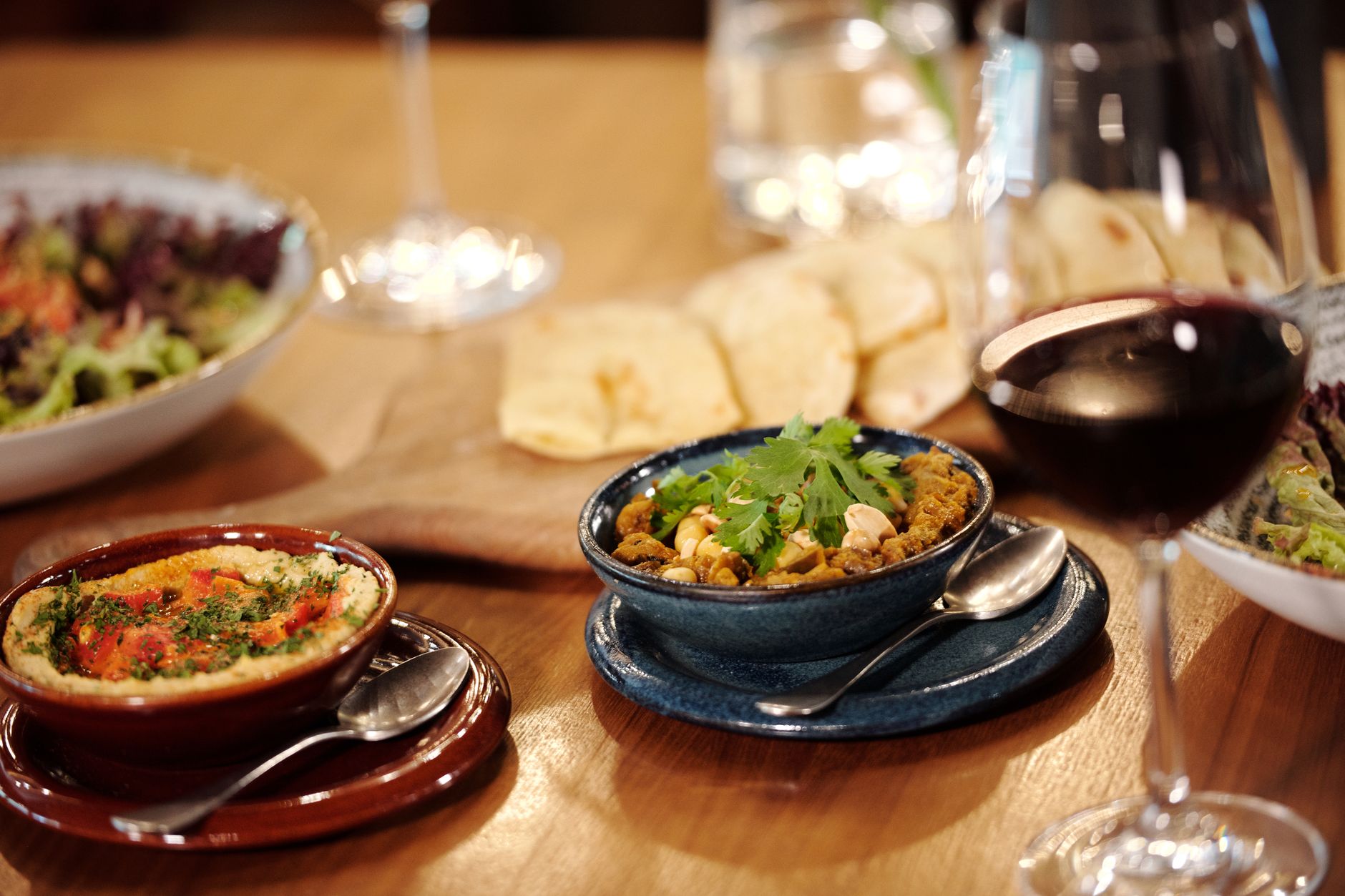
A second day lets you hike the Claremont Hills Wilderness Park at daybreak, followed by coffee on Harvard Avenue. Spend the afternoon admiring river-rock architecture in the Russian Village, then settle into Walter's Restaurant for Afghan-Californian lamb dishes and flatbread. Choose 2 Days to expand the plan.
3 days in Claremont Los Angeles United States
With three days, drive fifteen miles up Mount Baldy Road for subalpine trails and cold-water streams in the San Gabriel Mountains. Return down the canyon in the afternoon for cider tasting on First Street, followed by an evening concert at the Folk Music Center.
Claremont Los Angeles United States itineraries by interest
Campus Architecture in Claremont Los Angeles United States
Walk the seven colleges to inspect Millard Sheets murals at Scripps College and mid-century concrete forms across Harvey Mudd and Pomona.
Botanical Gardens in Claremont Los Angeles United States
Explore California Botanic Garden on North College Avenue, the state's largest collection of native flora, shaded by massive oaks and sycamores.
Folk Music in Claremont Los Angeles United States
Visit the Folk Music Center on Harvard Avenue, an active museum and shop run since 1958 with rare banjos, vintage Martins, and global lutes.
Bakeries & Cafes in Claremont Los Angeles United States
Stand in line on Yale Avenue at Some Crust Bakery for morning cinnamon rolls and egg-slider brioches made from scratch since 1916.
Historic Districts in Claremont Los Angeles United States
Walk the Russian Village district along South Mills Avenue, where Depression-era stone cottages were hand-assembled from river rock and scrap lumber.
Mountain Hiking in Claremont Los Angeles United States
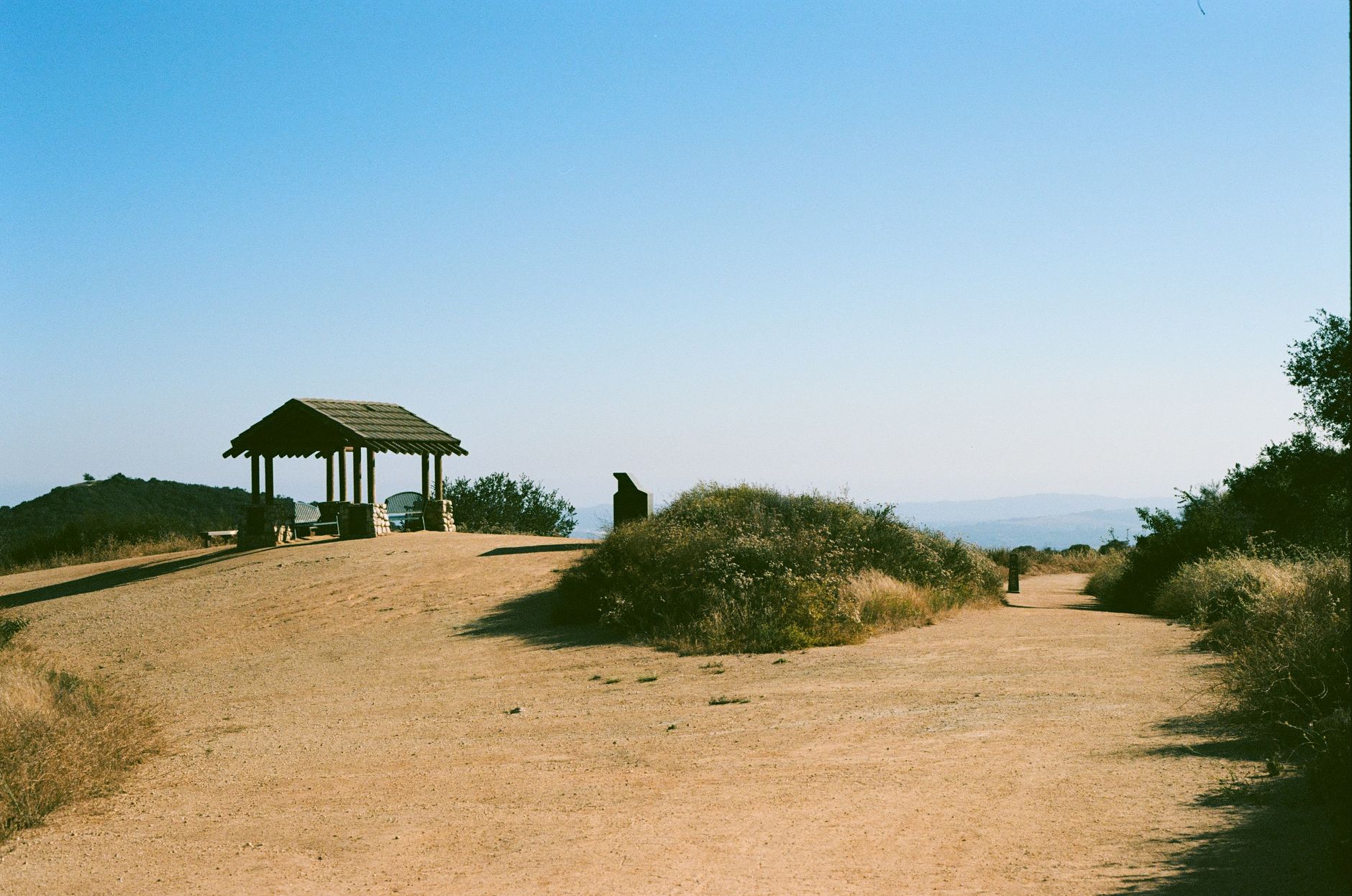
Tackle the five-mile Claremont Hills Wilderness Park loop trail at sunrise for clear views over the Pomona Valley toward Mount Baldy.
Art Galleries in Claremont Los Angeles United States
Visit the Benton Museum of Art at Pomona College for indigenous pottery, contemporary installations, and California regionalist paintings.
Specialty Markets in Claremont Los Angeles United States
Pick up raw-milk cheeses and charcuterie at The Cheese Cave in the Village, then pair them with sourdough bread from local bakers.
Public Parks in Claremont Los Angeles United States
Rest on the shaded lawns of Memorial Park or wander past citrus groves preserved along the Thompson Creek Trail greenway.
Craft Beer & Cider in Claremont Los Angeles United States
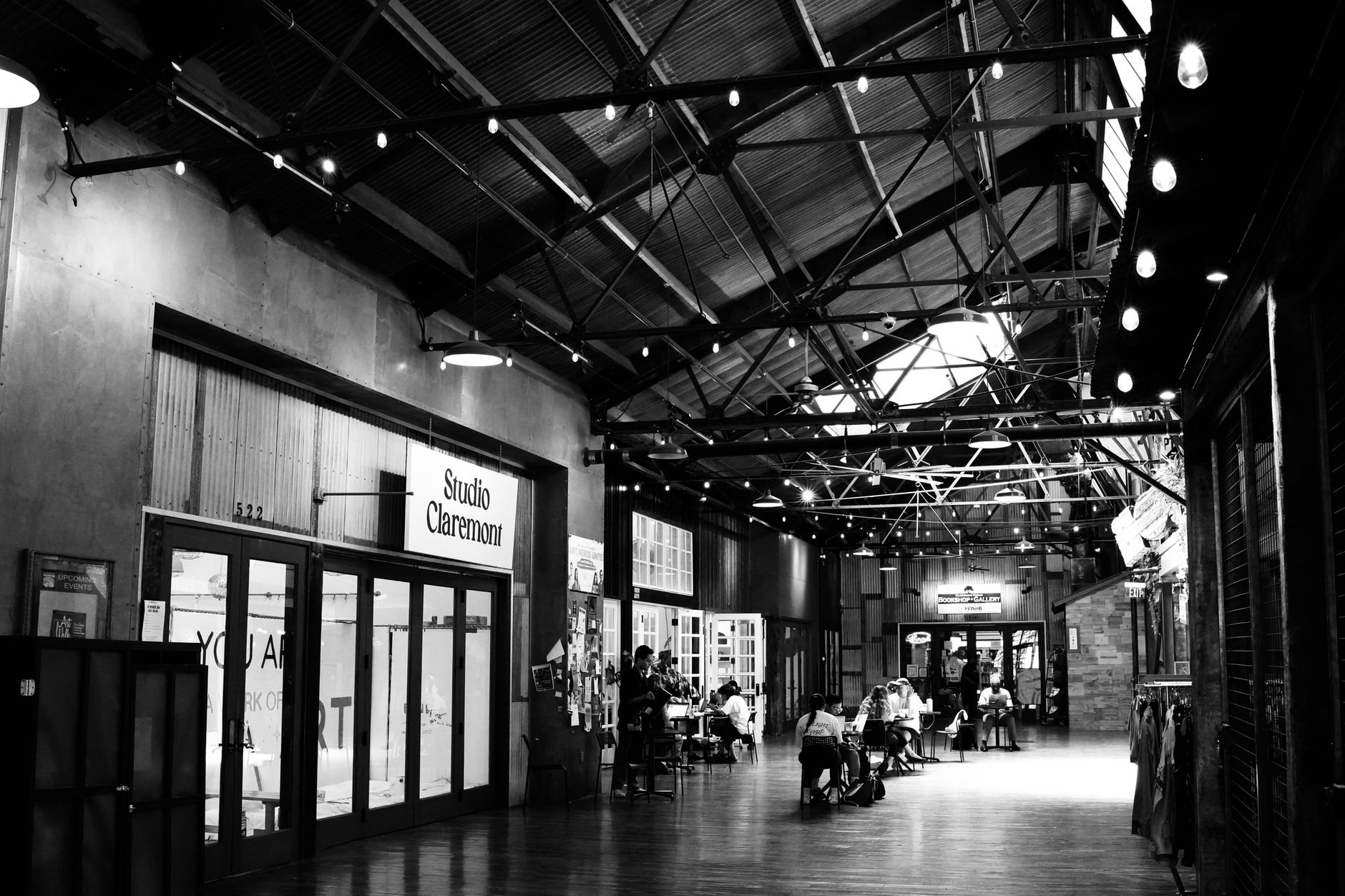
Sample dry, unpasteurised heritage cider at Ironbark Ciderworks or regional ales on tap inside the converted Claremont Packing House.
Independent Bookshops in Claremont Los Angeles United States
Browse dense shelves of art monographs, literature, and rare volumes at the Claremont Forum Bookshop inside the historic packing house.
Regional History in Claremont Los Angeles United States
Inspect preserved citrus labels, packing equipment, and local railway artifacts at the Claremont Depot historical exhibition room.