


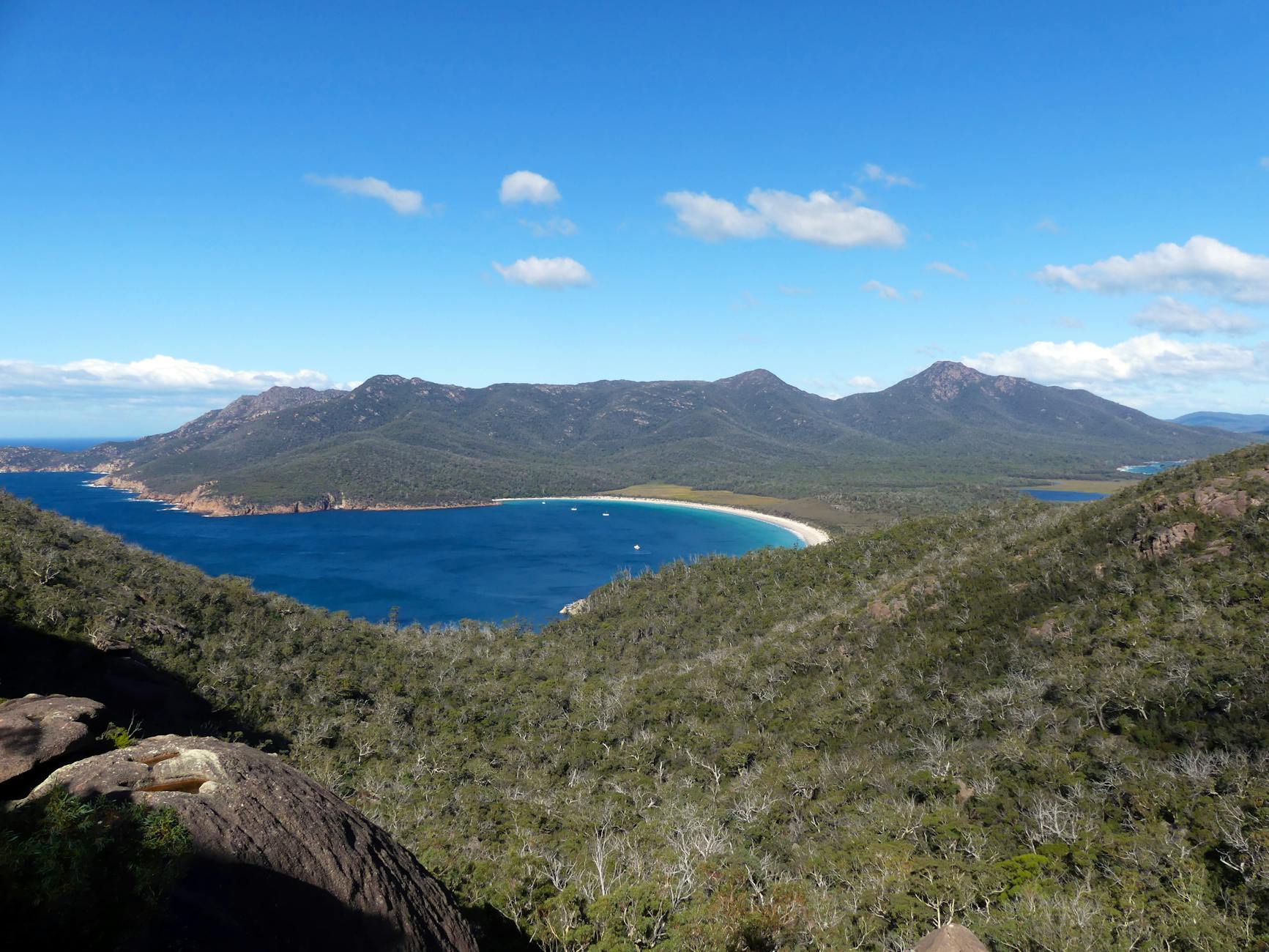

Coles Bay sits on the Freycinet Peninsula, a two-and-a-half-hour drive northeast of Hobart along the Tasman Highway. The settlement functions primarily as the base for Freycinet National Park, defined by the granite Hazards and Great Oyster Bay aquaculture. Coles Bay is worth visiting if you want granite mountain trail walks, cold-water Pacific oysters straight from lease tanks, and empty coastal tracks. Look elsewhere if you seek late-night bars, broad resort amenities, or indoor cultural diversions during rain.
Last updated 5 Oct 2026
Build a Coles Bay itinerary.
Choose up to 4 threads that pull you in. Your plan arrives organised around them.
The Bed
Where to stay in Coles Bay
Which part of town to book, and what each one costs you in walking, noise or quiet.
The Comparison
Coles Bay, or somewhere near it
The places you are realistically choosing between, and the honest case for each.
The Local Record
Where to read more about Coles Bay
The blogs, boards, guides and operators worth bookmarking.
What to do in Coles Bay Tasmania Australia
Coles Bay is a quiet coastal settlement that runs along the calm edge of Great Oyster Bay, backdropped by the pink granite Hazards. Daily life revolves around the walking tracks of Freycinet National Park, boat ramps, and the harvest of oysters and mussels. It suits walkers, nature travellers, and seafood lovers who prefer open coastal air to resort bustle.
24 hours in Coles Bay Tasmania Australia
Start early on the climb to Wineglass Bay Lookout before the morning sun warms the granite. Pick up a dozen freshly shucked oysters at Freycinet Marine Farm for lunch, then spend the late afternoon watching the Hazards turn deep pink from the sand at Richardsons Beach. Select 1 Day above to see it.
2 days in Coles Bay Tasmania Australia
Use your second morning for the circuit track around Hazards Beach, packing plenty of water. In the afternoon, take a short drive north to Devil's Corner for wood-fired pizza, local Pinot Noir, and panoramic views across the Moulting Lagoon wetlands. Choose 2 Days to expand the plan.
3 days in Coles Bay Tasmania Australia
A third day allows an unhurried visit to Friendly Beaches to watch the heavy Tasman surf roll onto white sand. Stop by Bicheno on your return for freshly cooked crayfish at the fishery wharf, or hire a sea kayak to explore the quiet coves beneath the granite cliffs.
Coles Bay Tasmania Australia itineraries by interest
Local Seafood in Coles Bay Tasmania Australia
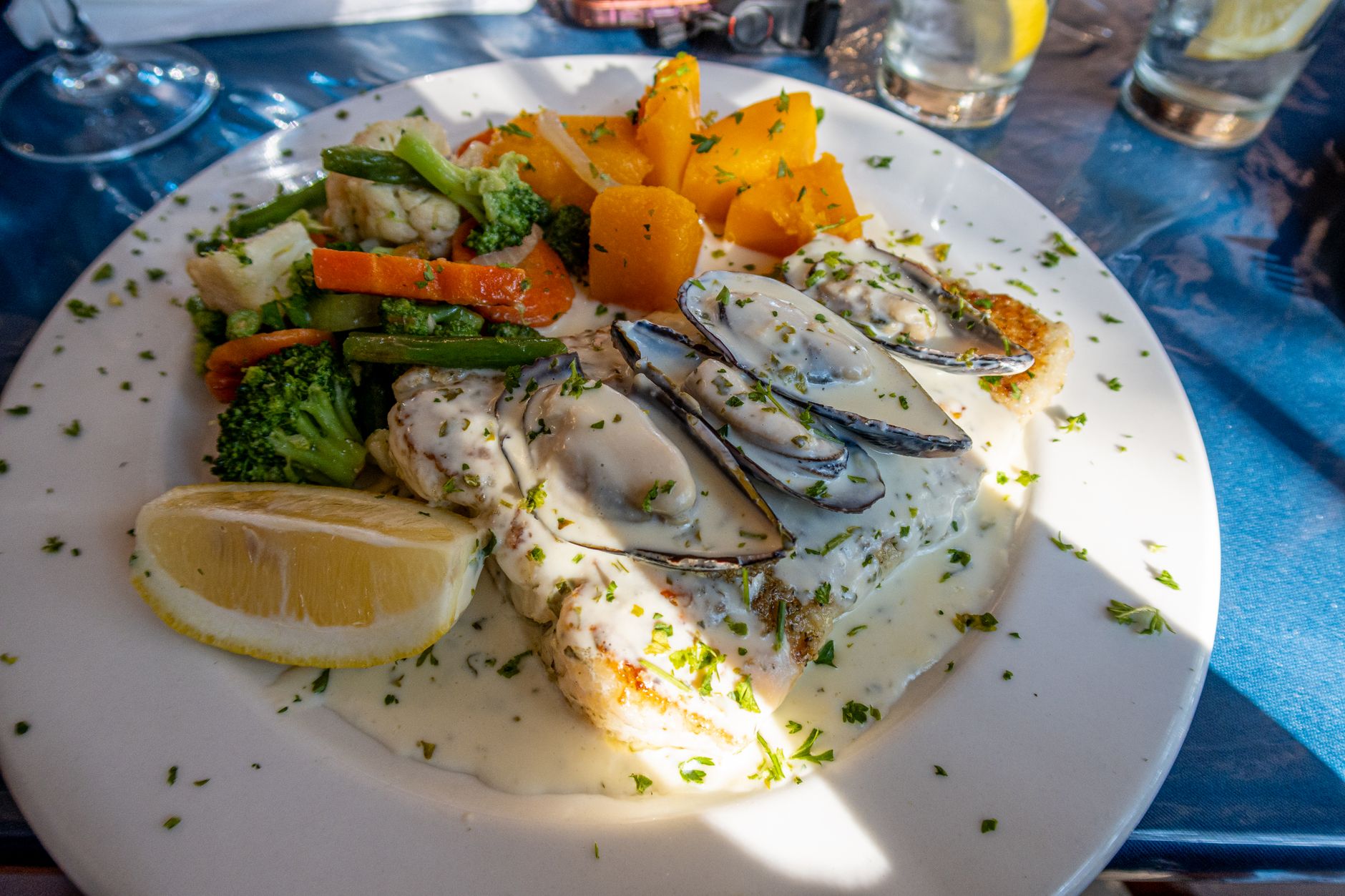
Freycinet Marine Farm shucks Pacific oysters and steamed blue mussels daily, served simply with lemon wedges and Riesling at picnic tables.
Hiking in Coles Bay Tasmania Australia
The steep granite track over Amos summit requires dry soles and steady knees, rewarding the climb with sheer views across Wineglass Bay.
Coastal Walks in Coles Bay Tasmania Australia
Follow the boardwalk from Cape Tourville lighthouse to Sleepy Bay, where orange lichen coats sea-battered boulders along the Tasman Sea.
Wine & Vineyards in Coles Bay Tasmania Australia
Cellar doors along the East Coast Wine Trail pour cool-climate Pinot Noir, crisp Riesling, and sparkling cuvees near Cranbrook and Apslawn.
Beaches in Coles Bay Tasmania Australia
Mures Beach and Richardsons Beach offer sheltered shallows for wading, while Hazards Beach delivers clean white sand without the crowds.
Wildlife Watching in Coles Bay Tasmania Australia
Spot wallabies foraging in coastal scrub, white-bellied sea eagles overhead, and migrating humpback whales off Cape Tourville in spring.
Kayaking in Coles Bay Tasmania Australia
Paddle sea kayaks along the Hazards coastline from Muirs Beach, slipping past sheltered granite coves and stingrays in clear, shallow water.
Day Trips in Coles Bay Tasmania Australia
Drive forty minutes north to Bicheno for blowhole walks, crayfish rolls at the gulch, and evening viewings of fairy penguins coming ashore.
Boat Excursions in Coles Bay Tasmania Australia
Catamaran cruises depart the jetty for Wineglass Bay, navigating past sheer sea caves, fur seal colonies, and isolated granite cliffs.
Casual Dining in Coles Bay Tasmania Australia
Grab scallop pies at the local bakery, craft beer at the tavern deck, or wood-fired flatbreads after a morning on the mountain tracks.
Photography in Coles Bay Tasmania Australia
Catch early light turning the granite Hazards pink, or shoot long exposures of rolling surf across the white quartzite arc of Friendly Beaches.
Camping & Outdoors in Coles Bay Tasmania Australia
Pitch a tent behind the dunes at Richardsons Beach or hike into Hazards Beach for remote bush campsites right above the tidal zone.