
.JPG)
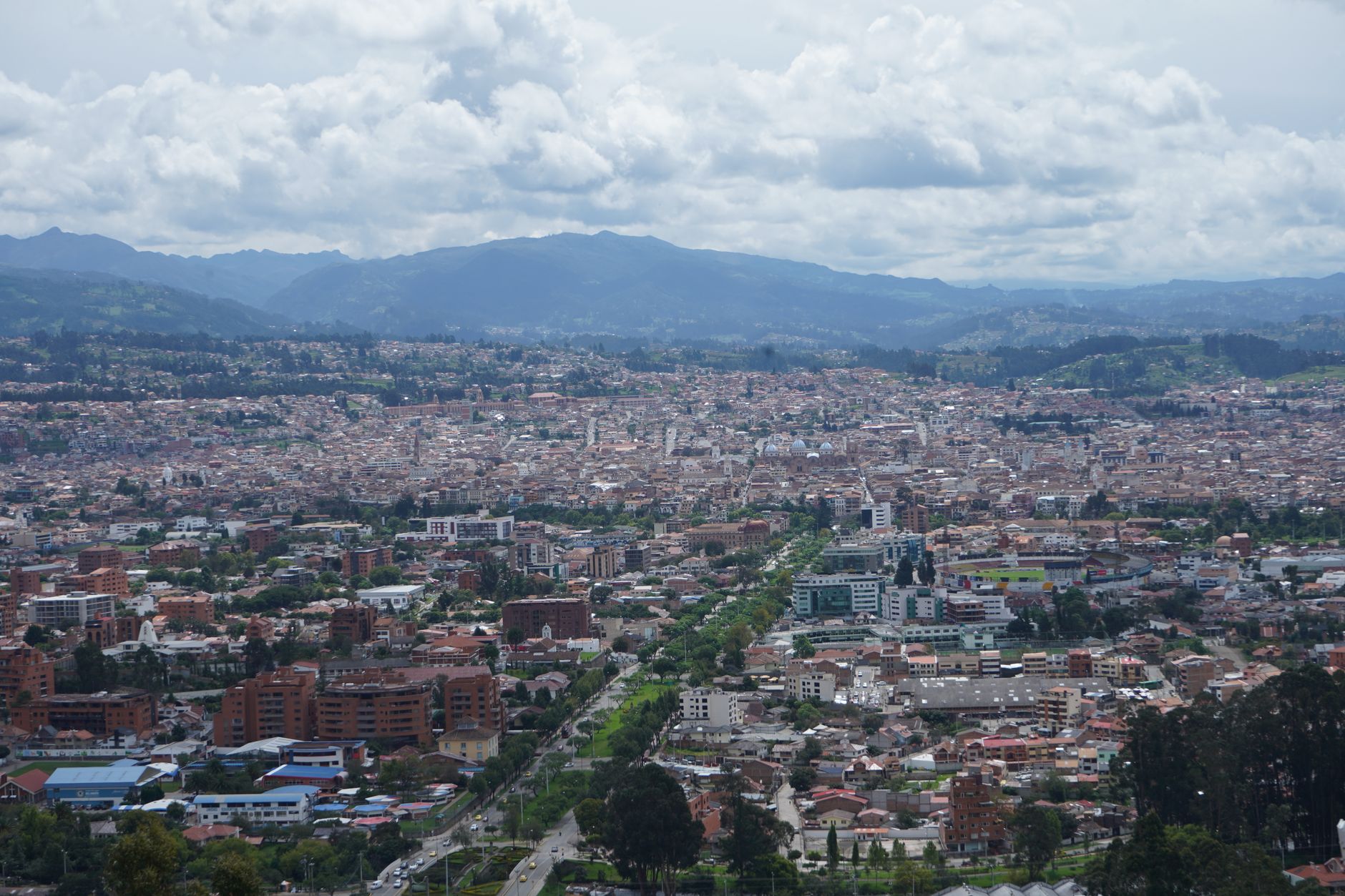


Cobblestones slick with morning drizzle ring out under the boots of market porters at 2,500 metres. Cuenca sits in a broad Andean basin where four rivers meet, lined by French-republican facades and Spanish tiled roofs. You walk along the Tomebamba River, where washerwomen still spread laundry on the grassy banks, then duck under heavy wooden lintels for a ceramic cup of hot canelazo. It is an orderly, handsome city built on deep craft traditions, from paja toquilla weaving to silver filigree.
Last updated 28 Aug 2026
Build a Cuenca itinerary.
Choose up to 4 threads that pull you in. Your plan arrives organised around them.
We'll craft a 4-lens plan for Cuenca, one collapsible strand per lens.
Local Drinks
Sip hot canelazo spiked with aguardiente and cinnamon, or try fresh horchata tea brewed from eighteen medicinal highland herbs in the market.
Local Drinks
Sip hot canelazo spiked with aguardiente and cinnamon, or try fresh horchata tea brewed from eighteen medicinal highland herbs in the market.
Sipping Red Medicinal Horchata
Mercado 10 de Agosto
Walk past the flower stalls to the drink vendors on the ground floor. A warm glass costs fifty cents; take a seat on the wooden bench.
Editor TipThis crimson infusion blends over twenty medicinal herbs, steeped daily by traditional market women and finished with lemon and unrefined panela sugar. Ask for a hot tamale de chancho wrapped in achira leaves from the stall right alongside.
Sipping Warm Spiced Canelazo
Restaurante Raymipampa
No reservation needed. Walk inside the wood-paneled room off the main plaza and order a jug of hot canelazo alongside fried empanadas de viento.
Editor TipCanelazo simmers tart naranjilla pulp with cinnamon, clove, and cane aguardiente, warming highland evenings across Azuay province for centuries. Drink it while hot. Highland cane liquor slips past the palate easily until you stand up on the cobbles.
Sipping Ancestral Chicha and Cocktails
La Chichería
Tables fill quickly by seven. Order a flight of fermented maize chicha alongside locro soup or grilled trout; no reservations needed on weekdays, allow two hours.
Editor TipSpiced chicha de jora and warm canelazo made with highland aguardiente anchor Andean social gatherings, preserving indigenous fermentation methods that predate the colony. Ask for the daily seasonal chicha, often flavoured with taxo or mortiño berries from the páramo.
Traditional Textiles
Travel thirty minutes to Gualaceo's workshops to see weavers create intricate ikat macanas on traditional backstrap looms.
Traditional Textiles
Travel thirty minutes to Gualaceo's workshops to see weavers create intricate ikat macanas on traditional backstrap looms.
Backstrap Loom Ikat Weaving
La Casa de la Macana
Drive forty minutes east of Cuenca to Bullcay. Watch the Rodas family tie-dye raw cotton with cochineal and walnut husks, then weave shawls on waist looms. Free entry; allow one hour.
Editor TipThe macana shawl uses a pre-Columbian resist-dye ikat technique preserved by Cañari descendants, where tightly tied knots shield raw threads from boiling vegetable dye baths. Walk straight past the front showroom to the open backyard where dye pots simmer on wood fires.
Sampling Chilled Spiced Rosero
Mercado 25 de Junio
Head upstairs to the beverage stalls in central Gualaceo. Order a cold glass of rosero ladled from glass jars for one dollar alongside a warm corn quesadilla. Plan on forty-five minutes.
Editor TipRosero is an Andean drink made by finely mincing soaked corn and steeping it in spiced cane syrup with pineapple, babaco fruit, and rosewater, refined across the Azuay highlands. Ask for an extra spoonful of diced fruit pulp on top and drink it right at the counter stools.
Archaeological Sites
Inspect Incan stonework and Cañari terraces at Pumapungo archaeological park, located right in the city centre behind the ethnography museum.
Archaeological Sites
Inspect Incan stonework and Cañari terraces at Pumapungo archaeological park, located right in the city centre behind the ethnography museum.
Exploring Incan Tomebamba Terraces
Museo Pumapungo
Admission to the museum and archaeological park is free; register at the front desk. Allow two hours to walk the terraces and ethnographic halls.
Editor TipBuilt over the Cañari settlement of Guapondelig, these stone foundations mark Tomebamba, the northern Incan capital constructed by Huayna Capac in the late 15th century. Wear a brimmed hat and sunscreen; the Andean sun on the exposed stone terraces is deceptively fierce.
Walking Inca Stone Terraces
Museo y Parque Arqueológico Pumapungo
Free entry with passport registration at the front desk. Walk down through the agricultural terraces to the canal foundations in under an hour.
Editor TipHuayna Capac built Tomebamba here as a secondary Inca imperial capital in the late fifteenth century, stacking dressed stone over older Cañari shrines. The Andean wind cuts cold across the exposed lower terraces. Keep your wool layer accessible as the sun dips.
Note from the Editor
“Start early at the markets before the mid-morning rush, and keep small dollar coins ready. Cuenca walks easily, but the altitude will tap your shoulder if you rush the uphill cobbles.”
The Bed
Where to stay in Cuenca
Which part of town to book, and what each one costs you in walking, noise or quiet.
The Comparison
Cuenca, or somewhere near it
The places you are realistically choosing between, and the honest case for each.
The Local Record
Where to read more about Cuenca
The blogs, boards, guides and operators worth bookmarking.
What to do in Cuenca The Andes Ecuador
Cuenca runs at a civilized Andean pace, framed by red tile roofs and four swift rivers. Days revolve around the compact grid between Parque Calderón and Calle Larga, where market stalls, coffee shops, and quiet museums sit within easy fifteen-minute walks. It suits independent walkers and slow travellers who value craft, pedestrian-friendly stone streets, and eating hot pork alongside tradespeople rather than rushing between blockbuster sights.
24 hours in Cuenca The Andes Ecuador
Start with market coffee and tamales at Mercado 10 de Agosto, then walk ten minutes to the blue domes of the New Cathedral. Spend the afternoon strolling the riverside path along El Barranco down to the Pumapungo terraces. In the evening, grab a corner table on Calle Larga for a bowl of locro de papa and a hot spiced canelazo. Select 1 Day above to see it.
2 days in Cuenca The Andes Ecuador
A second day lets you explore the artisan towns of the Paute Valley. Take a 45-minute bus to Gualaceo for backstrap-woven ikat shawls and market-fried trout, continuing to Chordeleg to watch silversmiths twist filigree wire. Return to Cuenca in time for an evening walk through the quiet, lantern-lit plaza of San Sebastián. Choose 2 Days to expand the plan.
3 days in Cuenca The Andes Ecuador
With three days, head forty minutes west into El Cajas National Park for crisp mountain air and a three-hour hike among glacial lakes and stunted polylepis trees. Pack a windbreaker and sturdy boots. Finish the trip with an unhurried visit to the modern art museum in San Sebastián and dinner at a traditional picantería.
Cuenca The Andes Ecuador itineraries by interest
Market Dining in Cuenca The Andes Ecuador
Head to Mercado 10 de Agosto for hornado—whole roasted pig served with mote and llapingachos—carved by vendors with formidable cleaver skills.
Sacred Architecture in Cuenca The Andes Ecuador
Climb the towers of the blue-domed New Cathedral on Parque Calderón, then step into the 16th-century Old Cathedral across the square.
Craft Traditions in Cuenca The Andes Ecuador
Watch weavers shape paja toquilla straw into misnamed Panama hats along Calle Larga, or visit nearby Chordeleg for delicate silver filigree.
Riverside Walks in Cuenca The Andes Ecuador
Follow the stone paths flanking the rushing Rio Tomebamba, connecting the historic colonial centre to the quieter El Barranco neighbourhood.
Highland Hiking in Cuenca The Andes Ecuador
Take a 45-minute bus west to El Cajas National Park for high-altitude loop trails around glacial tarns and paper-bark polylepis forests.
Regional Sweets in Cuenca The Andes Ecuador
Stop by the Monasterio de las Conceptas turnstile to buy candied figs, quesadillas, and lemon verbena water made by cloistered nuns.
Archaeological Sites in Cuenca The Andes Ecuador
Inspect Incan stonework and Cañari terraces at Pumapungo archaeological park, located right in the city centre behind the ethnography museum.
Modern Art in Cuenca The Andes Ecuador
Browse contemporary South American sculpture and painting in the tranquil whitewashed courtyards of the Museo Municipal de Arte Moderno.
Day Trips in Cuenca The Andes Ecuador
Take a morning bus north to Ingapirca to examine Ecuador's largest Incan ruins, featuring the Temple of the Sun's elliptical mortarless masonry.
Traditional Textiles in Cuenca The Andes Ecuador
Travel thirty minutes to Gualaceo's workshops to see weavers create intricate ikat macanas on traditional backstrap looms.
Local Drinks in Cuenca The Andes Ecuador
Sip hot canelazo spiked with aguardiente and cinnamon, or try fresh horchata tea brewed from eighteen medicinal highland herbs in the market.
Historic Neighbourhoods in Cuenca The Andes Ecuador
Wander the sloping alleys of San Roque and San Sebastián, lined with bakeries turning out hot pan de viento and wood-fired empanadas.