Dartmouth.


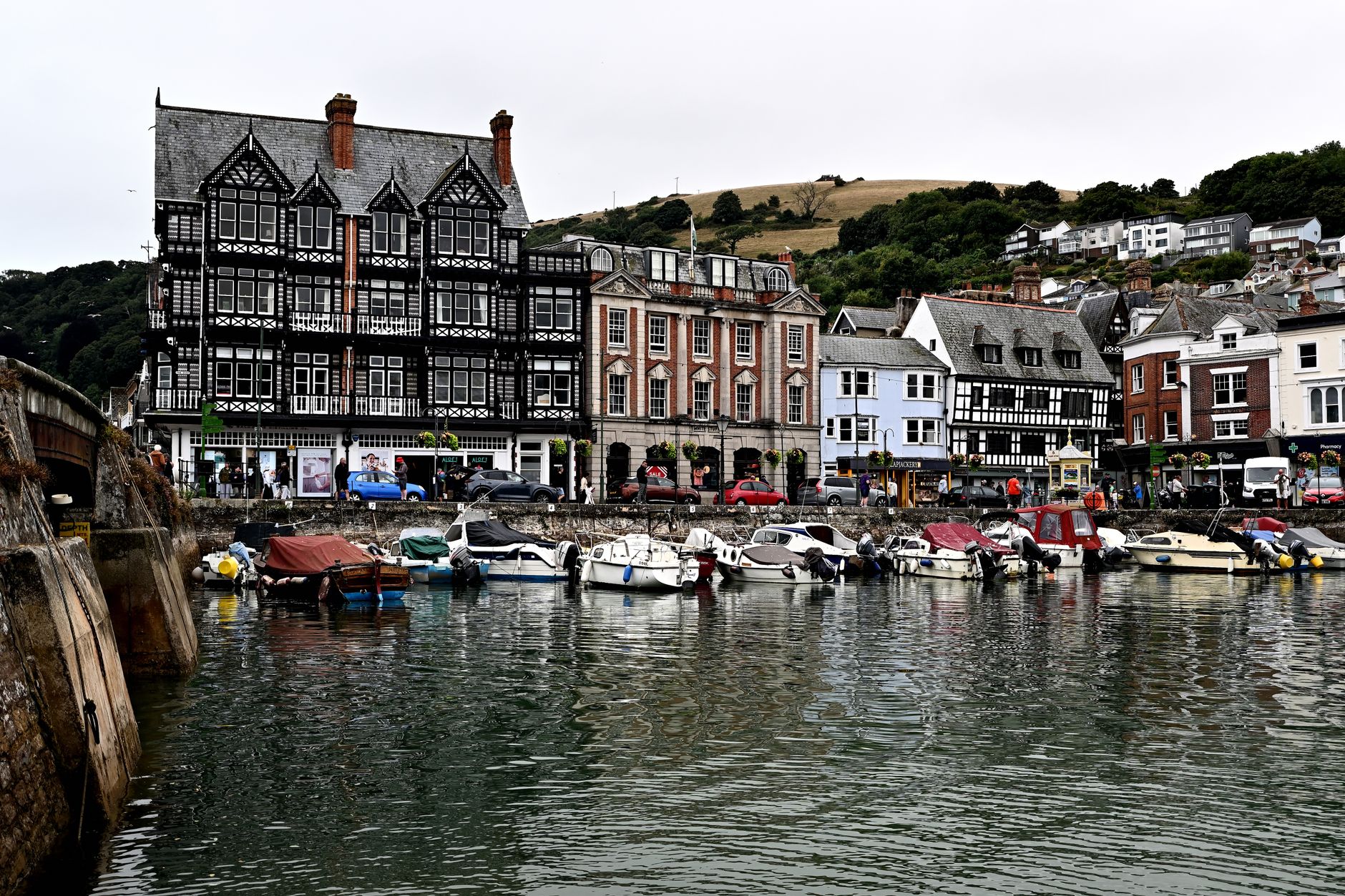


Dartmouth sits forty miles south of Exeter at the mouth of the River Dart, reached in forty minutes by bus or car from the rail junction at Totnes. The town is built on naval heritage, river navigation, and local landings of brown crab and turbot. Dartmouth is worth visiting if you want deep maritime history, estuary boat trips, and excellent local shellfish eaten beside the water. Look elsewhere if you want sandy town beaches, fast rail connections, or late-night clubbing.
Last updated 5 Nov 2026
Build a Dartmouth itinerary.
Choose up to 4 threads that pull you in. Your plan arrives organised around them.
The Bed
Where to stay in Dartmouth
Which part of town to book, and what each one costs you in walking, noise or quiet.
The Comparison
Dartmouth, or somewhere near it
The places you are realistically choosing between, and the honest case for each.
The Local Record
Where to read more about Dartmouth
The blogs, boards, guides and operators worth bookmarking.
What to do in Dartmouth Devon United Kingdom
Dartmouth rises steeply from the west bank of the Dart estuary, its streets terraced with pastel Georgian townhouses and Elizabethan timber frames. Daily life hugs the waterfront along the South Embankment and Bayards Cove, where working crabbers and leisure yachts share the deepwater channel. It suits travellers who appreciate nautical history, unhurried meals of local fish, and walking coastal tracks that require sturdy shoes and an appetite.
24 hours in Dartmouth Devon United Kingdom
Spend the morning walking the mile-long coastal path out to Dartmouth Castle and Castle Cove. Head back along Bayards Cove for a lunch of picked brown crab on Higher Street. Spend the afternoon browsing the Old Market before taking the passenger ferry across to Kingswear for an evening pint looking back at the town lights. Select 1 Day above to see it.
2 days in Dartmouth Devon United Kingdom
A second day lets you board the riverboat up the Dart to Greenway, Agatha Christie's woodland retreat, or take the steam train through the hills from Kingswear. Return to town for roasted whole lemon sole at The Seahorse and a quiet nightcap in the low-ceilinged bar of The Cherub Inn. Choose 2 Days to expand the plan.
3 days in Dartmouth Devon United Kingdom
Three days allows an excursion along the coast to the wide shingle beach at Blackpool Sands, followed by a visit to Sharpham Vineyard on the riverbank near Totnes. You can also hike the rugged five-mile coastal trail from Little Dartmouth out to the lighthouse at Start Point without watching the clock.
Dartmouth Devon United Kingdom itineraries by interest
Local Seafood in Dartmouth Devon United Kingdom
Order brown crab landed at Salcombe and Start Bay, Dover sole, and River Teign oysters at The Seahorse or Rockfish along the Embankment.
Maritime History in Dartmouth Devon United Kingdom
Explore Britannia Royal Naval College on the ridge, the Tudor battlements of Dartmouth Castle, and the 1635 timber Butterwalk arcade.
Coastal Walks in Dartmouth Devon United Kingdom
Hike the South West Coast Path south past Sugary Cove toward Blackstone Point and Little Dartmouth for sweeping English Channel views.
River Ferries in Dartmouth Devon United Kingdom
Take the passenger ferry across to Kingswear, ride the Lower Ferry with the cars, or cruise upriver through the Dart Valley to Totnes.
Historic Architecture in Dartmouth Devon United Kingdom
Wander Bayards Cove cobblestones, Fourteenth-century St Saviour Church, and steep stone stairways climbing above Higher Street.
Literary Landmarks in Dartmouth Devon United Kingdom
Take the ferry up the River Dart to Greenway House, the riverside holiday estate and garden preserved from Agatha Christie's era.
Wine & Breweries in Dartmouth Devon United Kingdom
Taste cool-climate English Bacchus and Pinot Noir at Sharpham Estate up the Dart Valley, or drink South Hams ales in waterfront pubs.
Coves & Swimming in Dartmouth Devon United Kingdom
Swim off the shingle at Castle Cove below the fortress guns, or head three miles west to the broad shingle curve of Blackpool Sands.
Markets & Produce in Dartmouth Devon United Kingdom
Browse the Old Market Square for Devon clotted cream, Sharpham cheeses, fresh sourdough, and Friday morning bric-a-brac stalls.
Day Trips in Dartmouth Devon United Kingdom
Board the steam railway from Kingswear to Paignton, or take a morning ferry across Start Bay to the fishing harbour at Brixham.
Water Sports in Dartmouth Devon United Kingdom
Rent sea kayaks or paddleboards along the calm waters of the Dart estuary, exploring Waterhead Creek and quiet saltmarsh creeks.
Traditional Pubs in Dartmouth Devon United Kingdom
Drink local scrumpy cider and Devon ales beside open hearths at The Cherub Inn, Dartmouth's oldest timber-framed tavern from 1380.