Des Moines.


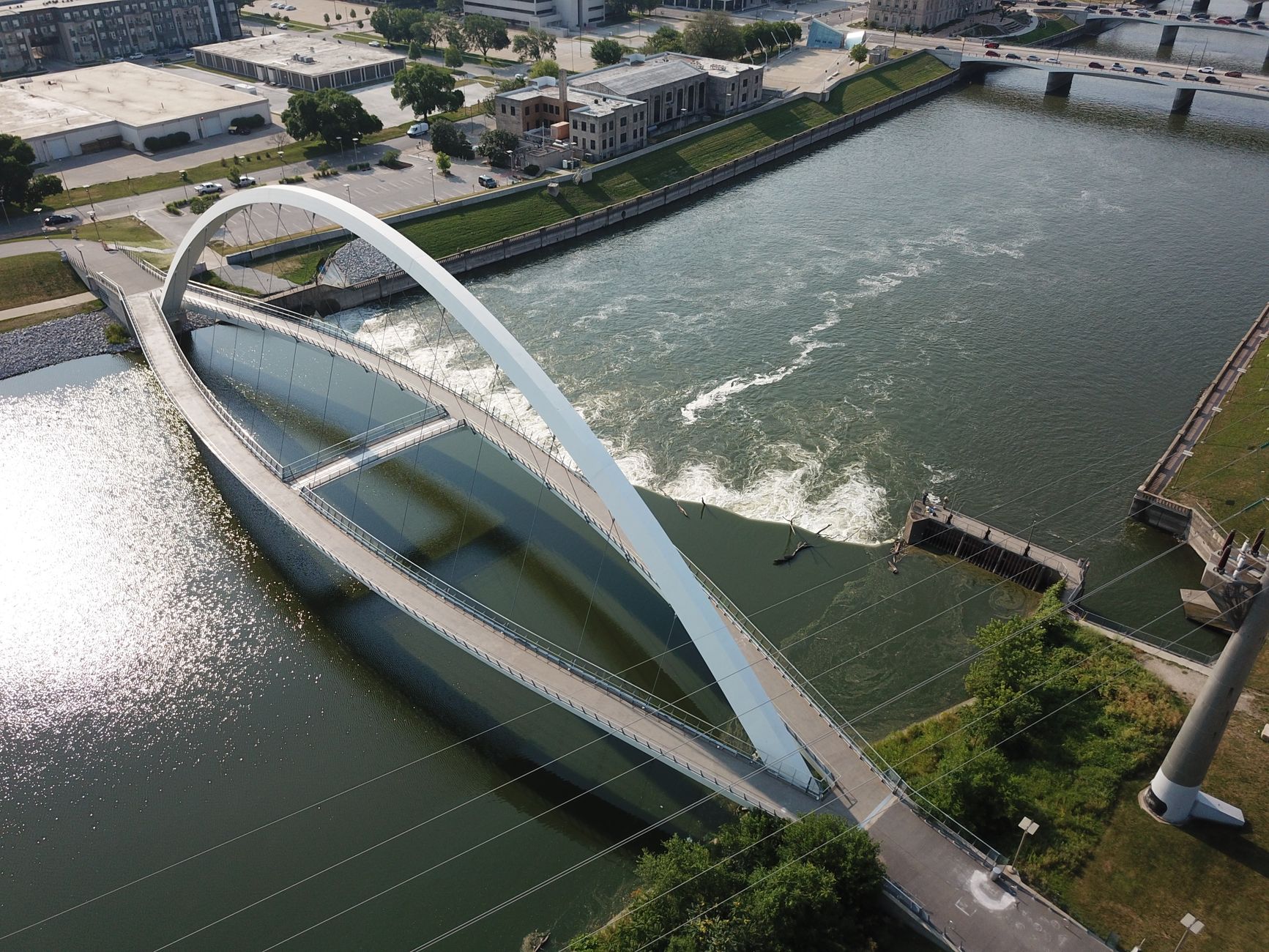



Des Moines sits five hours west of Chicago along Interstate 80 and two hours north of Kansas City on Interstate 35, with its own international airport four miles south of downtown. The city is best known for the Iowa State Fair and a serious commitment to public art along Grand Avenue. Des Moines is worth visiting if you want unpretentious Midwestern hospitality paired with monumental modernist art and crisp, pounded-flat pork tenderloin sandwiches. Look elsewhere if you want dramatic natural scenery, high-energy nightlife, ocean beaches, or a city you can easily explore without a car.
Last updated 9 Sept 2026
Build a Des Moines itinerary.
Choose up to 4 threads that pull you in. Your plan arrives organised around them.
The Bed
Where to stay in Des Moines
Which part of town to book, and what each one costs you in walking, noise or quiet.
The Comparison
Des Moines, or somewhere near it
The places you are realistically choosing between, and the honest case for each.
The Local Record
Where to read more about Des Moines
The blogs, boards, guides and operators worth bookmarking.
What to do in Des Moines Iowa United States
Des Moines unfolds along the confluence of the Des Moines and Raccoon Rivers. Life here moves without the frantic pace of larger hubs, centering on the pedestrian-friendly East Village, the leafy South of Grand enclave, and Grand Avenue. The city suits travelers who appreciate easy navigability, exceptional public sculpture, accessible parklands, and an earnest, straightforward food culture rooted in agricultural abundance.
24 hours in Des Moines Iowa United States
Start with espresso and pastries in the East Village, then inspect the gilded law library inside the State Capitol. By noon, cross the river to Pappajohn Sculpture Park on Grand Avenue. Grab a crispy pork tenderloin for lunch, walk the perimeter of Gray's Lake in the afternoon, and settle into a booth at an East Locust bistro for dinner. Select 1 Day above to see it.
2 days in Des Moines Iowa United States
A second day lets you explore the South of Grand neighborhood. Tour the intricate woodwork and Tudor revival details at Salisbury House, then walk the trails around the Des Moines Art Center. In the evening, head to Court Avenue for local craft beers and a plate of steak de burgo, a Des Moines garlic-and-herb tenderloin specialty. Choose 2 Days to expand the plan.
3 days in Des Moines Iowa United States
Day three opens up a forty-minute drive southeast to Pella for Dutch bakeries and historic windmills, or west to Madison County to see the classic covered timber bridges around Winterset. Return to the city for a leisurely sunset stroll over the pedestrian bridge above the Des Moines River.
Des Moines Iowa United States itineraries by interest
Modern Art in Des Moines Iowa United States
Wander the 4.4-acre Pappajohn Sculpture Park on Grand Avenue to inspect works by Richard Serra, Yayoi Kusama, and Louise Bourgeois without paying admission.
Civic Architecture in Des Moines Iowa United States
Climb Capitol Hill to see the 23-karat gold dome of the 1886 Iowa State Capitol and the soaring five-story spiral staircases of the State Law Library.
Local Diners in Des Moines Iowa United States
Order a golden, pounded-flat pork tenderloin sandwich extending well past the bun at Smitty's Tenderloin Shop on Army Post Road.
Farmers Markets in Des Moines Iowa United States
Browse the Downtown Farmers' Market on Court Avenue every Saturday morning from May to October for sweet corn, Dutch letters, and locally cured bacon.
Neighbourhood Walks in Des Moines Iowa United States
Stroll East Village along East Locust Street for independent bookstores, botanical shops, and restored nineteenth-century brick storefronts.
Botanical Gardens in Des Moines Iowa United States
Tour the tropical geodesic dome and perennial borders at the Greater Des Moines Botanical Garden along the east bank of the Des Moines River.
Historic Homes in Des Moines Iowa United States
Tour the 1907 Salisbury House, a 42-room manor in South of Grand modeled after King's House in Salisbury, filled with sixteenth-century tapestries.
Craft Breweries in Des Moines Iowa United States
Sample dry-hopped IPAs and crisp pilsners in industrial taprooms like Confluence Brewing Company near Gray's Lake or Lua Brewing on High Street.
Urban Trails in Des Moines Iowa United States
Rent a bike and ride the paved trail encircling Gray's Lake or connect to the Bill Riley Trail through shaded hardwood forests along the Raccoon River.
Seasonal Festivals in Des Moines Iowa United States
Spend an August afternoon at the historic Iowa State Fairgrounds eating butter-basted pork chops and watching the sculpted 600-pound butter cow tradition.
Regional Baking in Des Moines Iowa United States
Pick up almond paste-filled pastry horns and flaky Dutch letters at regional bakeries in nearby Pella or Jaarsma-inspired shops around town.
Contemporary Dining in Des Moines Iowa United States
Reserve a table in the East Village for wood-fired pizzas, handmade pastas, and Midwestern produce at spots like Alba or Lucca on East Locust.