_Harbour_LOC_2013594911.jpg)


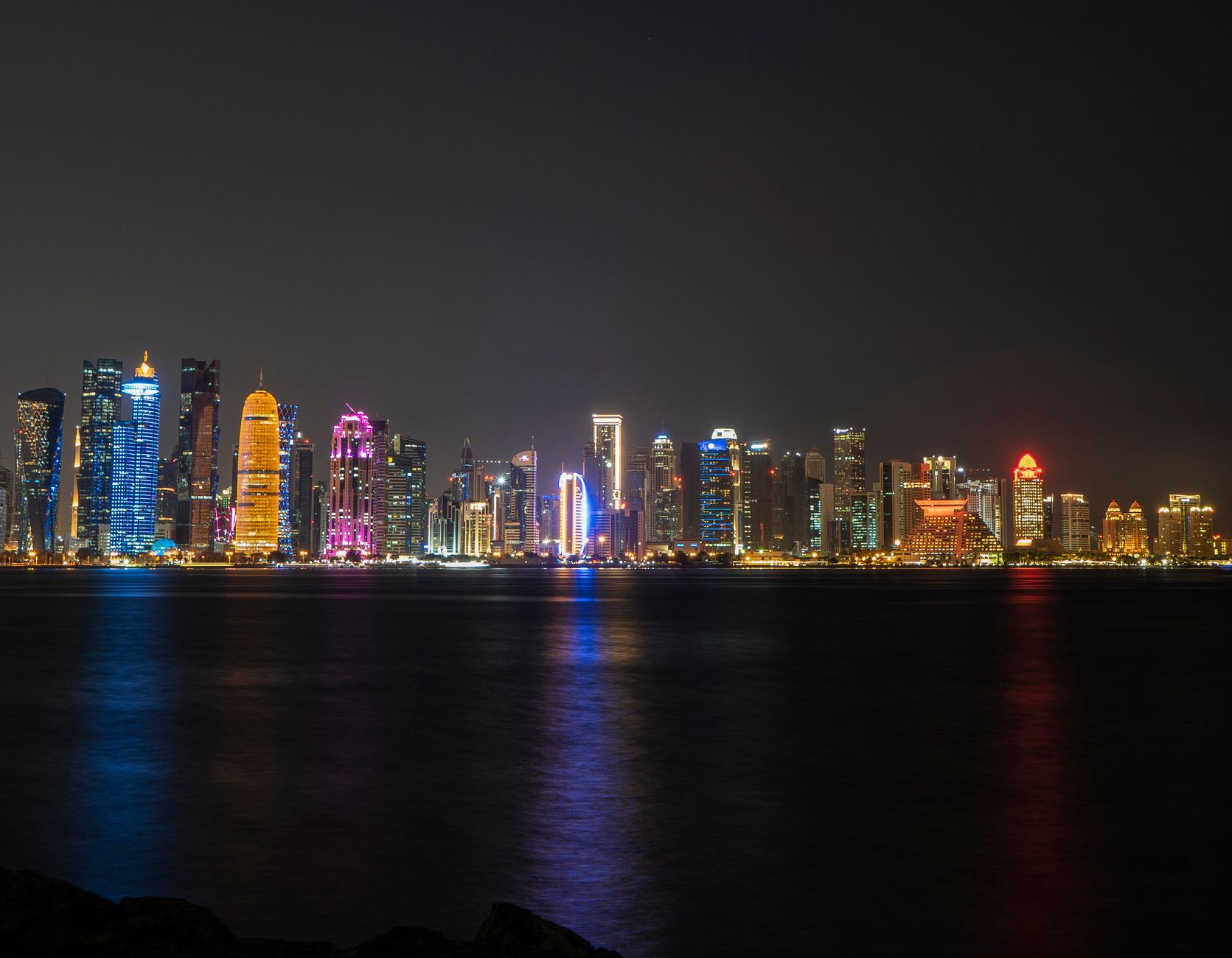


The diesel thump of wooden dhows idling in the bay cuts through the dry heat before dawn. Glass towers rise like sleek cutlery across the water, but life remains anchored to the stone alleyways of Souq Waqif, where falconers trade hoods and cooks ladle spiced machboos over blistering pots. It is a city of sharp contrasts, shifting between air-conditioned museum marble and the grit of the old pearl harbor. Doha is worth visiting if you want world-class Islamic art collections paired with late-night alleyway dining and Persian Gulf maritime history. Look elsewhere if you want a walkable city grid, casual nightlife outside international hotels, or budget backpacker infrastructure.
Last updated 3 Sept 2026
Build a Doha itinerary.
Choose up to 4 threads that pull you in. Your plan arrives organised around them.
The Bed
Where to stay in Doha
Which part of town to book, and what each one costs you in walking, noise or quiet.
The Comparison
Doha, or somewhere near it
The places you are realistically choosing between, and the honest case for each.
The Local Record
Where to read more about Doha
The blogs, boards, guides and operators worth bookmarking.
What to do in Doha Ad Dawhah Qatar
Doha moves between the pedestrian alleys of Souq Waqif and the glassy avenues of West Bay. Days naturally orient around the heat, starting early along the dhow docks, retreating indoors to expansive galleries during midday, and resuming along the Corniche after sunset. It suits curious travellers who appreciate modern architecture alongside Gulf trade customs and honest regional cooking.
24 hours in Doha Ad Dawhah Qatar
Start at the Museum of Islamic Art to beat the midday glare, then take the underground passage into Souq Waqif. Order spiced machboos with braised lamb at an open-air table. Finish with a late stroll past the dhow harbor as West Bay lights reflect across the water. Select 1 Day above to see it.
2 days in Doha Ad Dawhah Qatar
Day two takes you west into Education City to tour the Qatar National Library and the Mathaf modern art collection. In the afternoon, explore the tram-lined streets of Msheireb Downtown before sharing Yemeni mandi and spiced tea in the quiet back alleys of Al Asmakh. Choose 2 Days to expand the plan.
3 days in Doha Ad Dawhah Qatar
A third day allows an early expedition south across the desert dunes to Khor Al Adaid, where tidal water spills into the sand. Return through the old coastal settlement of Al Wakra for charcoal-grilled kingfish and an unhurried walk along its restored stone port.
Doha Ad Dawhah Qatar itineraries by interest
Traditional Markets in Doha Ad Dawhah Qatar
Wander Souq Waqif for hand-pounded za'atar, saffron threads, dried limes, and tailor-sewn thobes in mud-rendered laneways.
Islamic Art in Doha Ad Dawhah Qatar
Study ninth-century ceramics, Mughal gemstones, and Syrian astrolabes inside I.M. Pei's Museum of Islamic Art on the Corniche.
Maritime Heritage in Doha Ad Dawhah Qatar
Inspect handcrafted teak dhow hulls at Dhow Harbour and learn the harsh pearling traditions that preceded the oil boom.
Street Food in Doha Ad Dawhah Qatar
Eat hot regag crepes slathered with cheese and eggs, paired with spiced karak tea from hole-in-the-wall shops off Grand Hamad.
Modern Architecture in Doha Ad Dawhah Qatar
Walk past Jean Nouvel's desert-rose National Museum and the sweeping sand-dune lines of the Qatar National Library.
Local Seafood in Doha Ad Dawhah Qatar
Pick fresh hamour, kingfish, and jumbo prawns at the Al Wakra Fish Market, grilled whole over charcoal with dried lime paste.
Falconry & Equestrian in Doha Ad Dawhah Qatar
Visit the Falcon Souq to watch handlers fit leather hoods, then tour the temperature-controlled Al Shaqab Arabian horse stables.
Desert Landscapes in Doha Ad Dawhah Qatar
Ride four-wheel-drive tracks across rolling barchan dunes where the southern desert drops directly into the Inland Sea at Khor Al Adaid.
Contemporary Art in Doha Ad Dawhah Qatar
Browse radical installations at Mathaf in Education City and the converted grain silos of the Fire Station gallery.
Public Waterfronts in Doha Ad Dawhah Qatar
Stroll the seven-kilometre Corniche promenade at dusk when Gulf breezes cool the limestone benches facing West Bay.
Craft Traditions in Doha Ad Dawhah Qatar
Observe bedouin sadu weaving patterns and hand-beaten copper dallah coffee pots at Katara Cultural Village workshops.
Neighbourhood Walks in Doha Ad Dawhah Qatar
Explore the shaded courtyards and restored heritage houses of Msheireb Downtown, served by an emission-free street tram.