

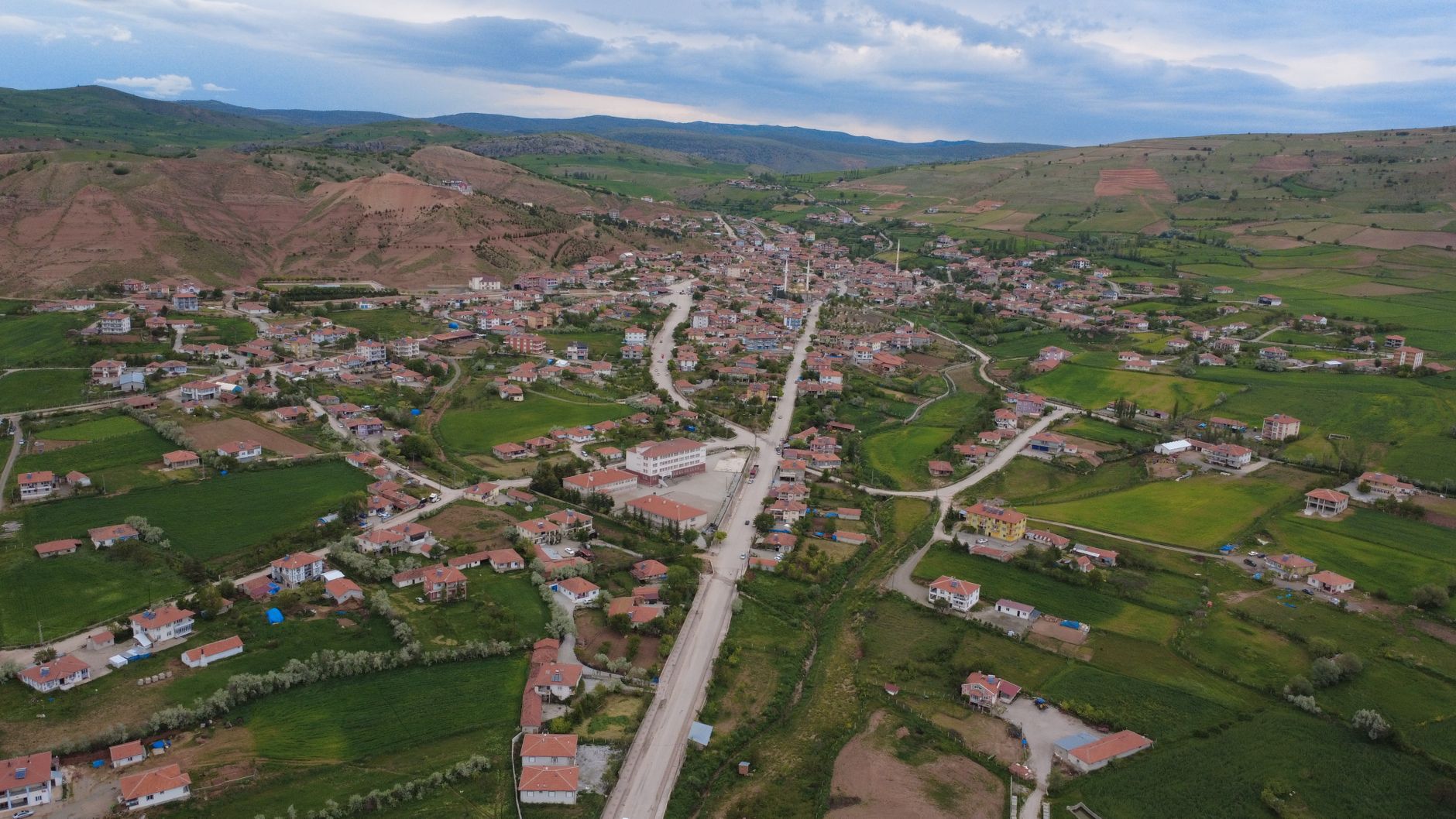


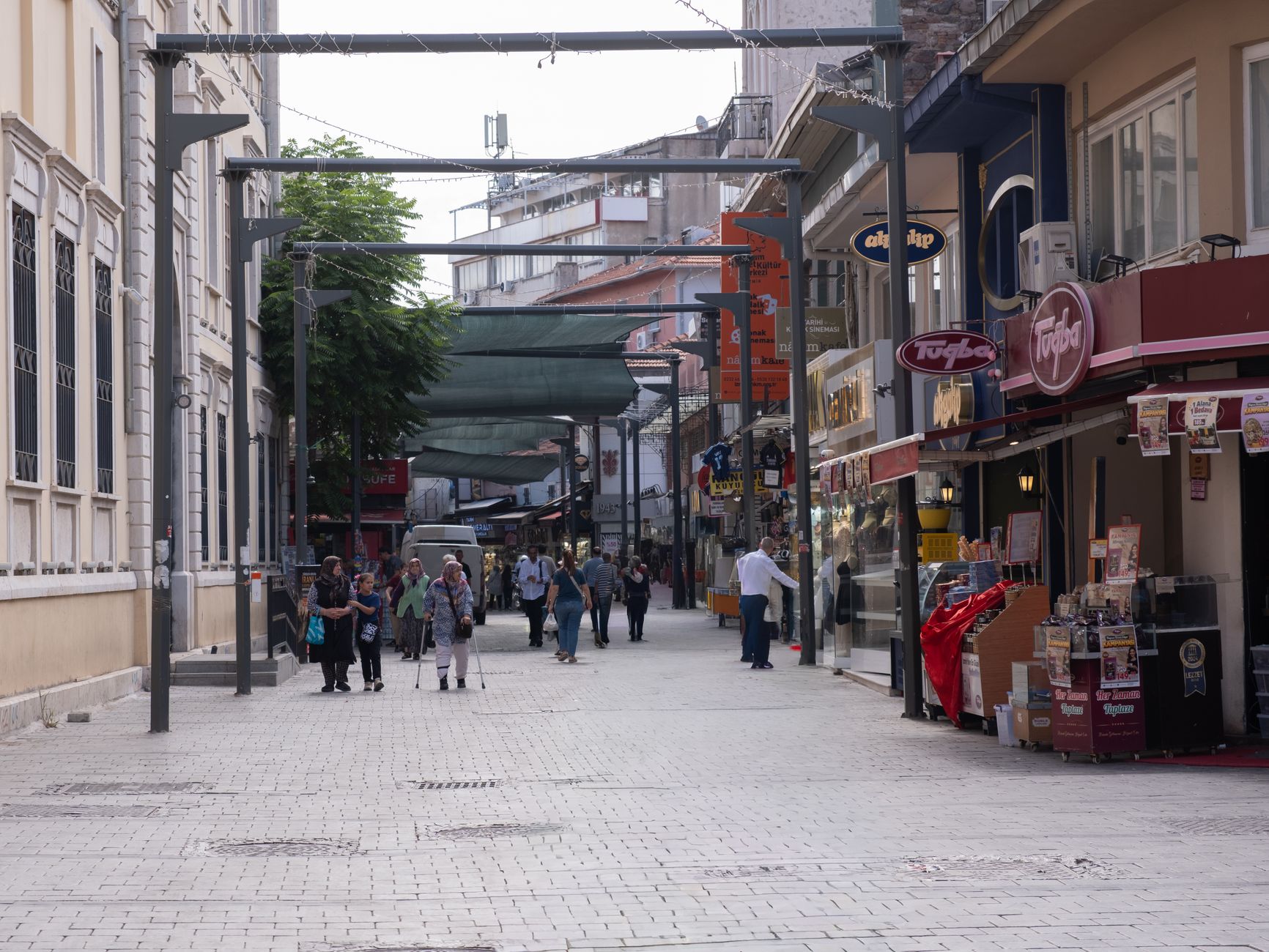
Ereğli sits 150 kilometres east of Konya, roughly two hours by regional bus or the Toros Express train across the Anatolian steppe. The town is known for its agricultural market, the eighth-century BC İvriz rock relief carved into a nearby mountain gorge, and vast fields of purple carrots. Ereğli is worth visiting if you want to inspect Luwian stone carvings by a mountain spring and eat slow-roasted lamb without tourist crowds. Look elsewhere if you expect late-night bars, luxury boutique hotels, or English signage.
Last updated 14 Oct 2026
Build a Ereğli itinerary.
Choose up to 4 threads that pull you in. Your plan arrives organised around them.
The Bed
Where to stay in Ereğli
Which part of town to book, and what each one costs you in walking, noise or quiet.
The Comparison
Ereğli, or somewhere near it
The places you are realistically choosing between, and the honest case for each.
The Local Record
Where to read more about Ereğli
The blogs, boards, guides and operators worth bookmarking.
What to do in Ereğli Konya Turkey
Life in Ereğli revolves around tea houses on İstasyon Caddesi, bustling produce markets, and agricultural trade anchored by the Bolkar Mountains. Days here move to the rhythm of regional train departures and market trading. It suits independent travellers who appreciate unadorned provincial towns, ancient Luwian stone carvings, and hearty Anatolian grilled meats.
24 hours in Ereğli Konya Turkey
Start early with tea and sheep cheese near the railway station before taking a short taxi ride to the İvriz rock relief. Return to the centre by midday for wood-roasted kuzu tandır off Anafartalar Street, then tour the local museum and Rüstem Pasha Caravanserai before dusk. Select 1 Day above to see it.
2 days in Ereğli Konya Turkey
Spend your second morning exploring the backstreets around the fourteenth-century Ulu Mosque, picking up fresh white cherry preserves. In the afternoon, head out to the Bolkar foothills for grilled trout beside the spring water at İvriz village, eating with your hands as the air cools. Choose 2 Days to expand the plan.
3 days in Ereğli Konya Turkey
A third day allows an unhurried excursion to the saline wetlands of Akgöl to watch birdlife against the steppe horizon. Take the afternoon Toros Express onward toward the Taurus pass or spend an evening sampling local şalgam and crisp etli ekmek with local traders.
Ereğli Konya Turkey itineraries by interest
Ancient Monuments in Ereğli Konya Turkey
Drive twelve kilometres south to the eighth-century BC İvriz relief, showing King Warpalawas paying homage to the storm god Tarhunzas.
Regional Markets in Ereğli Konya Turkey
Wander the central market stalls piled with local black carrots, white cherries in early summer, and dried wild mountain herbs.
Meat & Grills in Ereğli Konya Turkey
Order slow-cooked kuzu tandır roasted over wood coals, served with blistered peppers, sliced white onions, and warm flatbread.
Sacred Architecture in Ereğli Konya Turkey
Visit the fourteenth-century Ulu Mosque and the restored Ottoman Rüstem Pasha Caravanserai, built during the reign of Suleiman.
Cheese & Dairy in Ereğli Konya Turkey
Sample local Ereğli sheep cheese aged in goatskins, sharp and crumbly, paired with fresh village bread and black tea for breakfast.
Archaeology in Ereğli Konya Turkey
Examine Bronze Age ceramics, Roman coins, and Byzantine stone seals inside the compact Ereğli Archaeological Museum on Anafartalar Street.
Local Produce in Ereğli Konya Turkey
Taste freshly pressed purple carrot juice, the earthy staple that supplies Turkey's fermented şalgam makers, bottled straight from the press.
Mountain Springs in Ereğli Konya Turkey
Sit beside the rushing waters of İvriz stream where locals eat grilled river trout under walnut trees during hot July afternoons.
Train Travel in Ereğli Konya Turkey
Board the historic Toros Express at the central station for a scenic ride cutting through the Taurus Mountain foothills toward Adana.
Baked Goods in Ereğli Konya Turkey
Pick up freshly baked etli ekmek and crisp yağlı somun bread from neighbourhood brick ovens before the morning rush dies down.
Nature Reserves in Ereğli Konya Turkey
Drive west toward the Akgöl reed beds to spot migratory storks and waterbirds across the saline marsh flats in late spring.
Sweets & Preserves in Ereğli Konya Turkey
Try preserves made from local white cherries, boiled with lemon juice and sold by weight in small confectioners around İstasyon Caddesi.