Falmouth.


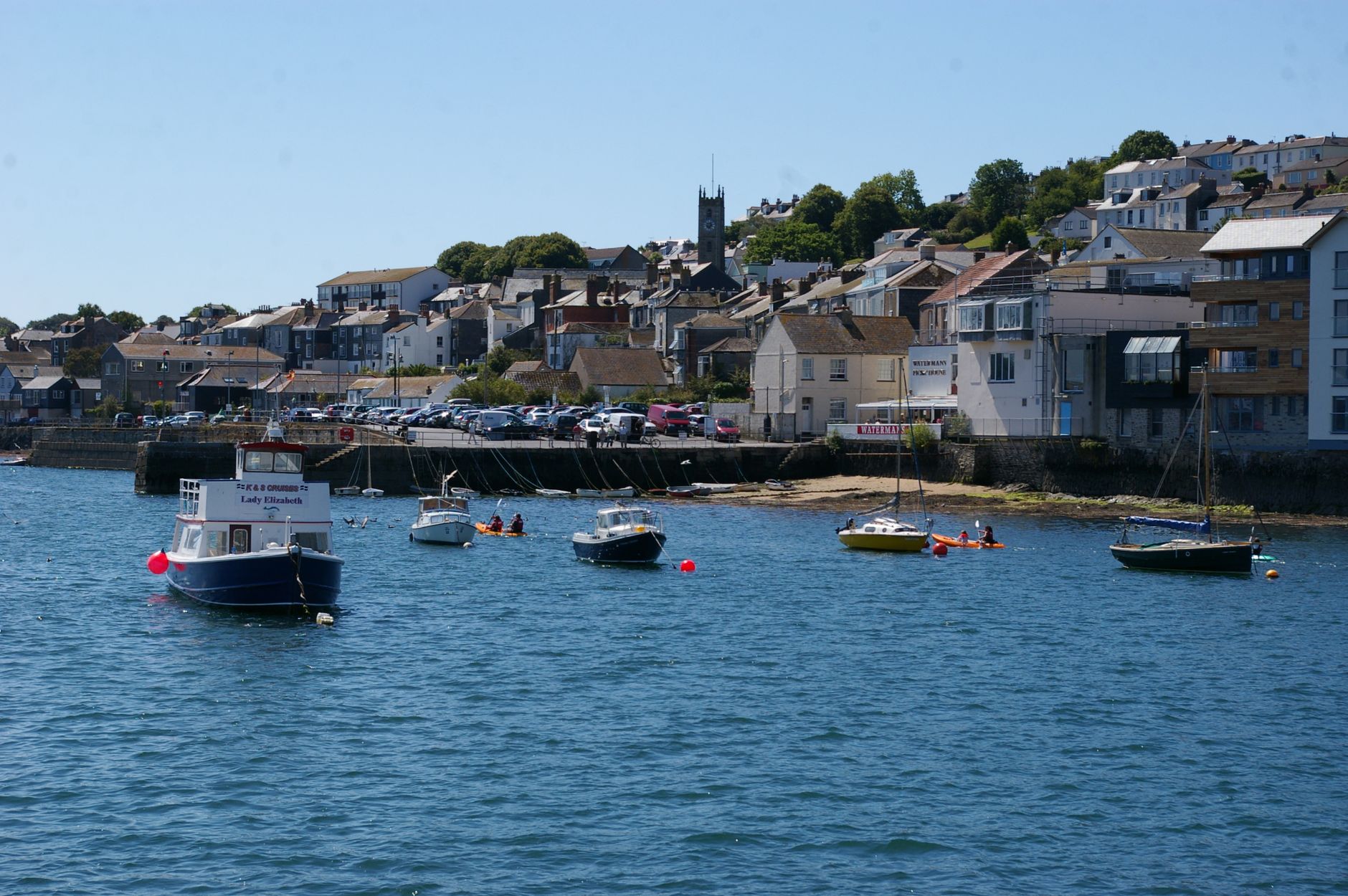
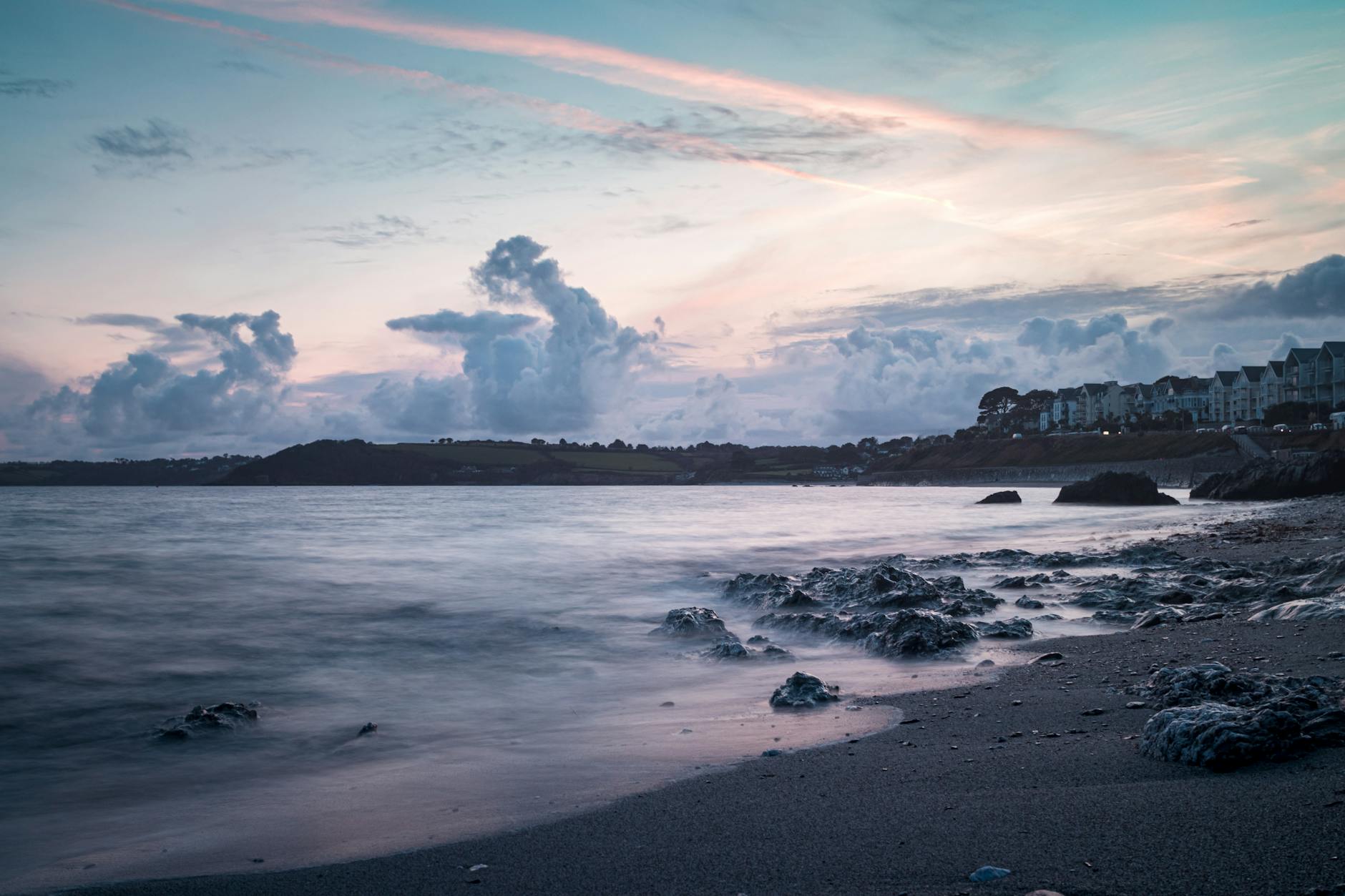
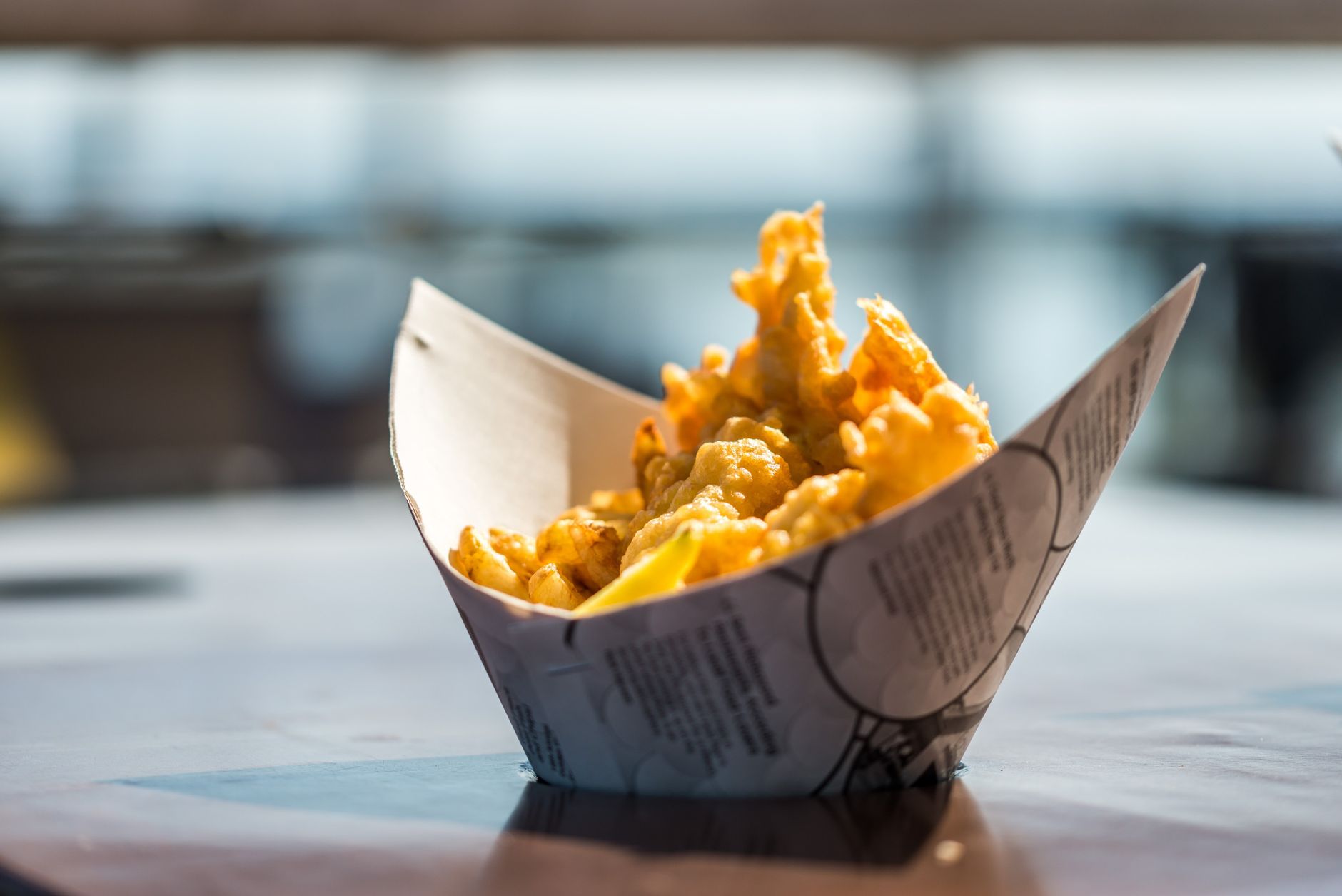
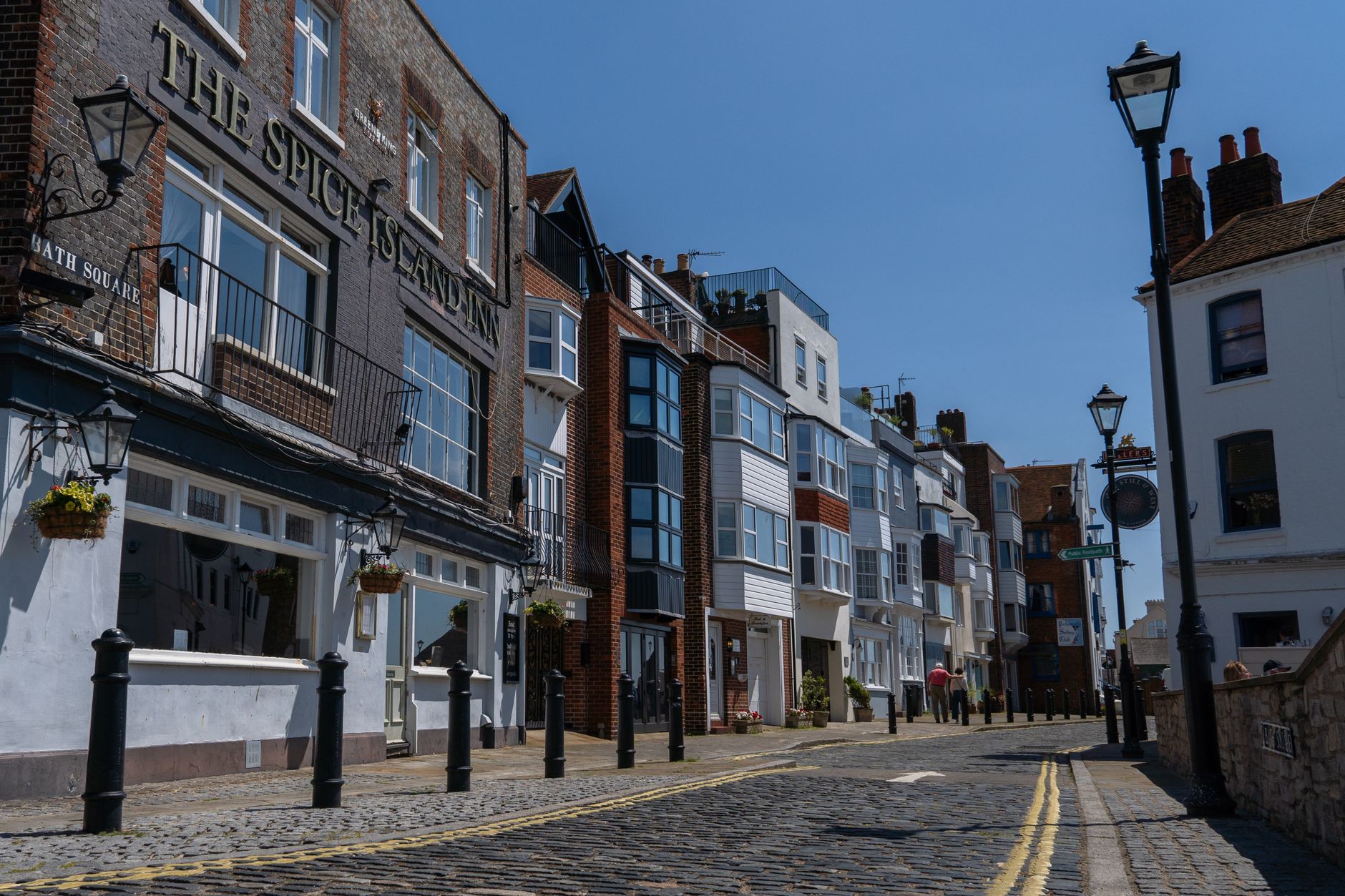
Falmouth sits on the south coast of Cornwall, a five-hour train ride from London or twenty minutes from Truro. The town is shaped by its deep-water harbour, active shipyards, and a lively art school. Falmouth is worth visiting if you want to eat day-boat crab, tour Tudor coastal forts, and cross tidal creeks on foot ferries. Look elsewhere if you want reliable summer heat, late-night dance clubs, or Atlantic surf breaks.
Last updated 14 Nov 2026
Build a Falmouth itinerary.
Choose up to 4 threads that pull you in. Your plan arrives organised around them.
The Bed
Where to stay in Falmouth
Which part of town to book, and what each one costs you in walking, noise or quiet.
The Comparison
Falmouth, or somewhere near it
The places you are realistically choosing between, and the honest case for each.
The Local Record
Where to read more about Falmouth
The blogs, boards, guides and operators worth bookmarking.
What to do in Falmouth England United Kingdom
Falmouth runs along a single mile-long spine of narrow streets, from The Moor down to the working docks. Life here is tied to saltwater: early morning gigs out on the bay, shipwrights repairing tugs, and students crowding harbourfront cafes. It suits independent travellers who prefer coastal walking, cold pints with fresh seafood, and maritime history over manicured resort luxury.
24 hours in Falmouth England United Kingdom
Start early with coffee and a fresh pasty on High Street, then walk up to Pendennis Castle for wide sea views. Spend the afternoon at the National Maritime Museum before taking a twenty-minute foot ferry across to Flushing for a quiet pint and brown crab along the quay. Select 1 Day above to see it.
2 days in Falmouth England United Kingdom
Dedicate your second day to the coastline. Walk south along the coast path from Gyllyngvase Beach to the rocky cove at Maenporth. Head back into town via the subtropical tree ferns of Fox Rosehill Gardens, finishing with smoked haddock and local cider on Arwenack Street. Choose 2 Days to expand the plan.
3 days in Falmouth England United Kingdom
A third day lets you catch the morning ferry to the Roseland Peninsula and hike to St Anthony Head lighthouse, or drive fifteen minutes south to the wooded creeks of the Helford River. You have time for a slow seafood lunch by the water and a dusk swim at Swanpool.
Falmouth England United Kingdom itineraries by interest
Local Seafood in Falmouth England United Kingdom
Crack brown crab on Custom House Quay, order fried monkfish cheeks at local fishmongers, and sample native Fal oysters dredged under sail.
Maritime History in Falmouth England United Kingdom
Explore the National Maritime Museum Cornwall on Discovery Quay, with wooden working boats, Packet Ship records, and deep-water tidal views.
Castles & Forts in Falmouth England United Kingdom
Walk the sixteenth-century artillery bastions at Pendennis Castle, built by Henry VIII to guard the western entrance of the Carrick Roads.
Coastal Walks in Falmouth England United Kingdom
Follow the South West Coast Path out along Pendennis Point to Swanpool Beach and Maenporth, with limestone cliffs and open sea views.
Boat Journeys in Falmouth England United Kingdom
Board passenger ferries from Prince of Wales Pier across the estuary to St Mawes, Flushing, or up the tidal Fal River to Malpas.
Public Gardens in Falmouth England United Kingdom
Wander sheltered microclimates packed with tree ferns, chusan palms, and bamboo at Fox Rosehill Gardens and nearby Trebah Garden.
Pub Culture in Falmouth England United Kingdom
Order a pint of local cask ale at the sixteenth-century Chain Locker or The 'Front, sitting right on the harbour edge with the boat crews.
Beaches in Falmouth England United Kingdom
Swim in calm waters at Gyllyngvase Beach, paddle board at Swanpool, or comb the shingle coves toward Castle Beach at low tide.
Visual Art in Falmouth England United Kingdom
Browse maritime paintings and printmakers at Falmouth Art Gallery on The Moor, fueled by the local university’s century-old art tradition.
Baking & Pasties in Falmouth England United Kingdom
Pick up hand-crimped steak pasties with peppery swede and skirt beef from traditional bakeries along Church Street and High Street.
Independent Shops in Falmouth England United Kingdom
Browse second-hand bookshops, letterpress studios, vintage record bins, and marine chandleries along narrow, cobblestoned Arwenack Street.
Kayaking & SUP in Falmouth England United Kingdom
Paddle sit-on-top kayaks around the sea caves of Swanpool or slip through quiet creek moorings on the sheltered waters of the Helford River.