



Gaziantep sits ninety minutes by road east of Adana and operates its own international airport twenty minutes south of town. The city is defined by early-morning soup cauldrons, copper workshops, and the Roman mosaics of Zeugma. Gaziantep is worth visiting if you want to eat lamb-neck beyran at dawn and study ancient stone floors before lunch. Look elsewhere if you want coastal breezes, quiet pedestrian promenades, or late-night cocktail bars.
Last updated 20 Oct 2026
Build a Gaziantep itinerary.
Choose up to 4 threads that pull you in. Your plan arrives organised around them.
The Bed
Where to stay in Gaziantep
Which part of town to book, and what each one costs you in walking, noise or quiet.
The Comparison
Gaziantep, or somewhere near it
The places you are realistically choosing between, and the honest case for each.
The Local Record
Where to read more about Gaziantep
The blogs, boards, guides and operators worth bookmarking.
What to do in Gaziantep Gaziantep Turkey
Life in Gaziantep runs on copper hammers and kitchen timers. The compact historic core around Şahinbey connects covered spice passages with stone alleys, meaning most days balance plate after plate of wood-fired cooking with quiet museum galleries. It suits travellers who treat lunch as an itinerary and prefer energetic market commerce to manicured resort calm.
24 hours in Gaziantep Gaziantep Turkey
Start with piping-hot beyran soup at Metanet by seven, then walk five minutes to the Bakırcılar Çarşısı before trade gets loud. Spend midday at the Zeugma Mosaic Museum, then return to İmam Çağdaş for lamb lahmacun and warm baklava before evening coffee at Tahmis Kahvesi. Select 1 Day above to see it.
2 days in Gaziantep Gaziantep Turkey
Wander the restored stone lanes of Bey Mahallesi, stopping for tea inside shaded courtyards. Walk south to Kebapçı Halil Usta for seasoned küşleme, then spend the afternoon browsing dried sumac and peppers in Almacı Pazarı before eating pistachio katmer at Zekeriya Usta. Choose 2 Days to expand the plan.
3 days in Gaziantep Gaziantep Turkey
Take the forty-minute morning drive east to Rumkale and old Halfeti to hire a small boat across the drowned Euphrates gorge. Return to town for evening pots of sour-sumac yuvalama soup and a quiet glass of menengiç coffee off Eski Saray Caddesi.
Gaziantep Gaziantep Turkey itineraries by interest
Morning Soups in Gaziantep Gaziantep Turkey
Drink spiced lamb neck and rice beyran at Metanet before eight in the morning, ladled boiling from open cauldrons with garlic and tallow.
Pastry Traditions in Gaziantep Gaziantep Turkey
Crisp pistachio katmer folded with clotted kaymak at Zekeriya Usta, alongside forty-sheet phyllo baklava baked fresh over oak embers at İmam Çağdaş.
Roman Antiquities in Gaziantep Gaziantep Turkey
The Zeugma Mosaic Museum displays salvage excavations from Euphrates villas, including the Gypsy Girl mosaic in its darkened second-floor room.
Metalwork & Crafts in Gaziantep Gaziantep Turkey
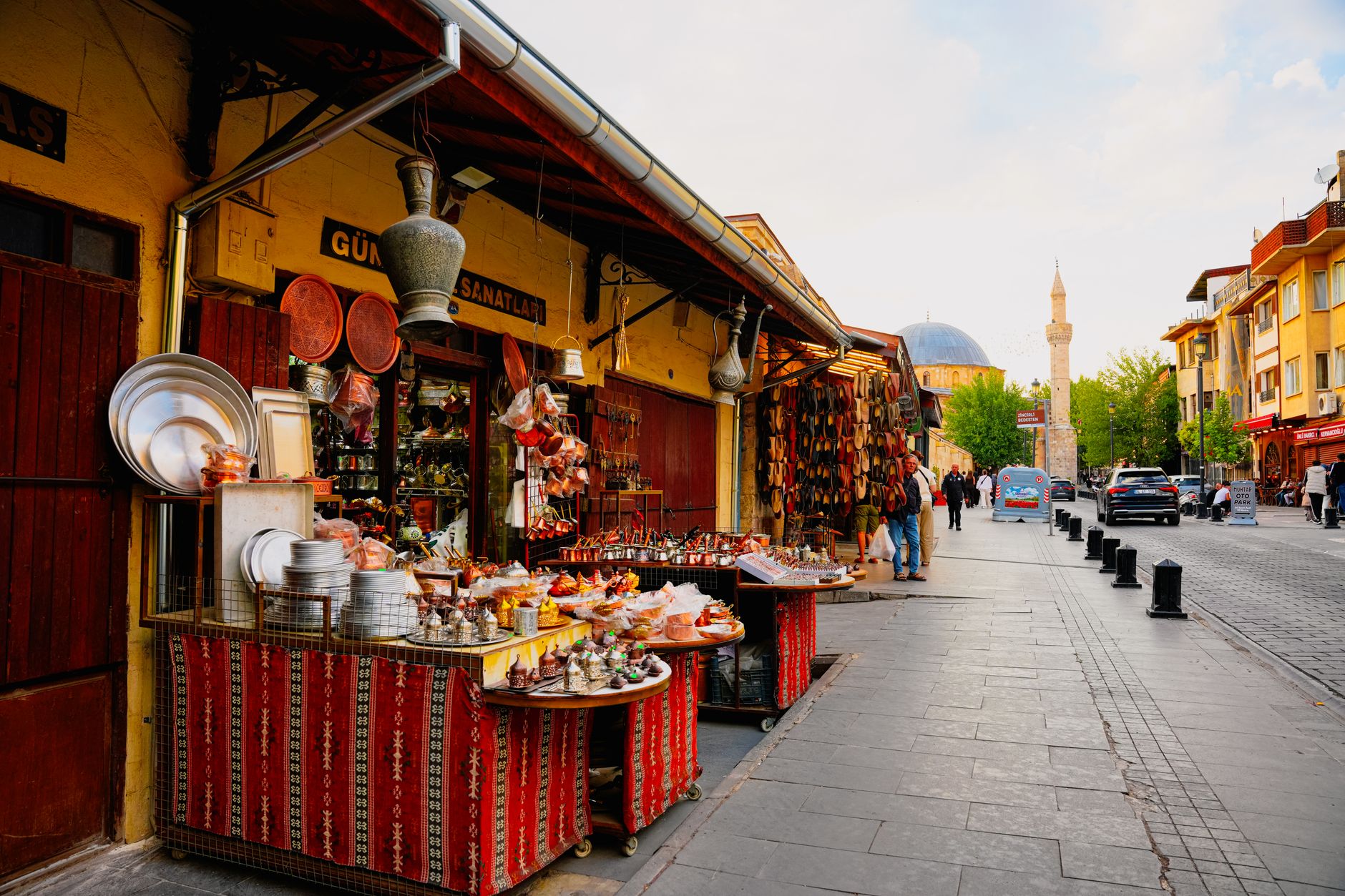
Coppersmiths in the Bakırcılar Çarşısı hammer cezve pots and platters by hand along narrow alleys active since the sixteenth century.
Markets & Bazaars in Gaziantep Gaziantep Turkey
Zincirli Bedesten and Almacı Pazarı sell crimson Aleppo pepper flakes, dried aubergine skins strung on twine, and wild menengiç coffee paste.
Old Quarter Walks in Gaziantep Gaziantep Turkey
Stone mansions with shaded courtyards fill Bey Mahallesi, where narrow lanes lead past the Atatürk Memorial Museum and quiet çay gardens.
Grilled Meats in Gaziantep Gaziantep Turkey
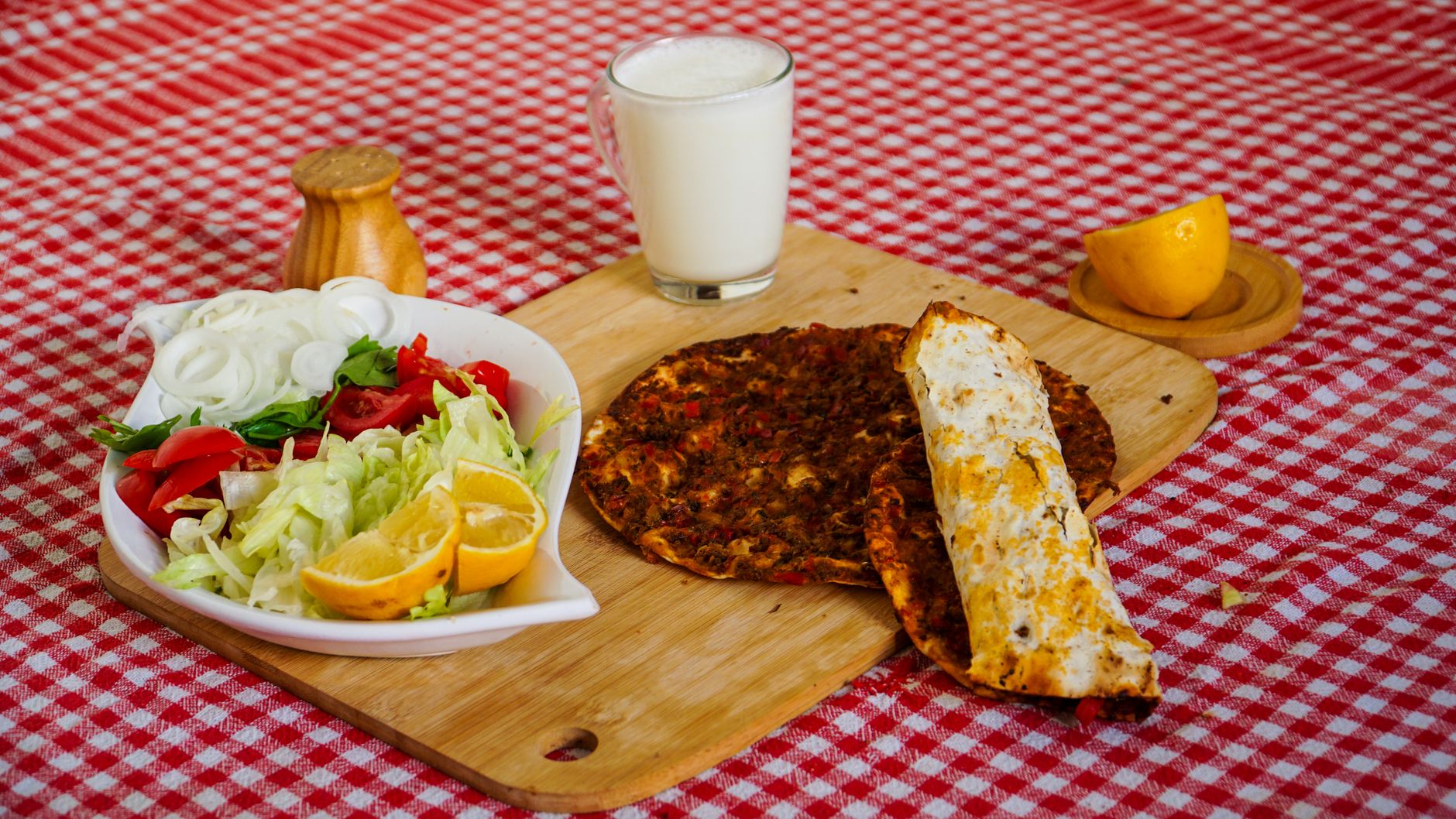
Charcoal grills turn out tender lamb küşleme fillets at Halil Usta and garlic-heavy lahmacun crisped inside domed brick ovens across Şahinbey.
Historic Coffeehouses in Gaziantep Gaziantep Turkey
Tahir Efendi and Tahmis Kahvesi brew roasted wild terebinth menengiç in double-spouted brass pots under seventeenth-century wooden ceilings.
Culinary History in Gaziantep Gaziantep Turkey
The Emine Göğüş Culinary Museum explains traditional copper cookery, seasonal sour cherry kebabs, and holiday pots of yogurt-rich yuvalama soup.
Castles & Fortresses in Gaziantep Gaziantep Turkey
Gaziantep Castle stands over the city centre, retaining Roman foundations and Ottoman defensive walls alongside panoramic views of the bazaar.
Day Trips in Gaziantep Gaziantep Turkey
Drive forty-five minutes east to Halfeti for ferry rides past the submerged minaret and limestone cliffs of the flooded Euphrates River valley.
Speciality Produce in Gaziantep Gaziantep Turkey
Antep pistachios harvested in late summer are sold raw, roasted with salt, or crushed into deep green paste across shops along Gaziler Caddesi.