Ghor Al-Mazra'a.

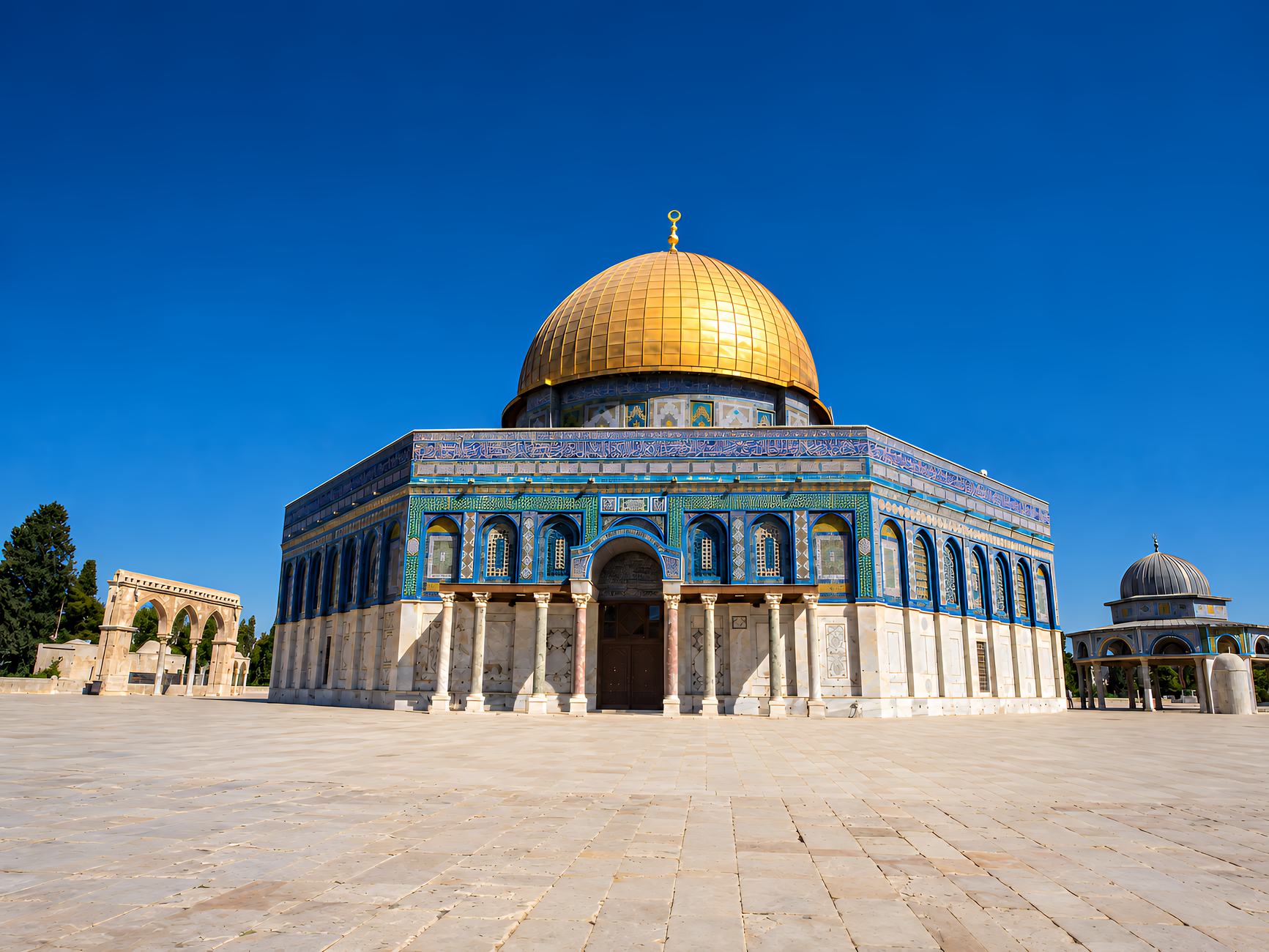
Ghor Al-Mazra'a sits on Highway 65 along the southern Dead Sea basin, a ninety-minute drive south from Amman or forty minutes down the switchbacks from Karak. The town is known for vast winter tomato farms, rich Afro-Jordanian community traditions, and immediate access to deep sandstone gorges. Ghor Al-Mazra'a is worth visiting if you want to eat farm-fresh gallayet bandora and hike remote desert canyons without resort crowds. Look elsewhere if you expect manicured resort promenades, lively nightlife, or walkable historic museums.
Last updated 27 Sept 2026
Build a Ghor Al-Mazra'a itinerary.
Choose up to 4 threads that pull you in. Your plan arrives organised around them.
The Bed
Where to stay in Ghor Al-Mazra'a
Which part of town to book, and what each one costs you in walking, noise or quiet.
The Comparison
Ghor Al-Mazra'a, or somewhere near it
The places you are realistically choosing between, and the honest case for each.
The Local Record
Where to read more about Ghor Al-Mazra'a
The blogs, boards, guides and operators worth bookmarking.
What to do in Ghor Al-Mazra'a Karak Governorate Jordan
Life in Ghor Al-Mazra'a follows the rhythm of farming and the harsh desert sun. Sitting nearly four hundred metres below sea level, the low-lying town centres on small agricultural plots, roadside tea stalls, and dirt tracks leading toward the Lisan Peninsula. Days revolve around morning field harvests and afternoons in shaded family courtyards. It suits travellers who prefer unadorned rural hospitality and raw geology over polished tourist infrastructure.
24 hours in Ghor Al-Mazra'a Karak Governorate Jordan
Start early with a guided walk through Wadi Numeira's narrow gorge, just ten minutes south. By midday, sit down in town for farm-fresh gallayet bandora with warm shrak. Spend the late afternoon walking the salt-crusted edge of the Lisan Peninsula as the sun drops behind the western hills. Select 1 Day above to see it.
2 days in Ghor Al-Mazra'a Karak Governorate Jordan
A second day lets you climb the switchback road up to Karak city. Tour the vast subterranean galleries of Karak Castle before lunching on traditional lamb mansaf at a local kitchen. Return to the valley floor before dusk to drink sage tea with farmers along the irrigation canals. Choose 2 Days to expand the plan.
3 days in Ghor Al-Mazra'a Karak Governorate Jordan
With three days, venture south to hike the water trail of Wadi Hasa or drive into the thermal gorges of Hammamat Borbeita for an unhurried soak. You gain the time to visit local cooperatives, watch palm-leaf weaving, and understand how the Ghorani community thrives in an unforgiving climate.
Ghor Al-Mazra'a Karak Governorate Jordan itineraries by interest
Local Agriculture in Ghor Al-Mazra'a Karak Governorate Jordan
Walk irrigation canals among winter crops to see how farmers harvest sweet Jordan Valley tomatoes, aubergines, and Medjool dates from salty soil.
Canyon Hiking in Ghor Al-Mazra'a Karak Governorate Jordan
Trek through the towering sandstone walls and cool perennial streams of Wadi Numeira and Wadi Hasa, both located a short drive south.
Archaeological Sites in Ghor Al-Mazra'a Karak Governorate Jordan
Visit nearby Bab edh-Dhra, an Early Bronze Age settlement and necropolis overlooking the Lisan Peninsula with stone tomb remains.
Home Cooking in Ghor Al-Mazra'a Karak Governorate Jordan
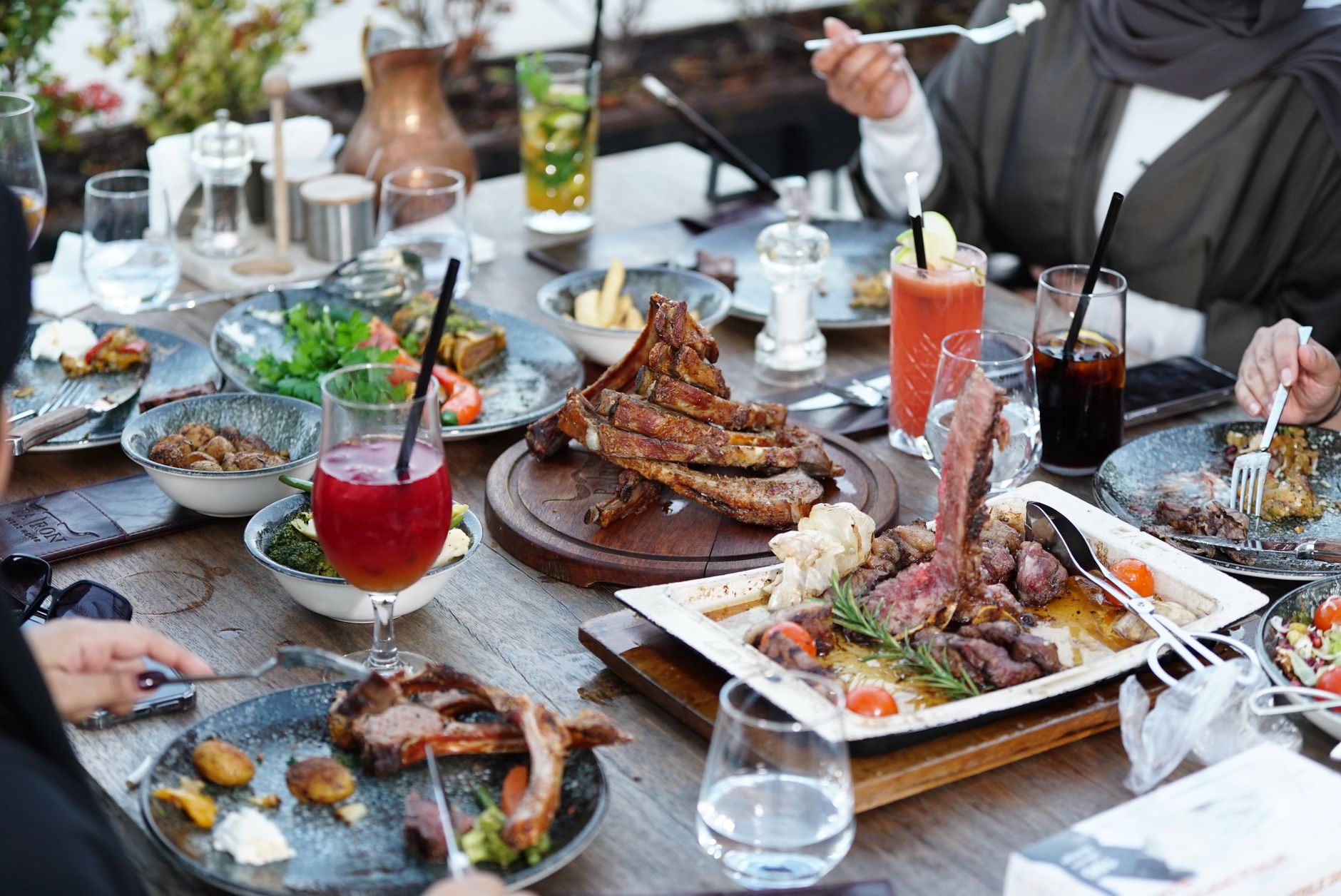
Share bubbling skillets of gallayet bandora cooked with fiery local peppers, garlic, and fresh shrak bread baked over an open saj flame.
Craft Traditions in Ghor Al-Mazra'a Karak Governorate Jordan
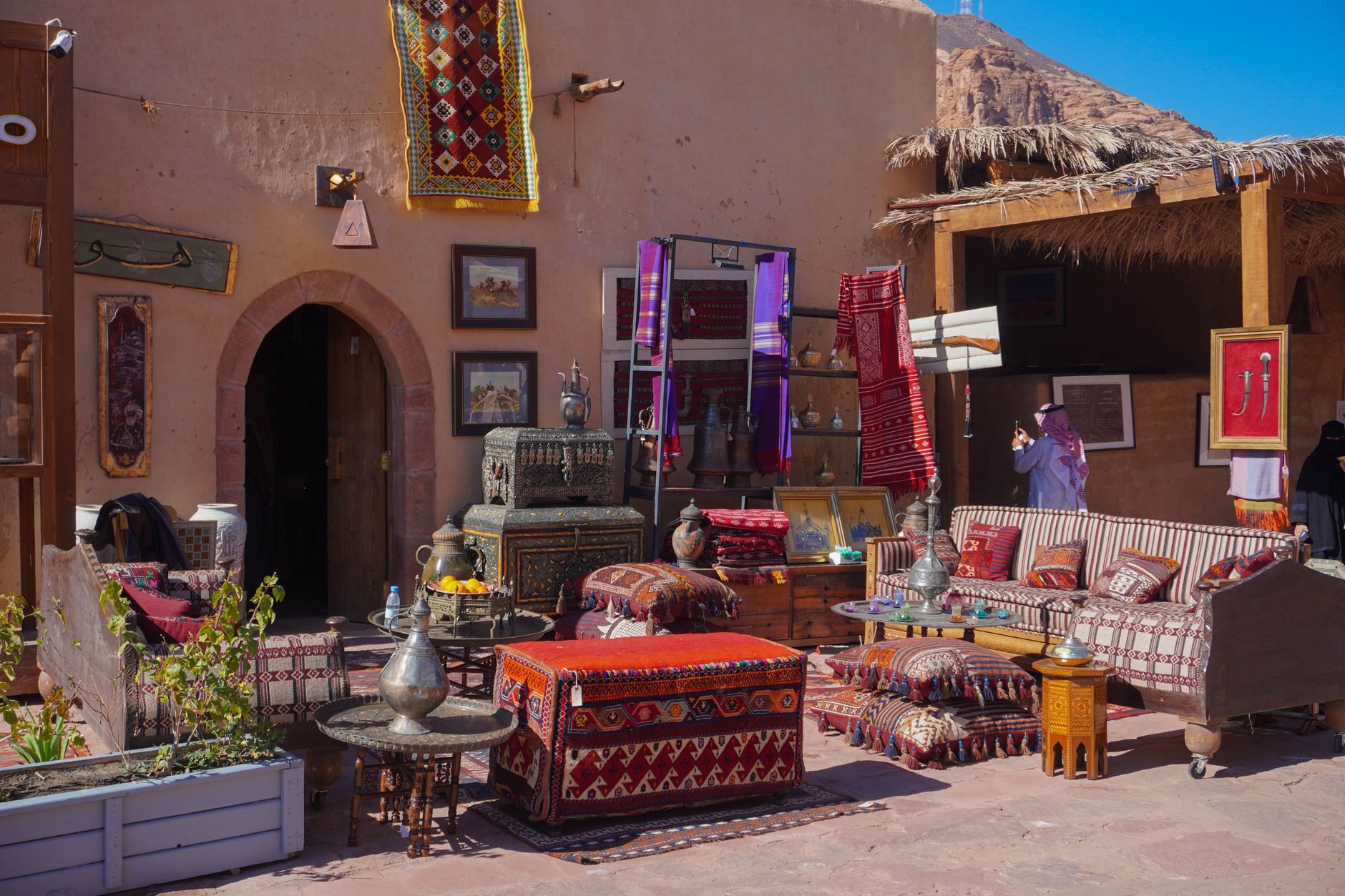
Watch local women weave sturdy household mats and baskets from dried date palm fronds and banana leaves using time-tested methods.
Geological Formations in Ghor Al-Mazra'a Karak Governorate Jordan
Examine crystalline salt crusts, mineral pillars, and mudflats where the shrinking southern basin meets the arid Lisan Peninsula.
Community Life in Ghor Al-Mazra'a Karak Governorate Jordan
Engage with Ghorani families to learn about the agricultural cooperative movement, local music, and daily life in the low rift valley.
Day Trips in Ghor Al-Mazra'a Karak Governorate Jordan
Drive up the mountain pass to explore the crusader battlements and vaulted stone chambers of Karak Castle, forty minutes east.
Hot Springs in Ghor Al-Mazra'a Karak Governorate Jordan
Soak in the natural mineral-rich thermal waters cascading down volcanic rock at nearby Hammamat Afra and Hammamat Borbeita.
Meat Traditions in Ghor Al-Mazra'a Karak Governorate Jordan
Dine on tender mutton zarb slow-roasted underground in sand-covered barrels or classic mansaf served on wide platters of spiced rice.
Valley Scenic Drives in Ghor Al-Mazra'a Karak Governorate Jordan
Follow Route 65 along the Dead Sea shoreline to witness shifting salt shores, dramatic cliff faces, and agricultural oases.
Birdwatching in Ghor Al-Mazra'a Karak Governorate Jordan
Spot migrating steppe eagles, kingfishers, and desert larks foraging around the freshwater springs and reeds that feed the valley farms.