


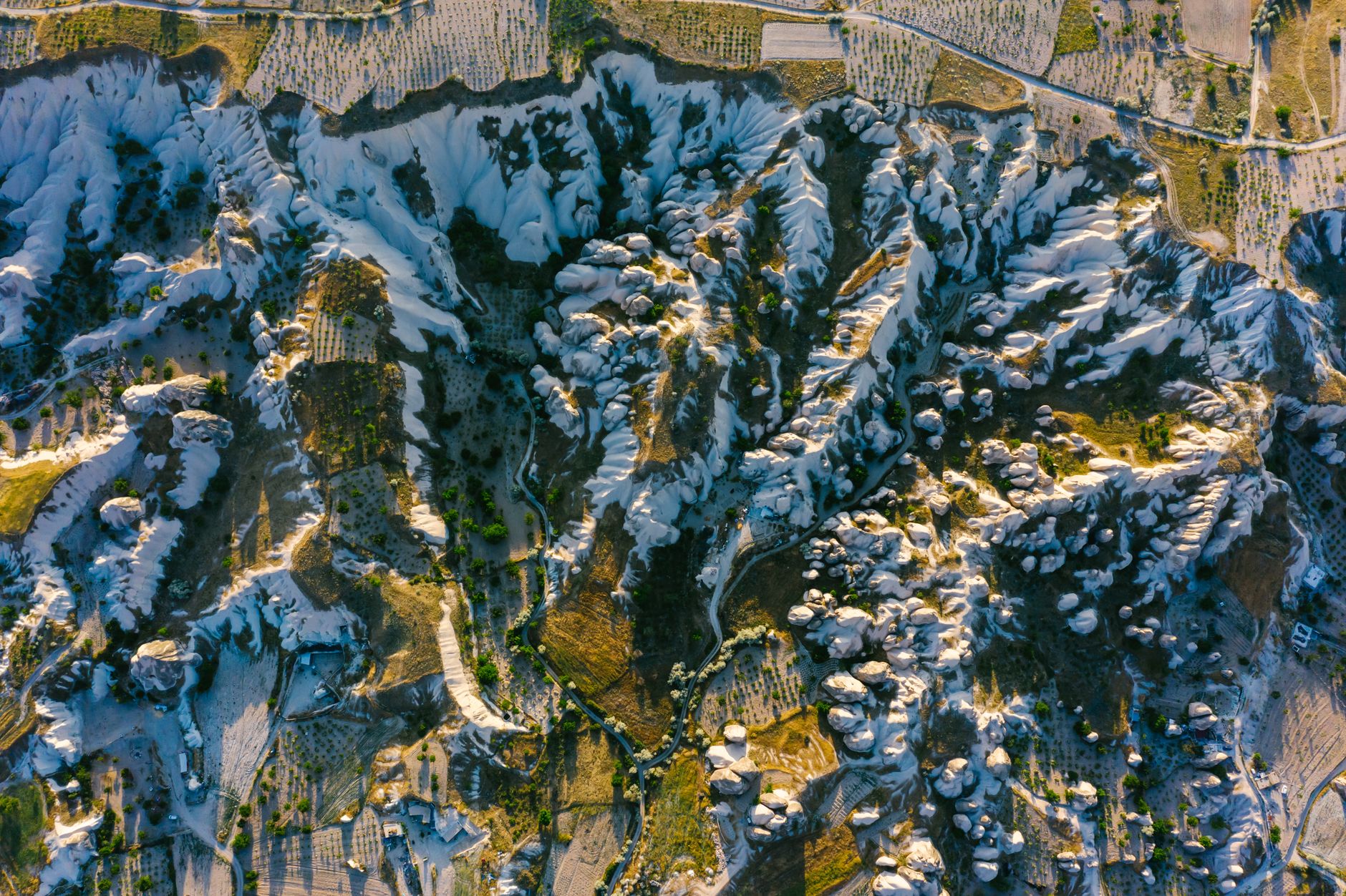

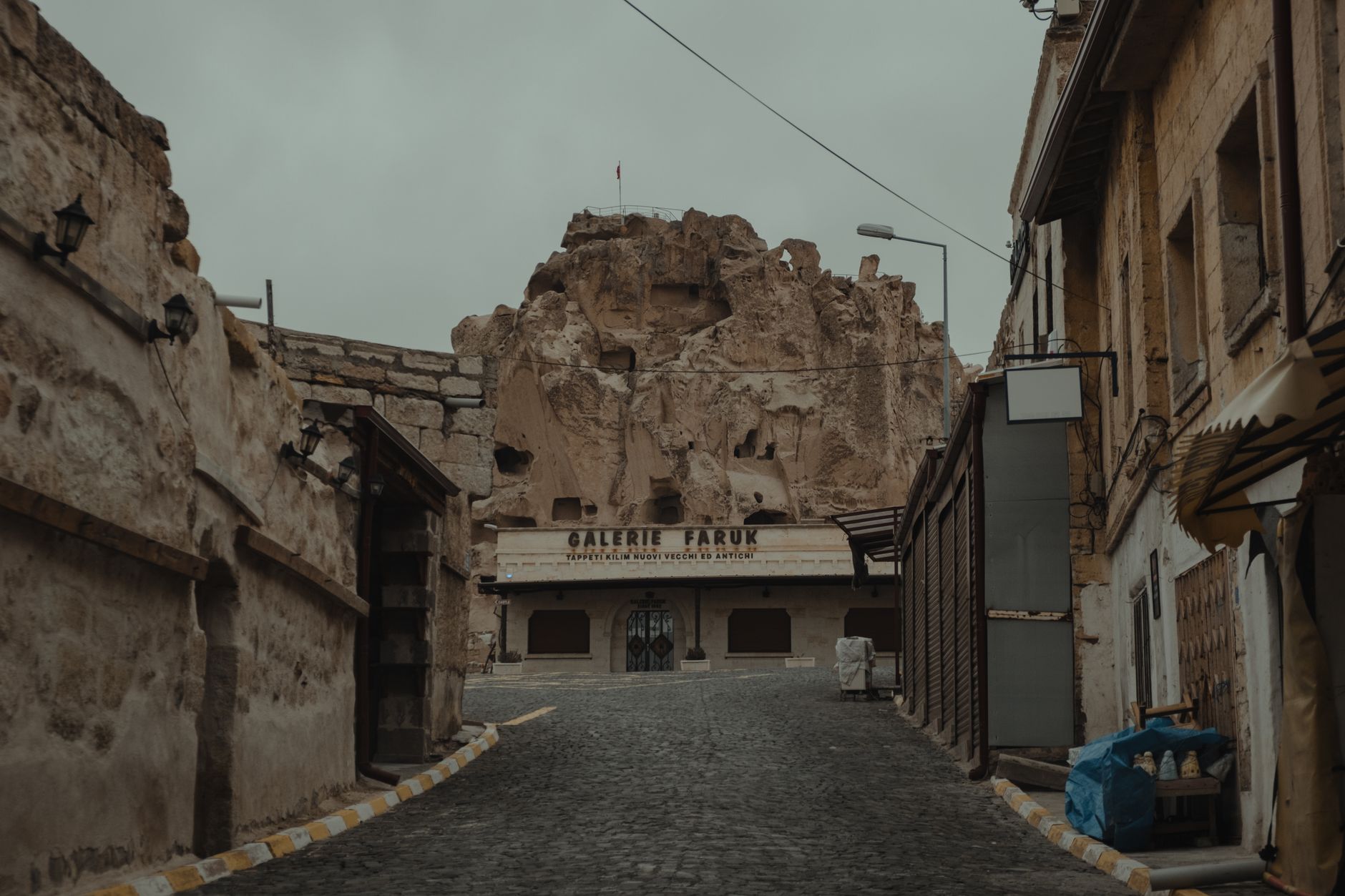
Göreme sits in central Anatolia, an hour west of Kayseri Airport and forty minutes east of Nevşehir. The town is built around eroded volcanic tuff spires, known for early Christian cave sanctuaries and honeycombed hiking trails. Göreme is worth visiting if you want to hike through eroded tuff valleys and study eleventh-century frescoes carved directly into living rock. Look elsewhere if you require paved pavements, late-night cocktail bars, or flat walking terrain.
Last updated 18 Nov 2026
Build a Göreme itinerary.
Choose up to 4 threads that pull you in. Your plan arrives organised around them.
The Bed
Where to stay in Göreme
Which part of town to book, and what each one costs you in walking, noise or quiet.
The Comparison
Göreme, or somewhere near it
The places you are realistically choosing between, and the honest case for each.
The Local Record
Where to read more about Göreme
The blogs, boards, guides and operators worth bookmarking.
What to do in Göreme Nevşehir Turkey
Göreme rises out of a valley floor punctuated by natural stone pinnacles, with footpaths running straight from town into the arid canyon networks. Days here follow the sun: early mornings on dusty ridgelines, quiet afternoons resting out of the midday heat, and evenings over clay-pot stews. It suits active walkers, history enthusiasts, and independent travellers comfortable navigating steep cobblestone lanes.
24 hours in Göreme Nevşehir Turkey
Start early at the Göreme Open Air Museum to study the Byzantine frescoes before crowds arrive. Walk thirty minutes back into town for a lunch of hot pide and lentil soup on Müze Caddesi, then spend late afternoon hiking through Love Valley. Finish with a clay-sealed testi kebab at a local lokanta. Select 1 Day above to see it.
2 days in Göreme Nevşehir Turkey
Spend morning exploring the hand-carved passages of Çavuşin and the rock castle of Uçhisar, reachable by a short local dolmuş ride. In the afternoon, wander the kick-wheel pottery workshops in Avanos along the river. Dine on manti dumplings topped with garlic yoghurt and spiced butter. Choose 2 Days to expand the plan.
3 days in Göreme Nevşehir Turkey
A third day allows an unhurried drive south to the multi-level subterranean refuge of Derinkuyu. Continue west to trek the sixteen-kilometre riverside path through Ihlara Valley, ending with flatbread and grilled trout beside the running water at Belisırma.
Göreme Nevşehir Turkey itineraries by interest
Sacred Architecture in Göreme Nevşehir Turkey
Step into the Dark Church and Tokalı Kilise at the Open Air Museum to examine intact eleventh-century Byzantine murals on carved tuff.
Hiking in Göreme Nevşehir Turkey
Follow the red sandstone tracks of Rose Valley and Swords Valley, where pigeon lofts and wild caper bushes line the dry riverbeds.
Regional Cooking in Göreme Nevşehir Turkey
Crack the clay seal on slow-simmered testi kebab, baked in wood ovens with lamb, tomatoes, and garlic at neighbourhood lokantas.
Wine & Vineyards in Göreme Nevşehir Turkey
Taste dry Öküzgözü and crisp Emir whites grown on volcanic soil at local cave cellars in nearby Ürgüp and Uçhisar.
Craft Traditions in Göreme Nevşehir Turkey
Watch potters throw iron-rich red clay from the Kizilirmak river on kick wheels in the workshops of neighbouring Avanos.
Underground Settlements in Göreme Nevşehir Turkey
Descend into multi-tiered ventilation shafts and stone rolling-door defences at Derinkuyu and Kaymaklı complexes.
Markets & Produce in Göreme Nevşehir Turkey
Buy sun-dried apricots, roasted pumpkin seeds, and pekmez grape molasses directly from farmers in the weekly market stalls.
Historic Viewpoints in Göreme Nevşehir Turkey
Climb the trail to Sunset Point above town at dusk to see the chimney formations of Güllüdere catch the evening light.
Traditional Bakeries in Göreme Nevşehir Turkey
Order fresh pide and folded gözleme stuffed with spinach and curd cheese, baked over hot domed saj griddles by village cooks.
Day Trips in Göreme Nevşehir Turkey
Hike along the Melendiz stream in the deep basalt canyon of Ihlara Valley, stopping at rock-cut Selime Monastery.
Cave Living in Göreme Nevşehir Turkey
Tour historical troglodyte dwellings carved into soft volcanic tufa across the old neighbourhood streets of Çavuşin.
Folk Traditions in Göreme Nevşehir Turkey
Examine hand-knotted wool rugs dyed with madder root and walnut husks in the family-run weaving shops along Müze Caddesi.