Guaitil.


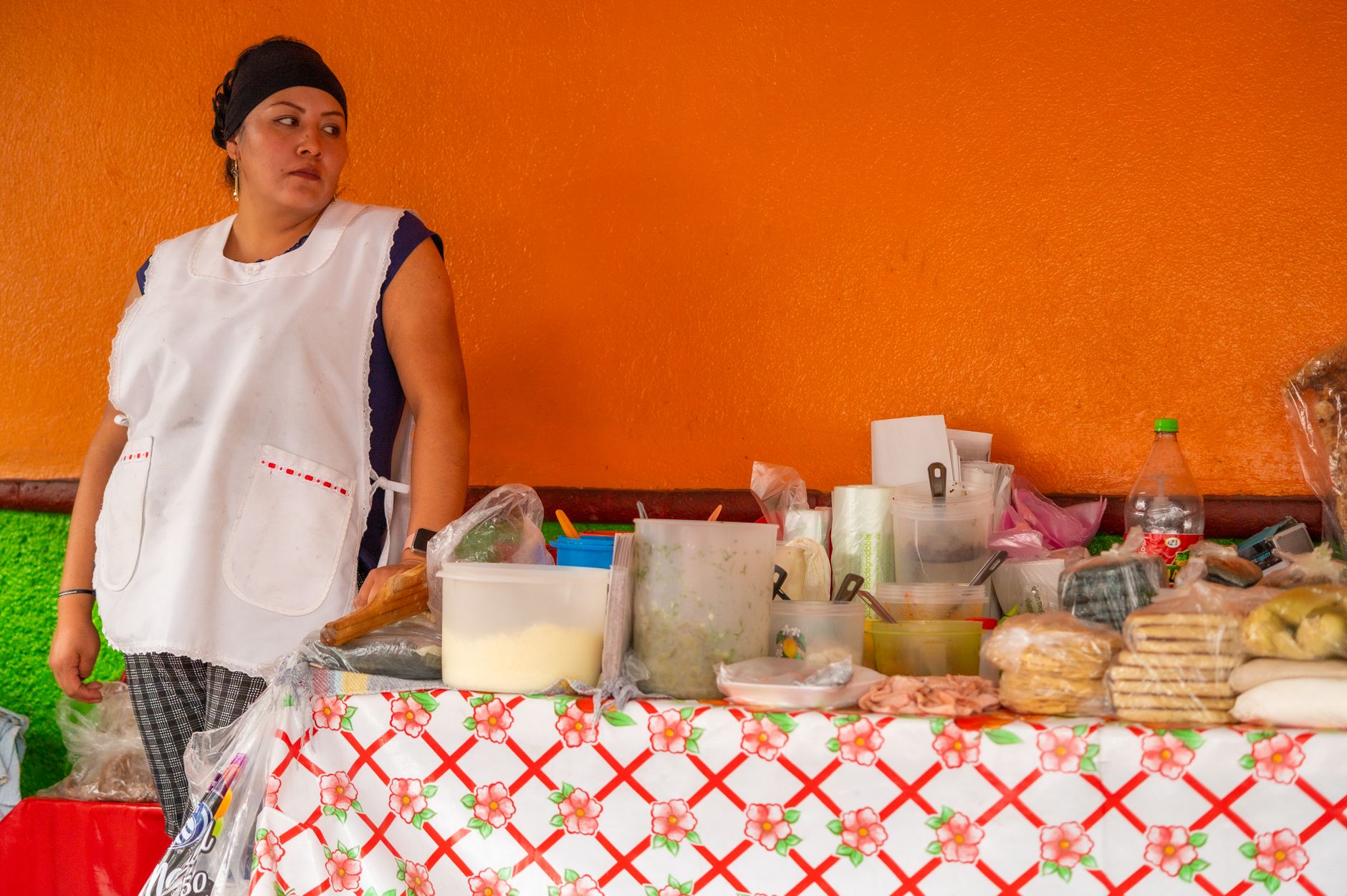
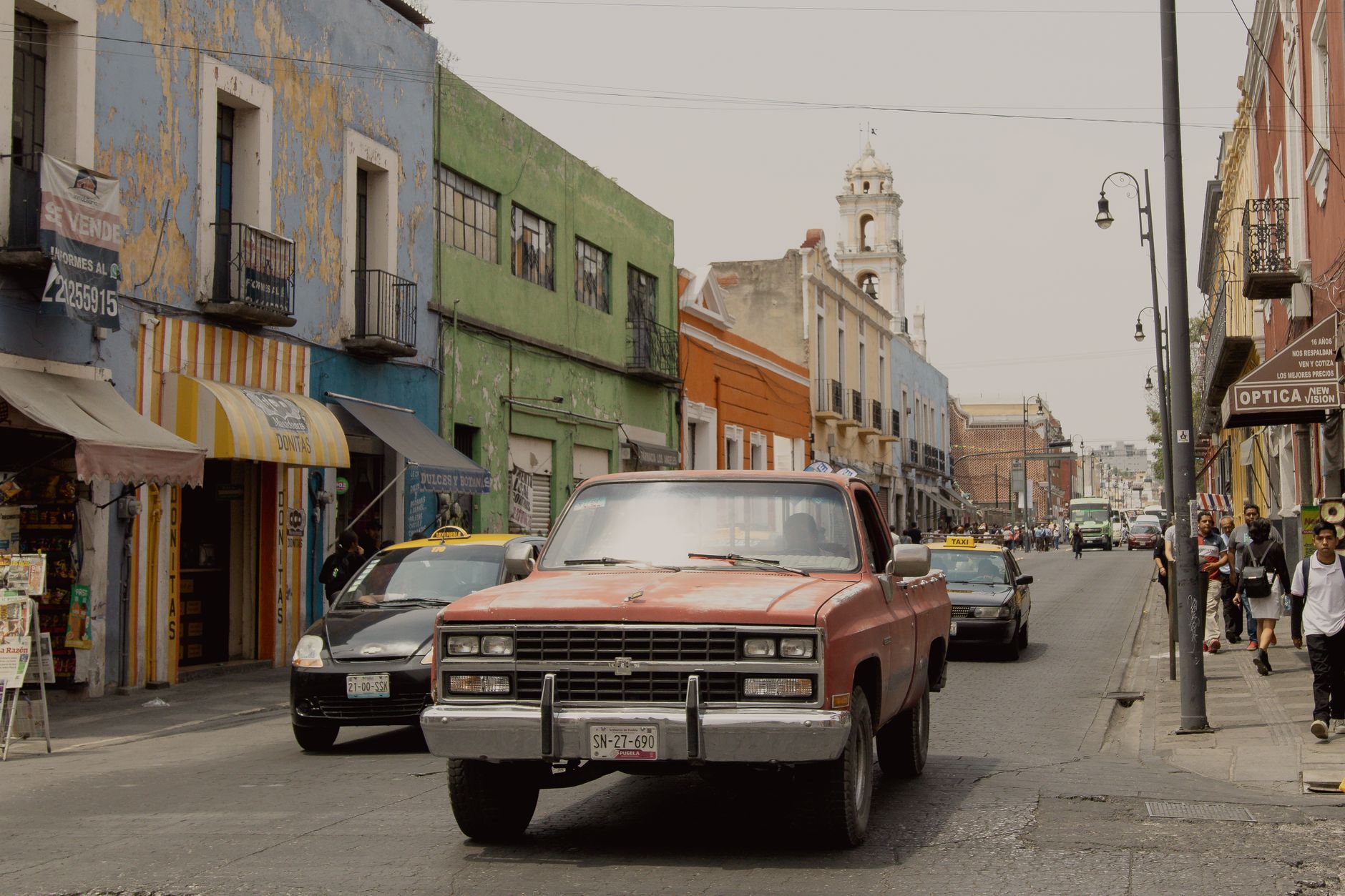

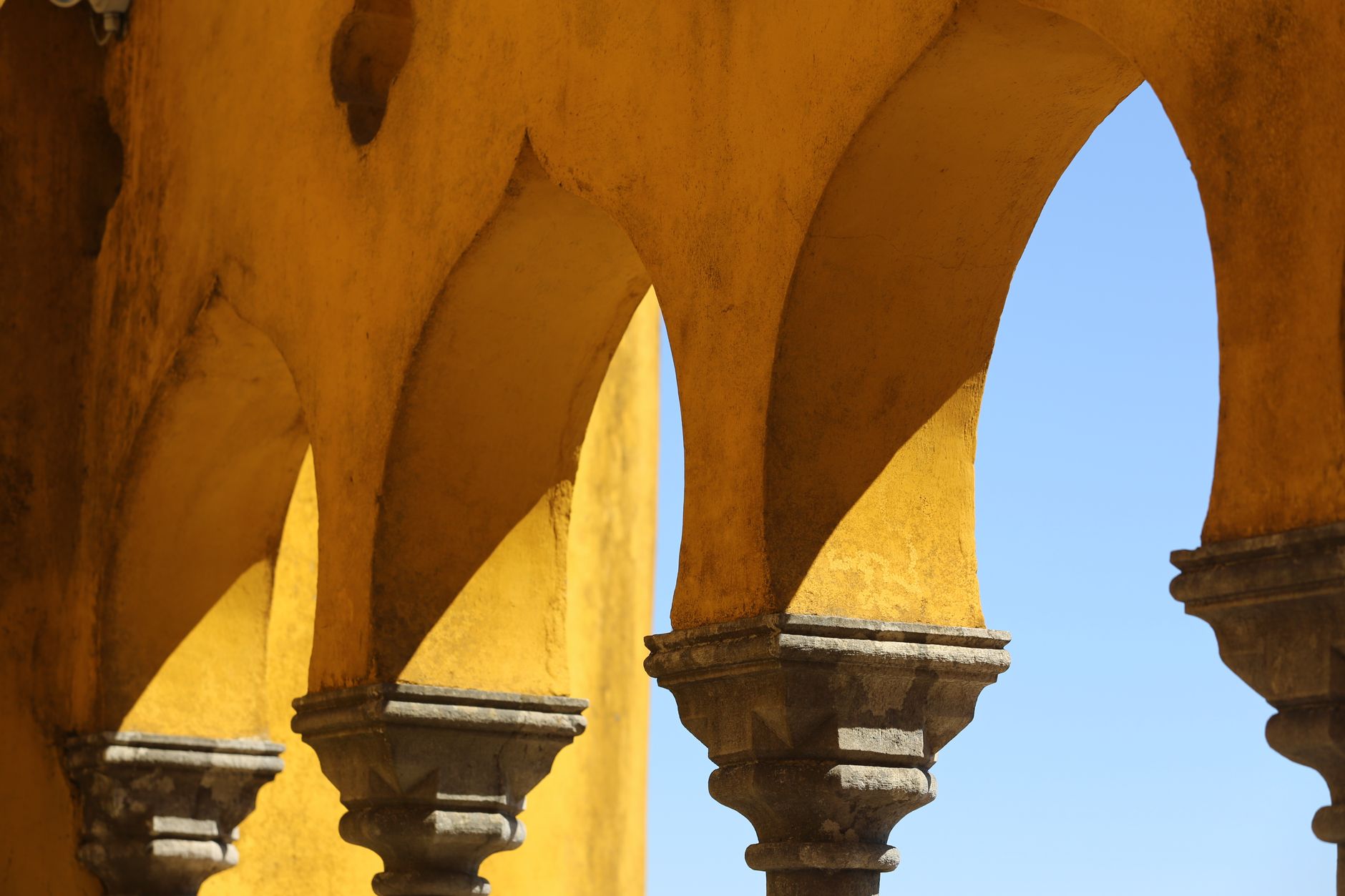
Guaitil sits twelve kilometres southeast of Santa Cruz and roughly an hour south of Liberia International Airport along Route 21. The inland village is famous for ancestral Chorotega earthenware, hand-thrown and burnished using techniques passed down for over a thousand years. Guaitil is worth visiting if you want to watch master potters grind natural curiol pigments and fire clay over wood. Look elsewhere if you want resort amenities, organized nightlife, or coastal beach clubs.
Last updated 31 Oct 2026
Build a Guaitil itinerary.
Choose up to 4 threads that pull you in. Your plan arrives organised around them.
The Bed
Where to stay in Guaitil
Which part of town to book, and what each one costs you in walking, noise or quiet.
The Comparison
Guaitil, or somewhere near it
The places you are realistically choosing between, and the honest case for each.
The Local Record
Where to read more about Guaitil
The blogs, boards, guides and operators worth bookmarking.
What to do in Guaitil Guanacaste Costa Rica
Guaitil revolves around its dusty central soccer field and the quiet family pottery workshops lining the surrounding lanes. Life here follows the rhythm of clay preparation, stone polishing, and firing. Visitors come primarily to sit on shaded front porches, watch three generations of artisans turn local earth into patterned ceramics, and eat fresh corn dishes cooked over wood fires.
24 hours in Guaitil Guanacaste Costa Rica
Spend your morning watching clay turning at taller workshops around the soccer park. Break for lunch at a village soda with gallo pinto and fresh cuajada cheese. In the afternoon, visit the craft centre in neighbouring San Vicente, two kilometres down the road, before driving back to Santa Cruz for dinner. Select 1 Day above to see it.
2 days in Guaitil Guanacaste Costa Rica
Dedicate day two to colonial heritage. Drive twenty minutes south along Route 21 to explore Nicoya, visiting the 1644 Church of San Blas and the local fruit market. Return north toward Guaitil for an afternoon baking demonstration, tasting sweet corn tanelas pulled straight from a domed adobe oven. Choose 2 Days to expand the plan.
3 days in Guaitil Guanacaste Costa Rica
A third day lets you head forty minutes west to the limestone caves and dry tropical trails of Barra Honda National Park. Hike with a guide among wild coatis and limestone formations, returning through Santa Cruz for wood-smoked beef and a glass of chilled chicheme at the central market.
Guaitil Guanacaste Costa Rica itineraries by interest
Craft Traditions in Guaitil Guanacaste Costa Rica
Watch local artisans knead iguana sand into dark clay, burnishing pots with river stones and grinding curiol rock pigments.
Local Workshops in Guaitil Guanacaste Costa Rica
Visit family-run talleres along the central soccer pitch, where Chorotega descendants fire slip-painted urns in outdoor brick kilns.
Regional Cuisine in Guaitil Guanacaste Costa Rica
Order rosquillas, tanelas, and fresh corn tortillas baked on clay comales at open-air village sodas near the main road.
Cultural History in Guaitil Guanacaste Costa Rica
Learn pre-Columbian Chorotega iconography, spotting jaguar, serpent, and alligator motifs preserved across five centuries of craft.
Markets & Stalls in Guaitil Guanacaste Costa Rica
Browse open home verandas around the central plaza to buy unglazed water jars, cooking pots, and hand-carved jícaro gourds directly.
Day Trips in Guaitil Guanacaste Costa Rica
Drive twenty minutes south to Nicoya to see the whitewashed 1644 colonial church of San Blas and its quiet municipal square.
Baking Traditions in Guaitil Guanacaste Costa Rica
Sample cuajada cheese and sweet pan casero hot from rounded adobe ovens stoked with local dry-forest hardwood.
Indigenous Heritage in Guaitil Guanacaste Costa Rica
Discover ancient Guanacaste ceramic heritage preserved by cooperatives like the Ecomuseo de la Cerámica Chorotega in nearby San Vicente.
Wildlife & Nature in Guaitil Guanacaste Costa Rica
Spot white-throated magpie-jays and howler monkeys in the dry tropical canopy shading backyards along the dirt side roads.
Country Living in Guaitil Guanacaste Costa Rica
Experience traditional sabanero cattle culture and quiet Guanacaste rural life under sprawling pochote and guanacaste trees.
Local Drinks in Guaitil Guanacaste Costa Rica
Drink chicheme, a chilled drink of purple corn, ginger, clove, and milk, poured at roadside stands during the dry season.
Folk Traditions in Guaitil Guanacaste Costa Rica
Catch marimba players and traditional dancers during Santa Cruz patron saint fiestas held every January just down the road.