Guma Lagoon.


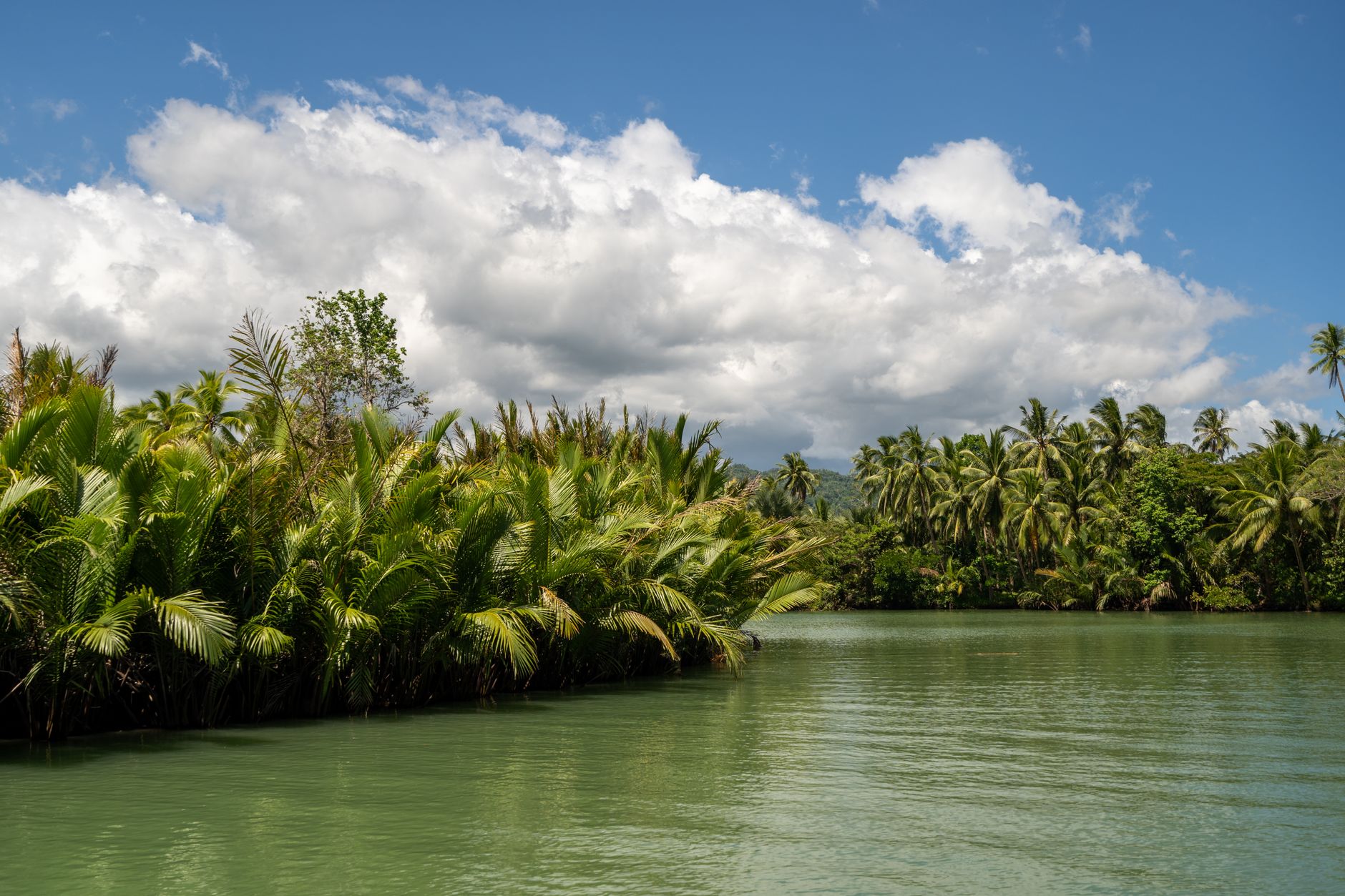


Guma Lagoon lies along the western Okavango Panhandle, five hours north of Maun by road followed by a deep-sand track from Etsha 13. The lagoon is renowned for fly-fishing for tigerfish and quiet mokoro poling through papyrus channels. Guma Lagoon is worth visiting if you want self-guided boat excursions, world-class freshwater angling, and silent canoe trips among water lilies. Look elsewhere if you want predator game drives, air-conditioned resort hotels, or paved roads directly to your lodge door.
Last updated 20 Oct 2026
Build a Guma Lagoon itinerary.
Choose up to 4 threads that pull you in. Your plan arrives organised around them.
The Bed
Where to stay in Guma Lagoon
Which part of town to book, and what each one costs you in walking, noise or quiet.
The Comparison
Guma Lagoon, or somewhere near it
The places you are realistically choosing between, and the honest case for each.
The Local Record
Where to read more about Guma Lagoon
The blogs, boards, guides and operators worth bookmarking.
What to do in Guma Lagoon North-West District Botswana
Life on Guma Lagoon runs entirely to the rhythm of the Okavango River. Days revolve around boat departures from the wooden jetty at dawn, quiet hours along reed-lined waterways, and afternoons sitting above the water watching pied kingfishers dive. It suits independent travellers, keen anglers, and birders who prefer slow water safaris over fast-paced vehicle chases.
24 hours in Guma Lagoon North-West District Botswana
Board a mokoro at 06:00 to glide across the mirror-flat lagoon while the reeds are still cool. Return to camp for a midday meal of bream and stiff pap, then spend the late afternoon drifting downstream by motorboat with a fly rod, watching African fish eagles call from dead leadwood perches. Select 1 Day above to see it.
2 days in Guma Lagoon North-West District Botswana
A second day allows a morning drive back through Etsha 6 to meet the Hambukushu basket weavers and purchase intricately woven palm crafts. In the afternoon, take a guided walking trail across the adjoining floodplains, tracking sitatunga antelope prints and side-striped jackals before dinner. Choose 2 Days to expand the plan.
3 days in Guma Lagoon North-West District Botswana
With three days, make the early morning trek north to the UNESCO-listed Tsodilo Hills. Spend four hours hiking the Rhino and Cliff trails among San rock paintings, then return to the lagoon at dusk to search for nocturnal Pel's fishing owls along the riverbanks with a spotlight.
Guma Lagoon North-West District Botswana itineraries by interest
Sport Fishing in Guma Lagoon North-West District Botswana
Cast wire-leader flies or rapala lures for hydrodynamic tigerfish and nembwe in the fast-flowing Okavango channels between September and November.
Birdwatching in Guma Lagoon North-West District Botswana
Scan the overhanging mangosteen trees for the rare Pel's fishing owl, white-backed night herons, and African skimmers nesting on seasonal sandbanks.
Traditional Boating in Guma Lagoon North-West District Botswana
Board a traditional fiberglass or dugout mokoro poled by local Bayei polers through shallow water lily floodplains and reed channels.
Craft Traditions in Guma Lagoon North-West District Botswana
Visit Etsha 6 and Etsha 13 to purchase coiled mokolwane palm baskets dyed with natural roots by master Hambukushu and Bayei weavers.
Bush Cooking in Guma Lagoon North-West District Botswana
Dine on slow-braised seswaa beef cooked over open mopane wood coals, served with stiff maize pap and morogo wild spinach at camp.
Day Trips in Guma Lagoon North-West District Botswana
Drive two hours north to Tsodilo Hills to explore over four thousand prehistoric rock art paintings across the Male, Female, and Child peaks.
Motorboating in Guma Lagoon North-West District Botswana
Hire flat-bottom aluminum boats with experienced river pilots to navigate the deep Okavango mainstream current and open lagoon waters.
Walking Safaris in Guma Lagoon North-West District Botswana
Join an armed community guide on Chief's Island fringes or nearby sand spits to track hippo paths, sitatunga, and bushbuck on foot.
Off-Road Driving in Guma Lagoon North-West District Botswana
Deflate tires to 1.2 bar to tackle the twelve-kilometer thick Kalahari sand track connecting the paved A35 highway at Etsha to the lagoon.
Local Culture in Guma Lagoon North-West District Botswana
Engage with Wayeyi and Hambukushu fishing communities, learning traditional reed harvesting methods and fish-trap construction in the delta.
Freshwater Ecology in Guma Lagoon North-West District Botswana
Observe floating papyrus rafts, wild date palms, and clear peat-filtered waters that support freshwater bream and giant water monitor lizards.
Wilderness Camping in Guma Lagoon North-West District Botswana
Pitch a rooftop tent under shady mangosteen and knobthorn canopies, listening to hippos grazing feet from camp along the water's edge.