Gumare.
Build an itinerary based on what interests youGumare sits 240 kilometres northwest of Maun along the paved A35, roughly a three-and-a-half-hour drive. It functions as the working hub for the western Okavango Delta and is best known for master Hambukushu basket weaving and quiet access to the Thaoge river system. Gumare is worth visiting if you want community-run mokoro poling trails and artisan weaving cooperatives without luxury lodge markups. Look elsewhere if you expect paved resort promenades, polished safari camps, or late-night dining.
Last updated 24 Sept 2026
Field notes
Photographs · Wikimedia Commons / Pexels
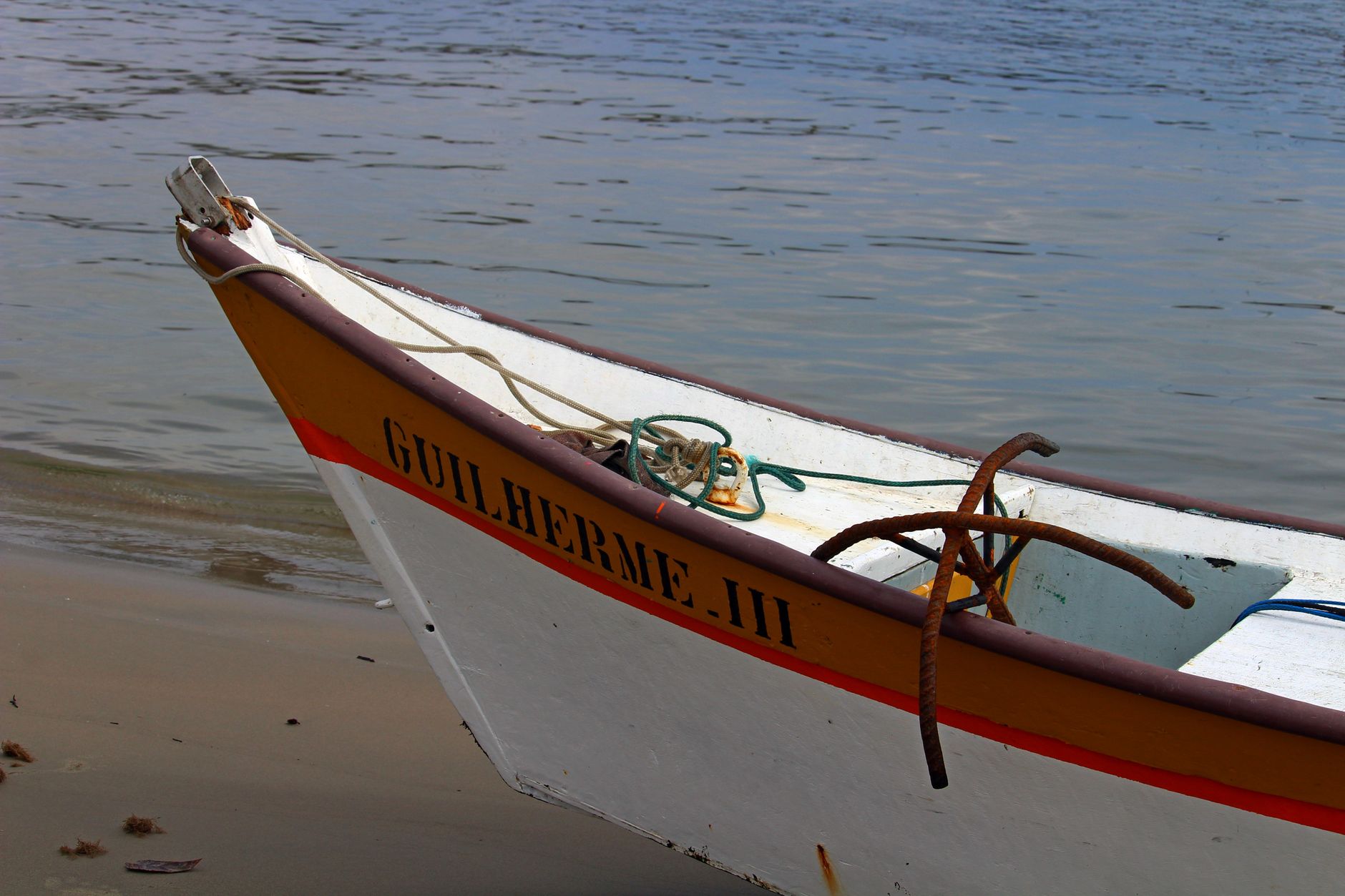


Build a Gumare itinerary.
Choose up to 4 threads that pull you in. Your plan arrives organised around them.
The Bed
Where to stay in Gumare
Which part of town to book, and what each one costs you in walking, noise or quiet.
The Comparison
Gumare, or somewhere near it
The places you are realistically choosing between, and the honest case for each.
The Local Record
Where to read more about Gumare
The blogs, boards, guides and operators worth bookmarking.
What to do in Gumare North-West District Botswana
Gumare is an unpretentious administrative settlement strung along the A35, shaped by cattle commerce, fuel stops, and delta transport. Mornings revolve around the central market stalls and weaving rooms before the midday heat settles over the low mopane trees. It suits self-drive travellers, independent naturalists, and craft collectors who prefer unvarnished village life over choreographed safari itineraries.
24 hours in Gumare North-West District Botswana
Start early at Ngwao Boswa to watch weavers work, then arrange a four-hour afternoon mokoro trip into the Thaoge channels from a nearby community launch. For dinner, pull up a plastic chair for tender seswaa and stiff sorghum porridge at a town-centre stall. Select 1 Day above to see it.
2 days in Gumare North-West District Botswana
Dedicate your second morning to the bird-rich backwaters near Etsha 6, watching for African fish eagles over the papyrus. Return through Gumare for pan-fried bream and a relaxed afternoon visiting local cattle stations along the western flats. Choose 2 Days to expand the plan.
3 days in Gumare North-West District Botswana
A third day allows an unhurried excursion north to the ancient rock paintings of Tsodilo Hills, returning by dusk. Alternatively, spend slow hours poling deeper into the Jao flats with local guides who read every hippo channel and water lily root.
Gumare North-West District Botswana itineraries by interest
Craft Traditions in Gumare North-West District Botswana
Watch Bayei and Hambukushu weavers coil real mokola palm baskets using natural root and bark dyes at the Ngwao Boswa cooperative.
Canoeing & Boating in Gumare North-West District Botswana
Hire local polers for day trips along the Thaoge and Jao channels in traditional fiberglass or wooden mokoro dugouts through reed beds.
Local Food in Gumare North-West District Botswana
Order slow-simmered seswaa pounded beef served with stiff bogobe jwa lerotse sorghum porridge at modest roadside dining shacks.
Freshwater Fishing in Gumare North-West District Botswana
Cast for nembwe, threespot tilapia, and aggressive tigerfish in the deeper Okavango Panhandle channels just north of town.
Birdwatching in Gumare North-West District Botswana
Scan the papyrus fringe along nearby backwaters for Pel's fishing owl, African skimmers, and white-backed night herons.
Village Markets in Gumare North-West District Botswana
Browse the morning trading stalls near the main bus rank for wild morogo greens, dried river bream, and ground mopane salt.
Day Trips in Gumare North-West District Botswana
Drive two hours north up the A35 to explore ancient San rock art painted across the four quartzite hills of Tsodilo.
Regional History in Gumare North-West District Botswana
Learn how Bayei and Hambukushu migrations shaped 19th-century floodplain agriculture and water navigation across Ngamiland.
Road Travel in Gumare North-West District Botswana
Top up fuel tanks, withdraw pula, and buy spare fan belts at the A35 commercial junction before heading into remote sand tracks.
Wildlife Watching in Gumare North-West District Botswana
Look for sitatunga antelope hiding in the deep papyrus swamps and pods of hippos surfacing in the western delta lagoons.
Traditional Brewing in Gumare North-West District Botswana
Sample traditional bojalwa sorghum beer or freshly poured cartons of Chibuku at informal local social spots off the main road.
Stargazing in Gumare North-West District Botswana
Step outside the settlement edge after sunset for clear views of the southern celestial skies without heavy light pollution.