


Sitting thirty kilometres south of Jerusalem, reachable in under an hour by shared service taxi from Bethlehem or Damascus Gate, Hebron is famous for its divided Ibrahimi Mosque and centuries-old glassblowing workshops. Hebron is worth visiting if you want to navigate layered Mamluk stone alleys, witness complex political geography up close, and eat lamb qidreh slow-cooked in wood-fired communal ovens. Look elsewhere if you expect uncomplicated border-free transit, leisurely cocktail lounges, or beachside resort comfort.
Last updated 4 Nov 2026
Build a Hebron itinerary.
Choose up to 4 threads that pull you in. Your plan arrives organised around them.
The Bed
Where to stay in Hebron
Which part of town to book, and what each one costs you in walking, noise or quiet.
The Comparison
Hebron, or somewhere near it
The places you are realistically choosing between, and the honest case for each.
The Local Record
Where to read more about Hebron
The blogs, boards, guides and operators worth bookmarking.
What to do in Hebron West Bank Palestine
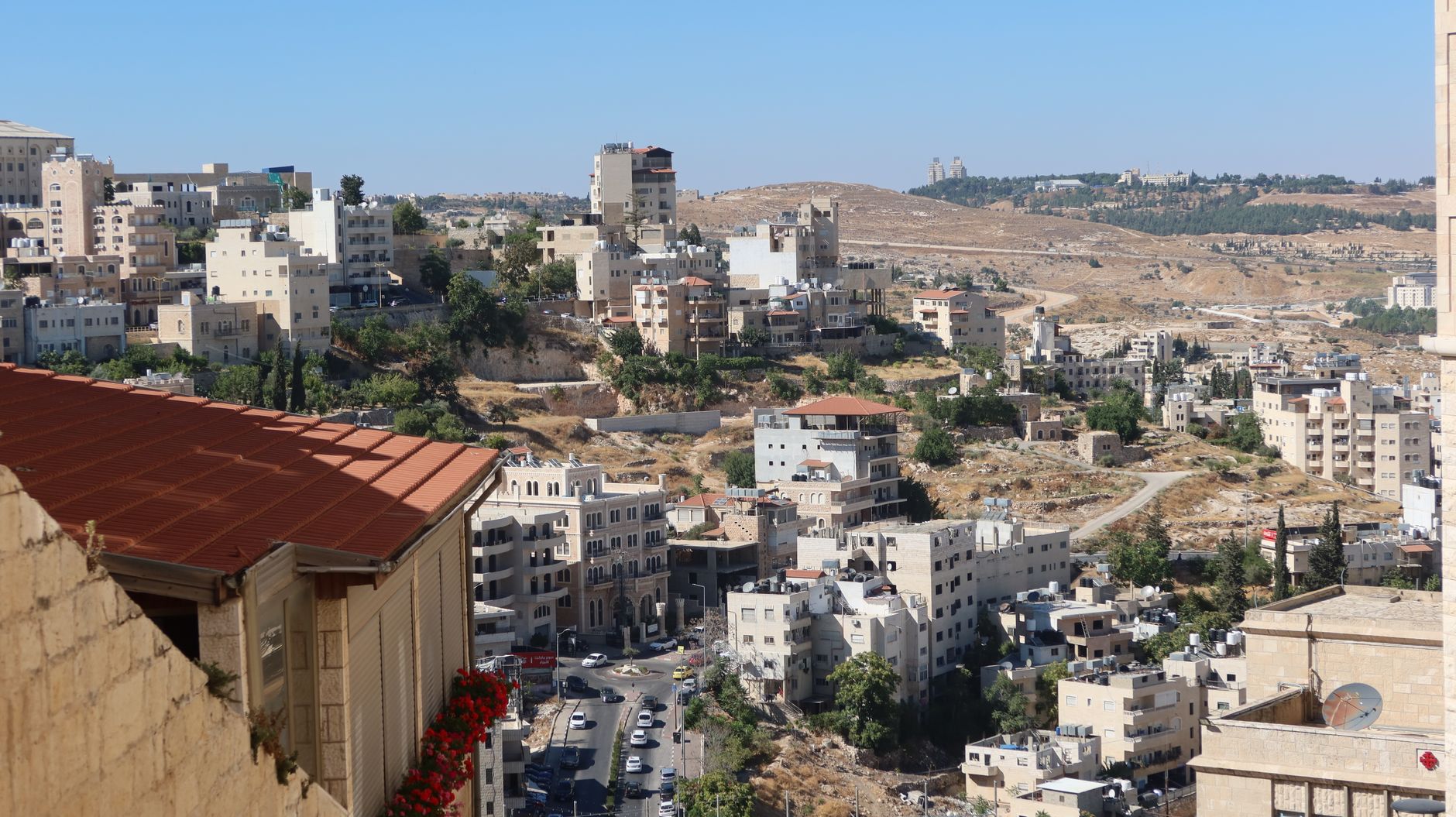
Hebron is a city of layered stone, divided into the Palestinian-administered H1 sector and the Israeli-controlled H2 Old City. Daily rhythms centre on morning prayers at the Ibrahimi Mosque, trade through the Old Souk, and afternoon meals shared around massive communal dishes. It suits travellers eager for complex political reality, working artisanal heritage, and rich Levantine hospitality rather than passive sightseeing.
24 hours in Hebron West Bank Palestine
Start early at the Ibrahimi Mosque before morning crowds arrive, passing through the checkpoint smoothly. Walk the vaulted alleys of the Old Souk, stopping for spiced lamb qidreh at an unadorned local kitchen. Spend your afternoon watching master glassblowers in the northern workshops before catching a shared taxi back to Bethlehem. Select 1 Day above to see it.
2 days in Hebron West Bank Palestine
A second day lets you explore modern Ein Sara Street for fresh juices and traditional leather shoe ateliers. Join an insightful walking tour of Shuhada Street to understand local zoning, then sit down for mezze, grilled shish taouk, and sweet knafeh in the bustling new town. Choose 2 Days to expand the plan.
3 days in Hebron West Bank Palestine
A third day unlocks the surrounding agricultural hills. Drive ten minutes north to the ancient vineyards of Halhul to sample local grapes and dibs molasses, or venture east toward the Judean desert fringe for sweeping valley views and small village olive presses.
Hebron West Bank Palestine itineraries by interest
Sacred Architecture in Hebron West Bank Palestine
Visit the divided Ibrahimi Mosque and Tomb of the Patriarchs, noting Herod-era ashlar masonry and the medieval Saladin-commissioned minbar.
Craft Traditions in Hebron West Bank Palestine
Watch artisans at the Natsheh Glass Workshop hand-blow cobalt glassware and hand-paint floral ceramic tiles using Phoenician-rooted methods.
Communal Dining in Hebron West Bank Palestine
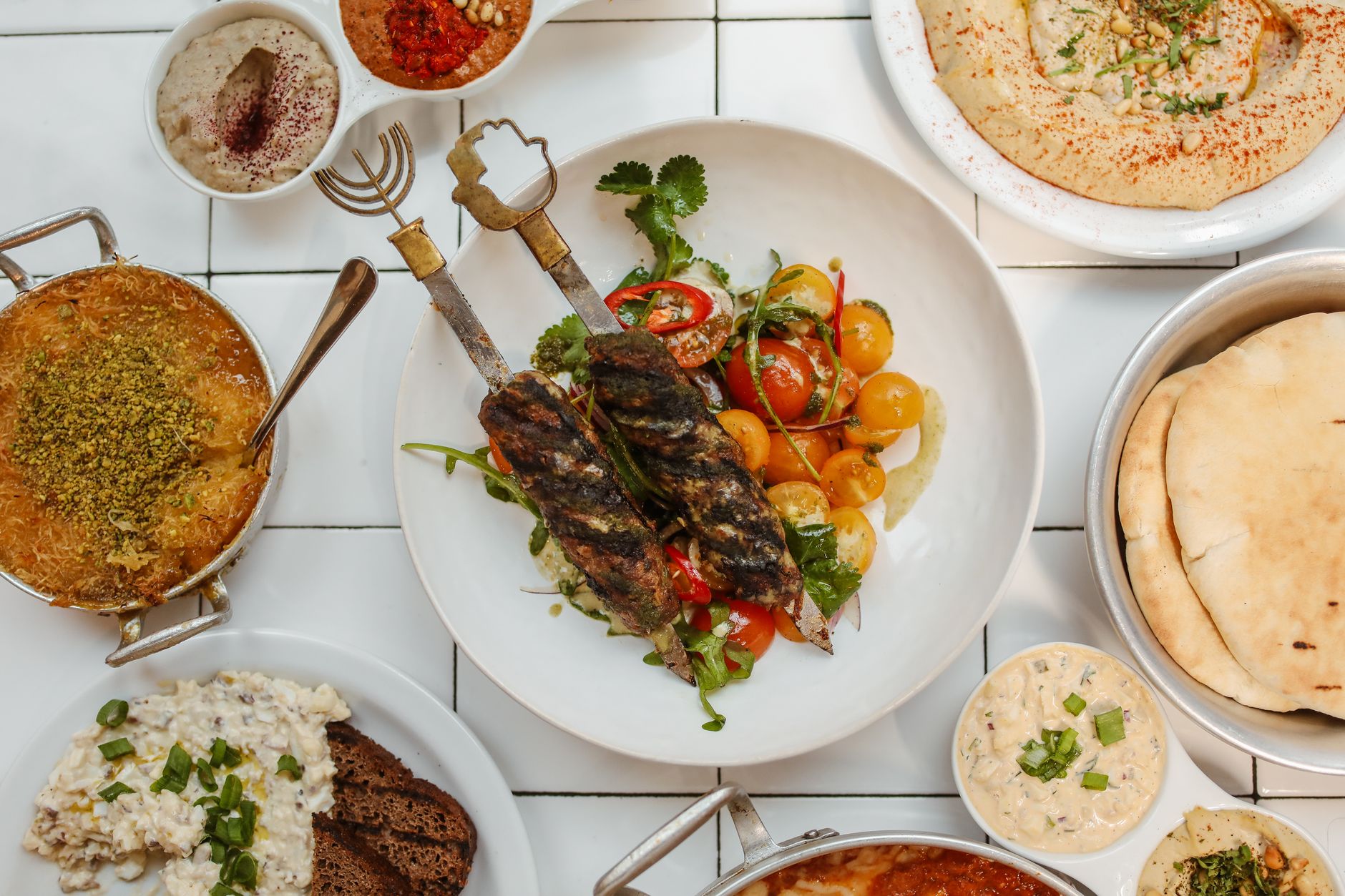
Order qidreh, a feast of bone-in lamb, whole garlic cloves, and chickpeas baked inside a heavy brass vessel at local communal bakeries.
Market Life in Hebron West Bank Palestine
Walk the vaulted Old Souk beneath protective mesh screens, pausing for mint tea, local sheep milk cheeses, and dried zaatar blends.
Street Food in Hebron West Bank Palestine
Pick up freshly fried falafel rolled in warm taboon flatbread, roasted corn on the cob, and crisp sesame-studded ka'ak breads near the souk.
Sweets & Pastries in Hebron West Bank Palestine
Savour warm knafeh drenched in orange-blossom syrup from neighbourhood sweet shops, or sample local dibs grape molasses over tahini.
Textiles & Weaving in Hebron West Bank Palestine
Inspect traditional Palestinian tatreez cross-stitch embroidery and hand-woven wool carpets at local women's cooperatives in the Old City.
Urban History in Hebron West Bank Palestine
Trace Ottoman and Mamluk residential quarters, arched stone alleyways, and quiet courtyards flanked by ancient limestone buildings.
Local Produce in Hebron West Bank Palestine
Taste prized Dabouki green grapes, dark grape molasses, fresh figs, and cured green olives harvested from the surrounding terraced hills.
Political Geography in Hebron West Bank Palestine
Walk along Shuhada Street and observe the strict checkpoints of the H1 and H2 municipal zones on a guided neighbourhood walking tour.
Day Trips in Hebron West Bank Palestine
Travel north to nearby Halhul for panoramic vineyard views, or continue to Bethlehem's Church of the Nativity via Route 60.
Shoemaking Heritage in Hebron West Bank Palestine
Step into small family ateliers across the modern centre to see hand-cut leather shoes assembled using heritage stitching methods.