Heron Island.

.jpg)
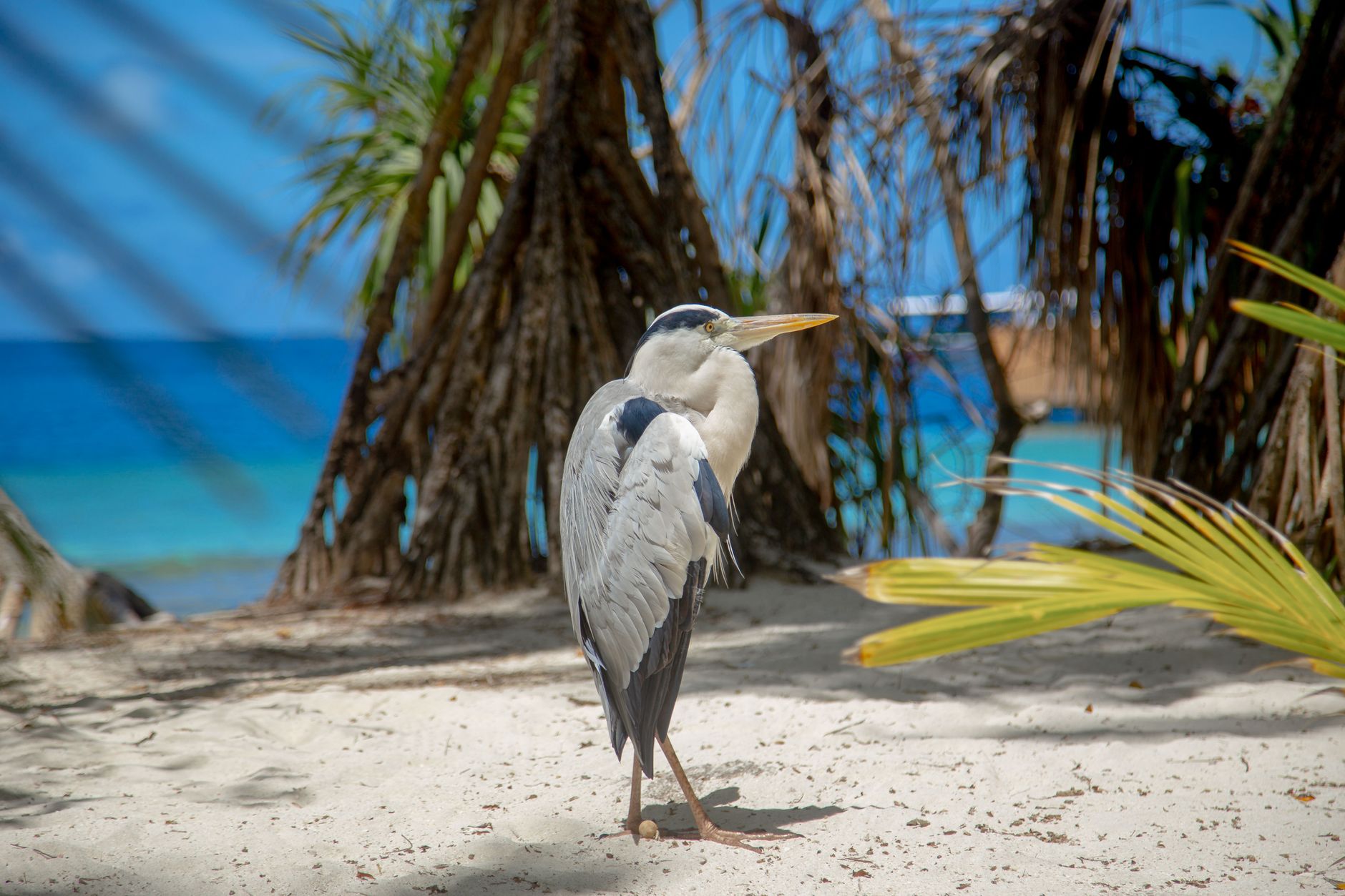
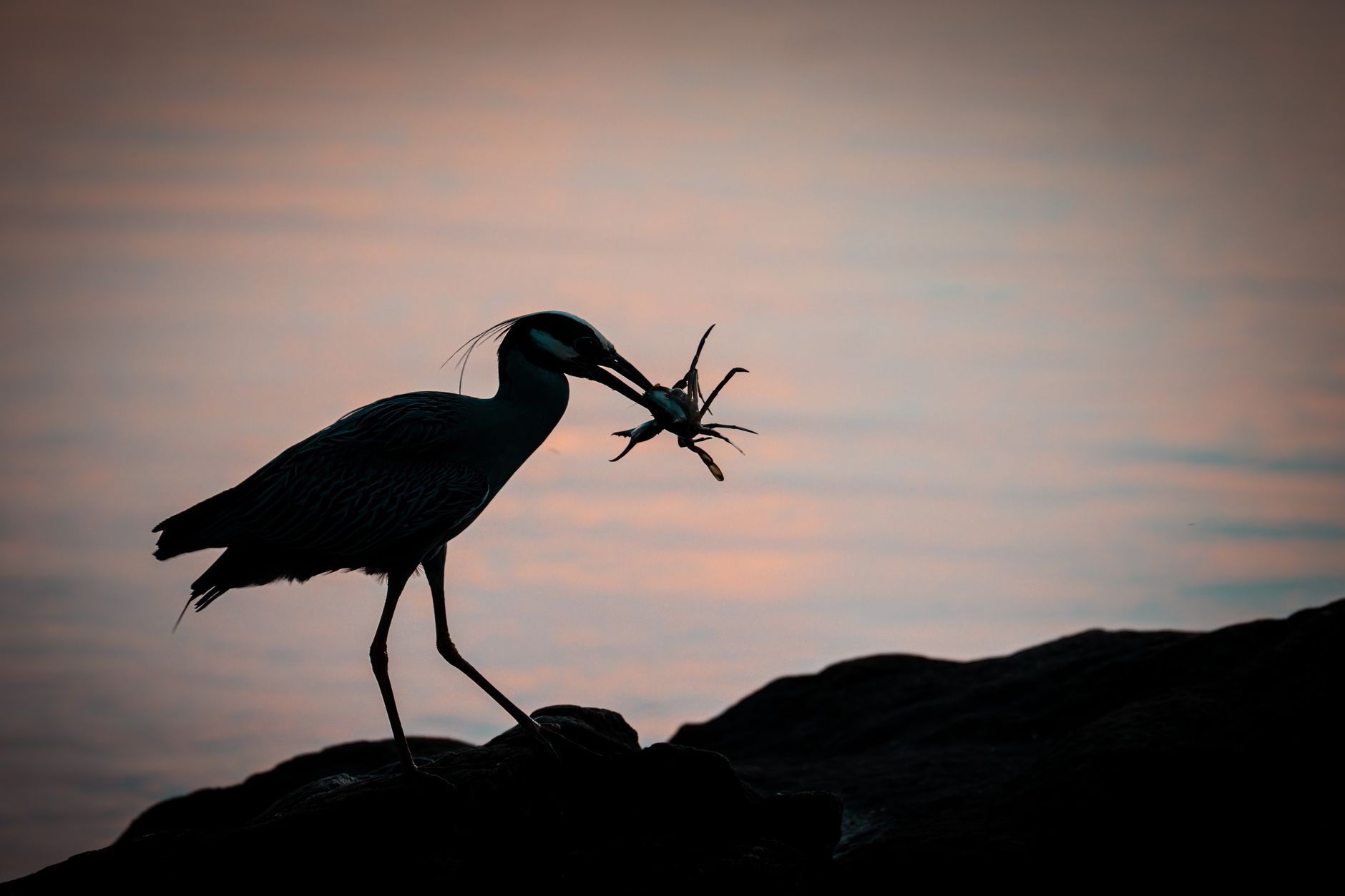
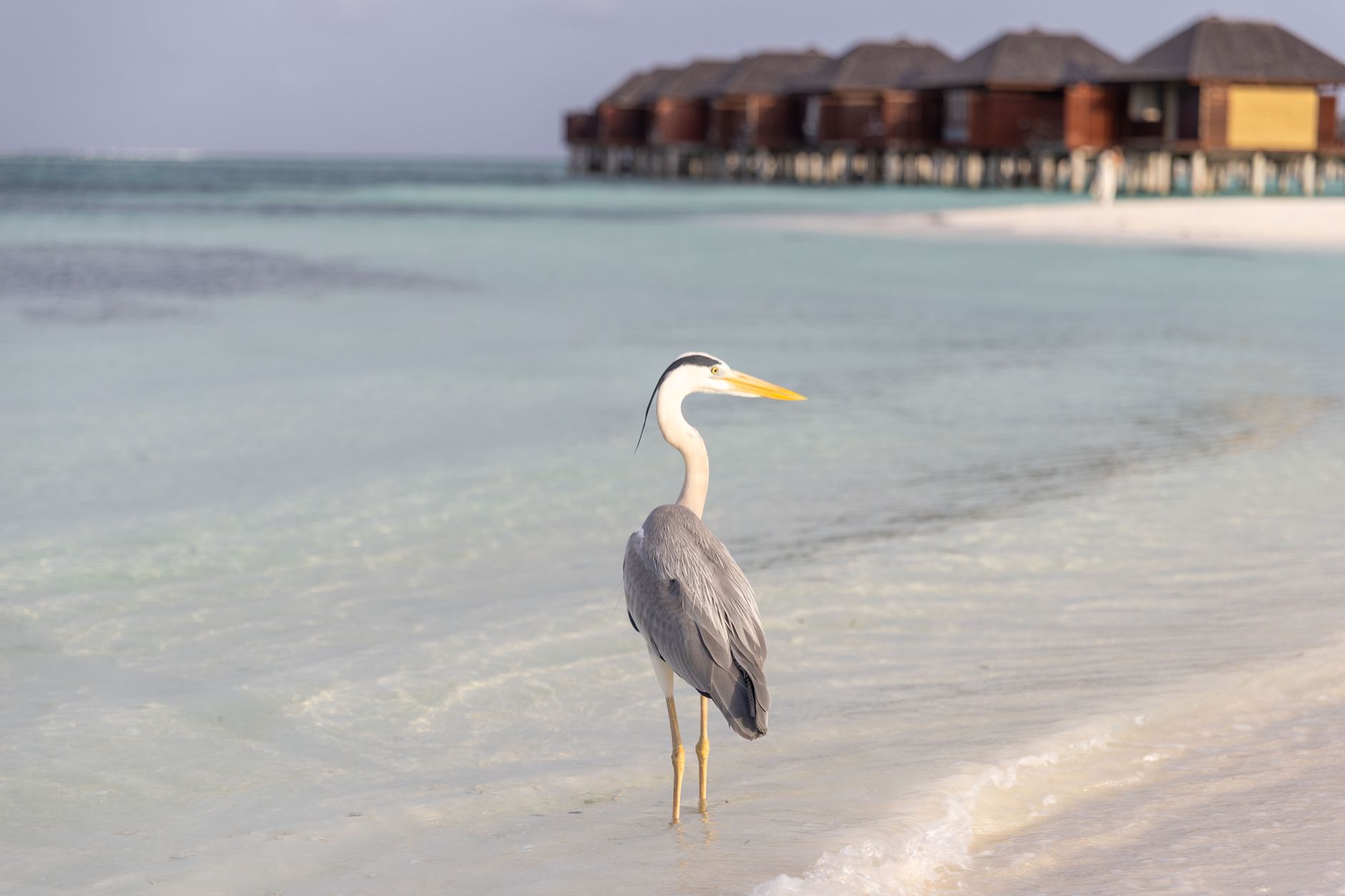
Heron Island lies 72 kilometres northeast of Gladstone, reached by a two-hour catamaran or 30-minute helicopter transfer. The coral cay is known for immediate reef access straight off the sand and its thriving turtle rookery. Heron Island is worth visiting if you want to snorkel with green turtles and manta rays right from the beach without day-boat crowds. Look elsewhere if you expect nightlife, cell service, resort shopping strips, or paved roads.
Last updated 4 Oct 2026
Build a Heron Island itinerary.
Choose up to 4 threads that pull you in. Your plan arrives organised around them.
The Bed
Where to stay in Heron Island
Which part of town to book, and what each one costs you in walking, noise or quiet.
The Comparison
Heron Island, or somewhere near it
The places you are realistically choosing between, and the honest case for each.
The Local Record
Where to read more about Heron Island
The blogs, boards, guides and operators worth bookmarking.
What to do in Heron Island Queensland Australia
Life here follows the lunar tides and the sun. You wake to the raucous clamour of terns, spend the middle hours drifting above coral bommies, and finish on the western beach with a cold beer watching reef sharks cruise the shallows. The island spans barely eight hundred metres, meaning no cars, no shoes if you prefer, and an unhurried rhythm suited to divers, naturalists, and anyone eager to unplug.
24 hours in Heron Island Queensland Australia
Catch the morning high tide for a snorkel off North Beach, drift past green turtles, then grab a barramundi burger at Baillie's Bar. Walk the research station track at mid-afternoon, and finish with a sunset walk to the HMCS Protector wreck as the shearwaters return to their burrows. Select 1 Day above to see it.
2 days in Heron Island Queensland Australia
A second day lets you time the tides properly. Book a morning boat dive out to Heron Bommie, then join a low-tide reef walk out to the crest in reef boots with a marine biologist. Dine on Moreton Bay bugs in the evening before sitting under the stars on the jetty. Choose 2 Days to expand the plan.
3 days in Heron Island Queensland Australia
With three days, slow down to the island's true tempo. Take a day trip dive out to nearby Wistari Reef, spend a quiet morning paddleboarding across Shark Bay, and dedicate a midnight hour on North Beach watching hatchlings dig out from the sand dunes.
Heron Island Queensland Australia itineraries by interest
Marine Wildlife in Heron Island Queensland Australia
Watch green and loggerhead turtles lay eggs along Shark Bay from November to March, and spot shovelnose rays gliding past the jetty.
Scuba Diving in Heron Island Queensland Australia
Descend onto the coral pinnacles of Heron Bommie and the Gorgonia Hole to drift among epaulette sharks, reef manta rays, and barracuda.
Birdwatching in Heron Island Queensland Australia
Observe thousands of nesting black noddies and wedge-tailed shearwaters roosting tightly within the branches of the dense pisonia forest.
Snorkelling in Heron Island Queensland Australia
Wade into the reef flat at high tide off North Beach to float over staghorn corals, giant clams, and passing blacktip reef sharks.
Maritime History in Heron Island Queensland Australia
Inspect the rusting 1925 wreck of the HMCS Protector, deliberately scuttled off the harbour breakwater to serve as a reef breakwall.
Reef Conservation in Heron Island Queensland Australia
Tour the University of Queensland Research Station to see ongoing climate impact experiments on living Acropora coral colonies.
Coastal Walks in Heron Island Queensland Australia
Circumnavigate the entire perimeter of the island at low tide in under an hour, walking along white coral rubble and coquina rock flats.
Kayaking & Paddle in Heron Island Queensland Australia
Hire a paddleboard or tandem kayak from the dive shop to glide above leopard sharks and stingrays resting in the clear Shark Bay shallows.
Night Sky in Heron Island Queensland Australia
Head to the helipad after dusk for unpolluted views of the Milky Way and Southern Cross accompanied only by the calls of shearwaters.
Island Ecology in Heron Island Queensland Australia
Join resident naturalists during low spring tides to inspect sea cucumbers, banded coral shrimp, and blue starfish in the reef crest pools.
Local Seafood in Heron Island Queensland Australia
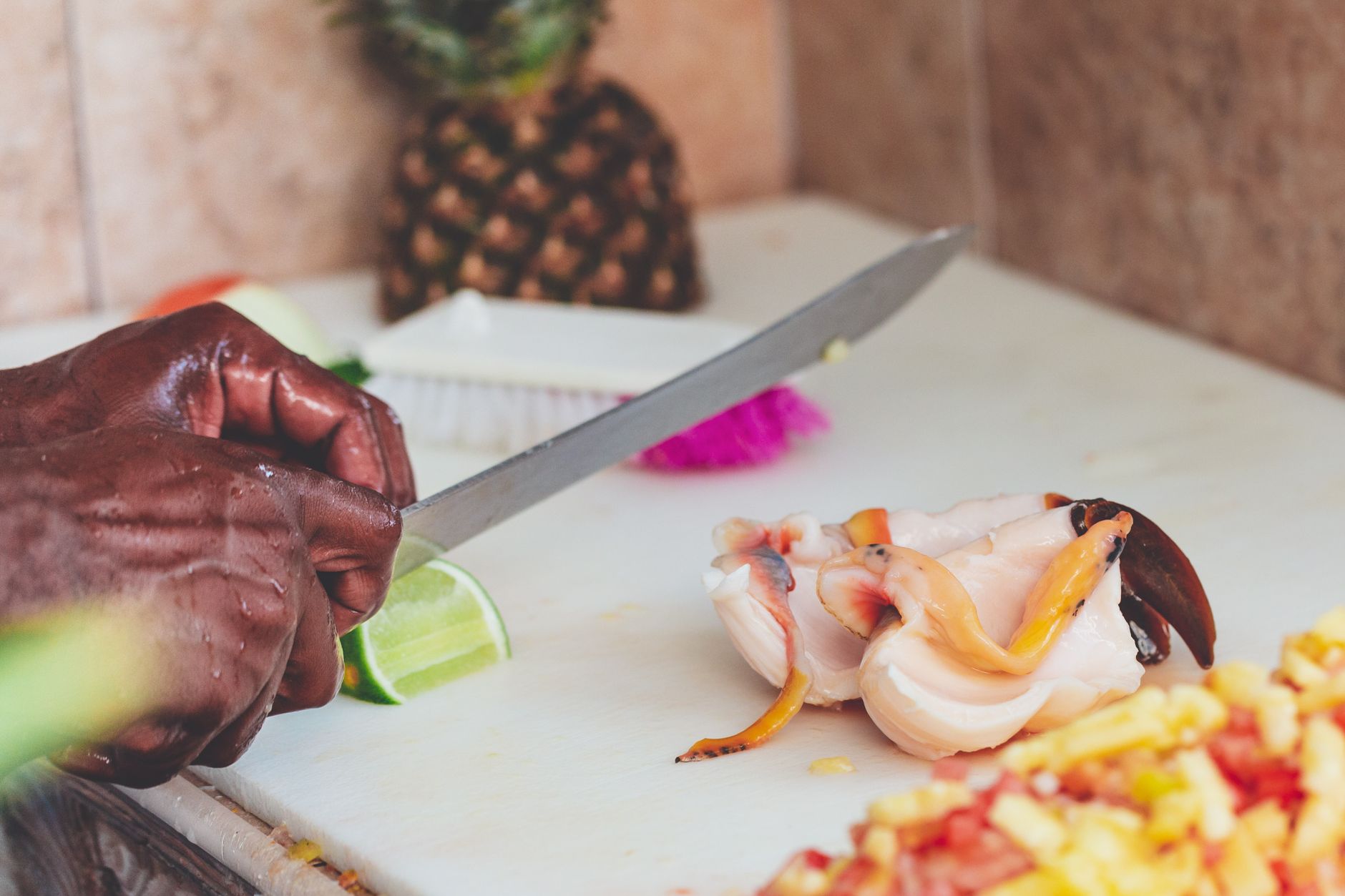
Order line-caught barramundi and Queensland tiger prawns at Shearwater Restaurant while watching sunset across the reef flat shallows.
Photography in Heron Island Queensland Australia
Capture low-angle dawn light across the exposed coral reef crest and shoot hatchling turtles scrambling toward the surf near the jetty.