Inverness.



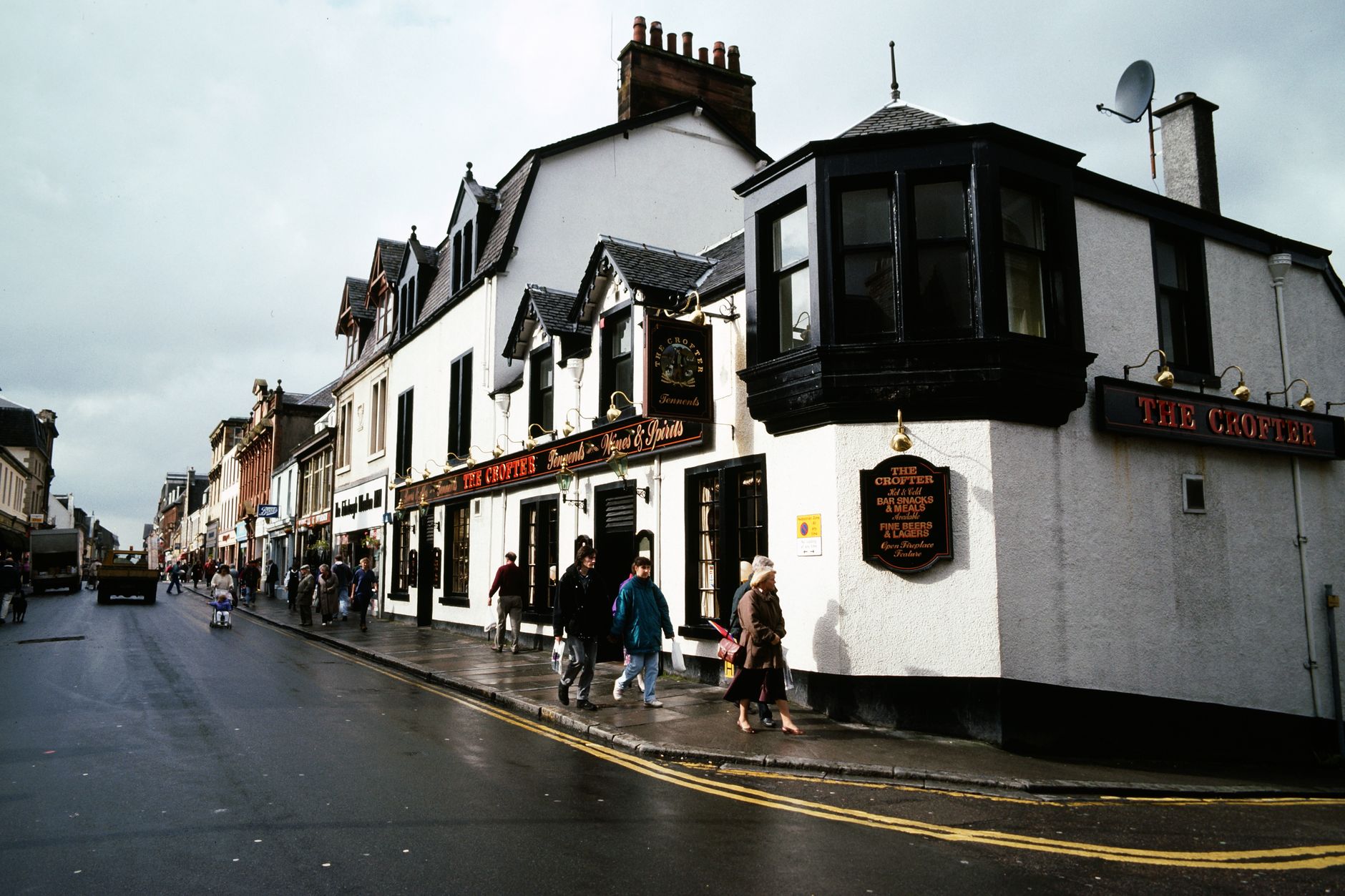
The cold, peat-stained River Ness slices clean through the centre, flowing hard toward the Moray Firth under Victorian iron footbridges. Gulls squawk over the slate roofs, and the smell of roasting malt occasionally drifts on the North Sea breeze. You can walk the whole downtown in twenty minutes, past red sandstone tenements and fiddle music spilling from pub doorways on Church Street. It serves as a working town rather than a stage set. Inverness is worth visiting if you want proper Highland pubs, honest coastal seafood, and easy access to bleak historic moorlands. Look elsewhere if you want late-night dance clubs, major art museums, upscale shopping, or an extensive lineup of rain-proof indoor sights.
Last updated 5 Sept 2026
Build a Inverness itinerary.
Choose up to 4 threads that pull you in. Your plan arrives organised around them.
The Bed
Where to stay in Inverness
Which part of town to book, and what each one costs you in walking, noise or quiet.
The Comparison
Inverness, or somewhere near it
The places you are realistically choosing between, and the honest case for each.
The Local Record
Where to read more about Inverness
The blogs, boards, guides and operators worth bookmarking.
What to do in Inverness Highland United Kingdom
Inverness is anchored by the River Ness, with almost everything of interest sitting within a twenty-minute walk of the train station. Days here drift between browsing second-hand volumes at Leakey's Bookshop, strolling the wooded Ness Islands paths, and sampling smoked haddock or local venison. It suits independent walkers, history readers, and travellers who appreciate a pint of heavy beside a roaring pub fire.
24 hours in Inverness Highland United Kingdom
Start with a black pudding roll in the Victorian Market, then browse the rafters at Leakey’s Bookshop. Walk the river paths to the Ness Islands before crossing back for Cullen skink on Greig Street. Finish with live traditional fiddle tunes and a dram at MacGregor’s on Academy Street, where tables fill fast by eight. Select 1 Day above to see it.
2 days in Inverness Highland United Kingdom
Dedicate your morning to Culloden Battlefield and the stone circles of Clava Cairns, six miles east by local bus. Return for afternoon tea along Ness Bank, then cross the Kessock Bridge onto the Black Isle for a dinner of Moray Firth crab in the seaside village of Cromarty. Choose 2 Days to expand the plan.
3 days in Inverness Highland United Kingdom
Take a morning run up to Fort George to watch for dolphins off the ramparts, followed by a slower walk along the Caledonian Canal locks at Muirtown. In the evening, book a table for roast grouse or fresh langoustines along the river quays before a late whisky flight.
Inverness Highland United Kingdom itineraries by interest
Traditional Pubs in Inverness Highland United Kingdom
Drink heavy ales and single malts at The Gellions or MacGregor’s, where fiddle players sit by the hearth and no one rushes you out.
Battlefield History in Inverness Highland United Kingdom
Walk the bleak heather moor at Culloden, where the 1746 Jacobite rising ended, and inspect the clan markers along the quiet field path.
Local Seafood in Inverness Highland United Kingdom
Eat roasted langoustines, steamed Moray Firth mussels, and Cullen skink at River House Restaurant right on the western quayside.
Riverside Walks in Inverness Highland United Kingdom
Cross the Victorian suspension bridges out to the Ness Islands, walking beneath ancient Scots pines with fly fishers casting for salmon.
Castles & Forts in Inverness Highland United Kingdom
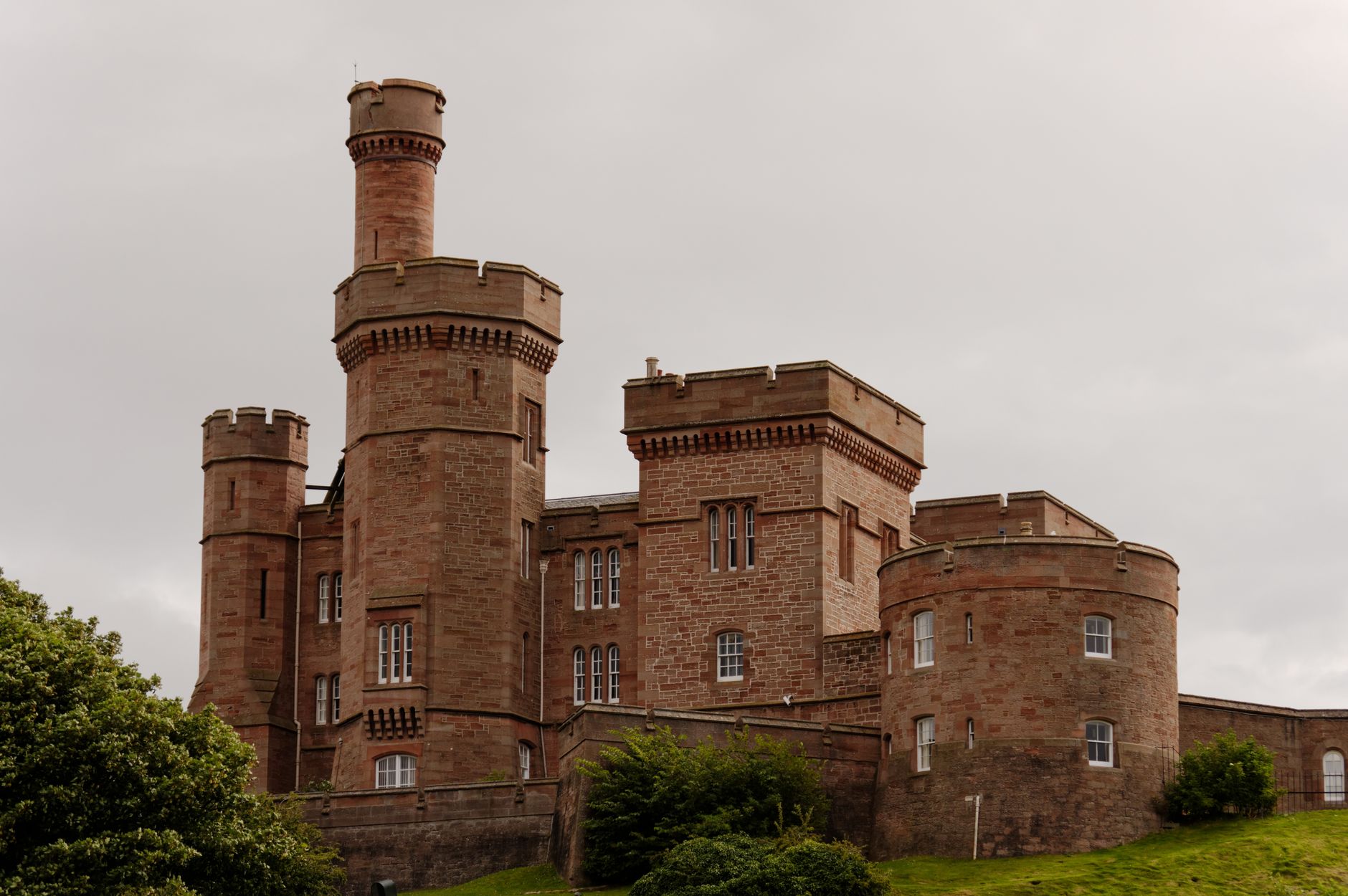
Tour Fort George, an imposing 18th-century artillery fortress jutting into the Firth, or view the 19th-century red sandstone Inverness Castle.
Whisky & Distilleries in Inverness Highland United Kingdom
Sample drams of cask-strength Clynelish and Glen Ord at The Malt Room, tucked down a narrow alleyway off Church Street.
Historic Architecture in Inverness Highland United Kingdom
Visit Inverness Cathedral with its unbuilt spires, then step inside Abertarff House, the town’s oldest surviving townhouse from 1593.
Covered Markets in Inverness Highland United Kingdom
Browse the 1870 Victorian Market for artisan butcher pies, black pudding rolls, tablet candy, and tea served under ornamental iron arches.
Coastal Wildlife in Inverness Highland United Kingdom
Watch for resident bottlenose dolphins feeding in the narrows from Chanonry Point, just across the water on the Black Isle.
Canal Engineering in Inverness Highland United Kingdom
Follow Thomas Telford’s Caledonian Canal to Clachnaharry Sea Lock, watching narrowboats navigate between freshwater lochs and sea.
Bookshops & Print in Inverness Highland United Kingdom
Rummage through floor-to-ceiling second-hand shelves and maps warmed by an open peat fire at Leakey's Bookshop in an old Gaelic church.
Bronze Age Archaeology in Inverness Highland United Kingdom
Wander among the 4,000-year-old standing stones and passage cairns at Clava Cairns, quietly hidden under beech trees near Culloden.