Jambiani.


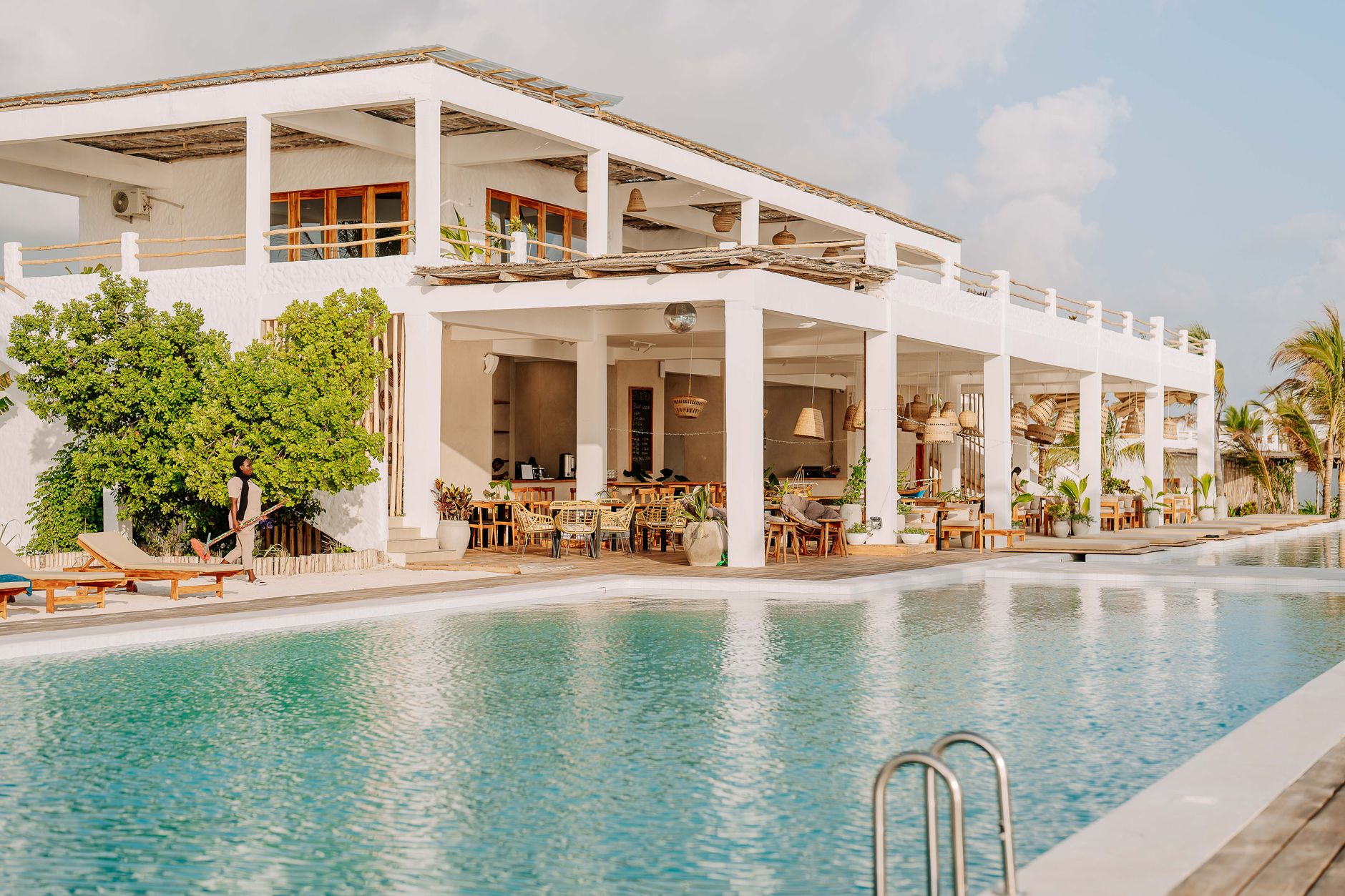


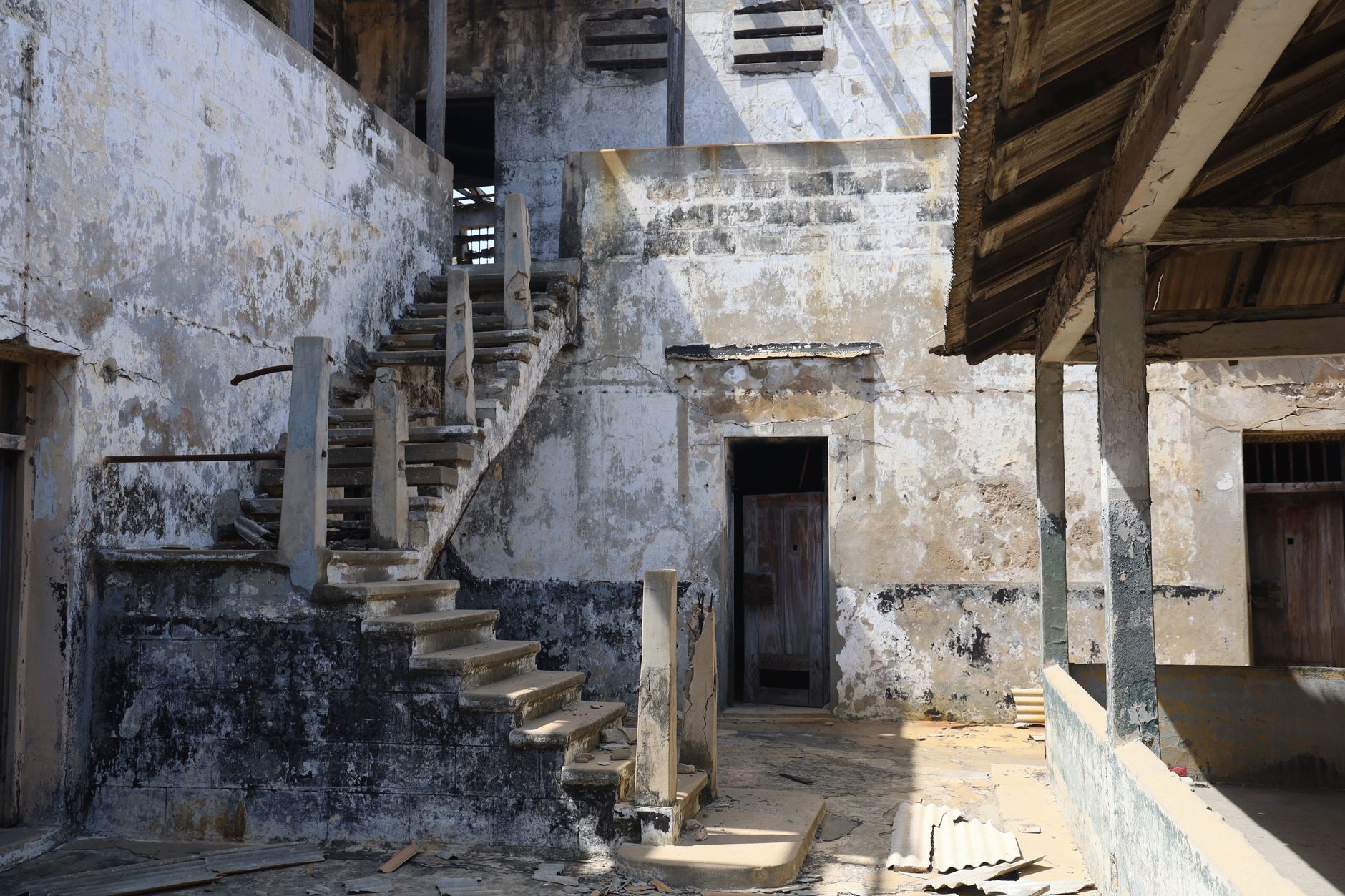
Low tide pulls the Indian Ocean nearly a mile out, leaving wooden outriggers propped on coral sand and women tending neat rows of red algae in the shallows. The village stretches along six miles of dirt road and palm thatch, where kids kick footballs past dhow builders shaping mango wood with adzes. It is unhurried, quiet, and governed entirely by the moon. You eat whatever came off the morning boats with spiced coconut rice. Jambiani is worth visiting if you want to walk endless tidal flats and eat fresh reef fish away from the enclosed resort enclaves. Look elsewhere if you want all-day ocean swimming, late-night bars, a compact town center, or the polished amenities of a full-service resort.
Last updated 7 Sept 2026
Build a Jambiani itinerary.
Choose up to 4 threads that pull you in. Your plan arrives organised around them.
The Bed
Where to stay in Jambiani
Which part of town to book, and what each one costs you in walking, noise or quiet.
The Comparison
Jambiani, or somewhere near it
The places you are realistically choosing between, and the honest case for each.
The Local Record
Where to read more about Jambiani
The blogs, boards, guides and operators worth bookmarking.
What to do in Jambiani Kusini Unguja Tanzania
Jambiani stretches along several miles of Zanzibar's southeastern coastline, divided loosely into small neighbourhoods like Kibigija and Mkaalamani. Life follows the dramatic Indian Ocean tides, which dictate when boats sail and when seaweed can be gathered. It suits independent travellers who prefer quiet footpaths, local Swahili seafood, and open sand to structured resort entertainment.
24 hours in Jambiani Kusini Unguja Tanzania
Start at dawn walking out onto the flats as the tide recedes. Hire an ngalawa outrigger canoe before noon for a reef snorkel, then sit down for spiced kingfish and coconut greens at a beachfront banda. Spend late afternoon cycling the hard-packed tide line into Kibigija for sunset fruit juice and grilled calamari. Select 1 Day above to see it.
2 days in Jambiani Kusini Unguja Tanzania
A second day gives you time to head ten minutes inland to Kuza Cave for a freshwater swim beneath coral limestone. Afterward, take a cooking lesson in the village to master Swahili coconut octopus, followed by an evening listening to live acoustic taarab melodies at a thatched local gathering spot. Choose 2 Days to expand the plan.
3 days in Jambiani Kusini Unguja Tanzania
Three days let you venture twenty minutes north to Jozani Chwaka Bay National Park for red colobus monkeys, or south to Makunduchi's quiet rural streets. You can dedicate an entire afternoon to watching seaweed harvesters at work and sampling locally made clove and lime soaps without checking a watch.
Jambiani Kusini Unguja Tanzania itineraries by interest
Local Seafood in Jambiani Kusini Unguja Tanzania
Eat pweza wa nazi (octopus in coconut curry) and grilled changu (snapper) prepared fresh over charcoal at village bandas like Chez Joseph.
Coastal Walks in Jambiani Kusini Unguja Tanzania
Walk the vast sandbanks at low tide out to the fringing barrier reef, watching local women harvest red eucheuma seaweed from wooden stakes.
Sailing Traditions in Jambiani Kusini Unguja Tanzania
Board a wooden ngalawa outrigger canoe carved from mango logs to sail the turquoise lagoon with local fishermen using lateen sails.
Caving & Geology in Jambiani Kusini Unguja Tanzania
Descend into Kuza Cave, a limestone sinkhole holding deep, clear freshwater fed by underground springs, just a ten-minute taxi ride away.
Wildlife & Nature in Jambiani Kusini Unguja Tanzania
Head twenty minutes northwest to Jozani Forest to track endangered Zanzibar red colobus monkeys through mahogany stands and salt marsh.
Village Life in Jambiani Kusini Unguja Tanzania
Tour the central village paths with a community guide to observe thatch weaving, soap made from seaweed, and boat repair behind the beach road.
Water Sports in Jambiani Kusini Unguja Tanzania
Catch steady trade winds during the Kaskazi and Kuzi seasons for world-class kitesurfing across shallow, obstacle-free sandy flats.
Music & Nightlife in Jambiani Kusini Unguja Tanzania
Catch live coastal taarab musicians and local reggae bands playing beachfront sand floors on Thursday and Sunday evenings in Kibigija.
Culinary Workshops in Jambiani Kusini Unguja Tanzania
Learn Swahili home cooking in a village kitchen, grating fresh coconut by hand and balancing cloves, cardamom, and turmeric for pilau.
Cycling in Jambiani Kusini Unguja Tanzania
Rent a wide-tire single-speed bicycle to ride the hard-packed sand at low tide south toward Makunduchi and north to Paje along the waterline.
Markets & Produce in Jambiani Kusini Unguja Tanzania
Browse roadside stalls in nearby Paje for fresh passionfruit, green coconuts, baobab sweets, and fiery red pilipili peppers sold by the tin.
Day Trips in Jambiani Kusini Unguja Tanzania
Drive twenty minutes south to the coral-stone village of Makunduchi to see ancient shrines and traditional wattle-and-daub architecture.