Jambiani.


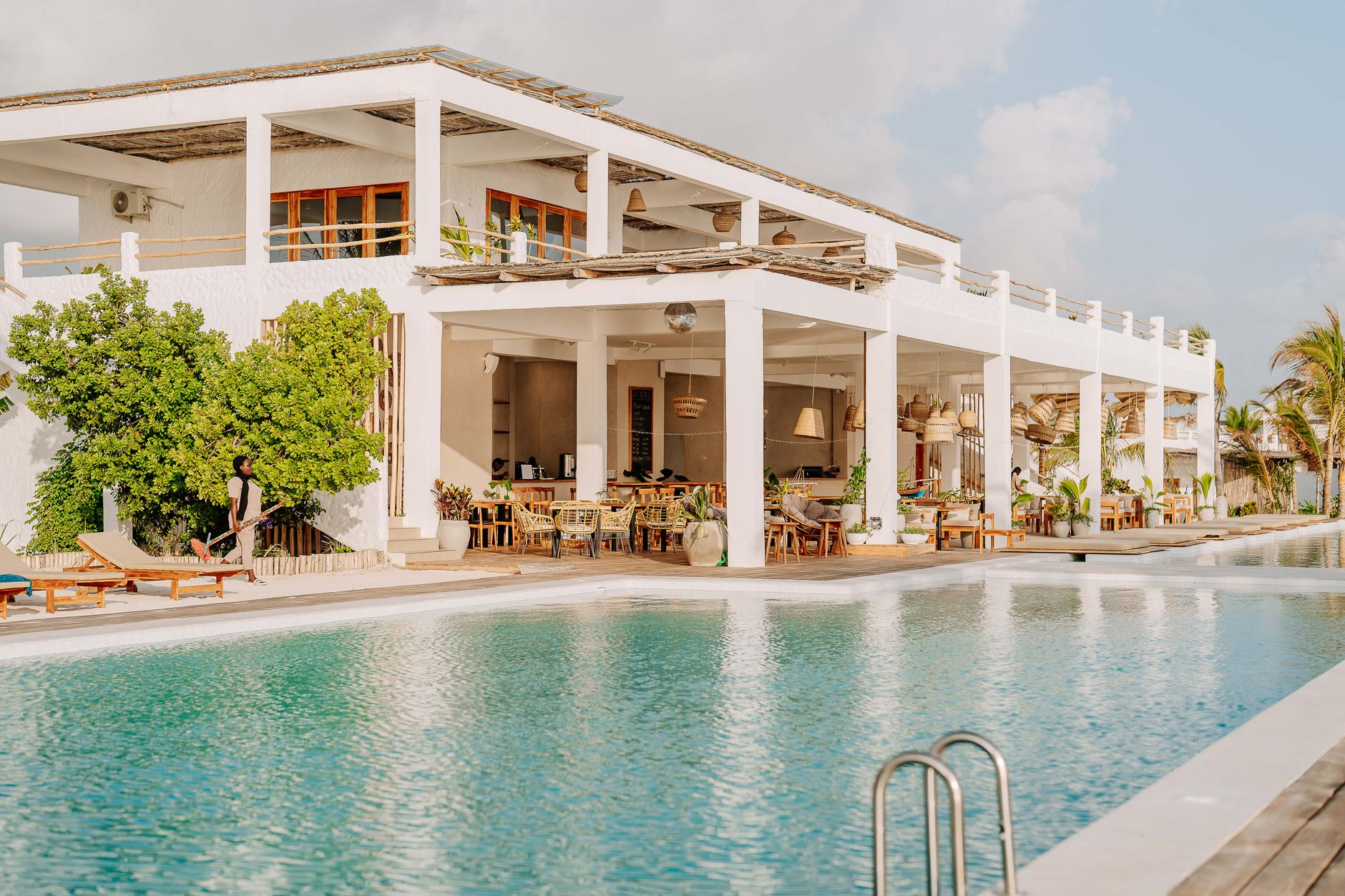


Sitting on Zanzibar's southeast coast, Jambiani is a ninety-minute drive across the island from Stone Town. The settlement spans seven kilometres of blinding sand, known for shallow turquoise lagoons, seaweed cultivation, and timber outrigger dhows. Jambiani is worth visiting if you want to walk vast tidal flats at low water, eat fresh octopus in spiced coconut milk, and watch wooden dhows work the reef. Look elsewhere if you require all-inclusive resorts, all-night beach clubs, or deep swimming water at any hour.
Last updated 30 Oct 2026
Build a Jambiani itinerary.
Choose up to 4 threads that pull you in. Your plan arrives organised around them.
The Bed
Where to stay in Jambiani
Which part of town to book, and what each one costs you in walking, noise or quiet.
The Comparison
Jambiani, or somewhere near it
The places you are realistically choosing between, and the honest case for each.
The Local Record
Where to read more about Jambiani
The blogs, boards, guides and operators worth bookmarking.
What to do in Jambiani Zanzibar South Tanzania
Jambiani runs along a narrow coastal strip of seven kilometres, where simple coral-rag houses sit just behind coconut palms and modest beachfront guesthouses. The day is dictated entirely by the six-hour tidal cycle, which turns the Indian Ocean from a glassy turquoise swimming pool into a vast, walkable expanse of white sand. It suits independent travellers who prefer bicycle rides, slow plates of grilled fish, and unvarnished Swahili village life.
24 hours in Jambiani Zanzibar South Tanzania
Start early by walking out across the exposed tidal flat to watch seaweed farmers tending their lines. Head to a village cafe for chapati and spiced chai, then swim during high tide around noon. End with grilled red snapper and tamarind sauce at a beachfront banda as the sun drops. Select 1 Day above to see it.
2 days in Jambiani Zanzibar South Tanzania
Dedicate your second day to Kuza Cave in Kibigija, cooling off in the limestone sinkhole before hiring an outrigger ngalawa to sail out to the barrier reef. For dinner, walk ten minutes inland to find a local boma serving slow-cooked goat biryani and fresh cassava greens. Choose 2 Days to expand the plan.
3 days in Jambiani Zanzibar South Tanzania
A third day allows an unhurried morning cycle north along the hard sand to Paje, stopping for espresso and watching kite surfers. Spend the afternoon touring the Mwani seaweed processing workshop, followed by a sunset dhow cruise along the Michamvi peninsula.
Jambiani Zanzibar South Tanzania itineraries by interest
Local Seafood in Jambiani Zanzibar South Tanzania
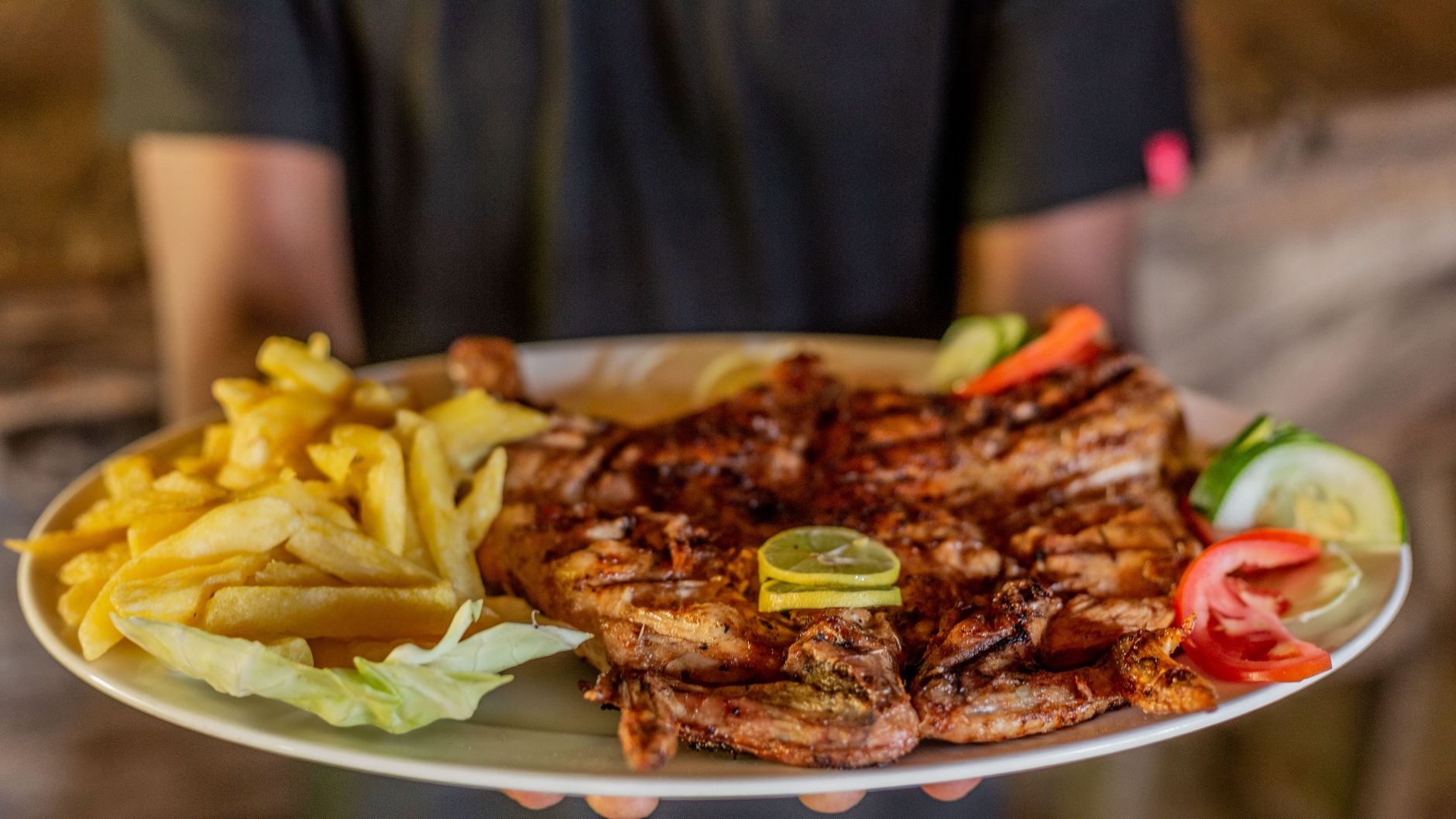
Order octopus curry simmered in coconut milk, grilled kingfish with pilau rice, and fresh squid caught daily along the reef by local wooden dhows.
Coastal Walks in Jambiani Zanzibar South Tanzania
Walk the seven-kilometre powdery sandbar when the Indian Ocean pulls back a mile at low tide, exposing shallow turquoise pools and coral flats.
Traditional Agriculture in Jambiani Zanzibar South Tanzania
Watch women plant red and green seaweed on wooden stakes at low water, then process the dried harvest into organic soaps and oils at Mwani Zanzibar.
Water Sports in Jambiani Zanzibar South Tanzania
Catch the steady southeast Kaskazi and Kuzi trade winds between June and March for shallow-water kitesurfing across the protected sandy lagoon.
Caves & Geology in Jambiani Zanzibar South Tanzania
Swim in the subterranean freshwater pool inside Kuza Cave, a sacred limestone sinkhole shaded by jungle fig trees where red colobus monkeys swing.
Maritime Traditions in Jambiani Zanzibar South Tanzania
Board a hand-hewn ngalawa outrigger canoe to snorkel the outer coral barrier, navigating with triangular canvas sails cut from local cotton.
Home Cooking in Jambiani Zanzibar South Tanzania
Join Swahili cooking classes in village courtyards to grind cardamom, grate fresh coconuts by hand, and prepare spiced pumpkin leaves.
Craft Traditions in Jambiani Zanzibar South Tanzania
Observe local artisans hand-carving wooden dhow ribs and weaving palm thatch makuti roofing along the dirt paths behind the beachfront line.
Bicycle Touring in Jambiani Zanzibar South Tanzania
Rent a sturdy single-speed cruiser to ride the hard-packed sand at low tide between Jambiani Kibigija and the fishing village of Paje.
Live Music in Jambiani Zanzibar South Tanzania
Catch acoustic taarab melodies and local reggae sets at breezy thatched beach bars on weekend nights, accompanied by cold Kilimanjaro beer.
Wildlife & Nature in Jambiani Zanzibar South Tanzania
Look out for Sykes monkeys in the coastal scrub and spot bright blue starfish, sea cucumbers, and ghost crabs resting in the shallow tidal pools.
Day Trips in Jambiani Zanzibar South Tanzania
Take a twenty-minute taxi north to dine on the coral outcrop at The Rock in Michamvi, or head south to Kizimkazi for early morning dolphin runs.